
Desserts
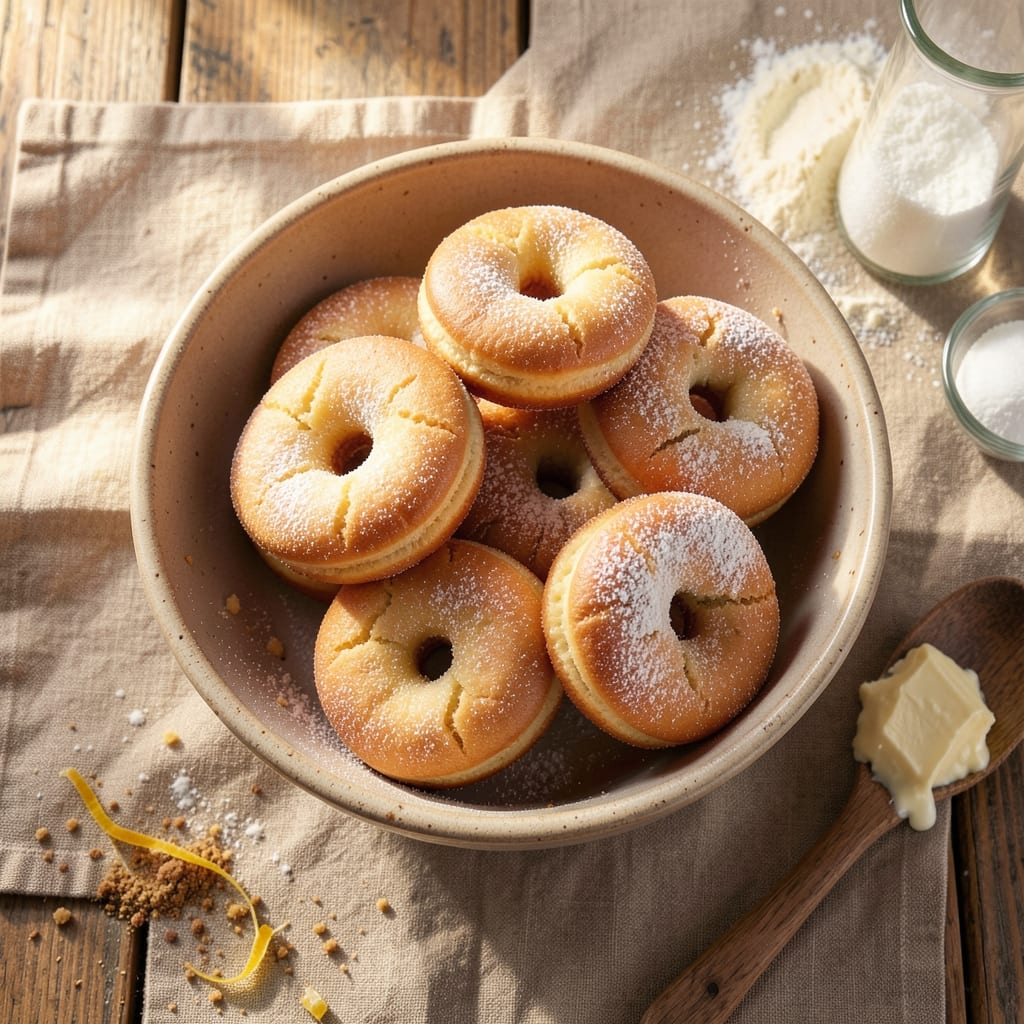
This baked cake donut recipe without yeast delivers the same fluffy, airy texture as classic donuts—but without the rising time or yeast fuss. The secret lies in a precise blend of baking powder and soda, which creates lift through chemical reactions rather than fermentation. I perfected this method after years of experimenting with yeast-free alternatives that actually tasted good, not dense or cakey.
What sets these apart is their cake-like crumb and tender interior, achieved by carefully folding dry ingredients into the wet batter. No need for a deep fryer or complicated techniques—just a standard oven and a little patience. The donuts bake up golden brown with a subtle crispness on the outside, while staying soft and pillowy inside.
Once baked, these donuts are ready for your favorite glazes, dustings, or even a simple sprinkle of cinnamon sugar. They’re perfect as an afternoon snack, dessert after dinner, or even a breakfast treat paired with coffee. The best part? No yeast means no waiting for dough to rise—just mix, shape, and bake.
Whether you’re avoiding yeast for dietary reasons or simply want a faster method, this recipe delivers restaurant-quality donuts with minimal effort. The texture is light and airy, just like classic yeasted donuts, but with a simpler process. Let’s get baking!
Ingredients for baked cake donut recipe without yeast
Pantry staples meet baking science for fluffy, yeast-free donuts that rise like classics.
| Ingredient | Amount | Notes |
|---|---|---|
| All-Purpose Flour 🌾 | 3 cups | Sifted for light texture |
| Granulated Sugar 🍚 | ¾ cup | White or light brown |
| Baking Powder 🧂 | 2 tbsp | Freshly measured |
| Baking Soda 🧂 | ½ tsp | Pure, not baking powder |
| Salt 🧂 | ½ tsp | Fine sea salt |
| Unsalted Butter 🧈 | ½ cup | Room temperature, full-fat |
| Large Eggs 🥚 | 2 whole | Room temperature |
| Whole Milk 🥛 | ½ cup | Full-fat for richness |
| Pure Vanilla Extract 🌿 | 1 tbsp | High-quality preferred |
| Vanilla Sugar 🍚 | 1 tbsp | Optional for extra flavor |
| Cinnamon Sugar Mix 🌶️ | ½ cup | For coating after baking |
| Vegetable Oil 🫒 | 2 tbsp | For greasing pan |
The flour and leavening agents are non-negotiable here. King Arthur or Gold Medal flours work best—they’ve got that perfect protein-to-gluten ratio for tender donuts. Grab Aluminum-free baking powder (check the label) and fresh baking soda from the baking aisle. Store-bought vanilla extract is fine, but if you’ve got a vanilla bean, scrape the seeds for an extra-special touch. Butter should be at room temperature—press it with a fork if it’s too cold. The milk? Whole milk gives the best texture, but 2% works in a pinch.
No vanilla sugar? Mix 1 tbsp sugar with 0.25 tsp vanilla extract—it’s a solid swap. Short on baking powder? Baking soda plus cream of tartar at a 2:1 ratio works, but test your donuts first. For the cinnamon sugar coating, Trader Joe’s or store-brand mixes are perfect—just make sure it’s not pre-mixed with butter or oil. The oil for greasing? Vegetable or canola are neutral and work well, but any light oil will do. If you’re feeling fancy, brush the baked donuts with a little melted butter before coating for extra shine.
Mix the dry ingredients first—they’ll need to sit for 10 minutes to activate the baking powder. Store batter in an airtight container for up to 24 hours, but bake fresh for best results. These donuts keep well for 3 days in the fridge, wrapped in a clean towel to prevent drying. For longer storage, freeze unbaked donuts on a tray, then transfer to a bag—bake straight from frozen, adding 2-3 minutes. Reheat in a 200°F oven for 5 minutes to restore softness.
Why You'll Love This Recipe
- No Yeast, No Stress: I swear by this recipe because it’s the only donut I’ll make when I’m too tired to wait for dough to rise. Just mix flour, sugar, and those leavening agents—baking powder and soda—and you’ve got a cake batter that bakes into donuts faster than you can say “frosting.”
- Creamy-Center Magic: That crispy exterior with a pillowy middle? It’s all thanks to the sugar caramelizing just right, while the baking powder and soda work together to keep it light. Honestly, it’s the kind of texture that makes you forget you’re not at a bakery.
- Breakfast or Dessert: Serve them plain for a quick breakfast with coffee, or dress them up with glaze for a weekend treat. My kids love them for school lunches—yes, even on a Tuesday—and I love that they’re just as happy with jam as they are with powdered sugar.
- Pantry Staples Only: Between us, this recipe is my budget-friendly secret. You’re using ingredients you already have—no special yeast, no fancy mixers—just flour, sugar, and a little patience. And if you bake a batch, they’ll keep for days, so you’re not scrambling for last-minute snacks.
Step-by-step instructions for baked cake donuts
Here's how to create donuts with classic texture and flavor—no yeast, no waiting.
Mix Dry Ingredients for Perfect Leavening
In a medium bowl, whisk together the 3 cups all-purpose flour, 2 tablespoons baking powder, ½ teaspoon baking soda, and ½ teaspoon salt. Sift the flour first for a lighter texture—this prevents dense donuts. I like to press the dry ingredients through a fine-mesh sieve to eliminate any lumps that could create uneven rises.
In a separate small bowl, combine the ½ cup granulated sugar and 1 tablespoon vanilla sugar. This sweetener blend ensures sweetness is evenly distributed throughout the batter. Set both mixtures aside—they'll be ready when you need them.
Cream Butter and Wet Ingredients
In a large mixing bowl, combine the ½ cup unsalted butter (at room temperature) with the 2 whole large eggs and ½ cup whole milk. Mix on medium speed for 2-3 minutes until the mixture is smooth and slightly thickened. You'll notice the butter emulsify with the wet ingredients, creating a creamy base.
Add the 1 tablespoon pure vanilla extract and mix for another 30 seconds until fully incorporated. The vanilla should blend seamlessly, adding depth without overpowering. This step is crucial—under-mixing here leads to uneven texture in the final donuts.
Combine Wet and Dry Ingredients
Gradually add the dry ingredient mixture to the wet mixture while mixing on low speed. Scrape down the sides of the bowl as needed to ensure even distribution. Mix just until combined—no more than 30 seconds—to avoid developing gluten, which would make the donuts tough instead of tender.
For extra richness, fold in the 1 tablespoon vanilla sugar at this stage. The batter should be thick but pourable, similar to pancake batter. If it's too thick, add 1 teaspoon milk at a time until it reaches the right consistency. The batter should coat the back of a spoon smoothly.
Prepare the Donut Pan and Fill
Preheat your oven to 375°F. Lightly grease a donut pan with 2 tablespoons vegetable oil, using a paper towel to distribute it evenly. This prevents sticking and ensures easy release. Fill the donut cavities ¾ full—overfilling causes messy overflow, while underfilling results in flat donuts.
Use a piping bag or spoon to transfer the batter into the donut pan. Tap the pan gently on the counter to release any air bubbles. The batter should settle evenly in each cavity. Bake for 10-12 minutes until the tops are golden brown and a toothpick inserted comes out clean.
Coat and Serve Warm
Remove the donuts from the oven and immediately transfer them to a wire rack. While still warm, roll each donut in the ½ cup cinnamon sugar mix until fully coated. The warmth helps the coating adhere better, giving you that classic donut texture.
Let the donuts cool for 5 minutes before serving. This brief resting period allows the coating to set slightly, preventing it from falling off. Serve warm for the best experience—each bite should deliver a perfectly balanced sweetness with a tender, cake-like interior.
Pro Tips For Making Baked Cake Donut Recipe Without Yeast
- Mix Dry Ingredients Last: Mix your baking powder and baking soda with the flour right before adding liquids—I learned this after a batch turned dense. The leaveners lose potency fast, and stirring them in early kills that light, airy texture you’re chasing.
- Use Room-Temp Eggs: Cold eggs make your batter sluggish, and these donuts need to rise smoothly. Pop them out of the fridge 30 minutes ahead—yes, even if you’re in a hurry. The batter will blend like silk, not fight you.
- Don’t Overfill the Muffin Tin: Halfway up the cup is the magic line. Packing them too high means they’ll spill over, stick to the pan, and turn out gummy. Trust me, your future self will curse you if you ignore this.
- Sift the Flour Twice: I know, it’s extra work, but clumpy flour = uneven donuts. Sift once before measuring, then sift again right into the bowl. The extra effort guarantees a tender crumb—no one wants a brick in donut form.
Common mistakes when making your baked cake donut recipe without yeast
Overmixing the Batter
I’ve made this mistake more times than I’d like to admit—overmixing the batter turns your donuts dense instead of light and airy. The key is to mix just until the dry ingredients disappear, about 30 seconds on low speed. Overmixing develops gluten, which creates a chewy texture rather than the tender crumb we want. If your batter starts looking shaggy or elastic, stop immediately and fold it gently by hand. 💫
Skipping the Resting Time
After mixing, let the batter sit for 10 minutes before baking. This allows the baking powder to fully activate, ensuring maximum rise. I used to rush this step and ended up with donuts that were flat and cakey. Trust the process—patience here makes all the difference in texture. The batter will thicken slightly, which is a good sign!
Uneven Greasing
Greasing the donut pan is non-negotiable, but doing it unevenly leads to sticking and uneven baking. Use a paper towel to wipe excess oil from the pan after greasing—this ensures an even coating. I’ve seen people skip this step or use too much oil, which can make the donuts greasy. A light, even layer is all you need for perfect release. 🔥
Overfilling the Cavities
Filling the donut cavities more than ¾ full guarantees messy overflow and uneven baking. The batter needs room to rise, so measure carefully—use a spoon or piping bag to avoid overfilling. I’ve had to scrape up batter from the bottom of my oven more times than I’d like to admit. Trust the ¾ mark and resist the urge to pack it in!
Baking at the Wrong Temperature
Your oven might run hot or cold, so 375°F is the sweet spot for these donuts. If your oven runs hot, reduce the temperature to 350°F to prevent burning. I’ve learned this the hard way—once, my donuts came out rock-hard because my oven was running at 400°F! Use an oven thermometer to double-check your oven’s accuracy. 🌡️
Coating Too Early
Rolling the donuts in cinnamon sugar while they’re still piping hot can cause the coating to slide right off. Let them cool for 5 minutes first—this gives the coating time to set. I’ve had to re-coat donuts more times than I’d like to admit because I couldn’t wait! The slight cooling period makes all the difference in that perfect crunchy-sweet finish.
Nutrition facts
Frequently asked questions
Why do these donuts need baking powder AND baking soda?
This combo creates the perfect rise! The baking powder provides quick lift during baking, while the ½ teaspoon baking soda reacts with the acidity in buttermilk (or milk) for extra fluffiness. Together, they mimic yeast's airy texture without fermentation time.
Can I make these donuts without a donut pan?
Use a muffin tin to make cake donut holes, or shape batter into balls on a parchment-lined sheet pan. Bake for 12-15 minutes at 375°F until golden. For traditional shapes, pipe batter into rings on a baking sheet and cut out centers after baking.
How do I store these donuts to keep them soft?
Store in an airtight container with a clean kitchen towel between layers to prevent drying. They stay fresh for 3 days at room temperature. For longer storage, freeze unbaked donuts for up to 1 month—bake straight from frozen, adding 2 extra minutes. Reheat in a 200°F oven for 5 minutes to restore softness.
What's the best glaze alternative to cinnamon sugar?
Try a simple powdered sugar glaze (½ cup powdered sugar + 1 tbsp milk), or a chocolate ganache (½ cup melted chocolate + 2 tbsp cream). For fruit lovers, dip in warmed apricot jam and sprinkle with chopped nuts. The key is to glaze while donuts are still warm for best adhesion.
Why did my donuts turn out cakey instead of fluffy?
This usually happens from overmixing (developing gluten) or skipping the 10-minute batter rest. Also check your baking powder—if it's old, it loses potency. For extra fluff, fold 1 tbsp whipped egg whites into the batter before baking. The secret is gentle mixing and proper leavening activation!