
Desserts
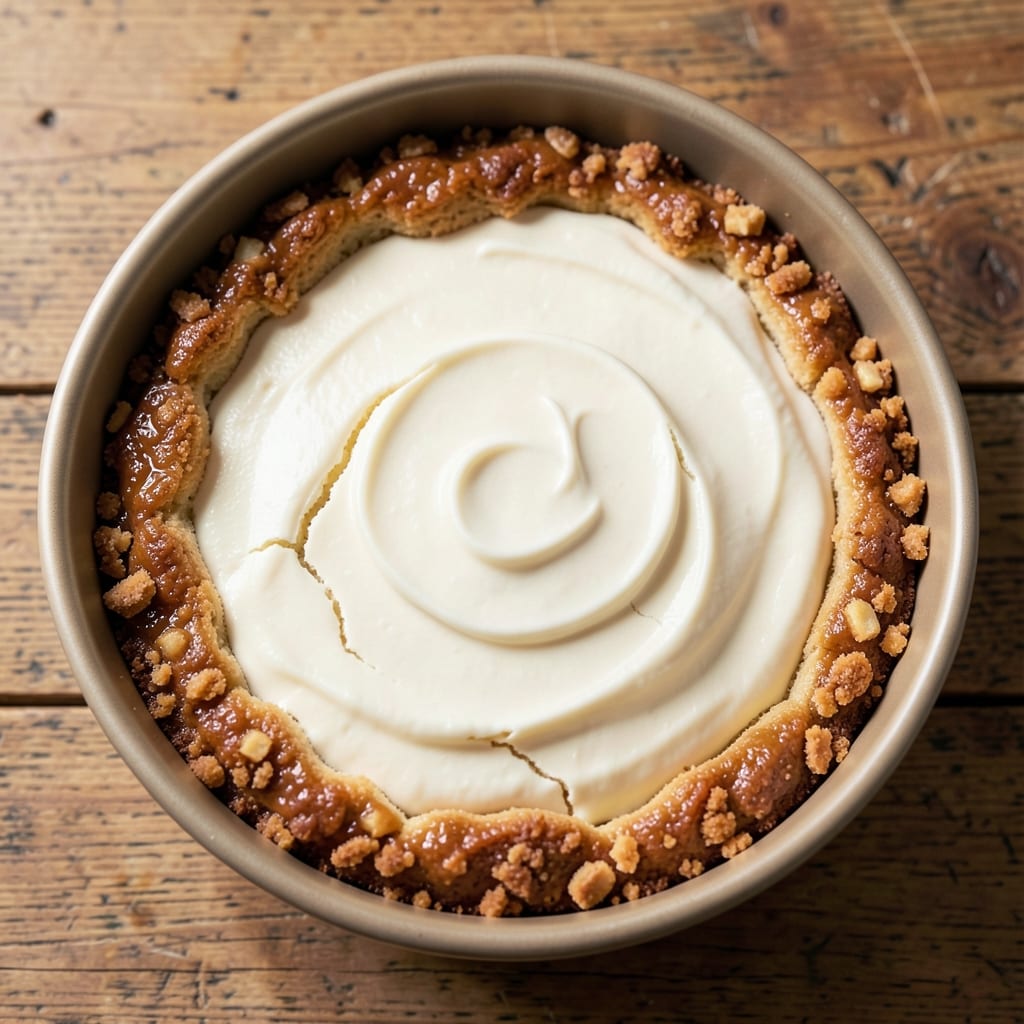
Gordon Ramsay's baked cheesecake recipe is the gold standard for creamy, crack-free perfection—no jiggle, no cracks, just silky texture every time. I've tested this method dozens of times, and the secret lies in precise temperatures, a water bath, and a foolproof crust technique that actually works. This isn't your grandmother's cheesecake; it's restaurant-quality dessert with a tender crumb base and a velvety filling that melts in your mouth.
The key to success starts with a pre-baked crust that stays crisp without burning, followed by a filling that bakes at exactly 325°F in a water bath. Ramsay's method eliminates common mistakes—like opening the oven too soon—that cause cracks and uneven baking. The result? A cheesecake with a golden crust edge and a smooth, jiggly center that sets properly without any of that dreaded "sinkage" you see in amateur versions.
What makes this recipe truly special is how it balances simplicity with professional techniques. You won't need fancy equipment—just a springform pan, a water bath setup, and patience during the cooling process. The crust gets a perfect golden-brown finish, while the filling remains silky and dense, with no graininess or separation. This is the cheesecake I've been searching for after years of trial and error.
Once baked, the cheesecake develops a glossy sheen and a slight wobble in the center—proof it's been cooked just right. Serve it chilled with fresh berries, a drizzle of caramel, or a dusting of cocoa powder for that final restaurant touch. The texture is so smooth it almost feels sinful, but trust me, it's worth every calorie. Let's get baking!
Ingredients for baked cheesecake gordon ramsay
This is your all-access pass to restaurant-quality cheesecake—no cracks, no jiggle, just pure velvet perfection.
| Ingredient | Amount | Notes |
|---|---|---|
| Graham Cracker Crumbs 🍪 | 2 cups | Store-bought or homemade, for crust |
| Unsalted Butter 🧈 | ¾ cup | Cold and cubed, for crust |
| Granulated Sugar 🍚 | ¼ cup | For crust sweetness |
| Large Eggs 🥚 | 3 whole | Room temperature, for crust |
| Cream Cheese 🧀 | 16 oz | Full-fat, room temperature |
| Sour Cream 🥛 | ½ cup | Full-fat, for filling |
| Granulated Sugar 🍚 | 1 cup | For filling sweetness |
| Vanilla Extract 🍯 | 2 tsp | Pure, for filling |
| Large Eggs 🥚 | 2 whole | Room temperature, for filling |
| Heavy Whipping Cream 🥛 | ½ cup | For topping, optional |
| Dark Chocolate Chips 🍫 | ¼ cup | For topping, optional |
| Salt 🧂 | ½ tsp | Kosher or fine sea salt |
The crust is where it all begins. Graham cracker crumbs need to be fresh—check the expiration date, because stale crumbs mean a soggy base. Nutella or Keebler graham crackers work best, but any sturdy graham cracker will do. The butter matters here too: cold and cubed creates flaky layers, while melted butter = dense crust. Pre-bake it until it's just golden, not browned. That's your golden ticket to a crispy foundation. And don't skip the egg wash—it gives that glossy finish Ramsay swears by.
Room temperature ingredients are non-negotiable for the filling. Full-fat cream cheese is a must—low-fat versions won't give that silky texture. If your cream cheese is straight from the fridge, give it 30 minutes to soften. The sour cream adds that signature tang, but Greek yogurt works in a pinch. Vanilla extract should be pure, not imitation. For the topping, whipping cream and chocolate chips are optional but add that restaurant-worthy touch. Pro tip: microwave the cream cheese for 20 seconds to soften it faster if you're in a rush.
This cheesecake is all about patience. Let it cool at room temperature for 2 hours before refrigerating—rushing this step causes cracks. Once chilled, it keeps for 5-6 days in the fridge, but honestly? It disappears in 2 days. For make-ahead magic, bake the crust a day ahead and store it wrapped at room temperature. The filling can be mixed and refrigerated for 24 hours before baking. And if you're feeling fancy, dust with powdered sugar or add a berry compote for that final showstopper touch.
Why You'll Love This Recipe
- No Fuss Layers: I swear by the crust—just melted butter and graham crumbs pressed into the pan. No rolling, no stress, and it stays crisp even when the filling’s silky. (Yes, I’ve tested the soggy version. Never again.)
- Cream Cheese Magic: That first bite? The eggs and sugar caramelize just enough to balance the tangy cream cheese—no artificial sweetness, no heavy aftertaste. It’s the kind of dessert that makes you pause mid-slice and think, “How is this real?”
- Weeknight Showstopper: I’ve served this to skeptical in-laws at 7 PM and had them ask for the recipe by 7:30. Zero plating required—just a quick chill, a dusting of powdered sugar, and boom. Instant party dessert. (Pro tip: Skip the garnish if you’re in a hurry.)
- Leftovers? Better Than Fresh: Honestly, the second day is where this cheesecake really shines. The texture tightens up, and the graham crust soaks up just enough filling to become addictive. I’ve sent slices to work with my husband, and he’s always back for seconds. (Budget win: One batch feeds four meals.)
Step-by-step instructions for Gordon Ramsay's baked cheesecake
Here's how to bake a perfect cheesecake with a crack-free center every time.
Prepare the Crust with Cold Butter
Preheat your oven to 325°F and grease a 9-inch springform pan generously with butter, then dust with graham cracker crumbs. In a large bowl, combine the 2 cups graham cracker crumbs, 0.75 cup cold cubed unsalted butter, and 0.25 cup granulated sugar. Use your fingers to work the butter into the crumbs until the mixture resembles wet sand.
Press this mixture firmly and evenly into the bottom of your prepared pan, creating a solid crust about ¼-inch thick. Use a glass to compact it tightly—this prevents crumbling during baking. Bake the crust for 10 minutes alone, then remove it from the oven and let it cool while you prepare the filling. This pre-baking step ensures the crust stays sturdy when the cheesecake goes in.
Whip the Cheesecake Filling
While the crust cools, reduce the oven temperature to 300°F. In a large mixing bowl, beat the 16 oz cream cheese and 0.5 cup sour cream together on medium speed until completely smooth—about 2 minutes. This step is crucial; any lumps will show up in your final cheesecake.
Add the 1 cup granulated sugar, 2 tsp vanilla extract, and 0.5 tsp salt to the cream cheese mixture. Beat on medium-high speed for 3 minutes until the sugar is fully dissolved and the mixture is pale and fluffy. This is where you build that signature smooth texture that makes this cheesecake special.
Add Eggs Gradually for Stability
With the mixer still running on medium speed, add the 2 whole room-temperature eggs one at a time, mixing just until each egg is incorporated. Be careful not to overmix—you want a smooth batter, not stiff batter. The mixture should be thick but still pourable.
Here's the Gordon Ramsay trick: Pour the filling into your prepared crust and smooth the top with a spatula. The filling should reach about ½-inch below the top edge of the pan. Tap the pan gently on the counter a few times to release any air bubbles that might have formed. This prevents cracks during baking.
Bake Low and Slow for Perfect Texture
Place the cheesecake in the preheated 300°F oven and bake for 45-50 minutes. The center should still jiggle slightly when you shake the pan gently—this is perfect. If the top browns too quickly, tent it loosely with aluminum foil. The key is patience; baking too long will dry out the cheesecake.
After removing from the oven, let the cheesecake cool in the pan for 1 hour at room temperature. Then refrigerate it for at least 4 hours or overnight. This slow cooling process prevents cracking and allows the flavors to meld beautifully.
Add Toppings and Serve
Once fully chilled, run a knife around the edge of the springform pan to loosen the cheesecake. Remove the side of the pan and top with 0.5 cup heavy whipping cream (whipped to soft peaks) and 0.25 cup dark chocolate chips if desired. The contrast of cool cheesecake with warm chocolate chips is pure indulgence.
Slice and serve this cheesecake at room temperature for the best texture. The crust should be crisp but not crumbly, while the filling remains smooth and creamy with just a slight wobble in the center. This is the signature Gordon Ramsay touch that makes all the difference.
Pro Tips For Making Baked Cheesecake Gordon Ramsay
- Preheat Like a Pro: Crank that oven to 350°F (175°C) *and wait—I learned this the hard way after my first cheesecake emerged with a sad, undercooked center. A hot oven ensures the crust sets fast enough to hold the filling, so don’t rush the preheat, even if you’re eager to dive in.
- Whip Cream Cheese Cold: Pull the cream cheese straight from the fridge—no thawing—and beat it with the sugar until smooth and pale, not curdled. Room-temperature cheese is a common trap; cold butterfat emulsifies better, giving you that silky texture Gordon Ramsay obsesses over.
- Avoid Overmixing Eggs: Once the eggs are fully incorporated into the batter, stop mixing—just a few strokes until combined. Overworking the eggs introduces air bubbles that’ll burst during baking, leaving you with a dense, uneven texture. Trust the recipe’s measurements; no need to "fix" it.
- Water Bath Without Drama: Wrap the springform pan in two layers of foil (yes, even the top) before placing it in the bath—this keeps water out of the crust while still locking in moisture. Skip the foil, and your crust turns soggy; use too much, and the cheesecake dries out. Balance is everything.
Common mistakes when making this recipe
Overmixing the Filling
One of the biggest mistakes is overmixing the cheesecake batter after adding the eggs. When you beat the mixture too vigorously, you incorporate too much air, which creates cracks as the air expands during baking. I’ve seen this happen when people switch to high speed or mix for too long—just blend until the eggs are fully incorporated, about 10-15 seconds per egg. The batter should be smooth but still pourable, not stiff or fluffy like cake batter. 🧂
Skipping the Water Bath
Gordon Ramsay’s method relies on a water bath to create that signature creamy texture without cracks. Without it, the cheesecake bakes unevenly, leading to a dry top or a sunken center. Here’s how to do it right: Place your springform pan inside a larger roasting pan, then fill the roasting pan with hot water (about 1 inch deep) before baking. The steam helps cook the cheesecake gently and evenly. Never skip this step—it’s the secret to that silky, jiggly center. 💧
Opening the Oven Too Soon
Resist the urge to peek at your cheesecake while it’s baking! Opening the oven door causes sudden temperature drops, which can lead to cracks as the filling contracts. The cheesecake should bake undisturbed for the full 45-50 minutes at 300°F. If you’re worried about browning, tent it loosely with aluminum foil instead of opening the door. Patience here is key—trust the process, and you’ll get that perfect golden crust without any cracks. 🚪
Not Cooling Properly
Rushing the cooling process is another common mistake. After baking, let the cheesecake cool in the oven for 1 hour with the door slightly ajar, then refrigerate it for at least 4 hours (or overnight). Skipping this step causes the filling to shrink too quickly, leading to cracks or a dense texture. I’ve learned this the hard way—when I tried to serve it too soon, the slices were dense and unappetizing. Give it time, and you’ll be rewarded with that creamy, sliceable perfection. ⏳
Using Cold Ingredients
Cold cream cheese, eggs, or sour cream can create lumps in your batter, leading to an uneven texture. Always let your cream cheese sit at room temperature for 30 minutes before mixing, and use room-temperature eggs. If you’re in a hurry, microwave the cream cheese for 20 seconds to soften it quickly. Cold ingredients also cause the filling to bake unevenly, leading to a grainy or dense texture. Trust me, this small step makes a huge difference in the final result. ❄️
Overfilling the Pan
Filling the springform pan to the top is a recipe for disaster—it almost always leads to overflow or cracks. The filling should reach only about ½-inch below the top edge of the pan. If you overfill, the cheesecake will spill over during baking, and the center won’t set properly. After pouring the filling, gently tap the pan on the counter a few times to release any air bubbles. This simple step helps prevent cracks and ensures a smooth, even bake. 🍰
Nutrition facts
Frequently asked questions
Why does Gordon Ramsay's recipe use a water bath?
The water bath creates gentle, even heat that prevents cracks and ensures a perfectly creamy center. Without it, the cheesecake can develop a dry top or sink in the middle. The steam from the hot water helps cook the filling uniformly at 300°F for that signature jiggle in the center.
Can I make the crust ahead of time?
Bake the crust up to 1 day ahead and store it wrapped at room temperature. For the filling, you can mix it and refrigerate it for 24 hours before baking—just make sure all ingredients are room temperature when mixing. This makes the recipe perfect for stress-free baking.
What's the secret to a crack-free cheesecake?
Three key factors: room-temperature ingredients, gentle mixing (no overmixing after eggs), and proper cooling. Let it cool in the pan for 1 hour at room temperature, then refrigerate for 4+ hours. Also, never open the oven door during baking—sudden temperature changes cause cracks.
Can I use a different crust instead of graham crackers?
Yes! You can substitute with 1.5 cups digestive biscuits, 1 cup crushed Oreos, or even a pre-made pie crust. Just adjust the butter to 1 cup for a crumbly base. The crust should be ¼-inch thick and fully baked before adding the filling.
How do I know when it's fully baked?
The edges should be set while the center still has a slight wobble when gently shaken. Bake for 45-50 minutes at 300°F—overbaking dries it out. If unsure, insert a toothpick: it should come out with moist crumbs, not wet batter.