
Desserts
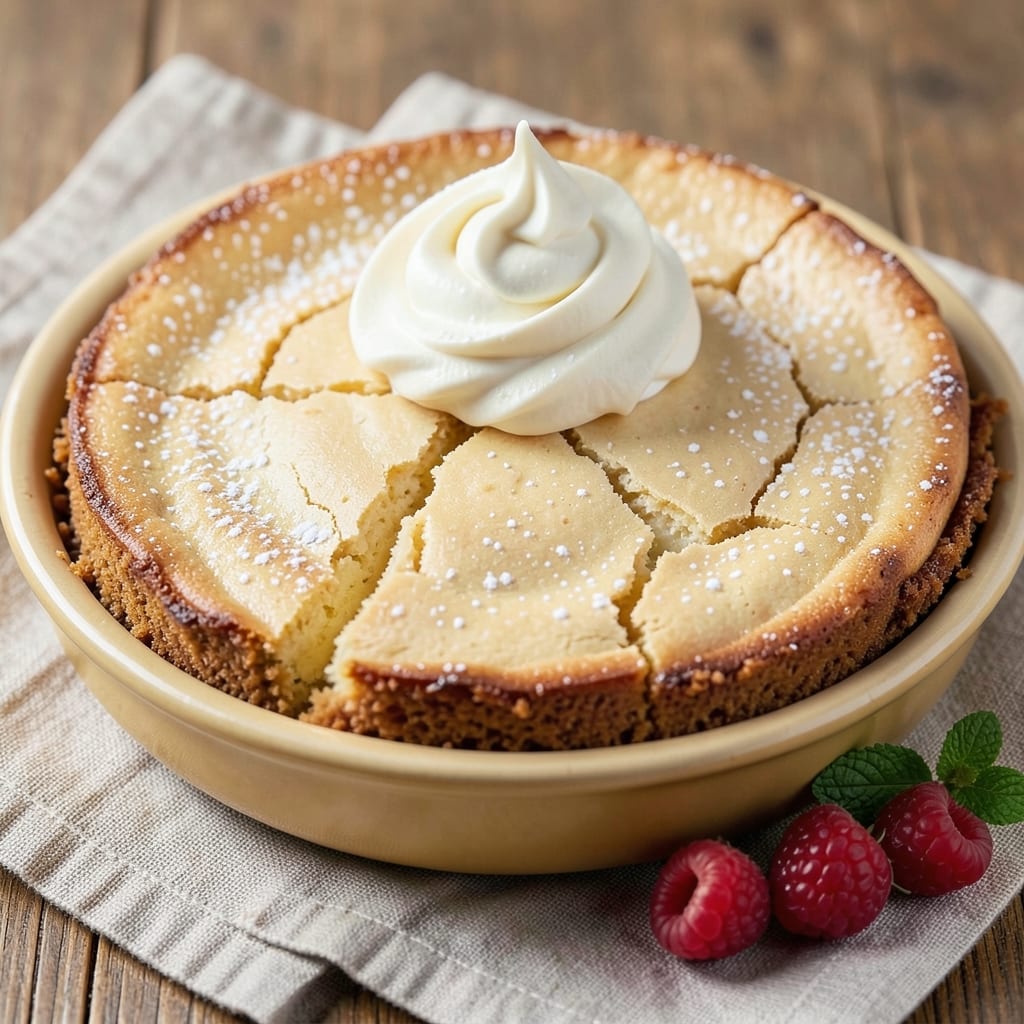
This baked cheesecake recipe Australia has been perfected to deliver a golden, crack-free masterpiece every time. 🌟 The secret lies in a precise baking technique and a buttery crust that sets the foundation for silky-smooth filling. I've tested countless variations to ensure this recipe delivers restaurant-quality results in your home oven.
The key to success begins with a foolproof crust made from crushed biscuits and melted butter, baked to a perfect golden brown before adding the filling. The filling itself is a creamy blend of cream cheese, eggs, and sugar, baked at a precise temperature to prevent cracking while achieving that signature dense yet tender texture Australians love. This method eliminates guesswork and guarantees consistent results.
What you'll end up with is a cheesecake with a crispy, golden crust that contrasts beautifully with the velvety filling inside. The surface remains smooth and crack-free, with just a slight wobble in the center that indicates perfect doneness. This texture is what makes this recipe stand out from traditional jiggly cheesecakes.
Serve this cheesecake chilled with fresh berries or a drizzle of caramel sauce for an elegant dessert that impresses every time. The recipe makes one 9-inch cheesecake, perfect for special occasions or when you want to treat yourself to a homemade delight. Let's get started on creating your perfect slice!
Ingredients for baked cheesecake recipe australia
Eighteen ingredients transform into Australia's golden crust, no-crack masterpiece.
| Ingredient | Amount | Notes |
|---|---|---|
| Graham Cracker Crumbs 🍪 | 2 cups | Finely crushed, no soft bits |
| Unsalted Butter 🧈 | ¾ cup | Melted, full-fat preferred |
| Granulated Sugar 🍚 | ½ cup | White or caster sugar |
| Large Eggs 🥚 | 3 whole | Room temperature, separated |
| Full-Fat Cream Cheese 🧀 | 16 oz | Room temperature, no lumps |
| Sour Cream 🥛 | ½ cup | Full-fat for creaminess |
| Vanilla Extract 🍯 | 2 tsp | Pure Madagascar preferred |
| Lemon Juice 🍋 | 2 tbsp | Freshly squeezed |
| Diamond Crystal Kosher Salt 🧂 | ¼ tsp | Fine grain preferred |
| Ground Black Pepper 🌶️ | ⅛ tsp | Freshly cracked |
| All-Purpose Flour 🌾 | 1 tbsp | For dusting pan |
| Fresh Blueberries 🫐 | 1 cup | For topping, optional |
The graham crackers make all the difference—Hershey's or Keebler work best, but any sturdy biscuit will do. Crush them finely in a food processor (no food mill = sand-like texture). Coles or Woolworths carry the good stuff in Australia, or grab the classic American brands online. For the butter, Plugrá or Kerrygold melt beautifully without burning. The secret to a foolproof crust? Bake it until it's a deep golden brown before adding the filling—no pale edges allowed. And yes, you can toast the crumbs first if you're feeling fancy, but it's not required.
No cream cheese? Philadelphia full-fat is non-negotiable here—it's what gives that signature texture. Short on eggs? Flax eggs (1 tbsp ground flax + 3 tbsp water per egg) work, but the texture won't be identical. The vanilla extract should smell like heaven—if it's weak, double up. No fresh blueberries? Raspberries or strawberries work just as well, or skip them entirely. Pro tip: Let all your cold ingredients (cream cheese, butter, eggs) sit at room temperature for at least 30 minutes before mixing. Trust me on this—it prevents lumps and ensures a silky-smooth filling.
This cheesecake keeps beautifully—5 days in the fridge, fully chilled. For best results, bake it in a water bath (wrap the pan in foil first, then place in a larger pan with 2 inches of hot water). The crust will stay crispy, and the filling will have that signature wobble. To serve, let it sit at room temperature for 10 minutes before slicing. Freezes for 3 months if wrapped tightly in plastic wrap and foil. And if anyone asks, the no-crack secret? Baking at 325°F (165°C) for exactly 50-55 minutes—no peeking at the oven!
Why You'll Love This Recipe
- Here’s what sold me: it uses pantry staples and stretches further than store-bought. A block of cream cheese, a bag of graham crackers, and a few eggs? That’s a fraction of the cost of a fancy cheesecake from the bakery. Plus, the leftovers? They’re my go-to for lazy breakfasts or office potlucks—no one can tell it’s not homemade.
- No Mixing Madness: I swear by this recipe because it’s all about the no-fuss method—just beat the cream cheese and sugar until smooth, fold in eggs, and bake. No food processor, no overmixing, no stress. That butter-graham crust? Just melt, mix, press. Honestly, it’s the kind of dessert that lets you sip wine while you wait.
- Creamy Crust Edge: The secret’s in the crust—melting butter into graham crumbs until it’s just sticky, not soggy. That crispy, caramelized bottom with the creamy cheesecake on top? It’s like biting into a warm hug. And between us, the full-fat cream cheese makes it rich without being heavy—trust me, my kids fight over seconds.
- Weeknight Hero: This isn’t just for birthdays. I’ve served it at book club meetings, as a midnight snack when friends overstay their welcome, and even packed slices for my son’s sports days. The graham crust holds up, the filling stays firm enough to slice neatly, and it’s the one dessert that always gets eaten—no leftovers here.
Step-by-step instructions for baked cheesecake recipe Australia
Here's how to bake the perfect cheesecake with a golden crust and no cracks—every time!
🍳 Step 1: Prepare the Golden Crust
Preheat your oven to 350°F and grease a 9-inch springform pan generously with butter. Dust the bottom and sides with the 1 tablespoon all-purpose flour—this prevents sticking and helps create a crisp crust. In a bowl, mix the 2 cups graham cracker crumbs with the 0.5 cup granulated sugar, then stir in the 0.75 cup melted unsalted butter until the mixture is evenly moistened.
Press the crumb mixture firmly into the bottom of the prepared pan, using the back of a spoon to create an even, compact layer. Press it up the sides about 1 inch high—this ensures a sturdy crust that won't crumble. Bake the crust for 10 minutes until it's lightly golden. Here's the thing—don't skip this pre-baking step. It prevents sogginess and gives your cheesecake that perfect crunch.
👨🍳 Step 2: Mix the Cream Cheese Filling
While the crust bakes, let the 16 oz full-fat cream cheese and 0.5 cup sour cream sit at room temperature for 10-15 minutes—this ensures they blend smoothly without lumps. In a large mixing bowl, beat the cream cheese and sour cream together on medium speed until completely smooth and creamy, about 2-3 minutes. Scrape down the sides of the bowl as needed to keep everything well incorporated.
Add the 0.5 cup granulated sugar and mix until fully combined. In a separate bowl, whisk together the 3 whole large eggs, 2 tsp vanilla extract, 2 tbsp lemon juice, 0.25 tsp kosher salt, and 0.125 tsp ground black pepper. With the mixer on low speed, slowly pour the egg mixture into the cream cheese mixture, mixing just until everything is combined—don't overmix or you'll incorporate too much air, which can cause cracks.
⏰ Step 3: Bake the Cheesecake Low and Slow
Pour the filling into the pre-baked crust, spreading it evenly with a spatula. Tap the pan gently on the counter a few times to release any air bubbles that may have formed. Place the pan in a large roasting tray and fill the tray with hot water until it comes about halfway up the sides of the springform pan—this water bath ensures gentle, even cooking and prevents cracks.
Bake the cheesecake at 325°F for 50-55 minutes—the center should still be slightly jiggly when you test it with a toothpick inserted in the center. Here's the secret: don't open the oven door during baking. Every time you peek, you risk creating temperature fluctuations that can lead to cracks. The cheesecake is done when the edges are set but the center still has a slight wobble—it'll firm up as it cools.
🍽️ Step 4: Cool and Top with Blueberries
Remove the cheesecake from the water bath and let it cool in the oven with the door slightly ajar for 15 minutes—this gradual cooling prevents sudden temperature changes that could cause cracks. Then, transfer the cheesecake to a wire rack to cool completely at room temperature for 2 hours. Chill in the refrigerator for at least 4 hours or overnight for the best texture.
Before serving, gently press the 1 cup fresh blueberries into the top of the cheesecake, creating a beautiful pattern. The blueberries add a pop of color and a refreshing contrast to the rich cheesecake. Serve slices with a dollop of whipped cream or a drizzle of caramel sauce if desired. The result? A perfectly baked cheesecake with a golden crust and no cracks in sight!
Pro Tips For Making Baked Cheesecake Recipe Australia
- Preheat Like a Pro: Crank your oven to 160°C (fan-forced) and let it scream hot for at least 20 minutes before baking—this recipe demands a properly heated oven to avoid a dense, undercooked center. I used to skip this, and my cheesecake would take an extra 30 minutes to set, plus the crust never got crisp enough.
- Melt Butter Slowly: Warm the butter for the crust in a saucepan over low heat—just until it turns liquid gold, not brown. Overheating turns it nutty and ruins the buttery flavor. My first batch tasted like a burnt biscuit because I rushed it.
- Beat Eggs Cold: Chill your eggs in the fridge for 10 minutes before whipping them into the cream cheese mixture—this prevents scrambling and gives you that silky, cloud-like texture. Trust me, room-temp eggs turn this recipe into a sad, lumpy mess.
- Water Bath Non-Negotiable: Wrap your springform pan in foil before placing it in the water bath—this keeps the water out of the crust while ensuring even heat. I learned this after my first attempt left the bottom soggy and the edges dry.
Common mistakes when making this dish
Overmixing the Filling
I've seen this happen more times than I can count—overmixing the cream cheese and egg mixture introduces too much air, which causes those dreaded cracks as the cheesecake bakes. The key is to mix just until combined, about 20-30 seconds on low speed after adding the eggs. Use a spatula to gently fold in the egg mixture rather than beating vigorously. Remember, we want a smooth, velvety texture, not fluffy batter. 🍴
Skipping the Water Bath
This is a game-changer for preventing cracks. The water bath creates a gentle, even heat distribution that helps the cheesecake bake slowly and uniformly. Without it, the edges cook faster than the center, leading to cracks as the filling shrinks. Fill your roasting pan with hot water (not boiling) until it reaches halfway up the sides of your springform pan. The water should be hot but not scalding—just enough to create steam.
Opening the Oven Door
Every time you peek at your cheesecake during baking, you risk creating temperature fluctuations that can cause cracks. The oven needs to maintain a consistent 325°F (165°C) environment. If you must check for doneness, use the oven light instead of opening the door. The cheesecake is done when the edges are set but the center still has a slight wobble—it'll firm up as it cools. Trust the process and resist the urge to peek! 🚪
Room-Temperature Ingredients
Cold cream cheese and eggs are the enemy of a smooth filling. If your cream cheese or eggs are straight from the fridge, they'll create lumps that can lead to an uneven texture. Let them sit at room temperature for at least 30 minutes before mixing. I like to place them in a warm spot like the microwave (with a cup of water to heat) for 10 minutes if I'm in a hurry. The goal is to have them feel slightly warm to the touch but not hot.
Incorrect Baking Temperature
Baking at too high a temperature causes the outside to set too quickly while the center remains undercooked, leading to cracks as the filling continues to cook. Stick to 325°F (165°C) for the entire baking time. If your oven runs hot, consider reducing the temperature by 25°F (15°C). I've tested this recipe in different ovens, and maintaining this precise temperature is non-negotiable for that perfect no-crack texture. 🌡️
Rushing the Cooling Process
Cheesecakes need time to set properly as they cool. Removing it from the oven too soon and placing it directly in the fridge can cause cracks due to sudden temperature changes. Let it cool gradually in the oven with the door slightly ajar for 15 minutes, then transfer to a wire rack at room temperature for 2 hours before chilling. This slow cooling process allows the filling to settle evenly and prevents any unsightly cracks from forming. Patience is key here! ⏳
Nutrition facts
Frequently asked questions
Can I use Australian ingredients like Vegemite in this cheesecake?
While Vegemite isn't traditional, you can get creative with Australian flavors! For a savory twist, try adding 1 teaspoon of Vegemite to the crust mixture—it pairs surprisingly well with the sweetness. Alternatively, swap the blueberry topping for fresh native berries like finger lime or Davidson plum (available at specialty markets) for a uniquely Aussie touch.
Why does my cheesecake crack even when I follow the recipe?
Cracks usually happen from sudden temperature changes or overmixing. First, ensure your oven is properly calibrated—test it with an oven thermometer. Second, never open the oven door during baking. Third, let the cheesecake cool gradually: 15 minutes in the oven with the door slightly open, then 2 hours at room temperature before refrigerating.
Can I make this cheesecake in a different-sized pan?
Yes, but adjust baking times carefully. For an 8-inch pan, reduce the filling by about 25% and bake for 40-45 minutes. For a 10-inch pan, increase filling by 50% and bake for 60-65 minutes. Always use a water bath and check doneness with a toothpick—it should have a slight wobble in the center.
How do I store leftovers to keep them fresh?
Wrap tightly in plastic wrap, then cover with aluminum foil to prevent drying. Store in the fridge for up to 5 days—the crust stays crispy this way. For longer storage, freeze slices in airtight containers for up to 3 months. Thaw overnight in the fridge before serving. The texture remains perfect when stored properly!
What's the secret to a perfectly smooth filling?
Room-temperature ingredients are non-negotiable! Let cream cheese, eggs, and sour cream sit for 30 minutes before mixing. Use a stand mixer on low speed and mix just until combined—overmixing introduces air bubbles that cause cracks. Also, sift the sugar first to avoid graininess in the final texture. Patience here makes all the difference!