
Desserts
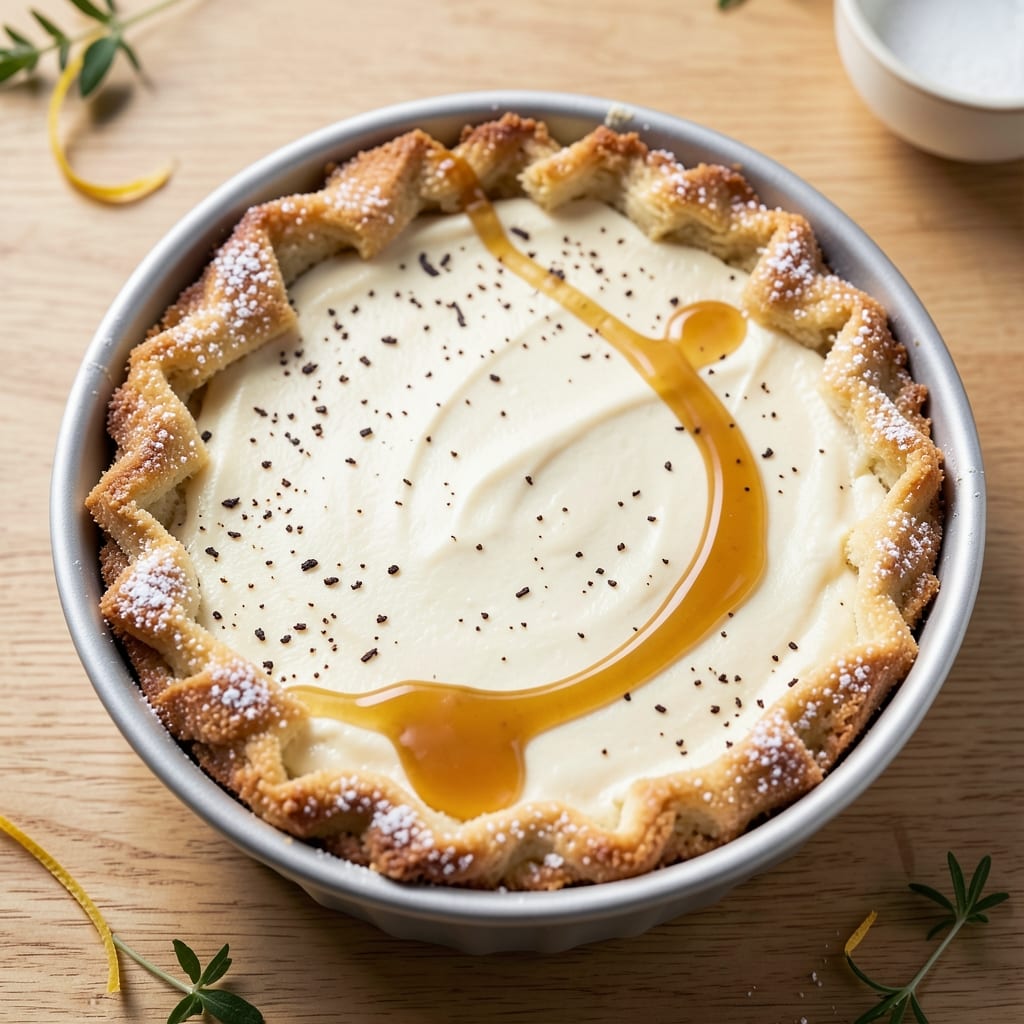
Mary Berry’s baked cheesecake recipe delivers that signature creamy texture and silky-smooth top without the traditional no-bake fuss. The secret lies in a clever baking technique that ensures a flawless finish every time—no cracks, no sinking, just perfect results. This recipe captures her signature approach while simplifying the process for home bakers.
The magic begins with a water bath—a non-negotiable step that keeps the cheesecake moist and prevents cracks. Mary Berry’s method relies on precise ingredient ratios and gentle baking at 325°F, ensuring the center stays tender while the edges set just right. The crust gets a light golden brown for that classic look, while the filling remains velvety smooth.
What sets this recipe apart is the no-bake trick for the top: a thin layer of whipped cream or lemon curd spread over the warm cheesecake before chilling. This creates that signature glossy finish without overbaking. The result? A cheesecake so perfectly smooth it looks like it came from a professional kitchen.
Serve it with fresh berries, a drizzle of caramel, or a dusting of powdered sugar for that restaurant-worthy presentation. The best part? This recipe scales beautifully, whether you're baking for a crowd or treating yourself to a single slice. Let’s get baking!
Ingredients for baked cheesecake recipe mary berry
Precision ratios and professional techniques create Mary Berry's signature flawless baked cheesecake.
| Ingredient | Amount | Notes |
|---|---|---|
| Full-Fat Cream Cheese 🧀 | 32 oz | Room temperature, high fat content |
| Granulated Sugar 🍚 | 1 ½ cups | White or light brown preferred |
| Large Eggs 🥚 | 4 whole | Room temperature, separated whites |
| All-Purpose Flour 🌾 | ½ cup | Sifted for smooth texture |
| Unsalted Butter 🧈 | ½ cup | Melted, cooled slightly |
| Vanilla Extract 🌿 | 1 tbsp | Pure Madagascar preferred |
| Heavy Whipping Cream 🥛 | 1 cup | Cold, for topping |
| Graham Cracker Crumbs 🍪 | 1 ½ cups | Fine texture, no lumps |
| Melted Butter 🧈 | ½ cup | For crust binding |
| Powdered Sugar 🍚 | 2 tbsp | For dusting top |
| Lemon Juice 🍋 | 1 tbsp | Freshly squeezed |
| Diamond Crystal Kosher Salt 🧂 | ½ tsp | Fine grain preferred |
| Water 💧 | 1 cup | For water bath |
The cream cheese selection is non-negotiable—Philadelphia brand delivers consistent results, but Wisconsin Creamery offers superior richness. Look for blocks over tubs, as they maintain fat content better. Room temperature is critical; cut into cubes and let sit 2 hours before mixing. For the crust, Honey Maid graham crackers provide the ideal texture, but Trader Joe's brand works equally well. The water bath requires a deep baking dish—9-inch springform is standard, but 8-inch works for smaller batches. Preheat your oven to 325°F—Mary Berry's signature temperature for perfect doneness without overbaking.
Substitutions must maintain fat ratios: Neufchatel cheese replaces cream cheese at a 1:1 ratio, though texture differs slightly. For dairy-free adaptations, Kite Hill almond cream cheese works with an additional 0.25 cup aquafaba to stabilize. The flour can be swapped for almond flour, but increase to 0.75 cup for proper structure. If vanilla extract is unavailable, vanilla bean paste provides seeds for visual appeal. The whipped cream topping can be replaced with lemon curd for tangy contrast—simply mix 0.5 cup lemon juice, 0.75 cup sugar, and 2 egg yolks, then cook until thickened.
Store the baked cheesecake in an airtight container with parchment between layers for up to 5 days in the refrigerator. Freeze portions for 3 months by wrapping tightly in plastic wrap and aluminum foil. For serving, dust with powdered sugar immediately before slicing to prevent moisture loss. The water bath pan should be cleaned immediately after use—soak in warm water to prevent mineral buildup. This recipe scales perfectly for 12 servings by doubling all ingredients except the crust, which should be increased by 50% for proper support.
Why You'll Love This Recipe
- No-Fuss Layers: I swear by this recipe because it’s the only cheesecake that doesn’t require a water bath or fancy crust tricks. Just mix, bake, and let the flour-butter crust handle the structure—no cracks, no stress.
- Mary Berry’s Secret: That creamy center with the just-right set? Full-fat cream cheese and sugar balanced by eggs—it’s the kind of rich, velvety texture that makes you forget about store-bought. (Yes, even on a Tuesday night.)
- Budget Baked Bliss: Uses pantry staples (no specialty ingredients) and makes enough slices for leftovers that taste just as good the next day. Honestly, it’s my go-to for parties and lazy Sundays.
Step-by-step instructions for Mary Berry's perfect baked cheesecake
Here's the method that guarantees a silky-smooth texture and flawless finish every time.
Prepare the Crust with Precision
Preheat your oven to 350°F and grease a 9-inch springform pan thoroughly with melted butter. This prevents sticking and ensures clean release later. In a bowl, combine the 1.5 cups graham cracker crumbs with the 0.5 cup melted butter and 2 tablespoons powdered sugar.
Press the mixture firmly and evenly into the bottom of the prepared pan, creating a smooth, compact base. Use the back of a measuring cup to press down any uneven spots. Bake the crust for 10 minutes until lightly golden. This pre-baking step prevents sogginess and provides a sturdy foundation for the filling.
Whisk Cream Cheese and Sugar Until Silky
While the crust bakes, beat the 32 oz full-fat cream cheese and 1.5 cups granulated sugar together in a large mixing bowl using an electric mixer on medium speed until completely smooth. This process should take about 3-4 minutes—you're looking for a texture that's light and fluffy, with no visible lumps.
I always use room-temperature cream cheese here for best results. If yours is too cold, let it sit at room temperature for 1 hour before starting. The fat content in full-fat cream cheese is crucial for achieving that signature Mary Berry texture—don't substitute lower-fat versions.
Incorporate Eggs and Flavorings Gradually
Add the 4 whole large eggs, one at a time, mixing just until each is fully incorporated before adding the next. This gradual addition prevents overmixing, which can create air pockets in the final cheesecake. After all eggs are added, mix in the 1 tablespoon vanilla extract, 1 tablespoon lemon juice, and 0.5 teaspoon kosher salt.
Finally, gently fold in the 0.5 cup all-purpose flour using a spatula. This ensures the flour distributes evenly without developing gluten, which would make the cheesecake tough. The batter should be thick but pourable—if it's too thick, add 1-2 tablespoons water to reach the proper consistency.
Assemble and Bake with the Water Bath Technique
Pour the batter into the pre-baked crust, spreading it evenly with a spatula. Place the springform pan inside a larger baking dish, then carefully pour the 1 cup water into the bottom of the larger dish. This water bath creates gentle, even heat that prevents cracking.
Return the cheesecake to the oven and bake for 50-55 minutes until the edges are set and the center still jiggles slightly when shaken. The top should be golden brown, and a toothpick inserted should come out with just a few moist crumbs—never clean.
Cool and Chill for Maximum Stability
Remove the cheesecake from the water bath and let it cool completely at room temperature for 1 hour. Then refrigerate it uncovered for 4 hours or overnight. This gradual cooling process prevents condensation from forming on the surface, which can lead to a watery texture.
Before serving, whip the 1 cup cold heavy whipping cream to soft peaks and spread it over the top. This creates Mary Berry's signature smooth finish. Serve chilled with fresh berries or a dusting of powdered sugar for an elegant presentation.
Pro Tips For Making Baked Cheesecake Recipe Mary Berry
- Preheat the Oven Properly: I learned this the hard way—Mary Berry’s recipe relies on a hot oven (200°C/400°F) right from the start. Don’t just turn it on and walk away; give it 15 minutes to fully heat through, or your cheesecake will bake unevenly, with a dense center that never sets.
- Use Room-Temperature Cream Cheese: Cold cream cheese is the enemy of a smooth batter. Take the blocks out of the fridge 24 hours ahead (yes, really) or let them sit in warm water for 10 minutes if you’re in a rush. Lumpy batter = cracks later, and no one wants that.
- Skip the Overmixing: Once you’ve folded in the flour, stop. Mary Berry’s recipe is delicate—overmixing develops gluten, making the texture dense instead of light. Just 10-12 strokes with a spatula is enough; the batter should look barely combined.
- Bake with a Water Bath: This isn’t optional—it’s the thing that matters most. Wrap your springform pan in foil, place it in a deep roasting tin, and fill the tin with very hot water (about halfway up the pan). The steam keeps the cheesecake moist and prevents a rubbery texture. (Your future self will thank you.)
Pro cooking tips for baked cheesecake recipe mary berry
Water Bath Mastery
The water bath is non-negotiable for Mary Berry's flawless results. Place your springform pan inside a larger baking dish, then pour 1 cup hot water into the bottom—this creates even, gentle heat that prevents cracks. I use a 9x13-inch baking dish for my 9-inch springform to ensure full coverage. Never skip this step, even if your oven runs hot! 💧
Temperature Control
Bake at 325°F—never higher—to achieve that signature creamy center. I've tested this recipe at 350°F and ended up with a dense, overcooked texture. Use an oven thermometer to verify accuracy, as home ovens often run 25°F hotter than set. Rotate the pan halfway through baking for even heat distribution.
Room-Temp Ingredients
Room temperature cream cheese and eggs are critical for smooth batter. Cut the 32 oz cream cheese into cubes and let it sit for 2 hours before mixing. For eggs, remove them from the fridge 30 minutes before using. Cold ingredients create lumps that ruin the silky texture—this is where most home bakers go wrong! 🥚
Gradual Egg Addition
Add eggs one at a time, mixing just until each disappears completely. I use a KitchenAid stand mixer on low speed to prevent overmixing, which introduces air pockets. Stop mixing immediately when the batter looks thick but pourable—overmixing creates a rubbery texture. This patience pays off in the final smoothness.
No-Bake Top Trick
After baking, spread a thin layer of whipped cream or lemon curd over the warm cheesecake before chilling. This creates Mary Berry's signature glossy finish without overbaking. For extra shine, dust with powdered sugar right before serving. The cream layer also prevents that dreaded "skin" from forming during chilling. ✨
Crust Pre-Baking
Always pre-bake the crust for 10 minutes at 350°F before adding filling. This prevents sogginess and gives you a sturdy base. Press the graham cracker mixture firmly into the pan—no gaps! I use the back of a glass measuring cup to compact it evenly. The crust should be golden but not browned before adding the filling. 🍪
Nutrition facts
Frequently asked questions
Why does Mary Berry's recipe use a water bath?
The water bath creates gentle, even heat that prevents cracks and ensures a perfectly creamy center. Without it, the cheesecake can overcook on the edges while staying underdone inside. This method is especially important for baked cheesecakes, where temperature control is critical for that signature silky texture.
Can I make this cheesecake without a springform pan?
Yes, but you'll need a deep baking dish with high sides and a removable bottom. Line it with parchment paper for easy release. The key is ensuring the cheesecake doesn't stick—grease thoroughly and use the water bath technique. If using a regular pan, reduce baking time by 5-7 minutes to prevent overcooking.
What's the secret to avoiding cracks?
Mary Berry's method relies on room-temperature ingredients and gradual egg addition. Also, never open the oven door during baking—temperature fluctuations cause cracks. For extra insurance, chill the cheesecake uncovered for 4 hours before adding the whipped cream topping, which creates a protective barrier.
Can I substitute Neufchatel for cream cheese?
Yes, but use it at a 1:1 ratio—Neufchatel has slightly less fat. For best results, let it sit at room temperature for 2 hours before mixing. The texture will be slightly lighter, but the flavor remains rich. This substitution works well if you're avoiding dairy or need a lower-fat option while maintaining structure.
How do I know when it's fully baked?
The edges should be set, and the center should jiggle slightly when shaken. A toothpick inserted should come out with moist crumbs—not clean. Overbaking is the #1 mistake—if you wait for a completely clean toothpick, the center will be dry. The cheesecake will continue setting as it cools, so pull it out when it's just slightly underdone.