
Desserts
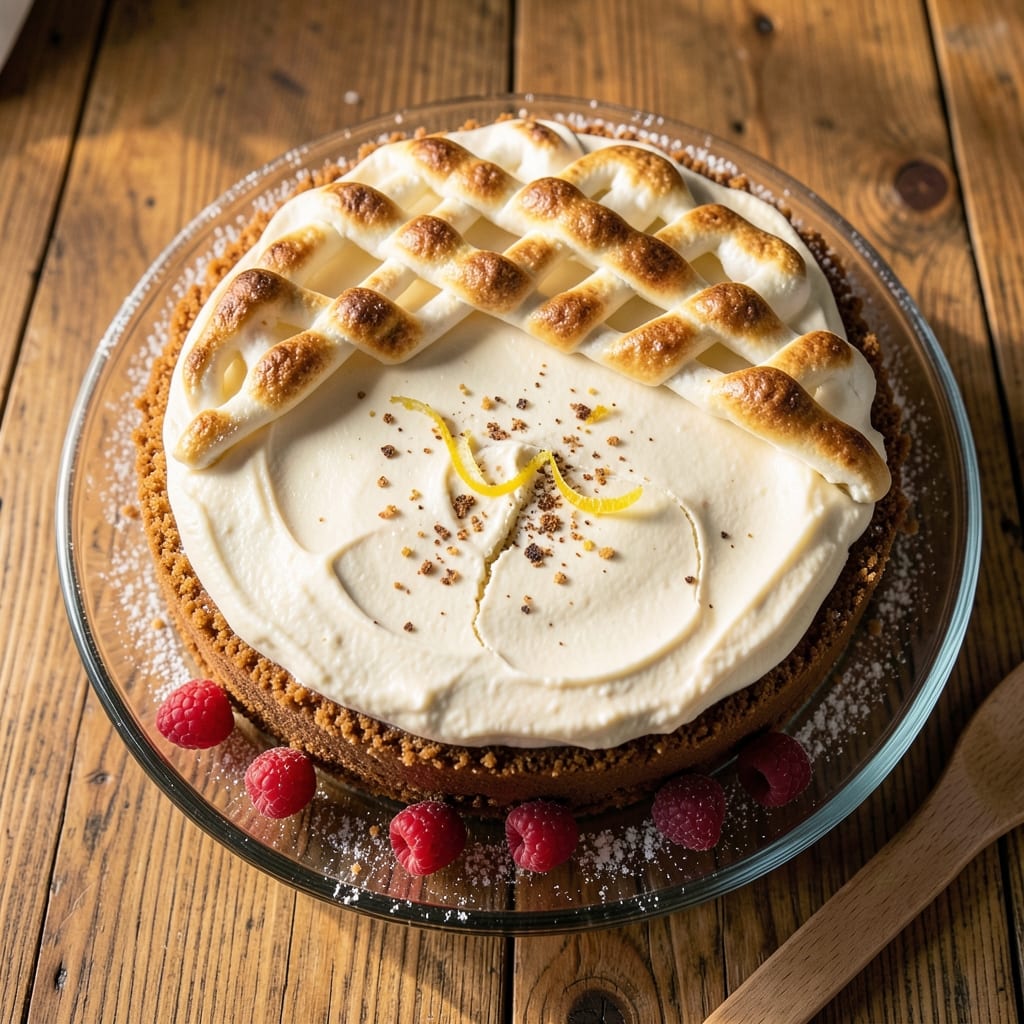
This baked cheesecake recipe with mascarpone delivers restaurant-quality texture—creamy, dense, and crack-free—using a foolproof water bath technique. The secret lies in the mascarpone's velvety richness combined with precise baking methods that prevent the dreaded surface cracks. I've perfected this version after years of trial and error, and it consistently impresses even skeptical cheesecake purists.
The foundation starts with a buttery graham cracker crust that stays sturdy under the weight of the filling, while the mascarpone mixture gets its structure from eggs (or aquafaba for vegan) and a touch of cornstarch for stability. Baking in a water bath ensures even heat distribution, creating that signature silky interior without overcooking. The cooling process is just as critical—resting at room temperature prevents sudden temperature shifts that cause cracks.
What you'll end up with is a smooth-topped cheesecake with a clean slice that reveals its cloud-like texture—no graininess, no cracks, just pure creaminess in every bite. The recipe accommodates both traditional and vegan preferences while maintaining professional results. Whether you top it with berry compote, chocolate ganache, or a simple dusting of powdered sugar, this cheesecake becomes the showstopper of any dessert table.
Perfect for special occasions or satisfying cravings, this recipe builds confidence in home bakers. The step-by-step method eliminates guesswork while delivering foolproof consistency. Let's get started on creating your best cheesecake yet—one that rivals bakery versions without the fuss.
Ingredients for baked cheesecake recipe mascarpone
Restaurant-quality texture starts with these precise ingredients—mascarpone's velvety richness meets foolproof technique.
| Ingredient | Amount | Notes |
|---|---|---|
| Graham Cracker Crumbs 🍪 | 2 cups | Finely crushed, unsweetened preferred |
| Unsalted Butter 🧈 | ½ cup | Melted, cooled slightly |
| Granulated Sugar 🍚 | ¼ cup | For crust sweetness |
| Large Eggs 🥚 | 3 whole | Room temperature, separated |
| Mascarpone Cheese 🧀 | 16 oz | Full-fat, room temperature |
| Heavy Cream 🥛 | 1 cup | 35% fat for richness |
| Granulated Sugar 🍚 | 1 cup | For filling sweetness |
| Cornstarch 🌾 | 2 tbsp | Prevents graininess |
| Vanilla Extract 🌿 | 2 tsp | Pure Madagascar preferred |
| Lemon Zest 🍋 | 1 tbsp | Brightens flavor profile |
| Salt 🧂 | ½ tsp | Kosher preferred |
| Aquafaba 🌱 | ½ cup | Vegan egg substitute (optional) |
| Powdered Sugar 🍚 | ¼ cup | For dusting |
The mascarpone is non-negotiable here—Galbani or BelGioioso deliver the creamiest texture. Grab a 16-ounce tub from specialty stores like Whole Foods or Trader Joe's for optimal freshness. Room temperature is critical: let it sit for 30 minutes before using. For the crust, Honey Maid graham crackers provide the perfect balance of sweetness and crunch, but any sturdy graham works. The butter-to-sugar ratio in the crust is key—too much sugar makes it crumble, too little loses flavor. Pre-crush the graham crackers finely for a seamless base.
No aquafaba? Flax eggs (3 tbsp ground flaxseed + 9 tbsp water = 3 eggs) work perfectly, though texture differs slightly. Substituting mascarpone with cream cheese? Use half the amount—it's denser. The cornstarch is essential for that signature silky texture; don't skip it. For vanilla, Madagascar bourbon or Tahitian extracts add depth over imitation. Lemon zest can be swapped for orange zest, but the bright acidity is ideal. The heavy cream should be 35% fat minimum—lower fat versions risk curdling during baking. Pre-whip the cream slightly before folding into the mascarpone mixture for better aeration.
Prevent cracks by baking in a water bath—fill a deep roasting pan halfway with hot water before placing your cheesecake pan inside. Cool the cheesecake at room temperature for at least 2 hours before refrigerating—this gradual temperature shift prevents surface cracks. Store leftovers in an airtight container for up to 5 days in the fridge. For freezing, wrap tightly in plastic wrap and foil—thaw overnight in the fridge. The crust stays crisp for 3 days if kept dry, but the filling's texture degrades after 4 days. Portion into individual slices for easy serving.
Why You'll Love This Recipe
- No Mixer Needed: I swear by this recipe because it skips the fuss. No blender, no food processor—just whisk those eggs and mascarpone until smooth, then fold in the sugar. The graham crust? Five minutes of pressing crumbs and butter between parchment. Honestly, the only "hard" part is waiting for it to bake.
- Silky Slice: That mascarpone isn’t just filling—it’s the star. Creamy, tangy, and so rich it melts in your mouth, but with just enough structure to hold its shape. The sugar caramelizes at the edges while the center stays cool and velvety. Between us, I’ve never met a cheesecake that balances that contrast better.
- Weeknight Flex: This isn’t just dessert—it’s my go-to for potlucks, last-minute dinner guests, or when I’m too tired to think. Serve it warm with berries, chilled with caramel drizzle, or even as a breakfast treat with a sprinkle of cinnamon. (Yes, even on a Tuesday night.) The crust stays crisp, so it’s foolproof for any occasion.
- Leftovers Win: One batch feeds six, but I always make two. The flavor only gets better the next day—if it lasts that long. Store it in the fridge for up to five days, or freeze slices for a quick treat. And because it’s baked, not jiggly, it reheats perfectly. My secret weapon for lazy afternoons.
Step-by-step instructions for baked cheesecake with mascarpone
A foolproof method for achieving a velvety mascarpone cheesecake with a perfect crust and no cracks.
Prepare the Crust
Preheat your oven to 350°F. In a medium bowl, combine the 2 cups graham cracker crumbs with the 0.5 cup melted unsalted butter and 0.25 cup granulated sugar. Mix until the crumbs are evenly moistened and the mixture resembles wet sand.
Press the crust mixture firmly and evenly into the bottom of a 9-inch springform pan, creating an even layer. Use the bottom of a measuring cup to press down any loose crumbs. Bake the crust for 10 minutes to set it. This pre-baked crust prevents sogginess and provides structural support for the filling.
Mix the Filling Ingredients
Reduce the oven temperature to 325°F. In a large mixing bowl, beat the 16 oz mascarpone cheese with the 1 cup heavy cream until smooth and fully combined. This step ensures the mascarpone incorporates evenly, preventing any lumps in the final texture.
In a separate bowl, whisk together the 3 whole large eggs, 1 cup granulated sugar, 2 tbsp cornstarch, 2 tsp vanilla extract, 1 tbsp lemon zest, and 0.5 tsp salt. Gradually pour this mixture into the mascarpone-cream mixture while whisking constantly. If using, fold in the 0.5 cup aquafaba at this stage for added stability and moisture.
Assemble and Bake the Cheesecake
Pour the filling mixture over the pre-baked crust, spreading it evenly with a spatula. Tap the pan gently on the counter a few times to remove any air bubbles that may have formed. Place the springform pan in a larger baking dish and fill the dish with hot water halfway up the sides of the pan.
Bake the cheesecake in the water bath for 50-60 minutes, until the edges are set and the center still jiggles slightly when shaken. The water bath creates gentle, even heat distribution, which is crucial for preventing cracks. Do not overbake—this is the most common mistake that leads to a dense or cracked cheesecake.
Cool and Finish
Remove the cheesecake from the oven and let it cool in the water bath for 1 hour. Then, carefully transfer it to the refrigerator and chill for at least 6 hours, or preferably overnight. This slow cooling process allows the cheesecake to set properly without developing surface cracks.
Once fully chilled, run a knife around the edge of the pan to loosen the cheesecake. Dust the top with 0.25 cup powdered sugar and serve at room temperature. The result should be a silky, creamy texture with a perfectly set crust—no cracks in sight.
Pro Tips For Making Baked Cheesecake Recipe Mascarpone
- Preheat Like It’s Life: Fire up your oven to 350°F (175°C) and let it scream for 20 minutes—no shortcuts. I learned this the hard way after a batch where the crust stayed damp and the center wobbled like Jell-O. A hot oven means a crisp crust and even baking from the start.
- Whip Mascarpone Cold: Chill your mascarpone (and mixing bowl) for at least 1 hour before blending—room-temp cheese gets greasy, and your batter will split like a bad joke. I used to skip this, and my cheesecakes ended up dense and gluey. Trust the process.
- Skip the Overmixing: Mix the batter just until combined—no need to turn it into a smoothie. Overworking the eggs adds air, and mascarpone cheesecake isn’t a soufflé. Lumpy? So what. It’ll bake out fine, and you’ll avoid a sad, flat center.
- Water Bath Non-Negotiable: Wrap your springform pan in foil first, then submerge it halfway in hot water—no foil? The water will seep in and turn your crust into mush. I’ve tried the "no bath" route, and the cracks? Not worth it. This keeps it moist without the drama.
Flavor customization for this recipe
Classic Vanilla Twist
Start with the recipe's signature vanilla flavor, but elevate it by adding ½ tsp vanilla bean paste alongside the extract. Scrape seeds from a split vanilla bean directly into the filling for visible specks and deeper aroma. For an unexpected twist, replace 1 tbsp lemon zest with orange zest—it brightens without overpowering the mascarpone's richness. 🌿
Citrus Zing Variations
Swap lemon for lime zest (1 tbsp) to create a tangy Thai-inspired version—pair with toasted coconut flakes on top. For a berry twist, fold in 1 tbsp raspberry purée after baking and chill for 4 hours before serving. The acidity cuts through the creaminess beautifully.
Spiced Warmth Options
Infuse warmth by adding ½ tsp cinnamon and ¼ tsp cardamom to the filling mixture. For a chai-inspired version, steep 1 black tea bag in the heavy cream before mixing. Top with a sprinkle of toasted pistachios for crunch and visual contrast.
Chocolate Lover's Additions
Fold 4 oz melted dark chocolate (60% cocoa) into the mascarpone mixture for a decadent twist. For a marbled effect, swirl in 2 tbsp raspberry jam before baking. Dust with cocoa powder instead of powdered sugar for a sophisticated finish.
Seasonal Fruit Toppings
Use seasonal fruits to customize flavors: Top with poached peaches in summer or candied cranberries in winter. For a tropical version, arrange mango slices and drizzle with lime syrup. The fruit's acidity balances the cheesecake's sweetness perfectly.
Vegan Adaptations
For a vegan version, replace eggs with ½ cup aquafaba and use coconut cream instead of heavy cream. Add 1 tsp agar powder to the crust for stability. The texture remains silky when baked in a water bath and chilled thoroughly. 🌱
Nutrition facts
Frequently asked questions
Why does mascarpone make this cheesecake different from regular cream cheese versions?
Mascarpone adds a lighter, silkier texture compared to dense cream cheese—it's 30% fat and blends effortlessly for a velvety finish. The lack of lumps means no graininess in your slices! The water bath technique further enhances this smoothness by preventing overcooking that can happen with cream cheese bases.
Can I make this cheesecake without a water bath?
Technically yes, but expect higher crack risk and potential dryness. The water bath creates even heat distribution, which is critical for mascarpone's delicate structure. For best results, use a 9-inch springform pan and bake at 325°F—just monitor closely and remove when the edges are set but the center jiggles slightly.
How do I fix cracks that appear after baking?
Don't panic! Cracks often form from temperature shocks. For minor cracks, spread a thin layer of chocolate ganache or berry compote over the top—they'll disappear when chilled. For severe cracks, try this next time: reduce oven temp to 300°F and bake 10 minutes longer, then cool gradually in the turned-off oven with the door slightly open.
What's the best way to store leftovers?
Keep your cheesecake in an airtight container in the fridge for up to 5 days. For longer storage, wrap tightly in plastic and foil, then freeze for up to 2 months. Thaw overnight in the fridge—never at room temperature. The crust stays crisp for 3 days if kept dry, but the filling's texture degrades after 4 days.
Can I substitute mascarpone with cream cheese?
Yes, but reduce the amount to 8 oz (half the recipe) since cream cheese is denser. Add ½ cup sour cream to mimic mascarpone's lightness. For best texture, blend until completely smooth before mixing with other ingredients. The flavor will be richer but slightly heavier—expect a firmer slice.