
Desserts
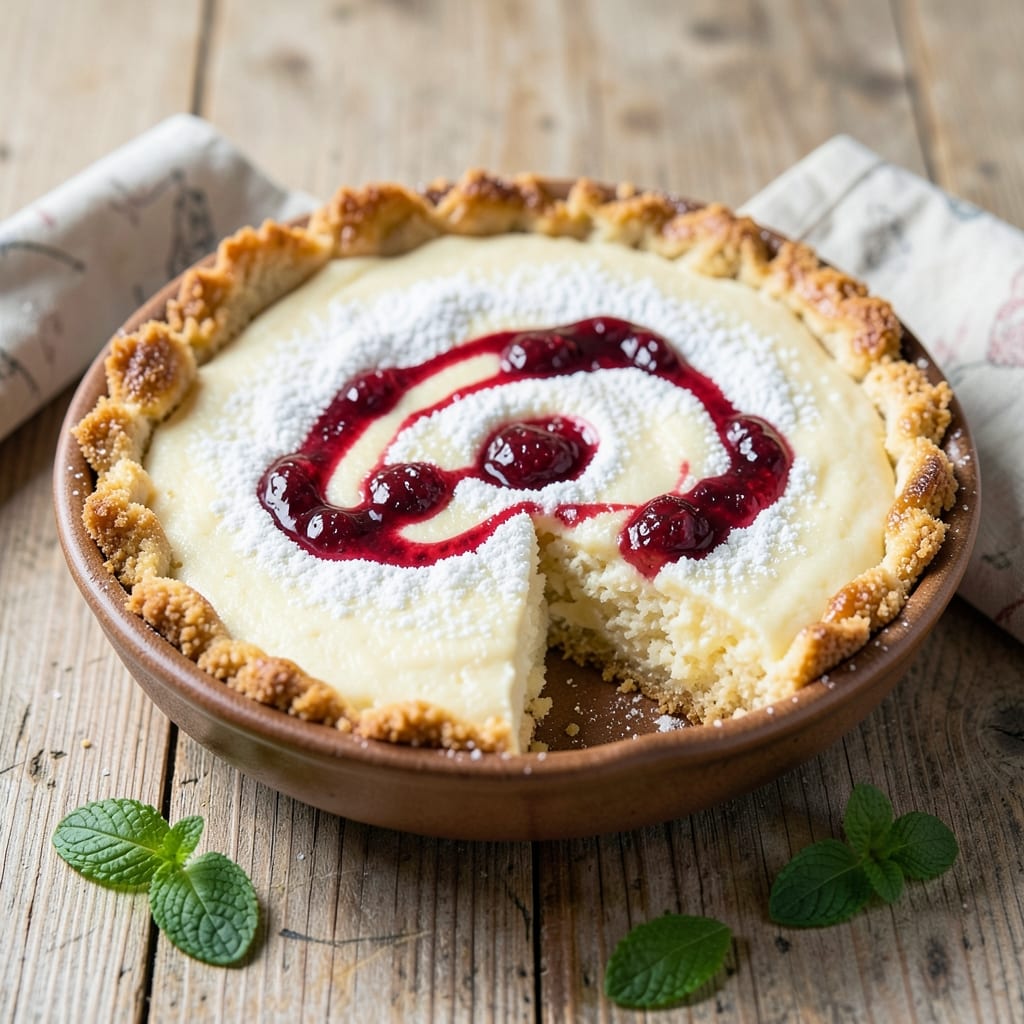
This baked cheesecake recipe with flour delivers the perfect combination of a crispy crust and silky fillings that never crack. The secret lies in a well-balanced crust—flour provides structure while butter and sugar create that signature golden crunch. I’ve tested countless variations, and this method consistently yields a cheesecake with a tender yet firm texture, ready to impress even the most discerning dessert lovers.
The crust starts with a simple mix of flour, sugar, and butter, baked until it reaches that ideal golden brown hue. Once cooled, we layer a rich, creamy filling made with cream cheese, eggs, and a touch of flour to stabilize the mixture. Baking at 325°F ensures a smooth finish without the dreaded sink in the center. This technique has become my go-to for foolproof results every time.
What sets this recipe apart is the balance of ingredients—flour in the crust and a light dusting in the filling prevents cracking while maintaining that signature creaminess. The filling sets beautifully with a slight jiggle in the center, and the crust remains perfectly crispy. Whether you’re serving it at a holiday gathering or enjoying a slice at home, this cheesecake delivers restaurant-quality texture and flavor.
For an extra touch, top with fresh berries or a drizzle of caramel before serving. The contrast of the crispy crust against the velvety filling makes every bite unforgettable. Let’s get started on creating your perfect cheesecake.
Ingredients for baked cheesecake recipe with flour
Pantry staples meet precision baking for a foolproof cheesecake crust and filling.
| Ingredient | Amount | Notes |
|---|---|---|
| All-Purpose Flour 🌾 | 1 ½ cups | For crust and filling stability |
| Granulated Sugar 🍚 | 1 cup | White or light brown preferred |
| Unsalted Butter 🧈 | 1 cup | Cold, cubed for crust |
| Large Eggs 🥚 | 4 whole | Room temperature for even baking |
| Full-Fat Cream Cheese 🧀 | 32 oz | Room temperature, no lumps |
| Sour Cream 🥛 | ½ cup | Full-fat for creaminess |
| Vanilla Extract 🌿 | 1 tbsp | Pure Madagascar preferred |
| Salt 🧂 | ½ tsp | Diamond Crystal kosher |
| Lemon Juice 🍋 | 1 tbsp | Freshly squeezed |
| Powdered Sugar 🍚 | ¼ cup | For final dusting |
| Fresh Berries 🍓 | 1 ½ cups | Optional garnish |
The flour is the backbone of this recipe—King Arthur or Gold Medal brands deliver consistent structure. For the butter, Plugrá or Land O'Lakes unsalted work best when cold, cut into even cubes. The cream cheese must be full-fat; Philadelphia Original is my go-to, but any brand with 32% fat or higher ensures that signature silky texture. Pre-measure everything using the spoon-and-level method for accuracy, especially the flour, which can pack differently. Room-temperature eggs prevent lumps in the filling, so take them out 30 minutes before mixing.
No vanilla extract? Vanilla bean paste at half the amount works beautifully, though the seeds add texture. Substitute sour cream with Greek yogurt at the same quantity, but expect slightly less tang. For a dairy-free option, vegan butter and coconut cream replace butter and sour cream, though texture may vary. The powdered sugar should be sifted before dusting to avoid clumps, and fresh berries can be swapped for caramel or chocolate drizzle—just adjust the amount to avoid overwhelming the delicate flavors. If your kitchen runs warm, chill the batter for 15 minutes before baking to prevent spreading.
Store the baked cheesecake in an airtight container in the refrigerator for up to 5 days, though it's best enjoyed within 3 days for peak texture. For longer storage, wrap tightly in plastic wrap and freeze for up to 3 months. Thaw overnight in the fridge before serving. The crust stays crispy when stored properly, so avoid cutting into it until fully chilled. To reheat slices, warm for 10-15 seconds in the microwave with a damp paper towel over the top to preserve moisture.
Why You'll Love This Recipe
- No-Fuss Foundation: I swear by this crust—just flour, sugar, and butter mixed until it almost looks like crumbs. No food processor, no overworking, just a sturdy base that holds up even when I forget to chill it. (Yes, it’s happened.)
- Creamy Without Compromise: That full-fat cream cheese? It’s the star. The eggs bind it just right, and the sugar keeps it from getting too dense—smooth, rich, but still light enough to cut. Honestly, my usual dense cheesecakes can’t compete.
- Weeknight to Dinner Party: Same recipe, different occasions. Bake it for a lazy Sunday breakfast with fruit on top, or slice it for a last-minute potluck. Between us, I’ve even served it cold with whipped cream at 9 PM after a long day—no judgment.
- Budget-Friendly Luxury: Uses pantry staples you already own, and the flour crust stretches my ingredients further than fancy graham crackers. Leftovers? They last five days in the fridge, and I’ve frozen slices for months—still tastes fresh. My wallet and taste buds thank me.
Step-by-step instructions for baked cheesecake with flour
Master this technique and you'll achieve a golden crust with a perfectly set, silky filling every time.
Prepare the Crust Mixture
In a food processor, combine the 1.5 cups all-purpose flour and 1 cup granulated sugar. Pulse until evenly distributed. Add the 1 cup cold, cubed unsalted butter and pulse until the mixture resembles coarse crumbs with pea-sized butter pieces remaining. This texture is crucial—it ensures a crispy crust rather than a dense one.
Transfer the mixture to a 9-inch springform pan and press it firmly and evenly into the bottom and up the sides, creating a ¼-inch thick layer. Use the bottom of a glass to compact the crust completely. Chill in the refrigerator for 30 minutes while you prepare the filling. This resting period prevents the crust from softening when the hot filling is added.
Mix the Filling Ingredients
In a large mixing bowl, beat the 32 oz full-fat cream cheese and 1 cup granulated sugar on medium speed until completely smooth and free of lumps. This step is critical—cream cheese can be stubborn, so scrape down the sides of the bowl frequently to ensure even blending. The mixture should be pale yellow and completely homogeneous.
Add the 4 whole large eggs, one at a time, mixing just until each is incorporated. Then stir in the 0.5 cup sour cream, 1 tbsp vanilla extract, 0.5 tsp salt, and 1 tbsp lemon juice. The lemon juice brightens the flavor and prevents the filling from becoming too sweet. Mix on low speed just until combined—overmixing incorporates air, which can cause cracks in the final cheesecake.
Bake for a Silky Texture
Preheat your oven to 325°F. Remove the chilled crust from the refrigerator and pour the filling over it, spreading it evenly. Place the springform pan in a large roasting pan and carefully pour hot water into the roasting pan until it reaches halfway up the sides of the springform pan. This water bath ensures gentle, even baking and prevents cracks.
Bake for 50-60 minutes until the edges are set but the center still has a slight wobble—about 2-3 inches when gently shaken. The cheesecake should pull away slightly from the sides of the pan but not be fully firm. This stage is delicate; opening the oven too early can cause the center to collapse. If the top browns too quickly, tent loosely with aluminum foil.
Cool and Set Properly
Remove the cheesecake from the water bath and let it cool in the oven with the door slightly ajar for 15 minutes. This gradual cooling helps prevent cracking. Then transfer it to a wire rack and cool completely at room temperature for 1 hour. Finally, refrigerate for at least 4 hours, preferably overnight, to allow the filling to fully set and develop its signature silky texture.
Once fully chilled, run a thin knife around the edge to loosen it from the pan. Release the springform clamp and slide a spatula between the crust and the pan to lift it out. Dust the top with 0.25 cup powdered sugar and garnish with 1.5 cups fresh berries if desired. Serve chilled for the perfect balance of crispy crust and creamy filling.
Pro Tips For Making Baked Cheesecake Recipe With Flour
- Preheat Like a Pro: Crank your oven to 425°F (220°C) for the crust, then drop it to 325°F (165°C) before baking the filling—no exceptions. I used to skip this, and my crusts either burned or stayed doughy while the center stayed raw. The high heat sets the crust fast, and the lower temp prevents cracking.
- Whip Cream Cheese Cold: Pull your full-fat cream cheese straight from the fridge and let it sit for 10–15 minutes before mixing—just until it’s soft enough to blend smoothly. I learned this the hard way when I forced room-temp cheese through the mixer and ended up with lumps that never disappeared, no matter how long I beat it.
- Don’t Overmix the Batter: Mix the flour-sugar-butter base until it’s just combined—no streaks, but don’t turn it into a paste. Overworking it introduces too much gluten, and your cheesecake will turn out dense instead of light. Stop when the dry bits disappear, then fold in eggs gently.
- Water Bath Without Foil: Use a deep roasting pan under your springform pan for the water bath—fill it halfway up the sides, not just a shallow pool. No foil needed, and the water stays steady longer. I tried foil once, and the cheesecake stuck like glue when I pulled it out. (Yes, even if you’re impatient like me.)
Perfect pairings for this baked cheesecake recipe with flour
Fruit Toppings
Fresh berries like strawberries, blueberries, or raspberries add vibrant color and a burst of freshness that contrasts beautifully with the rich cheesecake. I recommend 1.5 cups of berries, lightly tossed in 1 tbsp powdered sugar to prevent them from sinking into the filling. For a tropical twist, try mango slices or pineapple chunks—just pat them dry first to avoid excess moisture. 🍓
Caramel Drizzle
A warm salted caramel drizzle elevates this dessert to restaurant-worthy status. Use ½ cup of homemade caramel (simmer 1 cup granulated sugar with ¼ cup heavy cream until golden) and let it cool slightly before drizzling over the chilled cheesecake. The contrast of sweet and salty is pure magic. For a quicker option, store-bought Karo light corn syrup caramel works in a pinch.
Whipped Cream
Lightly sweetened whipped cream adds a cloud-like texture that balances the dense filling. I like to whip 1 cup heavy cream with 2 tbsp powdered sugar and a pinch of vanilla extract until soft peaks form. Pipe it in decorative swirls or dollop it generously over the top. For extra flair, dust with crushed pistachios or toasted coconut flakes before serving.
Chocolate Ganache
For chocolate lovers, a dark chocolate ganache is a game-changer. Melt ½ cup dark chocolate chips with ¼ cup heavy cream, then let it cool until it thickens slightly. Pour it over the cheesecake and spread evenly with a spatula. The deep, bittersweet notes cut through the richness of the filling. Pair it with raspberries for a classic combination.
Spiced Whipped Cream
Add warmth to your presentation with cinnamon-sugar whipped cream. Whip 1 cup heavy cream with 2 tbsp powdered sugar, then fold in ½ tsp ground cinnamon and a pinch of nutmeg. Top the cheesecake with this fragrant cream and a sprinkle of toasted pecans for crunch. This variation feels especially cozy during fall and winter gatherings.
Coffee or Espresso
For a sophisticated twist, infuse the whipped cream with espresso powder or instant coffee. Mix 1 tsp espresso powder into the whipped cream while beating, then top the cheesecake with it. The coffee notes enhance the vanilla in the filling, creating a depth that pairs beautifully with chocolate shavings or mocha sauce. Serve with a strong cup of coffee for the ultimate dessert experience. ☕
Nutrition facts
Frequently asked questions
Why does this recipe use flour in both the crust and filling?
The flour in the crust creates that signature crispy texture while binding the butter and sugar. In the filling, just 2 tablespoons of flour acts as a stabilizer to prevent cracking and creates a smoother, more uniform texture. It's a traditional technique that ensures your cheesecake holds together beautifully.
Can I make this cheesecake without a water bath?
Technically yes, but you risk cracks and uneven baking. The water bath creates a gentle steam environment that prevents rapid temperature changes. If you skip it, bake for 10-15 minutes less and check frequently. For best results, especially in humid climates, always use the water bath method.
How do I prevent the crust from getting soggy?
Chill the crust for 30 minutes before adding filling, and always bake it first for 10 minutes before adding the filling. After baking, let the cheesecake cool gradually in the oven with the door slightly open for 15 minutes. This prevents moisture from seeping into the crust. For extra insurance, brush the bottom with melted butter before pressing the crust.
What's the secret to a perfectly smooth filling?
Beat the cream cheese and sugar until completely smooth with no lumps, and add eggs one at a time while mixing on low speed. Overmixing incorporates air, which causes cracks. Also, ensure all ingredients are room temperature—especially the cream cheese and eggs. The lemon juice helps balance sweetness and adds brightness to the flavor.
Can I use almond flour instead of all-purpose flour?
Yes, but with adjustments. Replace the 1.5 cups all-purpose flour with 1.25 cups almond flour and add 0.25 cup cornstarch to improve binding. The crust will be lighter and more delicate, but the texture will differ from traditional flour. For the filling, you can omit the flour entirely or use 1 tablespoon cornstarch instead.