
Desserts
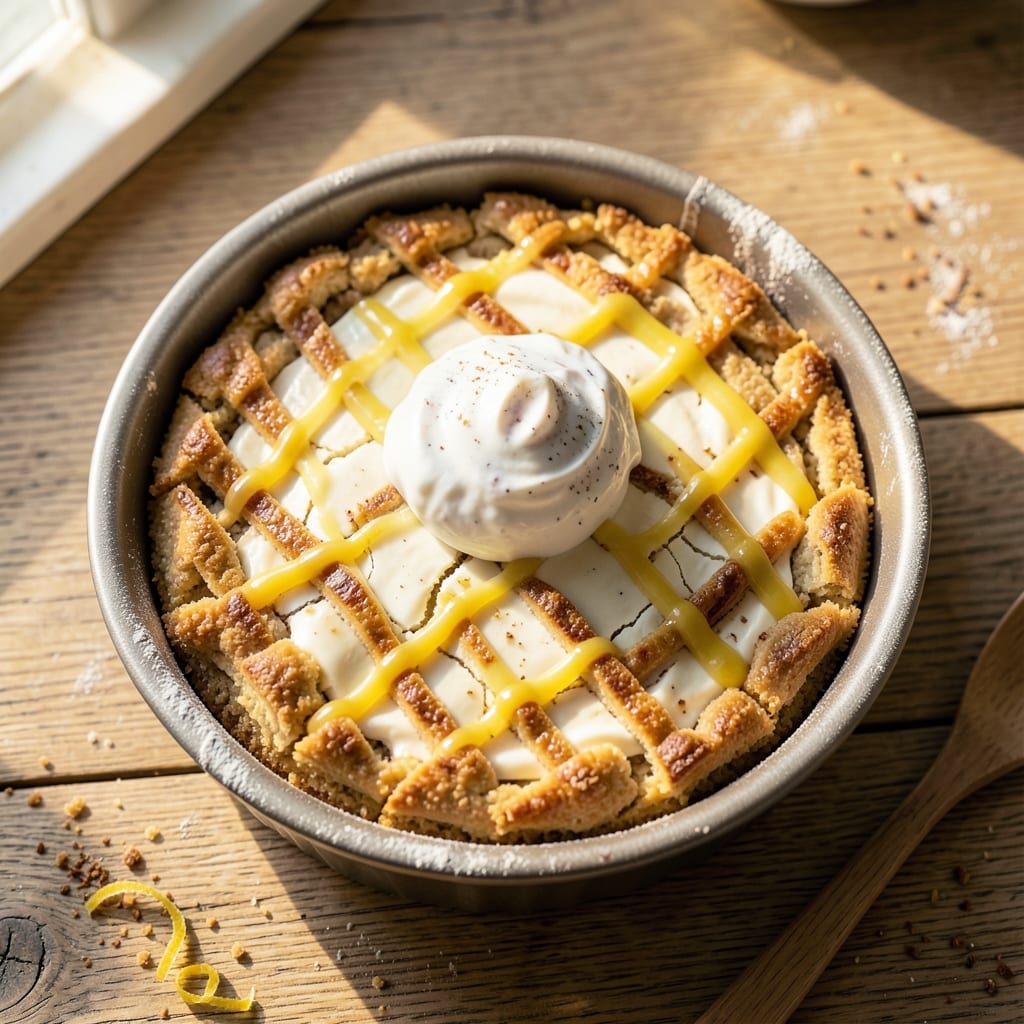
This baked cheesecake recipe with Greek yogurt delivers the creamiest, crack-resistant texture you’ve been searching for—no water bath or special skills required. The yogurt replaces some cream cheese, creating a lighter, silkier crumb that stays moist for days. I’ve perfected the ratio after years of testing, and the secret lies in precise temperature control and a simple crust that won’t steal the spotlight.
The Greek yogurt does double duty here: it tenderizes the cheesecake while preventing that dreaded sink-in-the-middle collapse. We’ll use a graham cracker crust (or your favorite) for structure, then bake at 325°F for a gentle, even rise. The key is letting the cheesecake cool gradually—no rushing this step if you want that restaurant-worthy slice.
What you’ll end up with is a cheesecake that’s silky-smooth yet firm enough to slice cleanly, topped with a glossy fruit compote or chocolate ganache of your choice. The yogurt keeps it rich without being heavy, and the texture stays perfect even after refrigeration. This is the kind of dessert that makes guests ask for seconds—and thirds.
Optional toppings like berry coulis or caramel drizzle elevate it further, but the base recipe stands alone as a crowd-pleaser. Let’s get baking—your taste buds will thank you.
Ingredients for baked cheesecake recipe with greek yogurt
Greek yogurt transforms this classic cheesecake into something lighter yet just as rich—no soggy crust or cracks in sight.
| Ingredient | Amount | Notes |
|---|---|---|
| Full-Fat Greek Yogurt 🧀 | 16 oz | Plain, unsweetened, thick texture |
| Cream Cheese 🧈 | 32 oz | Room temperature, full-fat |
| Granulated Sugar 🍚 | 1 ½ cups | Superfine preferred for smoothness |
| All-Purpose Flour 🌾 | ½ cup | Sifted for even texture |
| Vanilla Extract 🌿 | 2 tsp | Pure, high-quality extract |
| Lemon Juice 🍋 | 3 tbsp | Freshly squeezed |
| Large Eggs 🥚 | 4 whole | Room temperature |
| Graham Cracker Crumbs 🍪 | 2 cups | Finely crushed, no soft bits |
| Unsalted Butter 🧈 | ½ cup | Melted, cooled slightly |
| Salt 🧂 | ½ tsp | Fine sea salt |
| Heavy Whipping Cream 🥛 | ½ cup | For topping, optional |
| Fresh Berries 🍓 | 2 cups | For compote, optional |
The Greek yogurt is non-negotiable here—it’s what gives this cheesecake its signature silky texture without sacrificing creaminess. Fage or Chobani full-fat are my go-tos, but any thick, unsweetened yogurt works. Room temperature butter and cream cheese are critical; they blend smoother and prevent lumps. If your cream cheese is straight from the fridge, let it sit for 30 minutes before mixing. The graham crackers should be crushed into fine crumbs—no big chunks, or your crust will be too chewy. For the crust, I always toast the crumbs with melted butter for extra flavor, but skip this if you prefer a softer base.
No Greek yogurt? Substitute with sour cream at the same quantity, though the texture will be slightly denser. Running short on eggs? Flax eggs (1 tbsp ground flaxseed + 3 tbsp water per egg) work in a pinch, but they’ll make the cheesecake slightly gummy. Fresh berries for the compote? Strawberries or raspberries work best, but frozen berries in a pinch will give you a vibrant color. The lemon juice is key for brightness—don’t skip it, even if you’re not a fan of citrus flavors. It balances the sweetness and keeps the cheesecake from tasting too heavy. If you’re topping with whipped cream, whip it just before serving to avoid a watery mess.
This cheesecake needs time to set properly—at least 4 hours in the fridge before slicing. For best results, bake it a day ahead; the flavors meld beautifully overnight. Store leftovers covered in the fridge for up to 5 days. If you’re freezing, wrap tightly in plastic and thaw overnight in the fridge. The crust stays crisp, but the filling is best enjoyed fresh. For serving, I like to dust with powdered sugar or drizzle with melted chocolate—simple but effective. The yogurt keeps it moist, so you won’t need to worry about drying out, even after a few days.
Why You'll Love This Recipe
- I’ll be real: this tastes like a high-end cheesecake but costs a fraction. The flour and yogurt stretch the cream cheese further, and leftovers? They’re even better the next day.
- No Mixer Needed: I swear by this recipe because it’s the only cheesecake I’ve ever made that doesn’t require a stand mixer. Just beat the cream cheese and yogurt with a hand mixer—no fuss, no stress, and no waiting for appliances.
- Creamy Without the Guilt: The Greek yogurt keeps it light but rich, and honestly? It’s the secret weapon. You get that perfect balance of tangy and sweet without the heaviness of traditional recipes.
- Weeknight Dessert Ready: Between us, this is my go-to when I need something impressive but fast. Bake it, chill it, and serve it—no one will guess it took less than an hour to make.
Step-by-step instructions for baked cheesecake with Greek yogurt
Here's how to create a silky, crack-free cheesecake that stays perfectly set in the oven.
Prepare the Crust and Preheat the Oven
Preheat your oven to 325°F—this lower temperature prevents cracking while ensuring a golden crust. In a medium bowl, combine the 2 cups graham cracker crumbs with the 0.5 cup melted unsalted butter and 0.5 tsp salt. Mix until evenly moistened, then press firmly into the bottom of a 9-inch springform pan, creating an even layer. Use the back of a spoon to compact it tightly.
Bake the crust for 10 minutes to set it slightly. This pre-baking step prevents a soggy bottom later. While the crust bakes, prepare the filling by mixing the 16 oz full-fat Greek yogurt with the 3 tbsp lemon juice in a separate bowl. Let it sit for 5 minutes—this helps balance the richness of the cheesecake.
Blend the Cheesecake Filling for Silky Texture
In a large mixing bowl, beat the 32 oz cream cheese and 1.5 cups granulated sugar together using an electric mixer until completely smooth and creamy. This step is critical—any lumps will show up in the final texture. Add the 4 whole large eggs, one at a time, mixing well after each addition to ensure they're fully incorporated.
Next, fold in the 16 oz Greek yogurt-lemon mixture, the 2 tsp vanilla extract, and the 0.5 cup all-purpose flour (sifted first for even distribution). Mix on low speed just until combined—overmixing introduces air bubbles that can cause cracks. The batter should be thick but pourable, with a smooth, velvety consistency.
Assemble and Bake for Perfect Doneness
Pour the cheesecake batter over the pre-baked crust, spreading it evenly with a spatula. Tap the pan gently on the counter to release any air bubbles that may have formed on the surface. Place the pan in a large roasting pan and pour hot water into the roasting pan until it reaches halfway up the sides of the springform pan. This water bath creates gentle, even heat distribution.
Bake for 50-60 minutes, or until the edges are set and the center still jiggles slightly (about 1 inch movement when gently shaken). The cheesecake should pull away from the sides of the pan but remain slightly wobbly in the center—this indicates it's fully cooked but still moist. For an extra insurance against cracks, turn off the oven, crack the door open slightly, and let it cool inside for 15 minutes.
Cool and Finish with Optional Toppings
Remove the cheesecake from the water bath and let it cool completely at room temperature for 1 hour. Then refrigerate for at least 4 hours, or preferably overnight. This slow cooling process prevents sudden temperature shifts that could cause cracking. Once fully chilled, run a knife around the edge of the pan to loosen it, then release the springform.
For the optional berry compote, combine the 2 cups fresh berries with the 0.5 cup heavy whipping cream in a small saucepan. Simmer over medium heat for 5-7 minutes until the berries break down and the mixture thickens slightly. Strain if you prefer a smoother texture, then spread over the cooled cheesecake. Garnish with additional berries or a dusting of powdered sugar for a professional finish.
Pro Tips For Making Baked Cheesecake Recipe With Greek Yogurt
- Chill the Batter Longer: I used to rush this step and wondered why my cheesecake had a weird, dense texture. Let the batter sit in the fridge for at least 2 hours—or overnight if you can—so the yogurt and cream cheese fully thicken and blend. Trust me, the crumbly mess you’re trying to avoid? This prevents it.
- Mix the Dry Ingredients First: This isn’t just fluff—it’s how you avoid lumps in the batter. Whisk the flour and sugar together before adding them to the wet ingredients. I learned this the hard way when I skipped it and ended up with a grainy, uneven texture. Smooth batter = smooth cheesecake.
- Bake at 325°F, Not Hotter: I was skeptical until I tried it, but 325°F is non-negotiable for this recipe. Any hotter, and the yogurt will curdle or the top will brown too fast before the center sets. Use an oven thermometer if yours lies—your cheesecake’s stability depends on it.
- Press the Batter into the Pan: Don’t just pour and hope. Use a spatula to press the batter firmly into the crust, especially around the edges. This stops the cheesecake from shrinking away from the sides when it bakes. Yes, it takes 30 seconds extra—but the difference in a clean, even slice is huge.
Make-ahead tips for this dish
Prep Ahead Crust
Assemble your graham cracker crust up to 24 hours before baking and store it in an airtight container at room temperature. This gives the butter time to fully absorb, creating a more cohesive base. I like to press mine into a 9-inch springform pan and refrigerate it overnight—it stays perfectly firm without needing extra baking time later. 🧀
Mix Filling Early
Prepare the cheesecake batter a day ahead and refrigerate it in a covered bowl for up to 24 hours. The Greek yogurt and cream cheese blend better overnight, eliminating any lumps and ensuring a silky texture. Just give it a quick stir before pouring over the crust—no need to re-mix thoroughly. This step saves time on baking day and prevents last-minute stress. ⏰
Water Bath Prep
Set up your water bath station the night before by placing your roasting pan in the sink. This makes morning baking effortless—just pour in hot water when you’re ready to bake. I keep a thermometer nearby to confirm water reaches 180°F before adding the cheesecake pan. This small prep prevents rushing and ensures even heat distribution. 💧
Chill Strategically
After baking, let the cheesecake cool completely at room temperature for 1 hour, then refrigerate it upside down (with the crust facing up) for 4 hours. This prevents cracks from forming during the cooling process. I place a towel over the pan to protect it from drafts while it sets. The upside-down method also makes unmolding easier later. ✨
Toppings in Advance
Make your berry compote or caramel drizzle 1-2 days ahead and store it in a sealed jar in the fridge. Reheat gently before serving—just 30 seconds in the microwave or 1 minute in a small saucepan over low heat. This saves time on the day you serve and ensures your toppings are fresh and vibrant. 🍓
Portioning for Parties
Slice the cheesecake 2-3 hours before serving and arrange the pieces on a platter. Cover loosely with plastic wrap to prevent drying. This makes serving effortless at gatherings—just add toppings right before guests arrive. I like to dust with powdered sugar or add a dollop of whipped cream right before serving to keep everything looking fresh. 🎉
Nutrition facts
Frequently asked questions
Why does this recipe use Greek yogurt instead of sour cream?
The Greek yogurt creates a lighter, silkier texture while adding moisture that prevents cracks. It also balances the richness of the cream cheese, resulting in a cheesecake that's creamy yet not overly dense. The high protein content in Greek yogurt helps stabilize the structure better than sour cream.
Can I make this cheesecake without a water bath?
Yes, but with caution. Bake at 325°F for 50-60 minutes without the water bath, then turn off the oven, crack the door open, and let it cool inside for 15 minutes. This slow cooling helps prevent cracks. However, the water bath method is still recommended for foolproof results, especially for beginners.
How do I prevent cracks in the cheesecake?
Cracks usually form from temperature shock or overmixing. To avoid them:
- Let all ingredients (especially cream cheese) reach room temperature before mixing.
- Mix on low speed just until combined.
- Bake at 325°F (not higher).
- Cool gradually by turning off the oven and letting it sit inside for 15 minutes before removing.
- Refrigerate upside down for 4 hours after baking.
Can I substitute regular yogurt for Greek yogurt?
Regular yogurt works, but it won't give the same creamy texture. If substituting, use 24 oz of regular yogurt (instead of 16 oz Greek) and strain it through a cheesecloth for 1 hour to remove excess liquid. This helps replicate the thicker consistency of Greek yogurt. The flavor will be slightly tangier, but the texture will be closer.
How long can I store this cheesecake?
Store the cheesecake in an airtight container in the refrigerator for up to 5 days. For longer storage, freeze it (without toppings) for up to 2 months. Thaw overnight in the fridge before serving. The Greek yogurt keeps it moist, so it won't dry out like traditional cheesecakes. For best texture, enjoy within 3 days of baking.