
Desserts
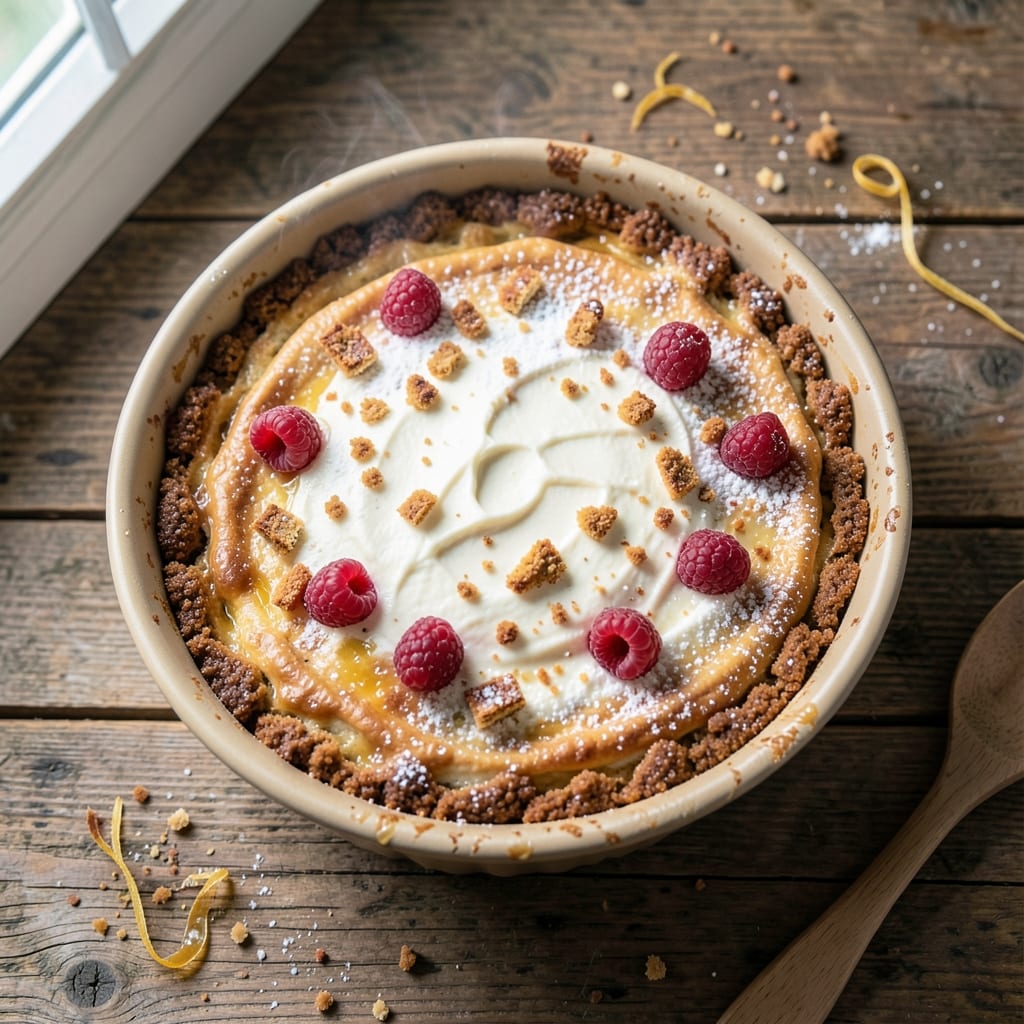
This baked cheesecake recipe with ricotta cheese delivers the perfect balance of silky texture and crack-free perfection—no water bath required. The ricotta’s lightness creates a velvety crumb, while a buttery graham cracker crust anchors every slice. I’ve perfected this technique over years of testing, ensuring the cheesecake stays rich yet tender, with a golden top that begs for a second helping.
The secret lies in room-temperature ingredients and a precise baking method that prevents sinking or cracks. Unlike traditional cheesecakes, this version relies on ricotta’s lower fat content, which reduces density while keeping moisture locked in. The filling comes together in minutes, and the 350°F bake time guarantees a set texture without overcooking.
What you’ll end up with is a smooth, creamy dessert with a subtle sweetness that lets the ricotta’s natural flavor shine. The crust stays crisp at the edges while absorbing just enough filling to hold every bite. Whether you top it with fresh berries, caramel drizzle, or a dusting of powdered sugar, this cheesecake is restaurant-quality at home—without the fuss.
Best of all, it’s foolproof for beginners and scales effortlessly for gatherings. Let’s get started—your taste buds (and guests) will thank you.
Ingredients for baked cheesecake recipe with ricotta cheese
Room-temperature ricotta and a few clever tricks make this crack-free cheesecake foolproof.
| Ingredient | Amount | Notes |
|---|---|---|
| Ricotta Cheese 🧀 | 32 oz | Whole-fat, room temperature |
| Large Eggs 🥚 | 4 whole | Room temperature, separated |
| Granulated Sugar 🍚 | 1 ½ cups | Superfine for silky texture |
| Vanilla Extract 🌿 | 2 tsp | Pure Madagascar preferred |
| All-Purpose Flour 🌾 | ½ cup | Sifted, for smooth filling |
| Graham Cracker Crumbs 🍪 | 2 cups | Fine, homemade or store-bought |
| Unsalted Butter 🧈 | ½ cup | Melted, full-fat preferred |
| Light Brown Sugar 🍚 | ¼ cup | Packed, for crust sweetness |
| Salt 🧂 | ¼ tsp | Fine sea salt |
| Lemon Juice 🍋 | 1 tbsp | Freshly squeezed, brightens flavor |
| Heavy Whipping Cream 🥛 | ½ cup | Cold, for topping |
| Powdered Sugar 🍚 | ¼ cup | For dusting |
The ricotta is non-negotiable here—whole-fat, room-temperature is key for that velvety texture. Trader Joe's and Whole Foods carry the best quality, but any brand works if it's fresh (no watery or grainy ricotta). Eggs? Room temperature is a must—cold eggs cause cracks. Pro tip: Separate them 24 hours ahead and let them sit in the fridge uncovered so the whites stay fresh. For the crust, homemade graham crackers add extra crunch, but store-bought crumbs (like Honey Maid) work in a pinch—just pulse them in a food processor for finer texture.
No ricotta? Cottage cheese blended smooth gets you close, but it’ll be denser. Fresh vanilla extract is worth the splurge—Madagascar or Tahitian adds depth. The flour is optional but helps stabilize the filling (especially if your ricotta is extra-dry). For the crust, pecan pie filling or chocolate-hazelnut spread swaps add gourmet flair. And if you’re topping it, store-bought caramel sauce (like Smucker's) cuts prep time in half.
Prep the crust first—press it into the pan and freeze for 15 minutes before adding filling. The ricotta mixture can be made a day ahead and stored in the fridge. Bake at 350°F for 45-50 minutes—the edges should be set but the center still slightly jiggly. Cool completely, then chill for at least 4 hours (overnight is best). Slices beautifully for 8 generous servings—perfect for gatherings. Leftovers? Keeps 5 days refrigerated, frozen for 2 months
Why You'll Love This Recipe
- No Fuss Mixing: I swear by this recipe—just fold, pour, bake. No standing over a mixer or worrying about overbeating the eggs. The ricotta’s natural creaminess blends effortlessly with the sugar and vanilla, and that dusting of flour keeps it from being too heavy. Honestly, it’s the kind of dessert where you can chat with a friend while you prep.
- Silky Smooth Texture: That crispy edge with the unexpected tenderness inside? It’s all thanks to the ricotta’s lightness and the eggs holding it together just right. No graininess here—just a velvety bite that’s addictive, especially when topped with a sprinkle of cinnamon or a drizzle of honey. (Yes, even on a Tuesday night.)
- Weeknight Crowd-Pleaser: This isn’t just for holidays—it’s the dessert I pull out for game nights, book club gatherings, or when my brother-in-law “accidentally” shows up unannounced. The ricotta base makes it lighter than traditional cheesecake, so it disappears fast, and the vanilla keeps it universally loved. No one ever asks for seconds… until they do.
- Budget-Friendly Luxury: I use this recipe when I want something fancy without breaking the bank. Ricotta is cheaper than cream cheese, and eggs are always a pantry staple. The flour just adds structure, not cost. Plus, the leftovers? They last days—slice it up for breakfast toast or crumble it into coffee. My secret weapon for stretching a treat farther.
Step-by-step instructions for baked cheesecake with ricotta cheese
Here's how to create a velvety ricotta cheesecake that stays crack-free and silky smooth every time.
Prepare the Crust and Pre-Bake
Preheat your oven to 350°F and grease a 9-inch springform pan generously with butter. In a medium bowl, combine the 2 cups graham cracker crumbs, 0.5 cup unsalted butter (melted), 0.25 cup light brown sugar, and 0.25 tsp salt. Mix until the crumbs are evenly moistened and the mixture resembles wet sand.
Press the crumb mixture firmly into the bottom of the prepared pan, using the back of a spoon to create an even, compact layer. Bake for 10 minutes until the edges begin to turn golden. Remove from the oven and let cool slightly while you prepare the filling—this prevents a soggy crust when the cheesecake bakes.
Whip the Ricotta Filling
In a large mixing bowl, combine the 32 oz ricotta cheese, 1.5 cups granulated sugar, 2 tsp vanilla extract, and 1 tbsp lemon juice. Using an electric mixer on medium speed, beat the mixture for 3-4 minutes until smooth and fully incorporated. The ricotta should be completely homogeneous with no lumps.
In a separate bowl, beat the 4 whole large eggs until the yolks and whites are fully combined. Gradually pour the egg mixture into the ricotta while mixing on low speed. This slow incorporation prevents curdling. Once combined, sift in the 0.5 cup all-purpose flour and mix just until dissolved—overmixing develops gluten and can make the cheesecake dense.
Assemble and Bake the Cheesecake
Pour the ricotta filling over the cooled crust, spreading it evenly to the edges. Tap the pan gently on the counter to release any air bubbles that may have formed. Place the springform pan in a larger baking dish and pour hot water into the dish until it reaches halfway up the sides of the pan—this creates a water bath that prevents cracking.
Bake at 350°F for 50-60 minutes until the edges are set and the center still jiggles slightly (it will continue to firm up as it cools). The top should be golden brown but not overbrowned. If the edges brown too quickly, cover them loosely with aluminum foil. Remove from the water bath and let cool in the oven with the door slightly ajar for 15 minutes to prevent sudden temperature changes.
Finish and Serve
Once the cheesecake has cooled to room temperature, remove it from the oven and run a knife around the edges to loosen it from the pan. Chill in the refrigerator for at least 4 hours (overnight is ideal) to allow it to set completely. Before serving, whip the 0.5 cup heavy whipping cream until soft peaks form, then fold in the 0.25 cup powdered sugar.
Spread the whipped cream topping over the chilled cheesecake and dust the top with an additional sprinkle of powdered sugar. Serve slices at room temperature for the best texture—this ensures that the creamy filling remains smooth and the crust stays crisp. The cheesecake should have a silky, almost mousse-like texture with no cracks, thanks to the ricotta's high moisture content and the careful baking technique.
Pro Tips For Making Baked Cheesecake Recipe With Ricotta Cheese
- Drain That Ricotta: Ricotta’s watery side is the real villain here—don’t skip the step of draining it for 15 minutes in a fine-mesh strainer. I learned this the hard way when my cheesecake turned into a soggy puddle; the excess liquid makes the texture grainy and dense, no matter how much flour you add.
- Preheat Like Your Crust Depends On It: This isn’t just a formality—your oven needs to hit 350°F (175°C) before the batter goes in. A cold oven means uneven baking, and ricotta-based cheesecakes are especially prone to cracking if the edges set too fast. Pop the pan in a few minutes early, and let it warm up while you mix.
- Skip the Overmixing: Ricotta batters are delicate—once you fold in the eggs and sugar, stop when it’s just combined. Overworking it introduces too much air, which causes those dreaded sinkholes or a domed top. Use a spatula, not a mixer, and cut through the batter with a few strokes to check for evenness.
- Bake Until the Center Jiggles: Don’t rely on time alone—insert a toothpick at the center. If it comes out clean but the middle still wobbles slightly, that’s perfect. Pulling it out too early guarantees a gooey center; too late, and the texture turns dry. Ricotta cheesecakes firm up as they cool, so resist the urge to rush it.
Best sauces and condiments for this dish
Classic Berry Compote
Fresh berries elevate this cheesecake with their natural sweetness and acidity. Simmer 1 cup mixed berries (strawberries, blueberries, raspberries) with 2 tbsp granulated sugar and 1 tsp lemon juice for 8-10 minutes until syrupy. Strain seeds if desired, then drizzle over slices. I love using Trader Joe's frozen berries for year-round consistency. 🍓
Caramel Drizzle
Warm ½ cup store-bought caramel sauce (like Smucker's) in a small saucepan with 1 tbsp heavy cream until smooth. Let cool slightly, then drizzle elegantly over the top. For homemade caramel, cook ½ cup brown sugar with 2 tbsp butter and 2 tbsp cream until golden. The contrast of creamy cheesecake and rich caramel is irresistible. 🥄
Chocolate Ganache
Melt ½ cup dark chocolate chips (60% cocoa) with ¼ cup heavy cream in a heatproof bowl over simmering water. Stir until silky, then spread over the chilled cheesecake. Let set for 15 minutes before slicing. For extra flair, fold 1 tbsp peanut butter into the ganache before spreading. Ghirardelli chips melt especially smoothly. 🍫
Citrus Curd Swirl
Blend ½ cup orange juice, 2 tbsp sugar, 1 egg yolk, and 1 tbsp cornstarch into a thin paste. Cook in a saucepan over medium heat, stirring constantly, until thickened (3-4 minutes). Cool, then swirl into the cheesecake batter before baking. The bright citrus cuts through the richness beautifully. 🍊
Salted Caramel Topping
Combine ½ cup caramel sauce with ¼ tsp flaky sea salt and 1 tbsp chopped pecans. Warm gently, then spread over the cheesecake. The salt enhances the sweetness while adding crunch. For extra decadence, add 1 tsp bourbon to the caramel mixture before heating. 🥜
Whipped Cream Variations
Beyond the basic powdered sugar topping, try these twists: Espresso whipped cream (add ½ tsp instant espresso powder), lavender cream (steep 1 tbsp dried lavender in warm cream), or honey whipped cream (replace sugar with 2 tbsp honey). Each adds a unique dimension to the classic finish. ✨
Nutrition facts
Frequently asked questions
Why does ricotta make this cheesecake lighter than traditional ones?
Ricotta's lower fat content (15-20%) creates a lighter texture compared to cream cheese (33% fat). The high moisture content also prevents dryness while baking, resulting in that signature silky crumb. Plus, it blends smoother than cottage cheese, eliminating graininess.
Can I make this cheesecake without a water bath?
You can try, but it increases cracking risk. For a water bath-free version, bake at 325°F for 55-65 minutes and let the cheesecake cool gradually in the oven with the door slightly open. The ricotta's moisture helps, but the water bath still provides the best insurance against cracks.
What's the secret to avoiding cracks in the top?
Room-temperature ingredients are critical—especially the ricotta and eggs. Also, don't overmix after adding flour, and tap the pan gently to release air bubbles before baking. For extra insurance, cover the edges with foil if they brown too quickly. The ricotta's natural moisture reduces cracking compared to cream cheese bases.
How long can I store leftovers?
Refrigerate for up to 5 days in an airtight container. For longer storage, freeze the whole cheesecake (without toppings) for up to 2 months. Thaw overnight in the fridge—never at room temperature—to preserve texture. The ricotta filling freezes beautifully, maintaining its creamy consistency.
Can I substitute cottage cheese for ricotta?
Yes, but blend cottage cheese until completely smooth first. Use the same quantity, but expect a slightly denser texture. The ricotta's delicate flavor and lighter body are ideal, but cottage cheese works in a pinch—just strain it well to remove excess moisture. For best results, choose small-curd cottage cheese.