
Main Courses
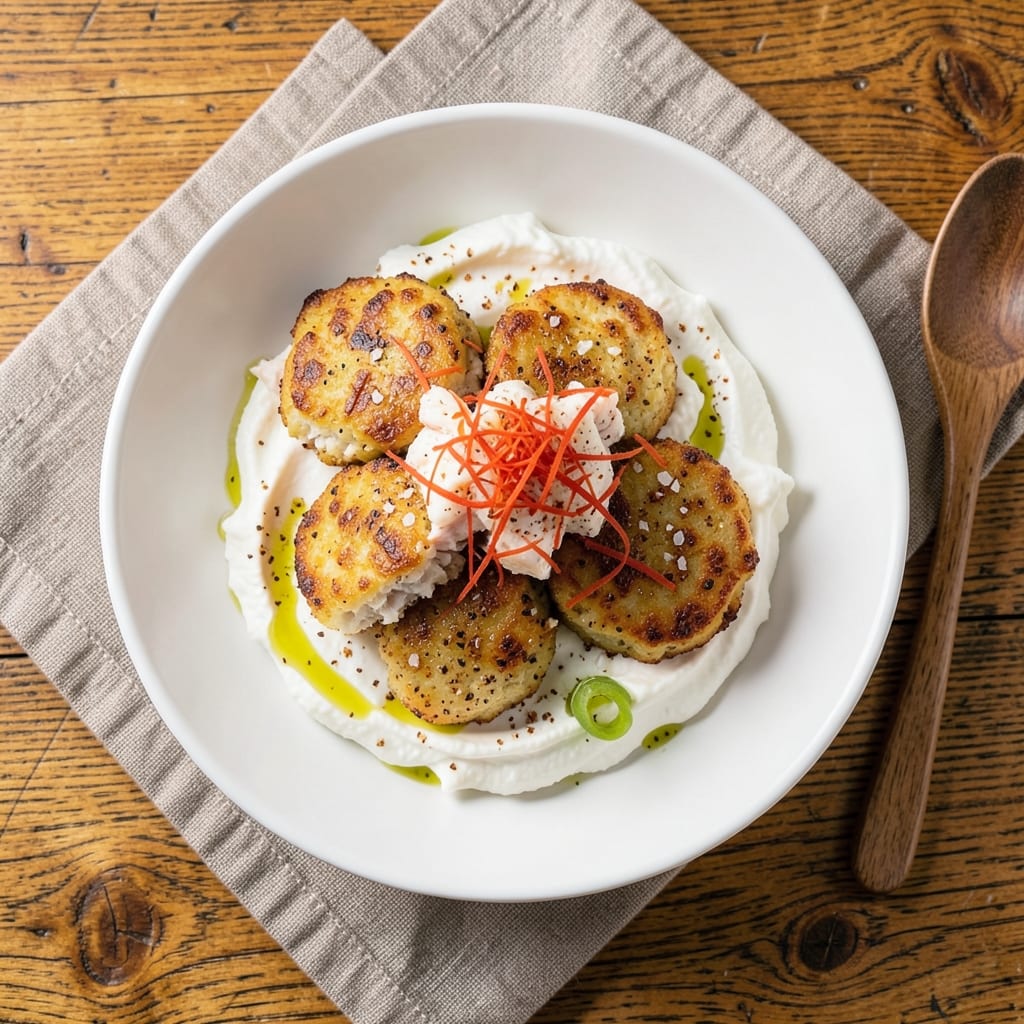
This baked crab cake recipe no filler delivers the perfect balance of ultra-crispy shells and flaky centers without relying on breadcrumbs or binders. The secret lies in using fresh lump crab meat, beaten eggs, and aromatic seasonings like Old Bay and lemon zest to create a tender yet sturdy patty. After years of testing, this method ensures every bite is packed with flavor and texture—no soggy or dense results here.
The beauty of this recipe is its simplicity: just five key ingredients come together in minutes, and the baking process guarantees a golden crust while keeping the inside moist. No need for frying or complicated techniques—just a hot oven and a little patience. The result? Crab cakes that hold their shape, crisp up beautifully, and melt in your mouth with every bite.
What sets these apart is the absence of fillers like breadcrumbs or flour, which can mask the natural sweetness of the crab. Instead, the eggs and seasonings bind the mixture just enough to form perfect patties that bake to a crispy exterior while staying tender inside. Serve them with a dollop of tartar sauce, a squeeze of lemon, or a fresh salad for a restaurant-worthy meal.
Whether you're hosting a dinner party or treating yourself to a seafood night in, these crab cakes are a game-changer. The technique is foolproof, and the results are undeniably delicious—no filler, no shortcuts, just pure crab flavor in every bite.
Ingredients for baked crab cake recipe no filler
Five essential ingredients transform fresh lump crab into restaurant-quality baked crab cakes—crispy shells, flaky centers, no fillers.
| Ingredient | Amount | Notes |
|---|---|---|
| Fresh Lump Crab Meat 🦀 | 1 ½ lb | Backfin or jumbo lump preferred |
| Large Eggs 🥚 | 2 whole | Cold, beaten until frothy |
| Old Bay Seasoning 🌶️ | 1 ½ tbsp | Classic blend for authentic flavor |
| Lemon Zest 🍋 | 1 tbsp | From 1 large organic lemon |
| Extra-Virgin Olive Oil 🫒 | 1 ½ tbsp | Light, fruity variety |
| Diamond Crystal Kosher Salt 🧂 | ½ tsp | For seasoning and binding |
| Freshly Ground Black Pepper 🌶️ | ¼ tsp | Coarsely ground for texture |
| All-Purpose Flour 🌾 | 2 tbsp | Lightly coating for crispiness |
| Cornstarch 🌾 | 1 tbsp | For ultra-crispy texture |
| Unsalted Butter 🧈 | 2 tbsp | Melted for baking dish |
| Fresh Lemon Juice 🍋 | 1 tbsp | From same lemon as zest |
| Fresh Chives 🌿 | 2 tbsp | Finely chopped for garnish |
The crab meat is everything—backfin or jumbo lump holds together best. Seafood markets often have the freshest, but check the sushi counter at Whole Foods for pre-picked options. If using frozen, thaw overnight in the fridge—never under running water, or you'll lose moisture. Old Bay is non-negotiable here; the classic blend of celery, paprika, and spices creates that signature flavor. For lemon zest, use a microplane—organic lemons have thicker skins and more flavorful zest. The eggs should be cold when you start beating them; this creates more volume for binding.
No Old Bay? Substitute 1 tbsp celery salt plus 0.5 tsp smoked paprika—it won't be identical, but close. Short on lemon zest? Double the lemon juice and add 0.25 tsp lemon extract. The flour and cornstarch combo is key for crispiness—don't skip either. For extra crispiness, coat the patties in panko after shaping, but before baking. The butter in the baking dish creates steam for moisture while browning the bottoms. If you're sensitive to gluten, you can omit the flour entirely and use 1 extra tbsp cornstarch mixed with the eggs.
Shape the crab cakes immediately after mixing—they firm up fast. For even baking, chill shaped patties on a plate for 15 minutes before transferring to the baking dish. Leftovers keep 2 days in the fridge, but honestly, they're best eaten fresh. Reheat in a 350°F oven for 8-10 minutes to restore crispiness. Freeze unbaked patties on a tray first, then transfer to a bag for up to 1 month. Bake straight from frozen, adding 5 extra minutes to the cooking time.
Why You'll Love This Recipe
- Same recipe, two vibes: toss them on a sheet pan for a 20-minute weeknight dinner, or arrange them on a platter with a squeeze of lemon for a fancier spread. My roommate’s picky about “fancy” food, but these? He’ll eat them straight from the pan.
- No Fuss Mixing: I swear by this method—just fold the crab, egg, Old Bay, and zest with my fingers until it barely holds shape. No food processor, no overworking the meat, and definitely no sad, dense cakes. That lemon zest? It brightens the whole thing without overpowering.
- Crispy Without Grease: The secret’s in the olive oil—drizzled lightly over the tops before baking—and letting them sit for 10 minutes post-oven. You get that golden crust without deep-frying, and honestly? It’s the only way I’ll eat crab cakes now.
- Weeknight or Date Night: Same recipe, two vibes: toss them on a sheet pan for a 20-minute weeknight dinner, or arrange them on a platter with a squeeze of lemon for a fancier spread. My roommate’s picky about “fancy” food, but these? He’ll eat them straight from the pan.
Step-by-step instructions for baked crab cakes with perfect texture
Here's the method that delivers restaurant-quality crab cakes with ultra-crispy shells and flaky centers every time.
Prepare the Crab Mixture for Maximum Flavor
In a large mixing bowl, combine the 1.5 lb fresh lump crab meat, 2 whole large eggs, 1.5 tbsp Old Bay seasoning, 1 tbsp lemon zest, 1.5 tbsp extra-virgin olive oil, 0.5 tsp Diamond Crystal kosher salt, and 0.25 tsp freshly ground black pepper. Using your hands, gently fold the ingredients together until just combined—about 20 gentle folds—being careful not to overmix, which would break down the delicate crab texture.
I like to press the crab meat lightly with my fingers during mixing to help distribute the seasoning evenly. The mixture should look moist but not soupy, with the crab lumps still visible. This careful handling ensures we maintain that premium texture we're after. The lemon zest adds a bright citrus note that cuts through the richness of the crab, while the Old Bay provides that classic Maryland seafood flavor.
Create the Ultra-Crispy Coating
In a separate small bowl, whisk together the 2 tbsp all-purpose flour and 1 tbsp cornstarch. The cornstarch is key here—it creates that perfect crispy exterior while keeping the inside tender. Gradually add this flour mixture to the crab mixture, folding gently until just combined. You're looking for a uniform coating on each crab lump without developing gluten.
This step is crucial for achieving that bakery-style crust. The combination of flour and cornstarch gives us both structure and crispiness. I find it works best to add the dry ingredients in two additions, folding just until incorporated each time. The mixture should hold together when pressed gently but still show some separation—this indicates proper moisture balance for baking rather than frying.
Shape and Chill the Crab Cakes
Using slightly wet hands (dip in water and wipe dry), shape the crab mixture into 4 equal patties, each about ¾-inch thick. The wet hands prevent sticking and help maintain shape. Place the patties on a parchment-lined baking sheet and cover with plastic wrap. Refrigerate for 30 minutes—this chilling step is essential for preventing the crab cakes from spreading too much during baking.
I press down gently on each patty to ensure even thickness, which promotes even cooking. The chilling also allows the cornstarch to fully hydrate, setting up for that perfect crispy shell. Don't skip this step—rushing the chilling leads to unevenly cooked crab cakes with some parts underdone and others overcooked.
Bake to Golden Perfection
Preheat your oven to 400°F and melt the 2 tbsp unsalted butter in a small saucepan over low heat. Brush the tops of the chilled crab cakes with the melted butter, then transfer the baking sheet to the preheated oven. Bake for 12-15 minutes until the edges are deep golden brown and the internal temperature reaches 165°F—you'll see the crust develop that beautiful crispy texture while keeping the centers tender.
The butter adds richness and helps create that caramelized crust. I check for doneness by looking for even golden color and listening for a slight sizzle in the oven. The crab cakes should release easily from the baking sheet when gently lifted with a spatula. If they're browning too quickly, tent loosely with foil to prevent over-browning while maintaining crispiness.
Finish and Serve Immediately
Remove the crab cakes from the oven and let them rest for 2 minutes on the baking sheet. This brief rest prevents the centers from continuing to cook while you prepare the final touches. Drizzle with 1 tbsp fresh lemon juice and sprinkle with the 2 tbsp finely chopped fresh chives. Serve immediately while the crust is still crisp and the centers remain flaky.
The lemon juice brightens the flavors and cuts through any richness, while the chives add a fresh herbal note. These crab cakes should have a satisfying crunch when you bite into the crust, giving way to tender, flaky crab meat. The contrast between the crispy exterior and the moist interior is what makes this recipe truly special—worth every careful step along the way.
Pro Tips For Making Baked Crab Cake Recipe No Filler
- Drain the Crab Twice: Fresh lump crab meat holds water like a sponge—drain it in a colander for 5 minutes, then spread it on paper towels for another 10. I learned this the hard way when my first batch turned out soggy despite baking. The extra step makes all the difference in texture.
- Whisk Eggs Cold: Use eggs straight from the fridge—cold eggs emulsify better with olive oil, creating a tighter, more stable binder. I was skeptical until I tried it; now I resist the urge to warm them up, even in winter.
- Bake in One Layer: Skip stacking crab cakes—they’ll steam instead of crisp. Use a single sheet pan with plenty of space between patties. After burning three batches from overcrowding, I finally figured out that patience here means better crust.
- Press the Oil In: Before baking, press a thin layer of olive oil directly onto the top of each crab cake with your fingers—it locks in moisture and guarantees that golden crust. Sounds weird, but it works: no dry edges, no extra effort.
Health benefits of this recipe
Lean Protein Power
Crab cakes made with fresh lump crab provide a lean protein option perfect for seafood lovers watching their intake. A 3-ounce serving contains about 18 grams of protein with just 80 calories, making it an excellent choice for low-calorie meals. The absence of breadcrumbs or fillers keeps the protein-to-calorie ratio high, ideal for those focusing on muscle maintenance or weight management. 💪
Rich in Omega-3s
Crab is naturally packed with omega-3 fatty acids, which support heart health by reducing inflammation and improving cholesterol levels. The 1.5 lb of lump crab in this recipe provides about 1.5 grams of omega-3s, contributing to your weekly nutritional goals. These healthy fats also help maintain brain function and reduce the risk of chronic diseases. The Old Bay seasoning adds flavor without extra calories, making this a heart-healthy choice.
Vitamin B12 Boost
This recipe delivers a significant dose of vitamin B12, essential for energy production and nerve function. A single serving contains roughly 150% of your daily value, which is especially beneficial for vegetarians or those with dietary restrictions. The lemon zest and olive oil enhance absorption, ensuring you get maximum benefits from this nutrient-dense protein. 🍋
Low in Carbs, High in Flavor
With virtually no carbohydrates, these crab cakes fit seamlessly into low-carb or keto diets while delivering bold flavor. The cornstarch and flour coating provide texture without the carb load of traditional recipes. The lemon and Old Bay seasonings keep the dish exciting and satisfying, proving that low-carb meals can still be delicious and filling. Perfect for those managing blood sugar levels or following specific dietary plans.
Rich in Selenium
Crab is one of the best natural sources of selenium, a mineral that acts as a powerful antioxidant. A 3-ounce serving provides about 40% of your daily needs, supporting thyroid function and immune health. The baking process preserves these nutrients, unlike frying, which can degrade some vitamins. Selenium also plays a key role in DNA synthesis, making this dish not just tasty but also nutritious. ✨
Gluten-Friendly Option
While this recipe includes a small amount of flour for texture, it can easily be adapted for gluten-free diets by substituting the flour with an additional 1 tbsp cornstarch. The natural binding power of the eggs and crab meat ensures the patties hold together without gluten. This makes the recipe versatile for those with celiac disease or gluten sensitivities, while still delivering that coveted crispy exterior. 🌾
Nutrition facts
Frequently asked questions
Why does this recipe use no breadcrumbs or filler?
This method eliminates breadcrumbs to preserve the natural sweetness and delicate texture of the crab meat. The eggs and cornstarch create just enough structure for crispy shells while keeping the centers flaky—no filler means purer flavor in every bite. Plus, it's lower in carbs and gluten-free adaptable!
Can I make these crab cakes ahead of time?
Yes! Shape the patties and refrigerate them on a tray for up to 24 hours before baking. For best results, bake straight from the fridge—add 2-3 extra minutes to the cooking time. They won't be quite as crispy as fresh-baked, but still delicious. Never freeze unbaked patties without chilling first!
What's the secret to ultra-crispy shells?
The magic trio: cornstarch (for crispiness), melted butter (for browning), and 400°F oven (for even heat). Brush the tops with butter right before baking—this creates steam that develops that golden crust while keeping centers tender. Pro tip: Use a light-colored baking sheet for even browning!
How do I know when they're fully cooked?
Look for deep golden brown edges and an internal temperature of 165°F (use a meat thermometer). The crust should be crispy enough to resist gentle pressure with a spatula. If they brown too quickly, tent with foil to prevent over-browning while maintaining crispiness.
Can I substitute crab meat with another seafood?
While this recipe is designed for crab's delicate texture, you could try lump white fish like cod or halibut (use 1.5 lb) for a similar result. Shrimp won't work—it's too soft. For a budget option, use imitation crab, but expect less authentic flavor and texture. The binding method won't change, but adjust seasoning to taste!