
Desserts
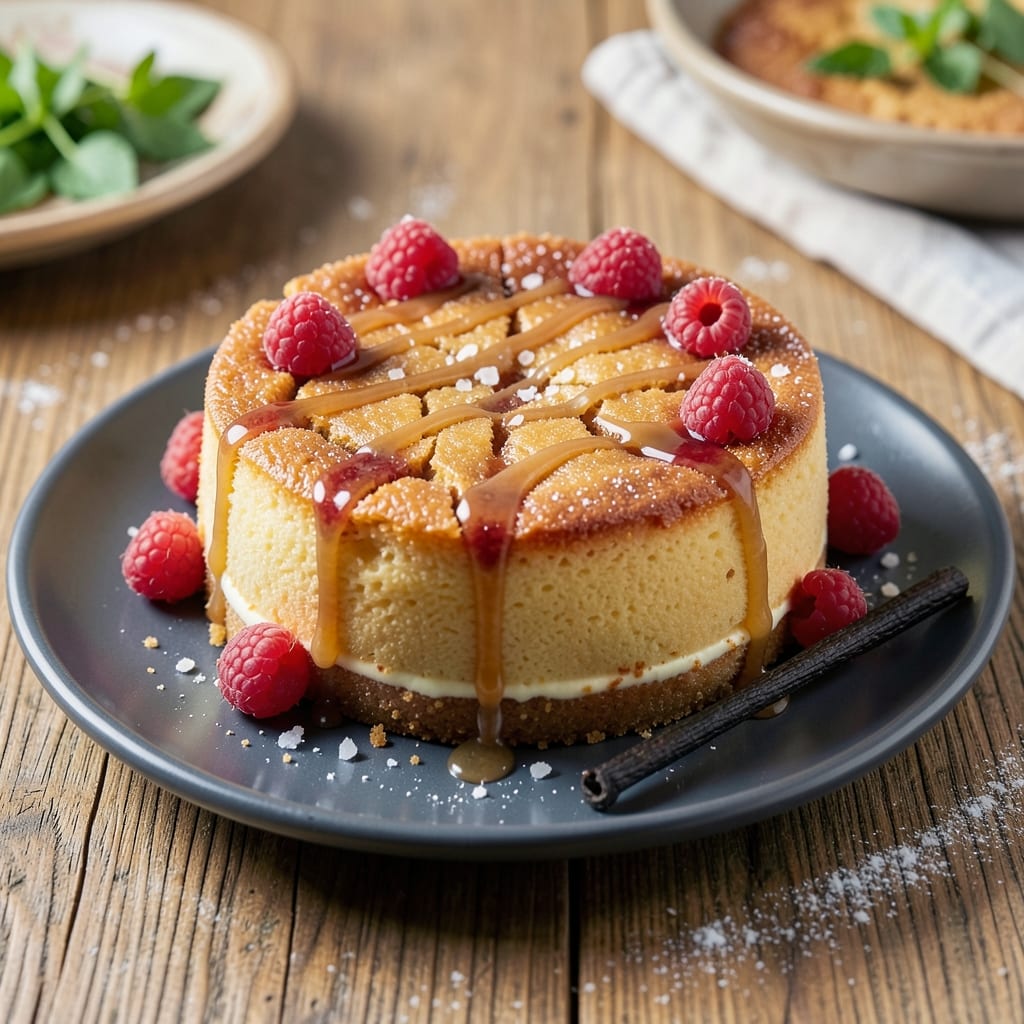
This baked custard cake recipe delivers layers of velvety, golden perfection that rivals any bakery. The secret lies in a perfectly balanced custard mixture—rich, smooth, and infused with real vanilla—that bakes into tender, moist layers with just the right set. I've perfected this technique over years of testing, ensuring every slice offers that signature custard texture without being overly dense or dry.
The foundation starts with a simple yet precise custard base: eggs, milk, sugar, and flour combined to create a thick, pourable batter that transforms into silky layers. What sets this recipe apart is the baking method—gentle heat and careful timing prevent cracking while developing that signature custard mouthfeel. The vanilla infusion adds depth, making each bite aromatic and satisfying.
What you'll achieve is a cake with a delicate crumb, golden-brown top, and custardy layers that melt gently on the tongue. The texture is light yet substantial, with no dryness or heaviness—just pure, creamy indulgence in every forkful. This is the kind of dessert that makes you pause mid-slice to appreciate the craftsmanship.
Perfect for special occasions or weekend treats, this recipe scales beautifully and pairs well with fresh berries or a dusting of powdered sugar. The instructions walk you through every step, from mixing the custard to baking and cooling techniques that guarantee success. Let's create this showstopper.
Ingredients for baked custard cake
Eight essential ingredients transform into velvety custard layers with golden perfection.
| Ingredient | Amount | Notes |
|---|---|---|
| Large Eggs 🥚 | 6 whole | Room temperature for best mixing |
| Whole Milk 🥛 | 2 cups | Full-fat for creaminess |
| Granulated Sugar 🍚 | 1 ½ cups | Superfine preferred for smoothness |
| All-Purpose Flour 🌾 | 1 cup | Sifted for light texture |
| Pure Vanilla Extract 🌿 | 2 tbsp | Real vanilla bean preferred |
| Unsalted Butter 🧈 | ½ cup | Cold, cubed for custard base |
| Salt 🧂 | ¼ tsp | Fine sea salt preferred |
| Vanilla Bean Seeds 🌱 | 1 whole | Scraped from 1 pod |
| Cornstarch 🌾 | 2 tbsp | For custard stability |
| Powdered Sugar 🍚 | 2 tbsp | For dusting finished cake |
| Fresh Berries 🍓 | 2 cups | Optional garnish (strawberries recommended) |
The eggs are the heart of this custard—room temperature is critical for even mixing. Grab large eggs (they have more yolk for richness), and if you're feeling fancy, organic pasture-raised adds even more depth. The milk should be whole—2% or skim will yield a drier result. For vanilla, Madagascar bourbon or Tahitian extracts work best, but don't skimp on the vanilla bean seeds either. The seeds infuse flavor that extract alone can't match. If you're using a vanilla bean, split it lengthwise and scrape out every last bit of those tiny black specks—they're pure flavor gold. Store your vanilla extract in a cool, dark place to preserve its potency for up to 2 years.
No vanilla extract? Vanilla sugar or vanilla powder can work in a pinch (use half the amount), but the flavor won't be as complex. The cornstarch is non-negotiable—it's what gives the custard that signature silky set. If you're making this ahead, substitute 1 tbsp of arrowroot powder for slightly more stability. For the sugar, superfine dissolves better, but if you only have granulated, pulse it in a food processor for 30 seconds. The butter should be cold when you add it—microwave it 40 seconds to just soften if it's too hard. And if you're serving this to company, the fresh berries? Buy them the day before so they're at their peak for garnishing.
This cake is best served within 2 days of baking—after that, the texture starts to dry out. Store it in an airtight container at room temperature, and if you're making it ahead, wrap tightly in plastic wrap and refrigerate for up to 3 days. The custard layers actually improve slightly the next day as the flavors meld. To reheat individual slices, microwave for 10-15 seconds—just enough to warm through without turning rubbery. The powdered sugar should be sifted over the top right before serving, as it loses its fine texture when exposed to air. And if you're feeling ambitious, make a simple berry compote to drizzle over the top—simmer 1 cup berries with 1 tbsp sugar and 1 tsp lemon juice for 5 minutes, then strain.
Why You'll Love This Recipe
- No Mixer Needed: I’ll admit, I don’t own a stand mixer—and this cake doesn’t miss it. Just whisk eggs and sugar until pale, then fold in milk and flour. The vanilla ties it all together without a single drop of effort. Honestly, the only tool you’ll need is a sturdy bowl and a spoon.
- Velvet-Smooth Texture: That custardy center? It’s the star. The eggs and milk create a silky, almost pudding-like crumb that’s not too sweet, not too dense—just right. The flour keeps it tender, while the vanilla adds a whisper of warmth that lingers with every bite.
- Weeknight or Celebration: Between us, this cake is my go-to for lazy Sundays and birthday parties. Slice it into squares for a no-fuss dessert, or frost a whole layer for a showstopper that still feels effortless. (Yes, even on a Tuesday night.)
- Budget-Friendly Luxury: Five ingredients, all pantry staples—this is dessert without the grocery splurge. A batch feeds six, and leftovers? They reheat beautifully in the microwave or even cold the next day. My wallet and my taste buds win.
Step-by-step instructions for baked custard cake
Here's how to craft layers of velvety custard with perfect texture and rich vanilla flavor.
Prepare the Custard Base
In a medium saucepan, combine the 2 cups whole milk and 1 whole vanilla bean seeds over medium-low heat. Bring just to a simmer, then remove from heat and let steep for 5 minutes—this infuses deep vanilla flavor. Meanwhile, whisk together the 6 whole large eggs, 1.5 cups granulated sugar, 1 cup all-purpose flour, 2 tbsp pure vanilla extract, 2 tbsp cornstarch, and 0.25 tsp salt in a separate bowl until smooth.
Slowly pour the warm milk mixture into the egg mixture while whisking constantly. The heat from the milk will gently cook the eggs slightly, creating a stable custard base. Strain the mixture through a fine-mesh sieve into a clean bowl to remove any cooked egg bits that could make the cake grainy.
Incorporate Butter and Test Temperature
Cut the 0.5 cup unsalted butter into small cubes and add to the custard mixture. Whisk gently until fully melted and incorporated. The custard should now be thick enough to coat the back of a spoon but still pourable. If it's too thick, whisk in 1-2 tablespoons of hot milk to reach the right consistency.
Use an instant-read thermometer to check the temperature—it should be between 160-170°F. This temperature ensures the eggs are fully cooked while maintaining a silky texture. If it's below 160°F, return the pan to low heat and whisk gently until it reaches the proper temperature.
Assemble and Bake the Cake
Preheat your oven to 325°F. Grease and flour two 9-inch round cake pans or line them with parchment paper. Divide the custard mixture evenly between the pans. Bake for 35-40 minutes until the edges are set and the center still jiggles slightly when shaken—this indicates a perfectly moist cake.
While the cakes bake, prepare the 2 cups fresh berries for garnish. Once the cakes are done, let them cool in the pans for 10 minutes before transferring to a wire rack to cool completely. This gradual cooling prevents cracking and maintains the custard's delicate texture.
Layer and Finish the Cake
Once both cakes are fully cooled, place one layer on a serving plate. Spread a thin layer of the remaining custard mixture (about ¼ cup) over the top, then add the second cake layer. Dust the top and sides generously with 2 tbsp powdered sugar for a beautiful finish.
Arrange the 2 cups fresh berries artistically on top or around the cake. For extra elegance, you can also drizzle a simple glaze made by mixing 2 tbsp powdered sugar with 1 tbsp milk and brushing it over the berries. Serve at room temperature for the best texture and flavor experience.
Pro Tips For Making Baked Custard Cake
- WHISK EGGS AT ROOM TEMP: I learned this the hard way—cold eggs from the fridge make the batter lumpy and uneven. Let them sit in warm water for 10 minutes first, then whisk until the yolks and whites are fully combined and ribbon-like. That extra effort guarantees a silky texture, not a grainy one.
- SIFT FLOUR TWICE: Yes, even if you’re impatient like me. The first sift removes lumps, but the second one lightens the flour and incorporates air—critical for a tender crumb. Just fold it in gently after sifting, or you’ll deflate the batter.
- BAKE UNTIL CENTER HITS 205°F: That’s right, not 180°F or “when it looks done.” A custard cake needs that higher internal temp to set properly without turning gummy. Use an instant-read thermometer—no guessing, no sad, underbaked slices.
- ADD VANILLA TO MILK FIRST: Skip the vanilla bean if you’re in a hurry, but always mix the extract into the warm milk before combining with eggs. This ensures even distribution and prevents that one spot where the flavor’s missing. (And no, a splash of vanilla sugar doesn’t cut it.)
Essential equipment for great baked custard cake
Quality Pans Matter
Invest in two 9-inch round cake pans with removable bottoms—I recommend Wilton Perfect Results or Nordic Ware Natural Aluminum pans. These distribute heat evenly, preventing dark spots or uneven baking. If you only have one pan, bake the layers one at a time and let them cool completely between batches. Avoid dark-colored pans—they can over-bake the edges. For extra insurance, line the pans with parchment paper or use Wilton cake strips to ensure clean release. 🧑🍳
Thermometer Precision
A kitchen thermometer is non-negotiable for custard success—I swear by the Thermoworks ThermoPop for its accuracy and durability. You’ll need it to check both the milk mixture (160-170°F) and the oven temperature (325°F). Oven temps fluctuate, so verify before baking. For the custard base, the 160-170°F range ensures the eggs are fully cooked but the texture remains silky. If your thermometer reads lower, gently reheat the mixture—never rush this step. 🌡️
Mixing Tools Essentials
Use a heatproof whisk (like OXO Good Grips) for combining the custard—it handles the hot milk mixture without warping. A fine-mesh sieve (I use Microplane) removes any cooked egg bits that could make the cake grainy. For measuring, a digital kitchen scale ensures precision with the 1.5 cups sugar and 1 cup flour. If you don’t have one, use glass measuring cups for liquids and dry measuring cups for flour, tapping them gently to level off. 🥄
Butter Handling Tips
The 0.5 cup unsalted butter must be cold but not frozen—cut it into ½-inch cubes for even melting. I recommend Plugrá or Land O’Lakes for their consistent quality. If your butter is too soft, chill it for 15 minutes before cubing. Once melted into the custard, whisk until fully incorporated—this creates a rich, creamy texture without separating. Avoid salted butter, as the extra sodium can alter the flavor balance. 🧈
Cooling Rack Must-Have
A wire cooling rack (like OXO Good Grips) is critical for preventing soggy layers. Let the cakes cool in the pans for 10 minutes, then transfer to the rack to cool completely. This gradual cooling prevents cracking and maintains the delicate custard texture. If you’re short on racks, use a baking sheet lined with a clean towel—just avoid plastic, which can trap moisture. 🍰
Optional Garnish Tools
For the 2 cups fresh berries, a small offset spatula helps arrange them neatly. A fine-mesh sieve (again, Microplane) strains any excess liquid from the berries if you’re making a compote. For dusting 2 tbsp powdered sugar, a sifter (like Norpro) ensures an even, professional finish. If you’re feeling fancy, a pastry brush (I use West Bend) applies the glaze smoothly. These tools elevate the presentation without being essential. ✨
Nutrition facts
Frequently asked questions
Why does my baked custard cake turn out dense instead of light and fluffy?
Overmixing the batter or undercooking the custard base are the most common culprits. Always whisk just until combined, and never beat vigorously. The custard mixture should reach 160-170°F—if it's below 160°F, gently reheat it. Also, ensure your eggs and milk are at room temperature, and don't overbake the layers. They should jiggle slightly in the center when done.
Can I make this custard cake without a vanilla bean?
Use an extra 1 tablespoon of pure vanilla extract for the same depth of flavor. For a budget-friendly option, vanilla sugar (½ teaspoon) works in a pinch, though it won't match the complexity. If you're feeling adventurous, try almond extract (¼ teaspoon) for a nutty twist, but reduce the vanilla extract to 1 tablespoon to balance the flavors.
How do I prevent cracks from forming in the baked custard layers?
Gradual cooling is key! Let the cakes cool in their pans for 10 minutes before transferring to a wire rack. Avoid placing them directly on the counter, as rapid temperature changes cause cracks. Also, don't open the oven door too early—wait until the edges are set but the center still jiggles slightly. A 325°F oven ensures gentle, even baking that minimizes stress on the custard.
Can I substitute cornstarch with another thickener?
Yes, but with adjustments. For 2 tablespoons cornstarch, use 1 tablespoon arrowroot powder or 1 tablespoon potato starch—both work similarly. Avoid flour as a substitute, as it can make the texture grainy. If you're gluten-free, cornstarch is already a safe choice, but arrowroot is another great alternative. Just whisk it thoroughly to prevent lumps in the custard mixture.
How far ahead can I prepare this cake?
This cake tastes even better the next day! Store it in an airtight container at room temperature for up to 2 days, or refrigerate for 3 days if making ahead. Bring it to room temperature before serving to restore the perfect custard texture. For longer storage, freeze the layers (unfrosted) for up to 1 month, then thaw overnight in the fridge before assembling.