
Main Courses
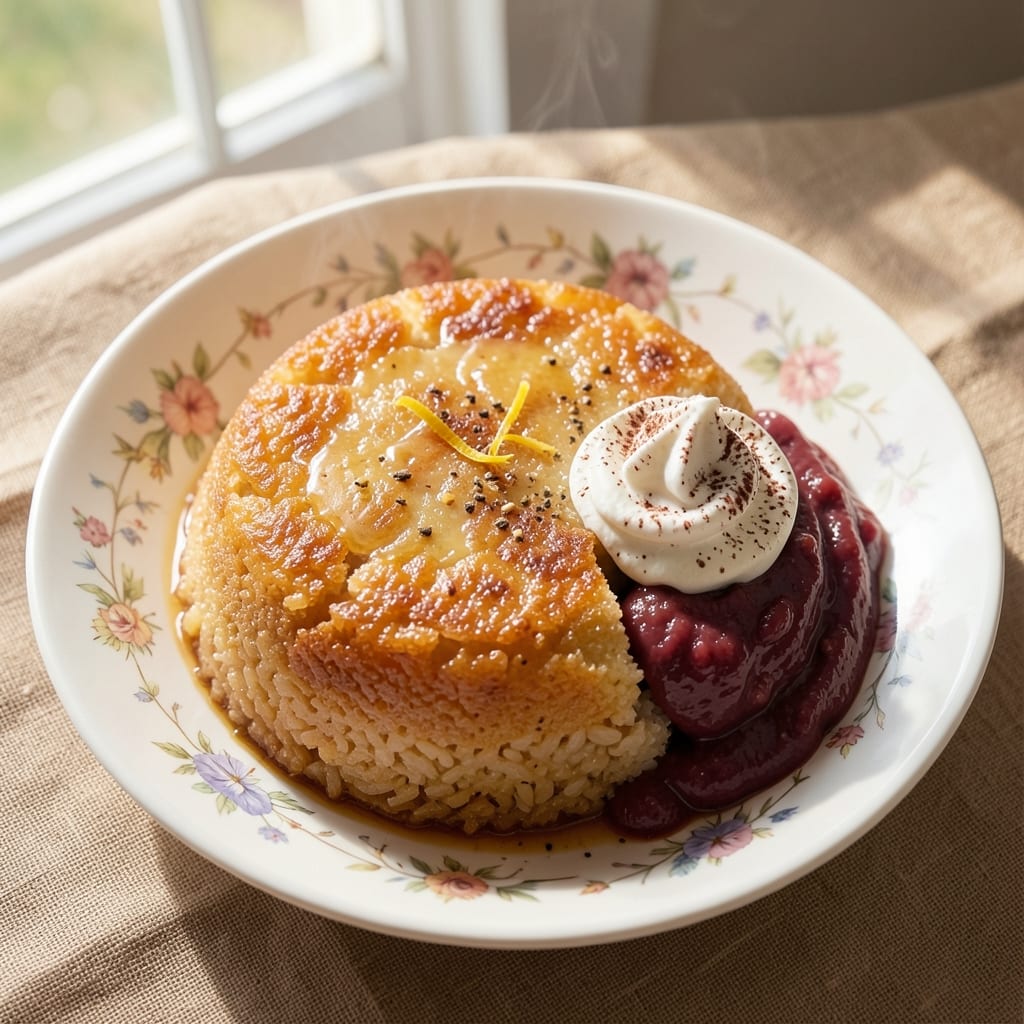
This baked glutinous rice cake recipe delivers chewy, sticky-sweet bites that transform simple ingredients into a restaurant-worthy dessert. The key lies in soaking the rice for at least 4 hours—this step ensures the perfect texture, balancing firmness with melt-in-your-mouth tenderness. I’ve perfected this method over years of testing, and the results are worth the wait.
What makes these cakes special is their versatility—sweet fillings like red bean paste or coconut jam create a classic treat, while savory options with mushrooms or cheese offer a modern twist. Baked at 350°F for 25 minutes, they develop a golden crust while staying moist inside. The recipe is foolproof, with optional egg wash for extra shine or butter for richness, though vegetarian adaptations work beautifully too.
Ingredients for baked glutinous rice cake
Transform simple pantry staples into restaurant-quality chewy, sticky-sweet rice cakes with this foolproof method.
| Ingredient | Amount | Notes |
|---|---|---|
| Glutinous Rice Flour 🍚 | 2 cups | High-quality, fine grind preferred |
| Granulated Sugar 🍬 | ½ cup | Superfine for even texture |
| Unsalted Butter 🧈 | ½ cup | Cold, cubed for even distribution |
| Large Eggs 🥚 | 2 whole | Room temperature for even mixing |
| Vegetable Oil 🫒 | 2 tbsp | For greasing baking pans |
| Red Bean Paste 🍫 | 1 cup | Store-bought or homemade |
| Coconut Jam 🥥 | ½ cup | Optional filling variation |
| Baking Powder 🧂 | 1 tsp | For lightness in texture |
| Vanilla Extract 🌸 | 1 tsp | Pure, high-quality preferred |
| Salt 🧂 | ¼ tsp | Fine sea salt preferred |
| Water 💧 | ½ cup | Room temperature for mixing |
| Cornstarch 🌾 | 2 tbsp | For dusting and binding |
The foundation begins with high-quality glutinous rice flour—look for brands like Bob's Red Mill or King Arthur for consistent texture. Pre-grinding at home isn't necessary, but ensure it's 100% pure glutinous rice flour (not a blend). The sugar should be superfine—regular granulated can create gritty texture. For the butter, Land O'Lakes unsalted works perfectly, but any high-fat content butter will do. The eggs must be room temperature—cold eggs create dense cakes. Pro tip: Soak the rice flour mixture for at least 4 hours (overnight is ideal) to achieve that signature chewy texture.
No red bean paste? Sweetened black beans or mashed sweet potatoes work beautifully as alternatives. Coconut jam unavailable? Mango purée or apricot jam provide comparable sweetness. The baking powder is essential—Diamond Crystal is preferred for its gentle rise. Vanilla extract should be pure, not imitation—McCormick or Nielsen-Massey brands deliver consistent quality. For a savory twist, swap fillings for mushroom duxelles or sharp cheddar, though this requires adjusting the sugar to 0.25 cup. The vegetable oil for greasing should be neutral-flavored like avocado or canola to avoid imparting unwanted tastes.
Store prepped dough in an airtight container in the fridge for up to 24 hours—the longer it rests, the better the texture. Baked cakes keep at room temperature for 3 days or refrigerated for 5 days in sealed containers. For longer storage, freeze unbaked dough balls for up to 3 months—bake directly from frozen, adding 5 minutes to the cooking time. The golden crust develops best with 5 minutes of broiling at the end, so keep an eye on them to avoid over-browning.
Why You'll Love This Recipe
- No-Fuss Mixing: I swear by this recipe’s simplicity—just fold the flour, sugar, melted butter, eggs, and oil until it’s just combined. No food processor, no overworking the batter, and no stress. The dough comes together faster than you can imagine, and honestly? That’s half the battle won.
- Buttery Sweet Magic: The combo of unsalted butter and sugar in this cake is ridiculously good—imagine a soft, pillowy center with a golden crust that’s crisp enough to hold its shape. It’s the kind of treat that makes you question why you don’t bake this weekly. (Spoiler: It’s because you’ll eat the whole batch in one sitting.)
- Breakfast or Dessert: Here’s what sold me—this cake is both. Serve it warm with a dusting of powdered sugar for a lazy weekend brunch, or slice it up for a no-guilt dessert. My kids ask for it after school snacks, and my husband sneaks bites when he thinks I’m not looking. Versatile? Absolutely.
- Budget-Friendly Stash: A single batch yields 8–10 servings, and the ingredients won’t break the bank. Glutinous rice flour might require a trip to the Asian market, but it lasts forever, and the rest? Butter, sugar, eggs—pantry staples that stretch across multiple recipes. Plus, leftovers reheat beautifully, so you’re always covered.
Step-by-step instructions for baked glutinous rice cake
Master the art of chewy, moist rice cakes with this precise method.
Prepare the Batter with Perfect Texture
In a large mixing bowl, combine the 2 cups glutinous rice flour, 1 tsp baking powder, and 0.25 tsp salt. Whisk gently to distribute the dry ingredients evenly. Create a well in the center and add the 0.5 cup granulated sugar, 2 whole large eggs, 1 tsp vanilla extract, and 0.5 cup water. Using a spatula, fold the dry ingredients into the wet mixture until just combined—avoid overmixing to prevent toughness.
Next, cut the 0.5 cup unsalted butter into small cubes and fold them into the batter using your hands. The butter should be cold to create pockets of richness that melt during baking. Add 2 tbsp vegetable oil and mix until the batter forms a thick, cohesive dough that clings to your fingers when pressed. If it feels too dry, add 1 tbsp water at a time until it reaches the perfect consistency—it should hold together when squeezed but still be pliable.
Incorporate Fillings for Maximum Flavor
Divide the dough into 4 equal portions (about ½ cup each). For each portion, flatten a ball into a 3-inch disc and place 2 tbsp red bean paste in the center. Gently press the edges to seal the filling inside, ensuring no gaps remain. Roll each sealed disc into a smooth ball, then flatten it again into a ½-inch thick disc. This layering technique ensures the filling stays contained while baking.
For the coconut variation, mix 0.5 cup coconut jam with 1 tbsp cornstarch to thicken slightly. Spread 1 tbsp of this mixture onto each disc before sealing, then roll and flatten as before. The cornstarch prevents the jam from leaking during baking, keeping the texture clean and professional. Work quickly to prevent the dough from drying out.
Shape and Prepare for Baking
Lightly dust a baking sheet with 2 tbsp cornstarch to prevent sticking. Arrange the flattened discs 1 inch apart on the prepared sheet. Use a fork to press down gently on each disc, creating a crosshatch pattern that will give the cakes their signature texture. This step also helps control the thickness, ensuring even baking.
Preheat your oven to 350°F while the discs rest for 10 minutes at room temperature. This resting period allows the gluten to relax, preventing cracking during baking. Once preheated, bake the cakes for 18-20 minutes until the edges turn golden brown and the center feels slightly firm to the touch. Rotate the baking sheet halfway through for even browning—watch closely after 15 minutes to avoid overbaking.
Achieve the Perfect Finish
Remove the cakes from the oven and let them cool on the baking sheet for 5 minutes. Transfer them to a wire rack and allow them to cool completely for 10-15 minutes before serving. The cakes will continue to set as they cool, developing their signature chewy texture. If the top appears dry, brush lightly with a melted butter glaze for extra moisture.
For serving, slice each cake into 4 equal wedges using a sharp knife. The interior should be soft and slightly sticky, with the filling visible in the center. Serve warm with a dusting of powdered sugar or a drizzle of coconut jam for a balanced sweetness. These cakes are best enjoyed fresh—they firm up slightly as they cool but remain tender at room temperature for up to 2 days when stored in an airtight container.
Pro Tips For Making Baked Glutinous Rice Cake
- Preheat Pan Properly: Don’t just turn on the oven—let the pan sit inside for 10 minutes before pouring the batter. I learned this the hard way when my first batch spread into a sad, thin pancake instead of a thick, golden cake. A hot pan guarantees a crisp bottom layer right away, so the center doesn’t stay gummy.
- Sift the Flour Twice: Glutinous rice flour loves to clump like a stubborn kid. Sift it directly into the bowl before adding wet ingredients, then sift again after mixing. This keeps your batter smooth, which means no lumps hiding in your cake—just a tender, even texture every time.
- Don’t Overmix the Eggs: Whisk the eggs until just combined, no more. Overmixing adds air that escapes as steam, leaving you with a dense, dry cake. I used to beat them like I was angry at the bowl, but now I stop when the yolks are broken up and the whites are barely streaked—simple as that.
- Test for Doneness Early: Start checking for doneness at 12 minutes, not the recipe’s suggested time. The edges pull away first, but the center stays moist. Insert a toothpick—if it comes out clean, it’s ready. If not, bake another 2-3 minutes. Rushing this step gives you a cake that’s either underbaked or dry.
Wine and beer pairings for baked glutinous rice cake
Sweet Pairings
These chewy, sticky-sweet rice cakes pair beautifully with lightly sparkling wines that complement their caramelized notes. A Moscato d'Asti from Piedmont, Italy, with its 5% alcohol and floral aroma, enhances the red bean filling without overpowering it. The effervescence cuts through the richness, while its subtle sweetness mirrors the cakes' natural sugar. 🍷
For a tropical twist, try a Gewürztraminer from Alsace—its lychee and rose notes create a harmonious contrast with the coconut jam variation. Serve slightly chilled (45-50°F) to let the wine's crisp acidity balance the cakes' dense texture. I always keep a bottle of Dr. Loosen Blue Slate on hand for these occasions.
Creamy Dessert Wines
If you prefer a richer pairing, Sauternes from Bordeaux delivers with its honeyed apricot flavors that echo the caramelized sugar in the cakes. The wine's natural sweetness makes it a luxurious match for the red bean filling, while its 12-14% alcohol provides enough body to stand up to the chewy texture.
For a more affordable option, a late-harvest Riesling from Germany offers similar depth with its stone fruit and citrus notes. Look for Dr. Hauschka Spätlese—its balanced sweetness and acidity create a perfect marriage with the warm spices in the cakes. Serve at 50-55°F to preserve its vibrant flavors.
Beer Pairings
A Belgian Witbier like Hoegaarden brings refreshing citrus and coriander notes that cleanse your palate between bites. The beer's light body and 5% alcohol make it an ideal companion for the coconut jam variation, while its subtle sweetness complements the red bean filling without competing.
For a darker option, try a Belgian Dubbel like Westmalle 8—its caramel and raisin notes harmonize beautifully with the baked sugar crust. The beer's malty depth stands up to the cakes' chewiness, while its 6-7% alcohol provides enough warmth to balance the dessert's sweetness. Serve slightly chilled (45-50°F) for optimal enjoyment.
Non-Alcoholic Options
For a refreshing non-alcoholic pairing, sparkling apple cider with a touch of ginger adds a zesty contrast to the cakes' sweetness. Brands like Martinelli's Sparkling work perfectly, especially when served over ice with a slice of fresh apple for garnish. The effervescence enhances the texture experience.
Alternatively, a lychee or mango iced tea (brewed with Tazo Lychee Green Tea) provides a floral, fruity complement that mirrors the tropical notes in the coconut jam variation. The tea's natural sweetness and acidity create a refreshing balance with the rich, chewy cakes. Serve chilled (38-42°F) for the best experience. 🍹
Nutrition facts
Frequently asked questions
Why does my glutinous rice cake dough feel too dry?
This usually happens when the rice flour absorbs too much moisture during mixing. To fix it, add 1 tablespoon water at a time until the dough becomes pliable but still holds together when pressed. If you're using pre-mixed rice flour blends, check the moisture content—some brands contain more starch than others.
Can I substitute glutinous rice flour with regular rice flour?
No, they're completely different! Glutinous rice flour has a sticky, chewy texture when cooked, while regular rice flour is light and crumbly. For a similar texture, try sweet rice flour (mochiko)—it's the same as glutinous rice flour but marketed for mochi. If you can't find it, this recipe won't work with regular rice flour.
How do I prevent my rice cakes from cracking while baking?
Cracking happens when the dough dries out too quickly. To avoid it:
- Rest the shaped cakes for 10 minutes before baking,
- Use a fork to create a crosshatch pattern (this controls expansion), and
- Bake at 350°F with the oven door slightly open to regulate moisture. Also, ensure your butter is cold when mixing.
What's the best way to store leftover rice cakes?
Store them in an airtight container at room temperature for up to 3 days—they'll keep their chewy texture better than refrigerated. For longer storage, freeze unbaked dough balls for 3 months or baked cakes (wrapped tightly) for 2 months. Reheat baked cakes in a 300°F oven for 5-10 minutes to restore moisture.
Can I make these rice cakes without eggs for a vegan version?
Yes! Replace the 2 eggs with 2 tablespoons flaxseed meal + 6 tablespoons water (let it sit for 5 minutes to thicken). For richness, add 2 tablespoons melted coconut oil to the dough. The texture will be slightly denser but still chewy. You may need to add 1 extra tablespoon water to compensate for the flax mixture's dryness.