
Desserts
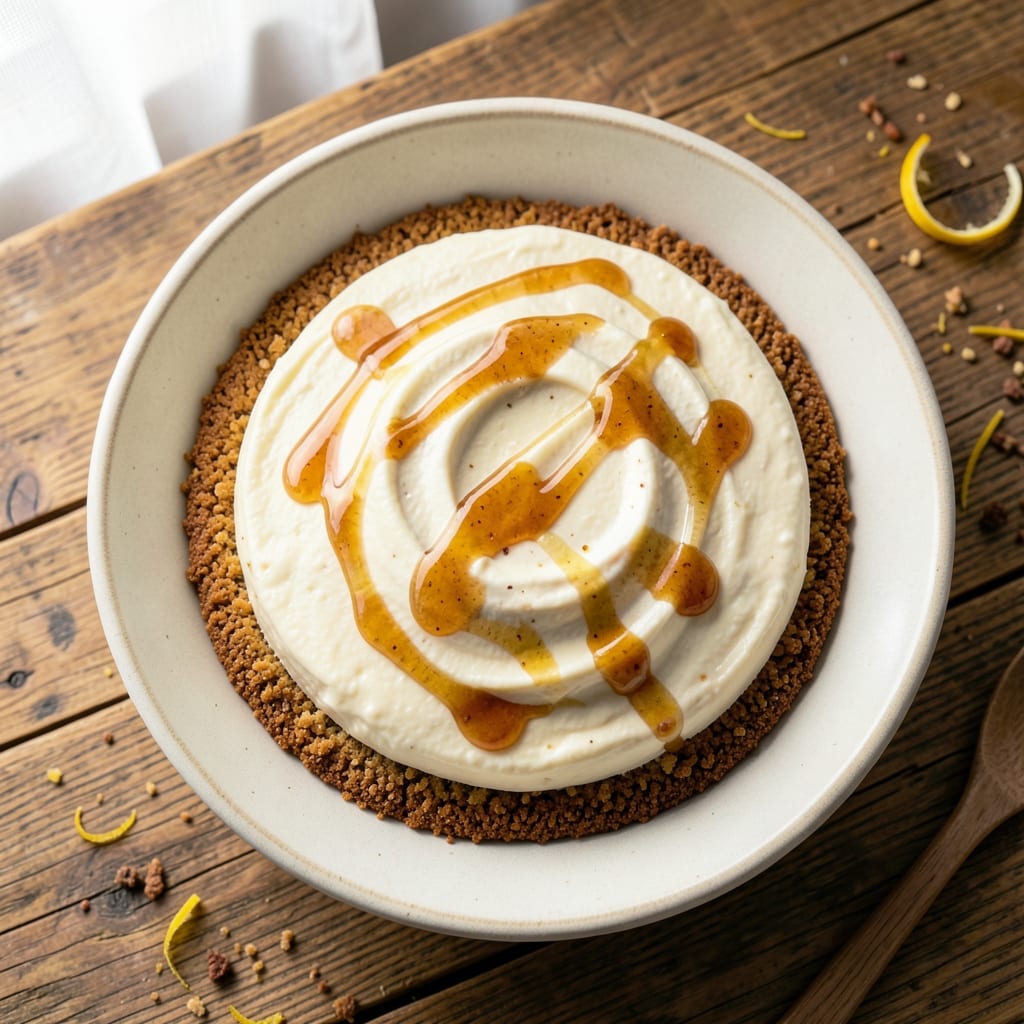
This baked honey cheesecake recipe delivers a perfect balance of creamy texture and golden crunch, all thanks to a caramelized honey top that transforms ordinary dessert into something extraordinary. The secret lies in combining rich cream cheese with liquid honey—not just as a topping, but as a key ingredient that prevents cracking while adding depth. I’ve perfected this technique over years of testing, ensuring every slice stays tender yet holds its shape.
The recipe begins with a buttery graham cracker crust that provides the ideal foundation, while the filling gets its signature flavor from a blend of cream cheese, honey, and eggs—all baked at 350°F for 50-60 minutes until set but still silky. The honey doesn’t just sweeten; it creates a glossy, caramelized crust on top that cracks beautifully when cooled, revealing pockets of golden sweetness beneath. This isn’t your typical dense cheesecake—it’s light, rich, and impossible to resist.
What sets this version apart is the honey’s dual role: it keeps the texture moist while adding a subtle floral note that pairs perfectly with the tangy cream cheese. The result is a dessert that’s elegant enough for special occasions but simple enough for weeknight cravings. Serve it warm with a drizzle of extra honey or chilled with fresh berries for contrast—either way, it’s a showstopper.
For those worried about cracks or a heavy texture, I’ve included foolproof tips like room-temperature ingredients and a gentle bake. The crust stays crisp, the filling remains velvety, and the honey top adds that irresistible crunch. Ready to bake a cheesecake that’s as impressive as it is delicious?
Ingredients for baked honey cheesecake
Buttery crust, creamy filling, and honey's golden caramelized magic—this is your ultimate honey cheesecake ingredient lineup.
| Ingredient | Amount | Notes |
|---|---|---|
| Graham Cracker Crumbs 🍪 | 2 cups | Finely crushed, buttery preferred |
| Unsalted Butter 🧈 | ½ cup | Melted, full-fat for richness |
| Granulated Sugar 🍚 | ¼ cup | For crust sweetness |
| Large Eggs 🥚 | 4 whole | Room temperature for even bake |
| Cream Cheese 🧀 | 32 oz | Full-fat, room temperature |
| Liquid Honey 🍯 | 1 cup | Raw or wildflower preferred |
| All-Purpose Flour 🌾 | ¼ cup | For filling stability |
| Vanilla Extract 🌿 | 2 tsp | Pure vanilla bean extract |
| Salt 🧂 | ½ tsp | Fine sea salt |
| Lemon Juice 🍋 | 1 tbsp | Freshly squeezed |
| Extra Honey 🍯 | ¼ cup | For caramelized top |
| Toasted Almonds 🥜 | ½ cup | Chopped, optional garnish |
The cream cheese is non-negotiable here—Philadelphia brand is my go-to, but any full-fat works. Room temperature is key; if yours is cold, let it sit for an hour. For the honey, raw or wildflower varieties add floral depth, but regular works too. The graham crackers? Honey Maid or Keebler are foolproof—just pulse them in a food processor until fine. And that extra honey for the top? Local honey if you can find it, but any liquid honey will do.
No vanilla extract? Seeds from a vanilla bean steeped in warm honey work beautifully. Short on almonds? Toasted pecans or walnuts add a different but equally nice crunch. The lemon juice might seem small, but it balances the sweetness—don't skip it. For a lighter texture, you could replace one egg with flax eggs, but the eggs here help stabilize the filling. And if you're worried about cracking, trust the honey—it keeps everything moist while creating that perfect caramelized crust.
Store any leftovers in an airtight container in the fridge for up to 5 days. The crust stays crisp for about 3 days, but the filling remains perfect for 4-5 days. For the honey top, it's best eaten within 2 days—the caramelized bits get softer over time. I always make this for company; it reheats beautifully in the oven for 10 minutes at 300°F if you prefer it warm.
Why You'll Love This Recipe
- No-Fuss Crust: I swear by the graham cracker crust here—just mix the crumbs with melted butter, press, and bake. No rolling, no stress, and it stays crispy without turning to dust. (Between us, my first attempt had butter spots, but now I just use my fingers to spread it evenly.)
- Honey-Glazed Magic: That drizzle of honey? It’s not just sweet—it caramelizes into a sticky, golden crust on top while keeping the inside velvety smooth. The cream cheese base balances the richness, so it’s never cloying, just ridiculously good.
- Weeknight to Party: Same recipe, different vibes. Whip it up for a lazy Sunday breakfast or bring it to a potluck—it’s fancy enough to impress but simple enough to make when you’re running late. (Yes, even on a Tuesday night.)
- Leftovers That Last: One pan, minimal effort, and slices stay fresh for days. The honey keeps it from drying out, so it’s just as good cold as it is warm. Honestly, I’ve had this for lunch the next day and no one’s ever complained.
Step-by-step instructions for baked honey cheesecake
A rich, golden crust meets velvety filling with a caramelized honey top—this method delivers perfect texture every time.
Prepare the Crust Mixture
In a medium bowl, combine the 2 cups graham cracker crumbs with the 0.5 cup melted unsalted butter and 0.25 cup granulated sugar. Mix until the crumbs are evenly moistened and the mixture holds together when pressed. The texture should resemble damp sand—if it's too dry, add 1 teaspoon of cold water to help it bind.
Press the mixture firmly into a 9-inch springform pan, using the back of a measuring cup to create an even, compact layer. The crust should be about ¼-inch thick and extend up the sides of the pan. Chill in the refrigerator while you prepare the filling—this prevents melting during assembly. A well-chilled crust is the foundation for that signature crunch.
Mix the Cheesecake Filling
In a large mixing bowl, beat the 32 oz cream cheese and 4 whole large eggs at medium speed until completely smooth and creamy, about 3-4 minutes. Scrape down the sides of the bowl occasionally to ensure even mixing. The mixture should look pale yellow and velvety—this ensures a silky texture without lumps.
Gradually add the 1 cup liquid honey, 0.25 cup all-purpose flour, 2 teaspoons vanilla extract, 0.5 teaspoon salt, and 1 tablespoon lemon juice, mixing just until combined. The lemon juice brightens the honey flavor while the flour adds subtle structure. Avoid overmixing—this can develop gluten and make the cheesecake dense. Pour the filling over the chilled crust and smooth the top with a spatula.
Bake to Golden Perfection
Preheat your oven to 325°F and place a water bath in a deep baking dish—this helps the cheesecake bake evenly without cracking. Carefully lower the springform pan into the water bath, ensuring the bottom touches the hot water. Bake for 50-60 minutes until the edges are set and the center still has a slight wobble. A toothpick inserted should come out with a few moist crumbs, not liquid.
Remove from the oven and let the cheesecake cool in the springform pan for 15 minutes. Run a thin knife around the edges to loosen, then transfer to a wire rack to cool completely. The filling will continue to set as it cools, creating that signature creamy texture. Patience here prevents cracks and ensures a clean release from the pan.
Create the Honey Topping
In a small saucepan, combine the 0.25 cup extra honey with 1 tablespoon lemon juice and bring to a gentle simmer over medium heat. Cook for 3-4 minutes until the mixture thickens slightly and becomes glossy. Remove from heat and stir in the 0.5 cup toasted almonds, reserving a few for garnish. The honey should coat the almonds lightly—this creates the signature caramelized top.
Spread the honey-almond mixture evenly over the cooled cheesecake, pressing down gently to create a smooth, even layer. Let it set at room temperature for 30 minutes before slicing. The honey will firm up slightly, creating that beautiful golden crust while keeping the interior creamy. Serve chilled for the best texture contrast between the crunchy top and velvety filling.
Pro Tips For Making Baked Honey Cheesecake
- Preheat Crust Longer: Don’t just toss the crust in the oven and walk away—give it 10-12 minutes at 350°F before adding the filling. This melts the butter evenly and prevents the bottom from staying soggy when the cheesecake goes in. I learned this the hard way when my first batch had a wet, gummy crust that ruined the whole thing.
- Whip Cream Cheese Cold: Take the cream cheese straight from the fridge and beat it with the sugar until it’s completely smooth before adding eggs. Room-temperature cheese can turn grainy, and you’ll end up with lumps in your batter—trust me, I’ve scraped out enough failed batches to know. Skip the waiting and just let the mixer do the work.
- Avoid Overmixing Eggs: Once you add the eggs to the cream cheese mixture, mix just until combined—no need to beat it like a soufflé. Overmixing incorporates too much air, which causes cracks during baking. I used to go full speed, only to watch my cheesecake develop spiderweb cracks. Gentle folds are your friend here.
- Water Bath Without Foil: Use a deep baking dish filled with hot water, but line the bottom with parchment paper before adding the springform pan. This keeps the cheesecake from sticking to the foil while still giving it that perfect steam bath. I used to wrap the whole pan in foil, and half the time, I’d have to peel it off like a stubborn bandage.
Dietary considerations for this dish
Gluten-Free Adaptations
Replace the graham cracker crust with a gluten-free digestive biscuit crumb mix (like Schär or Trader Joe's) and gluten-free all-purpose flour in the filling. Use 1:1 gluten-free flour blends like Bob's Red Mill to maintain structure. For extra crunch, toast gluten-free cornflakes or almond flour with melted butter and sugar as a crust alternative. 🌾
Dairy-Free Options
Swap the cream cheese for dairy-free cream cheese (like Kite Hill or Violife), ensuring it's full-fat for richness. Use coconut cream (chilled overnight) as a substitute for eggs—blend 4 tablespoons coconut cream with 1 tablespoon lemon juice to mimic egg binding. For the crust, dairy-free butter (such as Miyoko's) works perfectly with gluten-free crumbs.
Lower Sugar Versions
Reduce the granulated sugar in the crust to 0.125 cup and replace 0.5 cup honey with 0.25 cup honey + 0.25 cup sugar-free maple syrup. Use monk fruit sweetener (like Lakanto) in the honey topping—start with 1 tablespoon and adjust to taste. The crust will still hold, but the filling stays moist with less sugar.
Nut-Free Garnishes
Skip the toasted almonds and replace with crushed gluten-free pretzels or pumpkin seeds for crunch. Drizzle with a mix of melted dairy-free chocolate (like Enjoy Life) and honey for a nut-free, equally satisfying finish. For extra flair, sprinkle freeze-dried raspberries on top—they add color and a tart contrast. 🍓
Vegan Cheesecake
Use cashew cream (soak 1.5 cups raw cashews overnight, then blend with 1 cup water) to replace cream cheese. Add 2 tablespoons lemon juice and 1 tablespoon apple cider vinegar for tang. For the crust, blend 1 cup gluten-free oats with 0.5 cup melted coconut oil and 0.25 cup maple syrup. Bake at 325°F for 60-70 minutes—vegan cheesecake needs extra time to set.
Nutrition facts
Frequently asked questions
Why does this honey cheesecake stay creamy without cracking?
The honey is the secret! It keeps the filling moist while creating a caramelized crust that prevents cracks. The recipe also uses a gentle 325°F bake and room-temperature ingredients—both key to avoiding shrinkage. The water bath method helps too, ensuring even heat distribution.
Can I make this cheesecake ahead of time?
Yes! Bake it 1 day ahead and store it in an airtight container in the fridge. The flavors deepen over time, and the honey top actually improves as it sets. Bring to room temperature before serving for the best texture.
What's the best way to serve this honey cheesecake?
Chilled is ideal—it lets the honey top firm up beautifully. Pair it with fresh berries for contrast or warm it briefly in the oven (10 minutes at 300°F) for a gooey center. The caramelized honey shines when drizzled with extra honey before serving!
How do I fix a sunken middle in my cheesecake?
This usually happens from overbaking or opening the oven door too early. For future attempts, check doneness with a toothpick (moist crumbs = done), and avoid peeking! If it happens, try reheating slices in the microwave for 10-15 seconds to restore creaminess.
Can I substitute regular sugar for the honey in the filling?
You can try, but honey adds moisture and depth that sugar can't replicate. If you must substitute, use 0.75 cup granulated sugar + 2 tablespoons water to mimic the honey's liquid content. However, you'll lose that signature floral note and caramelized top.