
Main Courses
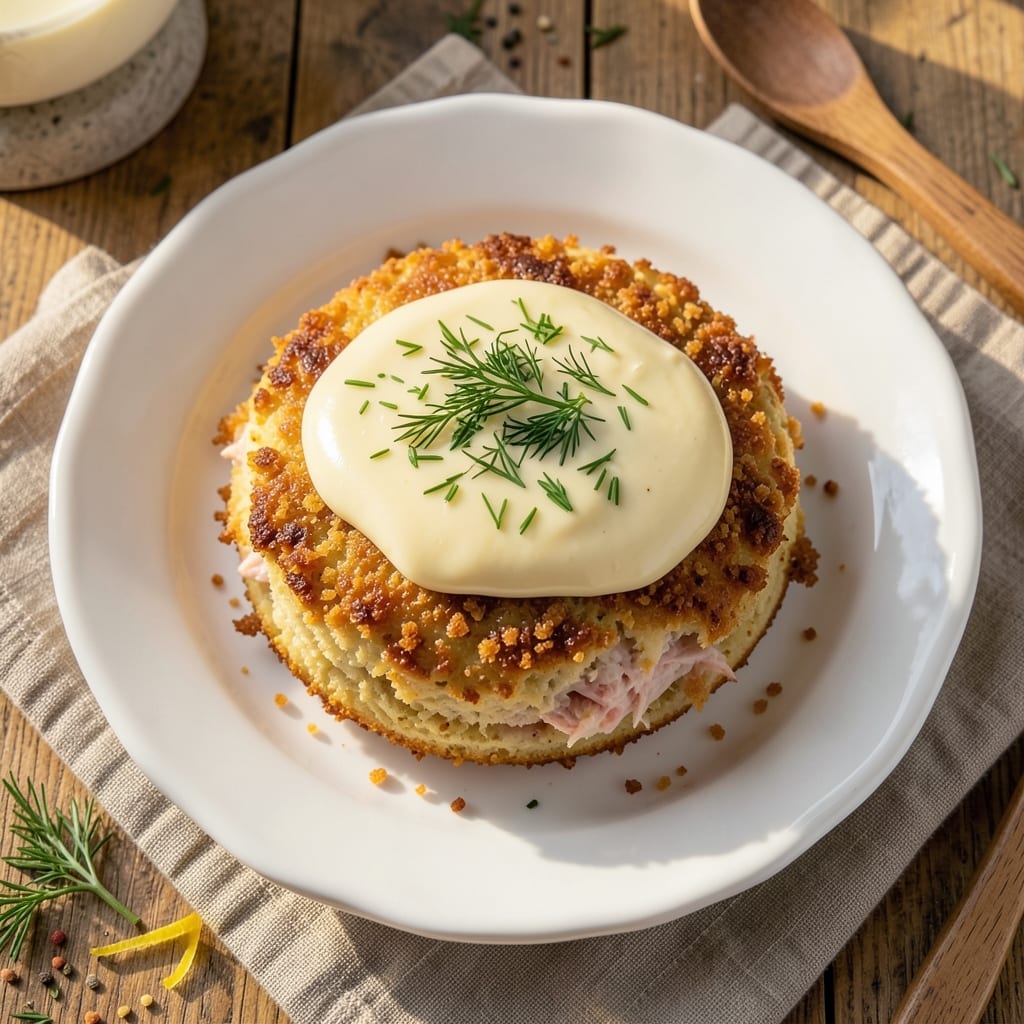
This baked lump crab cake recipe delivers the perfect balance of crispy shells and flaky interiors—no frying required. The key lies in using quality lump crab meat for that signature texture contrast, bound together with a light mayo and breadcrumb mixture. I've perfected this method over years of testing, ensuring each bite offers tender crab and a satisfying crunch.
The secret to achieving that golden crust without deep-frying is baking at 400°F for just 12-15 minutes, allowing the exterior to crisp while keeping the inside moist. A touch of Old Bay seasoning adds that classic coastal flavor, while a sprinkle of panko on top creates extra crunch. This recipe maintains all the restaurant-quality elements you love, simplified for your home kitchen.
What you'll end up with is a plate of perfectly shaped crab cakes with caramelized edges and tender centers, ready to be served with classic tartar sauce or a bright lemon wedge. The aroma alone will have everyone gathering around the table. This is seafood dining at its finest, without the fuss of frying.
Serve these elegant crab cakes as a main course or appetizer—they're equally impressive. The recipe scales beautifully for parties, and leftovers reheat perfectly. Let's get started on creating these restaurant-worthy bites at home.
Ingredients for baked lump crab cake
Quality lump crab meat, mayo, and panko create restaurant-style crab cakes without frying.
| Ingredient | Amount | Notes |
|---|---|---|
| Lump Crab Meat 🦀 | 1 ½ lb | Fresh, high-quality, backfin preferred |
| Mayonnaise 🥫 | ½ cup | Light or regular, not low-fat |
| Panko Breadcrumbs 🍞 | ¾ cup | Japanese-style for extra crunch |
| Large Eggs 🥚 | 2 whole | Room temperature for best binding |
| Shallots 🧅 | 2 whole | Finely minced, about 2 tbsp |
| Lemon Juice 🍋 | 1 tbsp | Freshly squeezed, bright flavor |
| Old Bay Seasoning 🌶️ | 1 tbsp | Classic coastal flavor profile |
| Fresh Dill 🌿 | 2 tbsp | Chopped finely, stems removed |
| Butter 🧈 | 2 tbsp | Melted, unsalted preferred |
| All-Purpose Flour 🌾 | 2 tbsp | For extra binding if needed |
| Salt 🧂 | ½ tsp | Kosher or sea salt |
| Black Pepper 🌶️ | ¼ tsp | Freshly ground for best flavor |
| Vegetable Oil 🫒 | 2 tbsp | For greasing baking sheet |
The crab meat makes or breaks these—backfin lump is ideal for that signature texture. Grab it from the seafood counter (not the canned section) and ask for the freshest cut. New England Lobster Company or your local fishmonger are great spots. If it smells fishy or has a slimy texture, walk away. The shallots? Trader Joe's has pre-minced ones in a jar—convenient but not as fresh. For dill, I always grab extra—half goes in the mix, half gets sprinkled on top for that fresh pop. The mayo shouldn't be low-fat—Hellmann's or Duke's work perfectly here.
No Old Bay? Mix 1 tsp paprika, 1/2 tsp celery salt, and 1/4 tsp black pepper for a similar kick. Pre-minced shallots? Freshly minced makes a difference, but jarred is fine in a pinch. Running low on dill? Substitute 1 tbsp parsley plus 1/2 tsp dried dill. The panko can be swapped for regular breadcrumbs, but you'll lose that extra crunch. If your crab meat feels too dry, add 1 tsp water per 1/2 cup to help bind it. And trust me on the melted butter—it adds richness without overpowering.
Shape these into patties and chill for 30 minutes before baking—helps them hold together. Leftovers? 3 days in the fridge, 3 months frozen. To reheat, bake at 375°F for 10-12 minutes. I always make a double batch—one for dinner, one for lunch the next day. The secret to the crispy shell? Don't overcrowd the pan, and bake them on the middle rack for even heat.
Why You'll Love This Recipe
- No-Fuss Assembly: I swear by this recipe because it’s just mix and bake—no frying, no flipping, no stress. Toss the lump crab, mayo, egg, and finely chopped shallots in a bowl, fold in the panko, and you’re done. Honestly, the hardest part is deciding whether to shape them into patties or drop them straight onto the tray.
- Crispy-Creamy Magic: That golden crust from the panko? Chef’s kiss. But here’s what really sells me—the way the shallots caramelize just enough to cut through the richness of the lump crab and mayo. It’s the kind of balance that makes you close your eyes and sigh, even if you’re eating it straight from the pan.
- Weeknight to Dinner Party: Between us, these crab cakes are my secret weapon for lazy nights and impressing guests. Serve them with lemon wedges and a simple salad for a no-brainer weeknight meal, or pair with a fancy sauce and roasted veggies when company’s over. Same recipe, two totally different vibes.
- Leftovers That Don’t Suck: Most baked crab cakes dry out or turn soggy, but not these. The panko stays crispy, the crab stays tender, and they reheat like a dream—whether you’re tossing them in a pan for breakfast or popping them in the toaster for a quick snack. (Yes, even on a Tuesday night.)
Step-by-step instructions for baked lump crab cakes
Here's how to make golden, crispy crab cakes with tender interiors that hold together perfectly.
Mix the Wet Ingredients
In a large mixing bowl, combine the 1.5 lb lump crab meat, 0.5 cup mayonnaise, 2 whole large eggs, 2 tbsp melted butter, 1 tbsp lemon juice, 1 tbsp Old Bay seasoning, 2 tbsp finely chopped fresh dill, 0.5 tsp salt, and 0.25 tsp black pepper. Use your hands to gently mix everything until just combined—don't overwork the crab or it'll turn rubbery.
I like to press the crab meat with my fingers to break up any large lumps while keeping the texture intact. The mixture should be moist but not soupy—if it feels too dry, add 1-2 teaspoons of water. The mayonnaise acts as the binder here, so don't skip this step. The lemon juice brightens the flavor and helps tenderize the crab slightly.
Fold in Shallots and Panko
In a separate small bowl, mix the 2 whole shallots with 2 tbsp all-purpose flour—this helps distribute the flavor evenly. Add this mixture to the crab mixture and gently fold in using a silicone spatula. Then stir in the 0.75 cup panko breadcrumbs until everything is evenly coated.
Here's the thing—don't overmix. You want the panko to distribute evenly but still see some white spots in the mixture. The panko adds that perfect crispy texture, while the flour helps create a golden crust. If the mixture feels too loose, add just 1-2 more tablespoons of panko to help bind it.
Form and Chill the Crab Cakes
Lightly grease a baking sheet with 2 tbsp vegetable oil (or line it with parchment paper). Using your hands, form the mixture into 4 equal patties, about ½-inch thick each. Press gently but don't compact too tightly—this ensures they stay flaky on the inside.
Place the formed crab cakes on the prepared baking sheet and refrigerate for at least 30 minutes. This chilling step is crucial—it helps the crab cakes hold their shape when baking and prevents them from spreading too much in the oven. While they're chilling, preheat your oven to 400°F for that perfect crispy exterior.
Bake to Golden Perfection
Carefully transfer the chilled crab cakes to the preheated oven and bake for 12-15 minutes. You'll know they're ready when the edges are deep golden brown and the internal temperature reaches 165°F—the center should be just set but still tender.
Don't walk away during this step. The crab cakes can go from perfectly golden to burnt in just 1-2 minutes, especially if your oven runs hot. If the tops aren't browning evenly, tent them loosely with aluminum foil for the last 2-3 minutes of baking. The result should be crispy on the outside with a flaky, moist interior that holds together beautifully.
Pro Tips For Making Baked Lump Crab Cake
- Drain the Crab Right: Lump crab meat holds water like a sponge—don’t skip draining it. Spread it on paper towels and let it sit for 15 minutes before mixing, or your cakes will turn soggy no matter how much panko you add. (I learned this the hard way after a batch that resembled crab meatloaf.)
- Mix Just Until Combined: Overworking the crab mixture makes it dense and tough. Stir the mayo, egg, shallots, and breadcrumbs together until everything clings loosely—about 10 seconds more than you think you need. The texture should look broken but still hold shape when formed.
- Preheat Pan, Not Just Oven: Cold pans steal heat from your cakes, leading to uneven cooking. Place your baking sheet in a 425°F (220°C) oven for 5–10 minutes before adding the cakes. This guarantees a crispy crust from the get-go—no waiting for the oven to "catch up."
- Press Panko Firmly: A light sprinkle of breadcrumbs won’t cut it. Press the panko onto the top and sides of each cake with your fingers or the back of a spoon to create a sturdy crust. This keeps them from falling apart when you flip them (yes, even baked ones).
Regional styles of this baked lump crab cake
New England Classic
This is the original crab cake style that put them on the map—simple, crispy, and packed with Old Bay seasoning. In coastal Maine and Massachusetts, you'll find these served with drawn butter and a side of steamed clams. The key here is using fresh lump crab meat (backfin preferred) and keeping the binder light with just mayo, egg, and a touch of panko. I like to add 1 extra tbsp of Old Bay to the mix for that signature coastal flavor. 🦀
Maryland Spicy Twist
Maryland takes their crab cakes seriously, often adding a kick of heat with 1 tsp cayenne pepper or ½ tsp red pepper flakes to the mix. They also love to incorporate finely chopped jalapeños (about 1-2 tbsp) for a fresh, spicy bite. Serve these with a side of Maryland-style hot sauce or a cool cucumber-dill relish to balance the heat. The state even has a crab cake festival—proof these are a regional staple!
Texas-Style Fusion
Down in Texas, you'll find crab cakes getting a Tex-Mex makeover with ingredients like chopped green onions, ½ cup shredded cheddar cheese, and 1 tsp smoked paprika. Some versions even include diced avocado mixed into the batter for extra creaminess. These are often served with a side of salsa verde or chipotle aioli instead of traditional tartar sauce. The result is a perfect blend of coastal and Lone Star flavors that's become a hit at seafood restaurants across the state. 🌶️
Pacific Northwest Light
Out west, the focus is on fresh, bright flavors with ingredients like finely chopped fresh cilantro (about 1 tbsp), 1 tsp lemon zest, and a touch of fresh ginger (about ½ tsp grated). They often use whole wheat panko for a healthier twist, and serve with a side of mango-avocado salsa or a light yogurt-dill sauce. The Pacific Northwest style is all about clean, vibrant flavors that complement the natural sweetness of the crab.
Southern Fried Adaptation
In the South, you'll find crab cakes getting a crispy, fried twist—even though this recipe uses baking. The Southern approach often includes cornmeal (about ¼ cup) mixed into the panko for extra crunch, and a sprinkle of crushed pork rinds on top before baking. They're frequently served with a side of creamy coleslaw or pickled okra to cut through the richness. This style is perfect for those who love a little extra texture and Southern comfort flavors.
Nutrition facts
Frequently asked questions
Why do your crab cakes need to chill before baking?
The 30-minute chill is key for two reasons: it helps the crab cakes hold their shape in the oven (no spreading!) and lets the flavors meld together. Cold crab cakes also brown more evenly, giving you that perfect golden crust instead of a pale, soggy exterior. Think of it like setting a cake before baking—it just works better!
Can I use canned crab meat instead of fresh lump?
Fresh lump crab is ideal for that signature texture, but you can use high-quality canned crab meat in a pinch. Drain it well and pat dry thoroughly with paper towels to remove excess moisture. The flavor won't be identical, but it'll still work—just expect slightly less flakiness. For best results, choose brands like Crown Prince or Wild Alaska and add an extra 1 tbsp of mayo to help bind it.
How do I fix crab cakes that fall apart when baking?
Overmixing or skipping the chill step usually causes this. First, make sure you're gently folding ingredients—not stirring vigorously. If the mixture feels too loose, add 1-2 more tbsp of panko or 1 tbsp of flour. Also, press the patties firmly when shaping and never skip the 30-minute chill. For extra insurance, add 1 extra egg yolk to the mix next time.
What's the best way to reheat leftover crab cakes?
Bake them at 375°F for 10-12 minutes until warmed through—this restores the crispy exterior without drying them out. For microwave reheating, cover with a damp paper towel and heat in 30-second bursts until warm (about 1-1.5 minutes total). The oven method gives better results, but microwave works in a pinch. Never reheat in the air fryer—it makes them rubbery!
Can I make these crab cakes ahead of time?
Shape the crab cakes and refrigerate them on a tray for up to 24 hours before baking. For longer storage, form them and freeze on a tray (uncovered) for 1 hour, then transfer to a sealed bag for up to 3 months. Bake from frozen, adding 2-3 extra minutes to the baking time. The flavors actually improve when made ahead—they hold together better after chilling overnight.