
Desserts
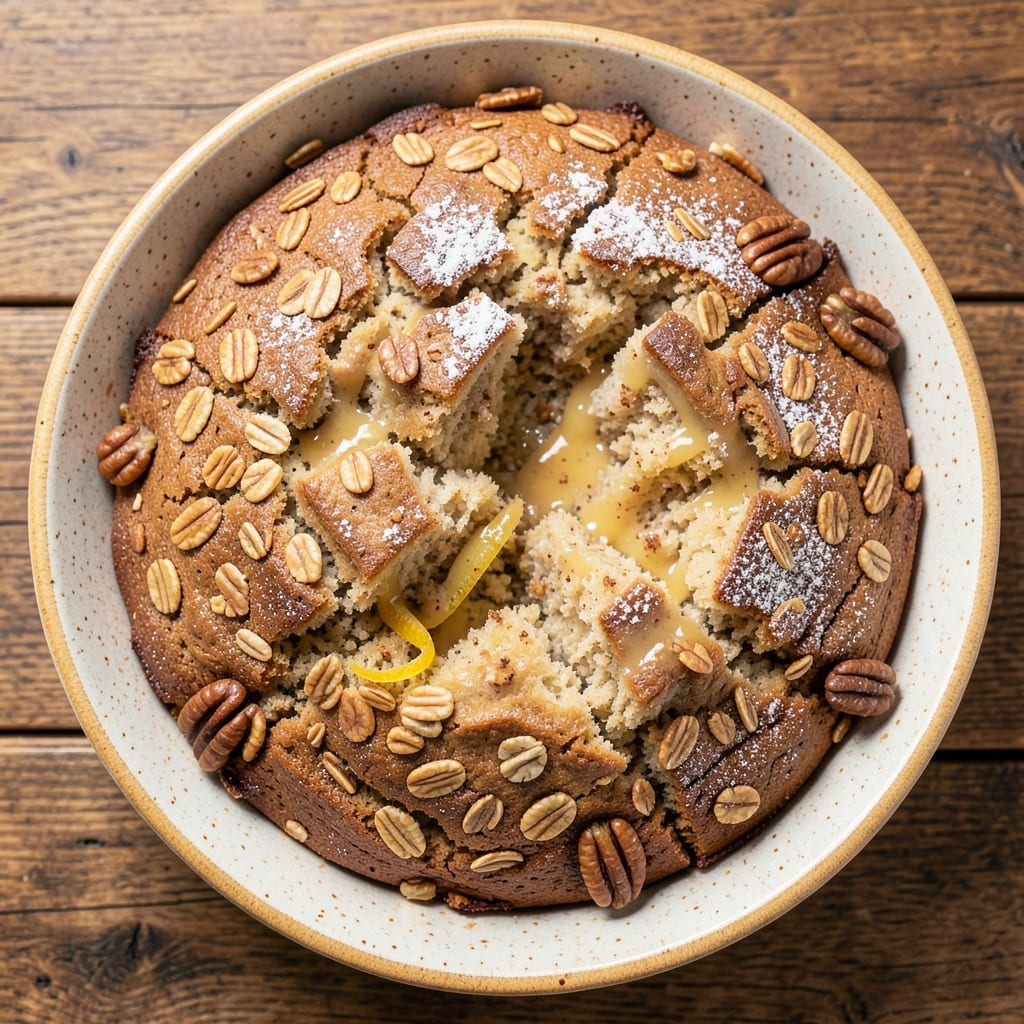
This baked oatmeal cake recipe delivers a moist, tender crumb with a comforting warmth that feels like a hug in dessert form. The secret lies in balancing oats and flour while using buttermilk for that signature softness—no dry crumb here. I've perfected this technique over years of baking, ensuring every slice stays perfectly moist even the next day.
The beauty of this recipe is its versatility—you can keep it classic with cinnamon and nutmeg, or add dried fruit, nuts, or chocolate chips for extra texture. The oats add a subtle heartiness that pairs beautifully with coffee or tea, making it a foolproof choice for brunch or dessert. Baking at the right temperature ensures even cooking without over-browning.
What you'll end up with is a cake that's rich yet light, with a subtle oatmeal flavor that's far from boring. The warm spices deepen as it cools, creating layers of comfort in every bite. This isn't your grandmother's dense oatmeal cake—it's a restaurant-quality dessert that's surprisingly simple to make at home.
The best part? Leftovers reheat beautifully, and the recipe scales perfectly for gatherings. Whether you're serving it at a brunch or enjoying a solo slice with cream, this cake delivers on both flavor and texture. Let's get baking!
Ingredients for baked oatmeal cake
Pantry staples plus a few key ingredients for that signature moist crumb.
| Ingredient | Amount | Notes |
|---|---|---|
| All-Purpose Flour 🌾 | 1 ½ cups | Sifted for lightness |
| Quick Oats 🥣 | 1 cup | Old-fashioned or rolled |
| Granulated Sugar 🍚 | 1 cup | Light brown sugar for depth |
| Buttermilk 🥛 | 1 cup | Full-fat for richness |
| Unsalted Butter 🧈 | ½ cup | Room temperature, cubed |
| Large Eggs 🥚 | 2 whole | Room temperature preferred |
| Vanilla Extract 🌿 | 1 tbsp | Pure vanilla preferred |
| Ground Cinnamon 🌶️ | 1 ½ tsp | Freshly ground for warmth |
| Ground Nutmeg 🌶️ | ½ tsp | Freshly grated preferred |
| Baking Powder 🧂 | 1 tsp | Aluminum-free preferred |
| Salt 🧂 | ½ tsp | Fine sea salt |
| Chocolate Chips 🍫 | ½ cup | Semi-sweet or dark |
| Chopped Walnuts 🌰 | ½ cup | Toasted for extra flavor |
The oats are non-negotiable here—they give that signature heartiness without overpowering. Bob's Red Mill or Quaker Old-Fashioned are my go-tos, but any quick oats work. The buttermilk is what keeps this cake moist—don't substitute with regular milk or yogurt. For the butter, Land O'Lakes or Plugrá are reliable, but any good-quality unsalted works. The vanilla extract should be pure—imitation won't give you that same depth of flavor. If you're feeling fancy, grab a Mexican vanilla bean from Trader Joe's and scrape out the seeds.
No buttermilk? Mix 1 cup milk with 1 tbsp vinegar or lemon juice and let it sit for 5 minutes. Swapping the chocolate chips? Dried cranberries or chopped dried apricots add a nice tang. The walnuts can be any nut you like—pecans or almonds work too, but toast them first (350°F for 8-10 minutes). For extra richness, add 1 tbsp sour cream to the batter. The spices are key—if you don't have fresh nutmeg, ground works but tastes different. And if you're out of baking powder, baking soda plus cream of tartar at half the amount is a good swap.
This cake tastes even better the next day—cover loosely with plastic wrap and store at room temperature for 2-3 days. For longer storage, wrap tightly and freeze for up to 3 months. To reheat, wrap slices in a damp paper towel and microwave for 10-15 seconds. I always bake two pans at once (double the recipe) because it disappears fast. The texture stays perfect when reheated, making it great for brunch leftovers or a quick dessert.
Why You'll Love This Recipe
- No-Fuss Mixing: I swear by this recipe—just fold in the oats and buttermilk, then let the oven do the work. No whisking until your arm falls off, no measuring cups cluttering your counter. The butter and sugar blend so smoothly, you’ll forget you’re even baking.
- Caramel-Kissed Crunch: That buttermilk tenderizes the cake while the oats toast into a golden, crunchy top—like a hug for your taste buds. Honestly, the first bite makes me pause mid-slice, just to savor it.
- Weeknight Magic: Pack leftovers for school lunches or reheat slices for breakfast—same great texture, every time. (Yes, even on a Tuesday night.) The flour and oat combo holds up better than most cakes, so you won’t waste a crumb.
- Pantry Staple Power: Buttermilk and butter are always in my fridge, and flour/oats never expire. This cake costs less than half of fancier desserts but tastes like you slaved over it. Budget-friendly doesn’t mean boring—it means ridiculously good.
Step-by-step instructions for baked oatmeal cake
Here's how to bake a tender, spiced oatmeal cake with a perfect crumb every time.
Mix Dry Ingredients for Maximum Lightness
In a medium bowl, whisk together the 1.5 cups all-purpose flour, 1 cup quick oats, 1 cup granulated sugar, 1.5 teaspoons ground cinnamon, 0.5 teaspoon ground nutmeg, 1 teaspoon baking powder, and 0.5 teaspoon salt. I like to sift the flour first for a lighter texture—this prevents dense pockets in the cake. Give everything a good stir until the spices are evenly distributed throughout the dry ingredients.
Next, fold in the 0.5 cup chocolate chips and 0.5 cup chopped walnuts using a silicone spatula. Make sure they're spread evenly—you want each bite to have that perfect mix of chewy oats, crunchy walnuts, and melty chocolate. Set this mixture aside while you prepare the wet ingredients.
Cream Butter and Sweeteners for Perfect Texture
In a separate large bowl, combine the 0.5 cup unsalted butter (room temperature) and the 1 cup granulated sugar. I always let my butter sit at room temperature for about 30 minutes before mixing—this ensures it creams properly without turning greasy. Beat with an electric mixer on medium speed for 3-4 minutes until light and fluffy, with ribbons forming when you lift the beaters.
This creaming process incorporates air into the batter, which creates that tender, moist crumb we're after. If your mixture looks too thick or doesn't lighten, let the butter sit a bit longer to soften. The goal is a smooth, pale yellow mixture that nearly doubles in volume.
Combine Wet Ingredients for Rich Flavor
Add the 2 whole large eggs, one at a time, mixing well after each addition. Then stir in the 1 cup buttermilk and 1 tablespoon vanilla extract. The buttermilk adds that signature tangy richness while keeping the cake moist—don't substitute with regular milk or you'll lose that depth of flavor.
Gradually add the dry ingredient mixture to the wet, mixing on low speed just until combined. I always use a spatula to fold in the last bit to avoid overmixing. The batter should be thick but pourable—if it looks too stiff, add 1-2 tablespoons of milk to loosen it. This is where the magic happens: the spices and oats will create that perfect texture we're after.
Bake to Golden Perfection
Preheat your oven to 350°F and grease an 8-inch round cake pan or line it with parchment paper. Pour the batter into the prepared pan and smooth the top with a spatula. Bake for 40-45 minutes, or until a toothpick inserted in the center comes out clean with just a few moist crumbs clinging to it.
I like to tent the pan with foil after 25 minutes if the edges are browning too quickly—this ensures even cooking. The cake should have a golden dome on top with a slightly cracked surface, which is actually a good sign of proper baking. Let it cool in the pan for 10 minutes before transferring to a wire rack to cool completely.
Serve Warm for Maximum Moisture
While the cake cools, I recommend brushing the warm top with a simple glaze made from 2 tablespoons powdered sugar and 1 tablespoon milk, whisked together. This adds a touch of sweetness that makes every bite even more delicious. Serve slices warm or at room temperature—this cake actually tastes better the next day as the flavors meld together.
The final result should be a tender, slightly dense cake with a perfect balance of chewy oats, warm spices, and pockets of melty chocolate. Each bite delivers that moist crumb and comforting spice twist that makes this cake so special. Store leftovers wrapped at room temperature for up to 3 days or refrigerate for up to 5 days.
Pro Tips For Making Baked Oatmeal Cake
- Preheat Like a Pro: Crank that oven to 375°F—no lower—and let it blast for 10 full minutes before baking. I learned this the hard way when my first batch turned out dense because the pan was still cold. Trust me, the extra wait guarantees a crisp top and even rise.
- Toast Those Oats: Dry-toast the quick oats in a lightly greased 350°F oven for 5-7 minutes before mixing them into the batter. This deepens their flavor and prevents that gummy texture you hate. (Yes, even if you’re impatient like me.)
- Whisk the Buttermilk: Don’t just dump cold buttermilk into the dry ingredients—whisk it with the melted butter first until fully combined. I skipped this once, and the cake turned out oddly dry. The fat emulsifies better this way, keeping it moist.
- Skip the Overmixing: Mix the batter just until the flour disappears—lumpy is fine. Overworking it develops gluten, and your cake will turn out tough instead of tender. Fold in the oats gently at the end. (Your future self will thank you.)
Essential equipment for this dish
Must-Have Mixing Tools
Start with a medium mixing bowl (I use Pyrex glass—it’s non-reactive and easy to clean) for the dry ingredients. For the wet ingredients, a large stainless steel bowl (like OXO Good Grips) prevents warping from heat. A hand mixer (like KitchenAid KHM352USB) or stand mixer attachment is essential for creaming butter and sugar properly—hand-whisking won’t incorporate enough air for that signature tender crumb. 🥄
Precision Measuring
Accurate measurements are key for this cake’s texture. Invest in a stainless steel measuring cups set (I recommend Farberware) and a digital kitchen scale (like OXO Good Grips) for ingredients like flour and sugar. Spooning flour into cups and leveling with a knife can lead to inconsistent results—tap the cup gently on the counter to settle flour before leveling. For the oats, use a 1-cup dry measuring cup and level off with a straight edge.
Baking Essentials
A reliable oven thermometer (like Thermoworks Oven Thermometer) ensures your oven isn’t running hot or cold—this cake needs precise 350°F for even baking. For the pan, I use an 8-inch round cake pan with removable bottom (like Wilton) or line a standard pan with parchment paper to prevent sticking. A toothpick is your best friend for testing doneness—insert it in the center and check for moist crumbs (not wet batter).
Optional Upgrades
For extra convenience, a silicone spatula (like OXO Good Grips) helps fold in dry ingredients without overmixing. If you love glaze, grab a small pastry brush (like Westcott) for that professional touch. A wire cooling rack (like OXO Good Grips) speeds up cooling time and prevents soggy bottoms. For storage, airtight containers (like Rubbermaid) keep the cake fresh for days—just let it cool completely first to avoid condensation.
Budget-Friendly Swaps
No fancy tools? No problem! Use glass measuring cups for liquids and a butter knife to level flour. A wooden spoon works for mixing, though a hand mixer is ideal. For the pan, a well-seasoned cast-iron skillet (like Lodge) can work in a pinch—just grease it well. The most critical tool is your oven thermometer—it’s worth the investment to avoid over- or under-baking. Even a basic digital scale (like Escali Primo) improves accuracy over volume measurements.
Nutrition facts
Frequently asked questions
Why does this oatmeal cake recipe use buttermilk instead of regular milk?
The buttermilk adds a subtle tang that balances the sweetness and creates a moist, tender crumb—regular milk won't give the same depth of flavor. Plus, the acidity helps activate the baking powder for better rise. If you're out, mix 1 cup milk with 1 tbsp vinegar or lemon juice and let it sit for 5 minutes.
How do I keep my baked oatmeal cake from turning out dry?
Overmixing the batter or underbaking are the most common culprits. Mix just until combined and bake until a toothpick comes out with moist crumbs (not wet batter). For extra moisture, brush the warm cake with simple syrup (equal parts sugar and water, heated until dissolved). Storing it in an airtight container also helps preserve freshness.
Can I make this cake gluten-free?
Yes! Replace the all-purpose flour with a 1:1 gluten-free baking flour blend (like Bob's Red Mill) and add 1 extra teaspoon xanthan gum if your blend doesn't include it. You may need to reduce other liquids slightly—start with ¾ cup buttermilk and adjust as needed. The texture will be slightly denser but still delicious.
What's the best way to add fruit to this recipe?
For delicate fruits like berries, fold them in gently at the end to avoid crushing. Tougher fruits (apricots, pears) should be finely chopped and mixed with the dry ingredients. Use ½ cup total fruit and reduce chocolate chips/nuts by ¼ cup to balance texture. Dried fruit works too—just soak it in warm water for 10 minutes first to rehydrate.
How long can I store baked oatmeal cake?
At room temperature, wrap tightly and store for up to 3 days—it actually tastes better the next day as flavors meld. For longer storage, freeze slices in an airtight container for up to 3 months. To reheat, wrap slices in a damp paper towel and microwave for 10-15 seconds or warm in a 200°F oven for 5-10 minutes.