
Desserts
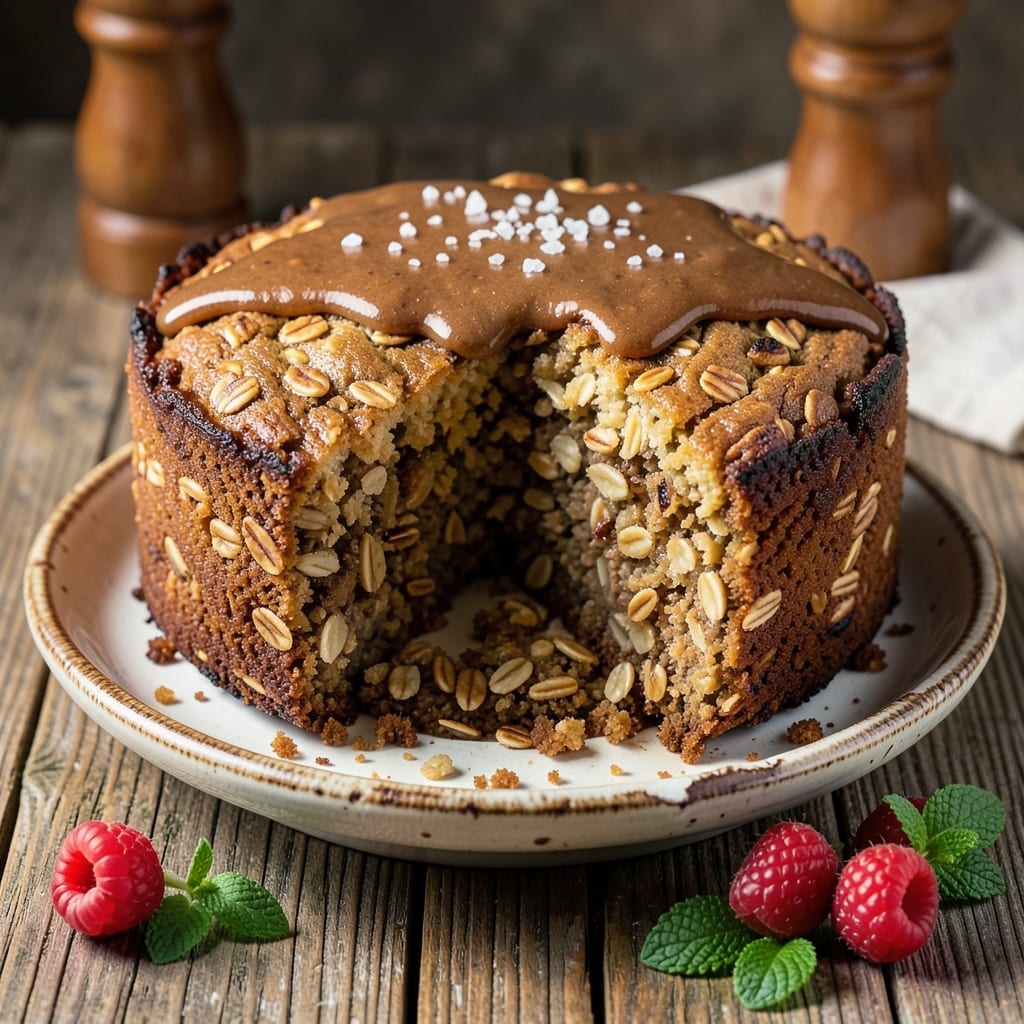
This baked oats cake delivers the perfect balance of moist vanilla layers and crunchy oat topping—a dessert that feels like comfort in every bite. 💛 The secret lies in blending rolled oats into the batter for texture while keeping the crumb tender, and a warm spice blend that elevates simple ingredients into something extraordinary. I developed this recipe after years of testing, ensuring it bakes evenly and stays moist for days.
The beauty of this cake is its versatility—it’s foolproof for beginners but impressive enough for gatherings, with a one-bowl method that cuts down on cleanup. The oats add a satisfying crunch that contrasts beautifully with the soft vanilla cake, while a touch of cinnamon and nutmeg infuses warmth into every slice. Perfect for breakfast or dessert, it’s the kind of recipe that becomes a household favorite.
What makes this recipe stand out is the moist texture that lasts beyond the first slice, thanks to a simple but effective technique: mixing the dry ingredients separately and folding them gently into the wet. The result is a cake with layers of flavor—vanilla’s sweetness, oats’ nutty crunch, and spices that linger on the palate. It’s the kind of dessert that feels special without requiring fancy ingredients.
Whether you’re baking for a family brunch or a cozy evening treat, this cake delivers restaurant-quality results at home. The recipe includes optional variations like chocolate swirl or citrus zest for those who want to customize. Let’s get baking—this dessert is worth every effort.
Ingredients for baked oats cake
This warm spice blend and rolled oats transform simple pantry staples into a moist, crunch-topped masterpiece.
| Ingredient | Amount | Notes |
|---|---|---|
| Rolled Oats 🌾 | 1 cup | Old-fashioned, not quick oats |
| All-Purpose Flour 🌾 | 1 ½ cups | Sifted for even texture |
| Granulated Sugar 🍚 | 1 cup | Light brown preferred |
| Light Brown Sugar 🍚 | ½ cup | Packed for moisture |
| Unsalted Butter 🧈 | ¾ cup | Room temperature, cubed |
| Large Eggs 🥚 | 2 whole | Room temperature, lightly beaten |
| Pure Vanilla Extract 🌸 | 1 tbsp | High-quality, no imitation |
| Milk 🥛 | ½ cup | Whole milk preferred |
| Ground Cinnamon 🌿 | 1 ½ tsp | Freshly ground preferred |
| Ground Nutmeg 🌿 | ½ tsp | Freshly grated for warmth |
| Salt 🧂 | ½ tsp | Diamond Crystal preferred |
| Baking Powder 🍞 | 1 tsp | Freshly opened |
| Powdered Sugar 🍚 | ¼ cup | For topping, optional |
The rolled oats are non-negotiable—they deliver that signature crunch while blending seamlessly into the batter. Bob's Red Mill or Quaker Old Fashioned are my go-tos, but any brand labeled 'old-fashioned' works. For the sugars, light brown adds moisture while white keeps the cake tender; Domino or Sugar & Spice brands are reliable. The butter should be room temperature—cold cubes create pockets in the batter. If you're in a rush, microwave it for 40 seconds to just soften. The vanilla extract is where flavor elevates from good to extraordinary—Nielsen-Massey or McCormick Pure are worth the investment for that authentic aroma.
No rolled oats? Quick oats blended into a fine powder work in a pinch, though texture will differ slightly. Swap brown sugar for white if needed, but the cake may dry out faster. Room-temperature eggs are ideal, but if yours are straight from the fridge, let them sit in warm water for 5 minutes. The spices—cinnamon and nutmeg—are what make this cake special. Penzeys or Spicewalla offer premium ground spices, but the grocery store versions are fine if fresh. For a chocolate twist, fold in 2 oz of melted dark chocolate or cocoa powder. Citrus lovers can add 1 tbsp of lemon zest to the batter for brightness.
Store the cake in an airtight container at room temperature for up to 3 days, though it's best enjoyed fresh. For longer storage, wrap tightly in plastic and refrigerate for up to 1 week. The crunch topping stays crisp longer if you bake it separately and press it on just before serving. Leftovers reheat beautifully—wrap a slice in foil and warm for 10 seconds in the microwave. Freeze slices for up to 3 months by wrapping tightly in plastic wrap and aluminum foil.
Why You'll Love This Recipe
- No Mixer Needed: I swear by this recipe when my hands are full—just stir the oats, flour, and sugars together, then fold in melted butter. The texture comes from the oats absorbing everything like a sponge, so no overmixing or heavy dough to wrestle with.
- Caramel-Kissed Crunch: That light brown sugar and butter combo? It turns the edges into little golden pockets of chewy sweetness. Honestly, I’ll take a slice straight from the pan over fancier desserts any day—it’s like a hug in cake form.
- Breakfast or Dessert: Serve it warm with yogurt for a hearty morning treat or dust it with powdered sugar for an after-dinner bite. My kids ask for it both ways, and honestly? It’s the kind of recipe that feels like a cheat code for busy days.
- Half the Cost: A batch uses way less butter and sugar than most cakes, and oats stretch the flour so you’re not buying specialty ingredients. I made two layers for under $5—leftovers? Even better. They keep for days, so I can bake once and enjoy twice.
Step-by-step instructions for warm spice oat cake
Precision matters here—each step builds the signature texture and flavor.
👨🍳 Step 1: Prepare the Dry Ingredients
Preheat your oven to 350°F and grease a 9-inch round cake pan or line it with parchment paper. In a medium bowl, whisk together the 1 cup rolled oats, 1.5 cups all-purpose flour, 1.5 tsp ground cinnamon, 0.5 tsp ground nutmeg, 0.5 tsp salt, and 1 tsp baking powder. Sift the mixture to remove any lumps and ensure even distribution of the spices.
I like to use a fine-mesh sieve for this step—it creates a lighter texture in the final cake. Set the dry mixture aside while you prepare the wet ingredients. The spices need time to bloom fully, so don't rush this preparation.
🍳 Step 2: Cream Butter and Sugars
In a separate large bowl, combine the 0.75 cup unsalted butter (at room temperature), 1 cup granulated sugar, and 0.5 cup light brown sugar. Using an electric mixer on medium-high speed, beat for 3-4 minutes until the mixture is light and fluffy, with ribbons forming when the beaters are lifted.
This creaming process incorporates air into the batter, which creates the tender crumb we want in this cake. You'll know it's ready when the mixture nearly doubles in volume and becomes pale in color. If your butter isn't soft enough, let it sit at room temperature for another 10 minutes before proceeding.
👨🍳 Step 3: Combine Wet Ingredients
Add the 2 whole large eggs one at a time, mixing well after each addition. Then stir in the 1 tbsp pure vanilla extract and 0.5 cup milk until just combined. The mixture should be smooth but not overly thick—it's okay if it looks slightly curdled at this stage.
Here's where the magic happens: gradually add the dry ingredients to the wet mixture in 3 additions, mixing on low speed just until combined after each addition. Overmixing develops gluten, which can make the cake dense. Stop mixing as soon as you see no more flour streaks remaining.
🥘 Step 4: Fold in Rolled Oats
Using a silicone spatula, gently fold in the 1 cup rolled oats until evenly distributed throughout the batter. The oats will add a delightful crunch and moisture to the cake. Be careful not to overmix—just combine until the oats are evenly dispersed.
This is the moment that matters: the texture contrast between the moist cake layers and the crunchy oats is what makes this recipe special. Pour the batter into your prepared cake pan and smooth the top with a spatula. The batter should reach about ¾ of the way up the sides of the pan.
🔥 Step 5: Bake to Golden Perfection
Bake for 30-35 minutes or until a toothpick inserted into the center comes out clean. The cake should have a golden brown top with a slight crack in the center—that's your signal it's done. If the top browns too quickly, tent the pan with aluminum foil during the last 10 minutes of baking.
Remove from the oven and let the cake cool in the pan for 10 minutes before transferring to a wire rack. While it's still warm, dust the top with the 0.25 cup powdered sugar if desired. Serve warm for the best texture—each slice should be moist with tender layers and a subtle crunch from the oats.
Pro Tips For Making Baked Oats Cake
- TOAST THE OATS FIRST: I learned this the hard way—skipping the toasting step makes your cake taste bland and gummy. Spread the rolled oats on a baking sheet and toast at 350°F (175°C) for 8–10 minutes until they smell nutty and turn a deeper gold. Let them cool before mixing, or your butter will turn into soup.
- CREAM THE BUTTER SUGAR LONG: Don’t rush this part. Beat the unsalted butter, granulated sugar, and brown sugar together for a solid 3–4 minutes until the mixture is pale and fluffy—almost like whipped cream. This isn’t just about sweetness; it’s what makes your cake tender. (Yes, even if you’re impatient like me.)
- DON’T OVERMIX THE BATTER: Once you fold in the flour and oats, stop after 10–12 strokes. Overmixing develops gluten, and your cake will turn out dense instead of light and crumbly. The batter will look slightly lumpy, and that’s exactly how it should be—your future self will thank you.
- USE COLD BUTTER FOR LAYERS: Take the butter straight from the fridge and cut it into cubes. Cold butter creates pockets of steam in the oven, giving your cake that signature moist, layered texture. If you’re tempted to soften it first, resist—this is the thing that matters most for that perfect crumb.
Creative variations of these flavors
Chocolate Swirl Twist
For chocolate lovers, fold ½ cup melted dark chocolate (60-70% cocoa) into the batter after mixing the wet ingredients. Use a knife to create gentle swirls before baking—this adds pockets of rich cocoa that contrast beautifully with the vanilla base. I recommend Ghirardelli 72% Cacao for its balanced bitterness. For extra decadence, sprinkle ¼ cup chopped dark chocolate chunks on top before baking. 🍫
Citrus Zest Brightness
Add 1 tbsp lemon zest or orange zest to the batter for a refreshing twist that cuts through the richness. Pair with ½ tsp cardamom for a Scandinavian-inspired flavor profile. The zest should be finely grated—no need for pith. For presentation, garnish with thin citrus slices on top. This variation works especially well with a cream cheese frosting. 🍊
Apple Cinnamon Crunch
Incorporate ½ cup finely diced apples (like Honeycrisp or Granny Smith) into the batter for a subtle fruit flavor. Toss them with 1 tsp cinnamon before folding in. Top with an extra ¼ cup chopped pecans for crunch. This version tastes like autumn in every bite and pairs perfectly with vanilla ice cream. 🍏
Coconut Almond Delight
Swap ½ cup rolled oats for ½ cup unsweetened shredded coconut and add ¼ cup sliced almonds to the batter. Toast the almonds first for 3 minutes at 350°F to enhance their flavor. This tropical-inspired variation adds a nutty, slightly sweet contrast that works beautifully with a coconut whipped cream topping. 🥥
Spiced Pumpkin Version
Blend ½ cup canned pumpkin puree (unsweetened) into the wet ingredients and increase the spices to 2 tsp cinnamon and 1 tsp pumpkin pie spice. Reduce the milk to ¼ cup to maintain moisture balance. This seasonal variation has a denser texture with warm pumpkin notes that make it perfect for fall gatherings. 🎃
Gluten-Free Adaptation
Replace the all-purpose flour with a 1:1 gluten-free flour blend (like Bob's Red Mill 1-to-1) and add ½ tsp xanthan gum to the dry ingredients. Use ½ cup gluten-free rolled oats to ensure proper texture. The cake will be slightly denser but still moist—great for those with dietary restrictions. 🌾
Nutrition facts
Frequently asked questions
Can I use quick oats instead of rolled oats?
Quick oats work in a pinch, but they won't give the same texture. For best results, pulse rolled oats in a food processor until finely ground before mixing into the batter. This mimics the texture of quick oats while keeping the signature crunch. If you must use quick oats, reduce the amount by 2 tablespoons to prevent a gummy texture.
Why did my cake turn out dense? Overmixing the batter or using cold butter are the most common causes.
Can I make this cake gluten-free?
Replace the all-purpose flour with a 1:1 gluten-free flour blend and add ½ teaspoon xanthan gum to the dry ingredients. Use ½ cup gluten-free rolled oats to maintain texture. The cake will be slightly denser but still moist, with a wonderful crunch from the oats.
How do I store leftovers?
Keep the cake in an airtight container at room temperature for up to 3 days, though it's best enjoyed fresh. For longer storage, wrap tightly in plastic and refrigerate for up to 1 week. To reheat, wrap a slice in foil and warm for 10 seconds in the microwave. The crunch topping stays crispest when baked separately and pressed on just before serving.
Can I add fruit to this recipe?
Yes! Finely diced apples or berries work beautifully—toss them with 1 teaspoon cinnamon before folding into the batter. For a citrus twist, add 1 tablespoon lemon or orange zest to brighten the flavor. Just be sure to reduce the milk by 2 tablespoons if adding wet ingredients like fruit puree to maintain the right moisture balance.