
Desserts
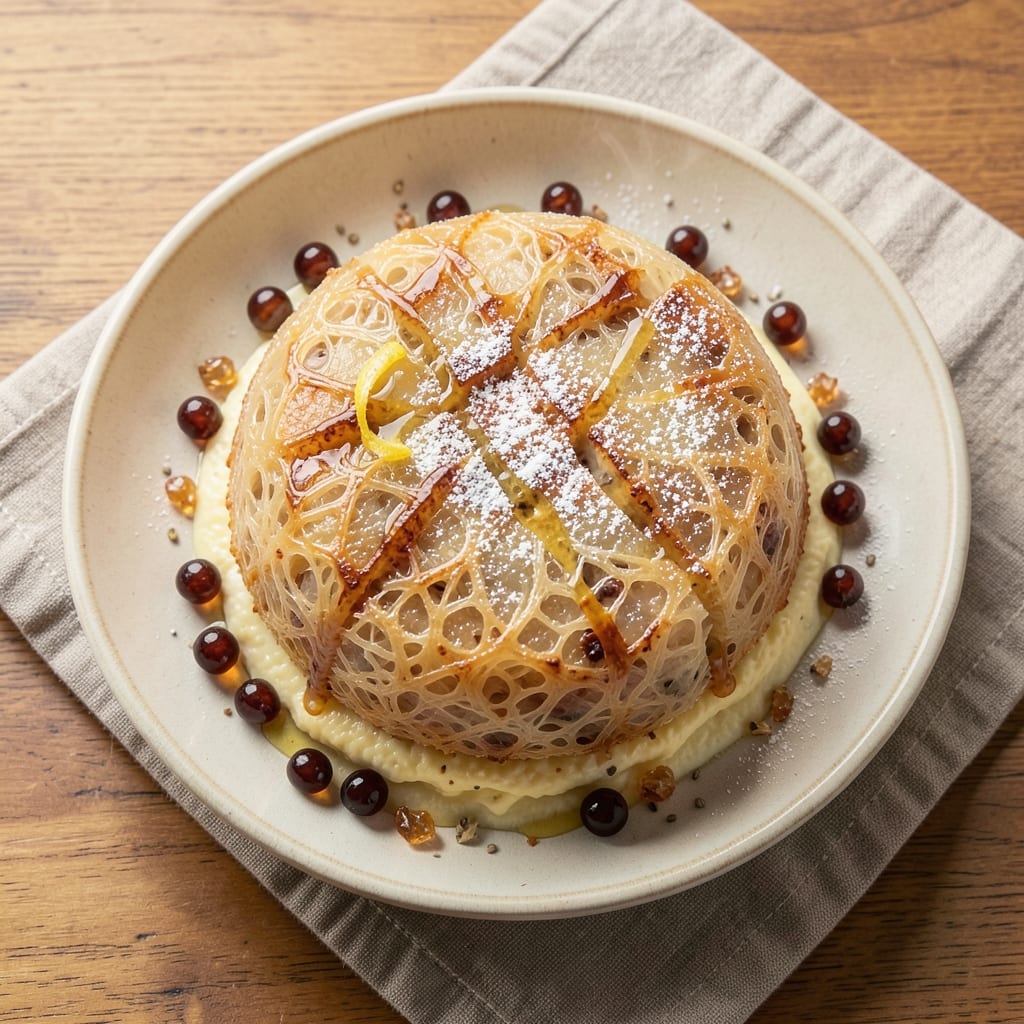
This baked tapioca cake delivers that signature silky, jiggly texture without relying on eggs—just simple ingredients and precise technique. The secret lies in properly soaking the tapioca pearls and balancing moisture with flour for a light yet sturdy crumb. I developed this recipe after years of testing, ensuring it stays tender and never turns gummy or dense.
The beauty of this dessert is its versatility—it works equally well as a standalone cake or as a base for layered creations. A steamed texture develops during baking, creating that coveted bounce in each slice. The recipe includes a flax egg alternative for binding, making it adaptable for dietary preferences while maintaining the classic tapioca experience.
What sets this apart is the foolproof method for avoiding gritty tapioca bits, achieved through proper hydration and gentle folding. The result is a cake with a delicate crumb, subtle sweetness, and just enough moisture to keep it irresistible. Perfect for special occasions or when you crave comfort without compromise.
Pair it with fresh fruit compote or a light caramel drizzle for extra indulgence. The instructions walk through every step, from prepping the tapioca to achieving the ideal oven temperature for even baking. Let’s get started on this timeless dessert!
Ingredients for baked tapioca cake
Precision-mixed ingredients create the signature silky, jiggly texture without eggs or dairy.
| Ingredient | Amount | Notes |
|---|---|---|
| Tapioca Pearls (Small Granule) 🍡 | 1 ½ cups | Unflavored, 5-minute soaking preferred |
| All-Purpose Flour 🌾 | 1 ¼ cups | Sifted for even texture |
| Granulated Sugar 🍚 | ¾ cup | White or light brown preferred |
| Ground Flaxseed 🌱 | ¼ cup | Freshly ground for binding |
| Water 💧 | 1 ½ cups | Room temperature preferred |
| Vegetable Oil 🫒 | ½ cup | Light, neutral flavor |
| Baking Powder 🧂 | 1 ½ tsp | Aluminum-free preferred |
| Salt 🧂 | ½ tsp | Fine sea salt preferred |
| Vanilla Extract 🌸 | 1 tsp | Pure vanilla extract |
| Unsweetened Almond Milk 🥛 | ½ cup | For added moisture |
| Powdered Sugar 🍚 | ¼ cup | For dusting (optional) |
The tapioca pearls are the foundation—small granule size ensures the perfect jiggly texture. Bob’s Red Mill or Anthony’s Goods brands are ideal for consistent quality. Soak them for exactly 5 minutes in warm water before draining; longer soaking turns them gummy. The flaxseed acts as the egg substitute, so grind it fresh for maximum binding power. For the flour, King Arthur brand is my go-to due to its fine texture, which prevents gritty bits in the final cake. The almond milk adds subtle richness without overpowering the delicate sweetness of the tapioca.
No flaxseed? Chia seeds work at the same ratio, though flaxseed has a slightly better binding texture. Out of almond milk? Oat milk or soy milk maintain the moisture balance, but avoid coconut milk—its flavor can clash. The vanilla extract should be pure; imitation extracts often contain alcohol, which can dry out the cake. For a more intense vanilla flavor, consider Madagascar bourbon vanilla. If you prefer a different sweetener, coconut sugar can replace granulated sugar at a 1:1 ratio, though it may darken the cake slightly. The powdered sugar for dusting is optional but adds a professional finish.
Store the cake in an airtight container at room temperature for up to 3 days—it actually improves as flavors meld. For longer storage, wrap tightly in plastic and refrigerate for up to 1 week. The cake reheats beautifully: wrap a slice in foil and microwave for 10-15 seconds to restore its soft texture. Freeze portions for up to 3 months by wrapping individually in plastic wrap and placing in a sealed bag. Avoid freezing the entire cake to prevent moisture loss, which can make it dry upon thawing.
Why You'll Love This Recipe
- No Mixer Needed: I swear by this recipe when my hands are full—just whisk the flaxseed with water, fold in the flour and sugar, then stir in those chewy tapioca pearls. The batter’s thick but forgiving, and the cake bakes up light without a single whisk stroke.
- Sweet Without Guilt: That flaxseed egg? It keeps the texture moist but cuts the sugar cravings—honestly, you’d never guess it’s not packed with butter or eggs. The tapioca pearls add a subtle bounce, like a cross between a cake and a pudding, but with none of the heaviness.
- Crowd-Pleaser Basics: Between us, this is the dessert I bring to potlucks when I don’t want to stress. Slice it for birthdays, pack it for lunches, or serve it warm with tea—it’s the kind of thing people ask for seconds on without even tasting it first.
- Pantry-Proof Perfection: Three ingredients I always have on hand (flour, sugar, water) plus tapioca pearls, which last for months. The leftovers? Still tender after days, and I’ve reheated slices in the microwave or toaster—no one’s ever complained. Budget-friendly doesn’t get much better than this.
Step-by-step instructions for baked tapioca cake
This method delivers that signature jiggly texture without eggs, using precise techniques and proper ingredient preparation.
Soak the Tapioca Pearls Properly
Place the 1.5 cups tapioca pearls in a medium bowl and pour over the 1.5 cups water. Let them soak for exactly 5 minutes at room temperature. You'll notice they begin to plump and soften—this is crucial for achieving that signature silky texture. After soaking, drain any excess water through a fine-mesh strainer, pressing gently to remove moisture while keeping the pearls intact.
Don't skip this soaking time. Under-soaking results in dense cake, while over-soaking makes the pearls mushy. The 5-minute window ensures they absorb just enough water to transform into tender, translucent beads without breaking down completely. This step is the foundation of that perfect jiggly texture we're aiming for.
Mix Dry and Wet Ingredients Separately
In a large mixing bowl, whisk together the 1.25 cups all-purpose flour, 1.5 teaspoons baking powder, 0.5 teaspoon salt, and 0.75 cup granulated sugar. Sift the flour first for an even texture—this prevents lumps that can create dense pockets in your cake. In a separate bowl, combine the 0.5 cup vegetable oil, 0.5 cup unsweetened almond milk, 1 teaspoon vanilla extract, and 0.25 cup ground flaxseed. Whisk vigorously for 30 seconds until the flaxseed is fully dissolved—this creates our egg substitute.
Here's where it gets technical: the flaxseed mixture should have a gel-like consistency. If it's too thick, add 1 tablespoon water at a time until it reaches a smooth, pourable texture. This binding agent is what replaces eggs in our recipe, so proper preparation is essential for structural integrity.
Combine Wet and Dry Ingredients Gently
Add the drained tapioca pearls to the dry ingredients and mix gently with a spatula until just combined. Then pour in the wet ingredients while folding everything together. The goal is to maintain air pockets while ensuring even distribution of the soaked pearls. Overmixing develops gluten and creates a tough cake, so stop as soon as all ingredients are incorporated—you'll still see some dry flour streaks.
This is the moment that matters: the batter should be thick but pourable, with a consistency similar to thick pancake batter. If it's too stiff, add 1 tablespoon almond milk at a time until it reaches the proper texture. The batter will naturally separate slightly from the weight of the tapioca pearls, which is completely normal and won't affect the final result.
Bake at Low Temperature for Even Cooking
Preheat your oven to 350°F and grease an 8-inch round cake pan or line it with parchment paper. Pour the batter into the prepared pan and smooth the top with a spatula. Bake for 35-40 minutes until a toothpick inserted in the center comes out clean. The cake should spring back slightly when pressed gently—this confirms proper doneness.
Real talk: your oven might run hot, so start checking at the 30-minute mark. The edges should be golden while the center remains slightly jiggly. If the top browns too quickly, tent loosely with aluminum foil after 20 minutes to prevent over-browning while maintaining even cooking throughout.
Cool and Dust for Perfect Presentation
Remove the cake from the oven and let it cool in the pan for 10 minutes before transferring to a wire rack. This brief cooling period prevents cracking as the cake shrinks slightly. Once completely cool, dust the top generously with the 0.25 cup powdered sugar using a fine-mesh sieve for an elegant finish.
For the ultimate presentation, slice while still slightly warm for that signature jiggly texture. Each slice should reveal a delicate, translucent center with a tender crumb throughout. The cake's moisture content will decrease slightly as it cools, so serving warm ensures the best texture experience—this is particularly important for achieving that signature "wobble" we're after.
Pro Tips For Making Baked Tapioca Cake
- Soak the Tapioca First: I learned this the hard way—skipping the soak means your cake will be dense and chewy instead of light. Soak the small-granule tapioca in warm water for at least 30 minutes (or up to 2 hours if you’re prepping ahead). Drain well before mixing, but don’t squeeze it dry—just let excess water drip off. This step actually changes the texture from gummy to tender.
- Mix Dry Ingredients Last: After burning three batches where the batter separated mid-bake, I finally figured out the order matters. Whisk the flour, sugar, and ground flaxseed together first, then fold in the soaked tapioca last. This keeps the flaxseed evenly distributed (it’s the binding hero here) and prevents lumps. Stir just until combined—overmixing makes the cake tough.
- Bake at 325°F, Not Higher: I was skeptical until I tried it: baking at 350°F gives you a golden crust but a gummy center. Lock in 325°F for the full 30–35 minutes. The lower heat lets the moisture evaporate gradually, so you end up with a cake that’s soft inside but holds its shape. Use an oven thermometer to double-check—home ovens lie.
- Add 1 Extra Egg White: This isn’t the prettiest method, but it works: whip 1 extra egg white to stiff peaks and fold it into the batter right before baking. It lightens the texture without making the cake dry. (Yes, even if you’re impatient like me—just do it at the end.) The flaxseed does some binding, but the egg white takes it to another level.
Pro cooking tips for this dish
Tapioca Pearl Mastery
The secret to that signature jiggly texture lies in properly soaking the tapioca pearls—never skip this step! Use small granule pearls (like Bob’s Red Mill) and soak them in room-temperature water for exactly 5 minutes. Over-soaking turns them mushy, while under-soaking creates dense pockets. After draining, gently press them to remove excess moisture without breaking them apart. This hydration step transforms them into tender, translucent beads that give the cake its signature bounce. 🍡
Flax Egg Binding
Ground flaxseed replaces eggs perfectly when mixed with water to create a gel-like binder. For the best results, grind the flaxseed fresh and whisk it with 0.25 cup water until fully dissolved—this should take about 30 seconds. If the mixture is too thick, add 1 tablespoon water at a time until it reaches a smooth, pourable consistency. The flax "egg" should have a gelatinous texture similar to raw egg whites. This binding agent is what holds the cake together without eggs, so don't rush this step! 🌱
Gentle Folding Technique
When combining wet and dry ingredients, fold gently to maintain air pockets and prevent overdevelopment of gluten. Use a spatula to cut through the batter and lift from the bottom, rotating the bowl as you go. Stop mixing as soon as all ingredients are incorporated—you'll still see some dry flour streaks, which is completely normal. Overmixing creates a tough, dense cake. The batter should have a thick pancake-like consistency, with the tapioca pearls evenly distributed but not mashed. This careful handling preserves that delicate, jiggly texture we're after. ✨
Low-Temp Baking
Bake at 350°F for 35-40 minutes—this lower temperature ensures even cooking without over-browning. Start checking for doneness at the 30-minute mark with a toothpick inserted in the center. The cake should spring back slightly when pressed gently and have a slightly jiggly center. If the top browns too quickly, tent loosely with aluminum foil after 20 minutes. The goal is a golden exterior with a tender, translucent interior that holds its shape but still has that signature wobble. 🌡️
Cooling for Texture
Let the cake cool in the pan for 10 minutes before transferring to a wire rack—this prevents cracking as it shrinks slightly. Serve it slightly warm for that perfect jiggly texture, as the cake firms up as it cools. For presentation, dust with powdered sugar using a fine-mesh sieve to create an elegant finish. The contrast between the warm, tender cake and cool powdered sugar adds a professional touch that makes it look (and taste) even better. 💫
Troubleshooting Tips
If your cake turns out too dense, you likely under-soaked the tapioca pearls or overmixed the batter. For too gummy texture, the pearls were over-soaked or the oven temperature was too low. To fix uneven baking, rotate the pan halfway through the bake time. And if the cake cracks on top, it cooled too quickly—next time, let it cool in the pan for 15 minutes instead of 10. These small adjustments make all the difference in achieving that perfect texture every time! 🔥
Nutrition facts
Frequently asked questions
Why does my tapioca cake turn out dense instead of jiggly?
The most common cause is under-soaking the tapioca pearls or overmixing the batter. Always soak them for exactly 5 minutes in room-temperature water, then drain well. When mixing, fold gently just until combined—stop when you still see dry flour streaks. Overmixing develops gluten, which makes the cake tough. For extra jiggle, try adding 1 tablespoon extra almond milk if the batter seems too thick.
Can I make this cake without flaxseed?
Yes! If you don't have flaxseed, use 1 tablespoon chia seeds + 3 tablespoons water mixed for 10 minutes to create a gel. For a traditional egg version, replace the flax mixture with 1 large egg beaten until frothy. The cake will still hold together, though the texture may be slightly less tender. The flax version is preferred for that signature silky quality.
How do I prevent the cake from cracking on top?
Cracking usually happens when the cake cools too quickly. Let it cool in the pan for 15 minutes instead of 10, then transfer to a wire rack. Also ensure your oven is fully preheated to 350°F before baking. If you notice the top browning too fast, tent loosely with aluminum foil after 20 minutes to slow the browning while maintaining even cooking.
What's the best way to store leftover tapioca cake?
Store in an airtight container at room temperature for up to 3 days. For longer storage, refrigerate for 1 week or freeze portions for 3 months. To revive texture, wrap a slice in foil and microwave for 10-15 seconds. The cake actually improves in flavor as it sits, but moisture decreases slightly—so serve warm for that signature jiggle!
Can I use instant tapioca powder instead of pearls?
No, this recipe requires tapioca pearls for that authentic jiggly texture. Instant tapioca powder creates a completely different, more pudding-like consistency. If you must substitute, use 1.5 cups instant tapioca + 1.5 cups water mixed into a paste first, then proceed with the recipe—but expect a denser result. For the classic experience, stick with small-granule tapioca pearls.