
Desserts
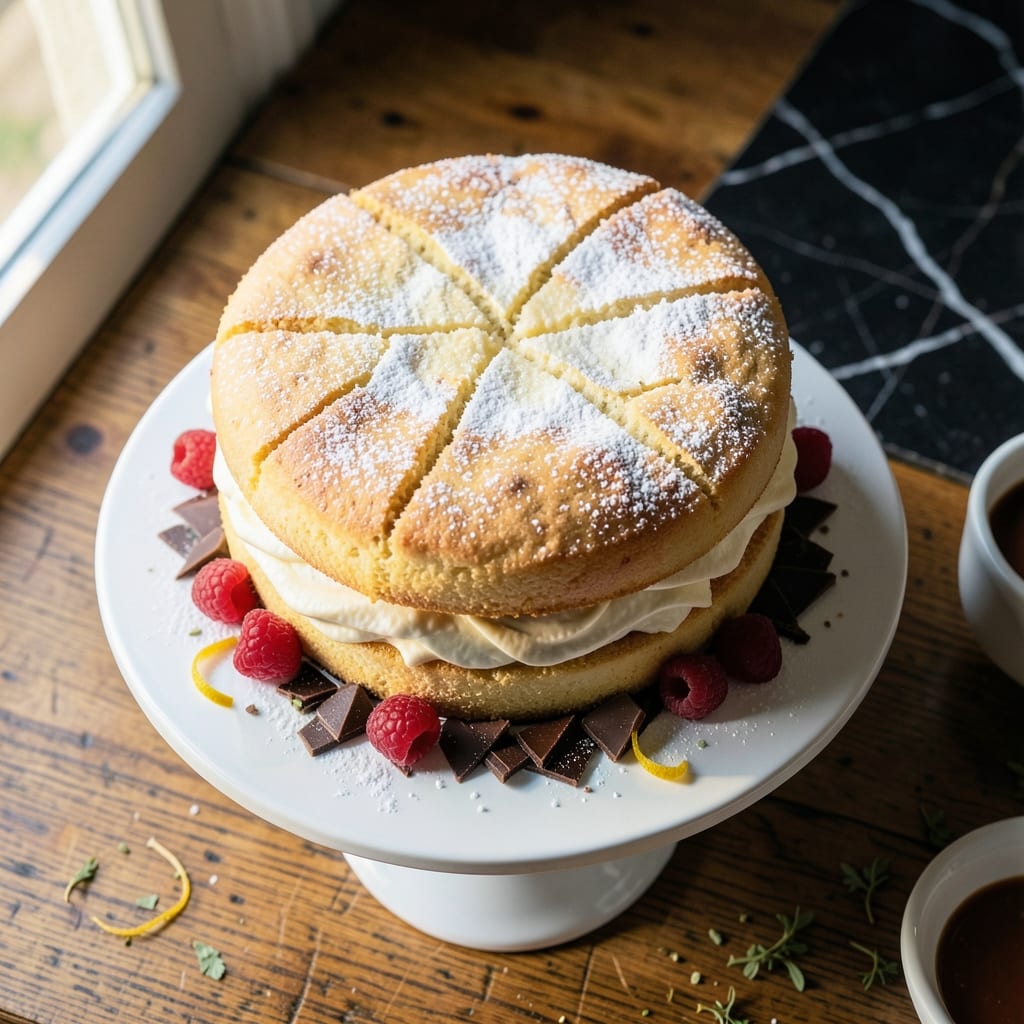
This bakery-like cake recipe delivers the kind of light, airy layers and buttery frosting you'd expect from a professional patisserie. The secret lies in precise measurements and gentle folding techniques that create a tender crumb—no dense, dry cake here. I’ve perfected this over years of baking, and it’s the one recipe my family begs me to make for birthdays and holidays.
What sets this apart is the three-step mixing process that ensures fluffy layers without overmixing, followed by a smooth vanilla buttercream that’s rich but not heavy. The oven temperature and baking time are critical—too hot, and the cake dries out; too cool, and it stays gummy. I’ll walk you through every detail, from preheating to frosting, so you get that bakery-fresh finish.
The result? A cake with golden, even layers, a tender crumb that melts in your mouth, and a frosting so creamy it slides off the knife. This isn’t just a cake—it’s a showstopper that’ll have everyone asking for the recipe. Let’s get started on creating something truly special.
Whether you’re a beginner or an experienced baker, this recipe is designed to deliver restaurant-quality results at home. The frosting is stable enough to pipe clean borders, and the layers hold together perfectly when sliced. Ready to impress?
Ingredients for bakery like cake
These precise ingredients create bakery-style layers and velvety frosting—no shortcuts, just professional results.
| Ingredient | Amount | Notes |
|---|---|---|
| All-Purpose Flour 🌾 | 3 ½ cups | Sifted for light texture |
| Granulated Sugar 🍚 | 2 ¼ cups | Divided for layers and frosting |
| Unsalted Butter 🧈 | 2 cups | Room temperature, full-fat preferred |
| Large Eggs 🥚 | 6 whole | Room temperature, separated |
| Pure Vanilla Extract 🌿 | 2 tbsp | High-quality, Madagascar bourbon preferred |
| Baking Powder 🧂 | 2 tsp | Aluminum-free for tender crumb |
| Salt 🧂 | ½ tsp | Fine sea salt, kosher preferred |
| Milk 🥛 | 1 cup | Room temperature, whole preferred |
| Powdered Sugar 🍚 | 4 cups | For frosting, sifted |
| Heavy Cream 🥛 | 1 cup | Cold, for stable buttercream |
| Cornstarch 🌾 | 1 tbsp | For frosting stability |
The flour and butter are the foundation—King Arthur or Gold Medal flour gives the best lift, and Land O'Lakes unsalted butter (the salted kind works too) ensures rich flavor. Eggs should be room temperature—cold ones make the batter dense. I always grab Bob's Red Mill baking powder for reliability, but any brand with aluminum-free label works. The vanilla extract? Madagascar bourbon has deeper notes, but imitation works in a pinch. Store your flour in the freezer to prevent rancidity—it keeps for years that way, and the butter should be used within 6 months of opening.
No vanilla extract? Almond extract at half the amount works, but the flavor is different. Short on powdered sugar? Sifted granulated sugar works in a bind, though it won’t be as smooth. The heavy cream must be cold—warm cream makes buttercream break. For a lighter frosting, whip the butter longer, but don’t overdo it or it’ll turn grainy. Meringue powder can replace eggs if you’re avoiding them, but the texture won’t be identical. The cornstarch is non-negotiable—it keeps the frosting stable for piping.
Flour and baking powder last 1 year in the pantry, but butter and eggs should be used within 3 months of opening. Store the frosting between layers in an airtight container in the fridge for up to 5 days, though it’s best used fresh. The cake layers themselves keep well wrapped at room temperature for 2 days, or frozen for 3 months. For a showstopper, bake and frost the day before—flavors meld overnight, and the cake sets perfectly.
Why You'll Love This Recipe
- No Mixer Needed: I swear by this—just a bowl, a whisk, and 10 minutes of elbow grease. The butter gets creamed by hand (yes, it’s that soft), the eggs fold in like butter, and before you know it, you’ve got a cake that looks like it came from a bakery’s rotating display.
- Vanilla Buttercream Dreams: That vanilla extract? Not the cheap stuff—real pure vanilla. Paired with the tender crumb from the flour and sugar combo, it’s the kind of flavor that makes you close your eyes and sigh. (Between us, I’ve been known to eat it straight from the bowl.)
- Birthday to Brunch: Slice it for a celebration or stack it for breakfast—this cake handles it all. Frost a layer for a party, or spread it with jam and serve it warm for a lazy Sunday. Honestly, I’ve even used it as a base for trifles (because why not?).
- Pantry Staple Magic: You’re already using what’s in your cupboard—no specialty ingredients, no last-minute grocery runs. A batch keeps for days (if it lasts that long), and the leftovers? Perfect for cake pops or French toast. Solid. Reliable. My secret weapon.
Step-by-step instructions for bakery-style vanilla layer cake
Here's how to create a cake so light and tender it'll fool even the most discerning baker.
Prepare the Cake Layers
Preheat your oven to 350°F and grease two 9-inch round cake pans with butter, then line the bottoms with parchment paper. In a large bowl, whisk together the 3.5 cups all-purpose flour, 2.25 cups granulated sugar, 2 tsp baking powder, and 0.5 tsp salt. Sift the dry ingredients together to ensure a light, airy texture—this prevents dense layers.
In a separate bowl, beat the 2 cups unsalted butter and 1 cup milk together until smooth, then gradually add the 6 whole large eggs, one at a time, beating well after each addition. Mix in the 2 tbsp pure vanilla extract until fully combined. With the mixer on low speed, gradually add the dry ingredients to the wet, mixing just until combined—overmixing develops gluten and makes the cake tough.
Divide the batter evenly between the prepared pans. Tap each pan gently on the counter to remove air bubbles, then bake for 25-30 minutes, or until a toothpick inserted into the center comes out clean. Let the cakes cool in the pans for 10 minutes, then transfer to a wire rack to cool completely before frosting.
Make the Buttery Vanilla Frosting
In a medium bowl, combine the 4 cups powdered sugar, 1 tbsp cornstarch, and a pinch of salt. This mixture ensures a smooth, stable frosting that won't be too sweet. In a separate bowl, whip the 1 cup cold heavy cream to stiff peaks—cold cream whips better and creates a lighter texture.
Gradually fold the powdered sugar mixture into the whipped cream using a spatula, mixing just until fully combined. Add the 2 tbsp pure vanilla extract and mix again. The frosting should be thick but spreadable—if it's too stiff, add 1-2 teaspoons of milk to loosen it. Cover and chill in the refrigerator for 30 minutes to firm up slightly before assembling the cake.
Assemble the Layers Like a Pro
Place the first cake layer on a cake stand or plate. Spread a thin layer of frosting over the top to prevent crumbs from getting into the filling. Add the second layer, then repeat with another thin layer of frosting. This "crumb coat" is essential for a clean, polished finish.
Once both layers are in place, spread the remaining frosting evenly over the top and sides of the cake. Use an offset spatula to create smooth, even strokes—press firmly to fill any gaps and achieve that bakery-style perfection. Chill the cake in the refrigerator for 1 hour before serving to allow the frosting to set completely.
Decorate for Show-Stopping Results
For a truly bakery-worthy finish, dust the top and sides of the cake with a fine layer of powdered sugar using a sieve. This adds a delicate, professional touch and enhances the contrast of the frosting. Alternatively, pipe swirls or rosettes of frosting around the edges for an elegant presentation.
The cake should be served at room temperature for the best texture. Each slice should reveal a moist, tender crumb with a rich, buttery flavor that lingers. Store any leftovers covered at room temperature for up to 3 days, or refrigerate for up to 5 days—just let it sit at room temperature for 30 minutes before serving again.
Pro Tips For Making Bakery Like Cake
- Weigh Your Butter: I learned this the hard way—packing butter into measuring cups leaves air gaps, and suddenly your cake’s texture turns dense. Use a kitchen scale for 225g (1 cup) of softened butter, then press it into the bowl with a spatula to melt it evenly. The difference in crumb is night and day.
- Mix Dry Ingredients First: Skip the "add flour to wet batter" chaos. Whisk your all-purpose flour, sugar, and any dry leavening (like baking powder) together in a separate bowl before combining. This cuts out lumps and ensures even distribution—no more flour pockets that make your cake sink in the middle.
- Room-Temp Eggs Matter: Cold eggs? They’ll curdle when hitting warm butter, leaving streaks in your batter. Pop your eggs out of the fridge 30 minutes before mixing, or even better, let them sit in warm water for 5 minutes. Smooth batter = consistent rise.
- Bake at 350°F, Not 375°F: I was skeptical until I tried it—bakery cakes rely on a slower, steadier bake at 350°F (175°C) to develop flavor and texture without over-browning. Yes, it takes 10-15 minutes longer, but the crumb stays tender, and the edges stay just golden, not burnt.
Best sauces and condiments for bakery like cake
Classic Vanilla Buttercream
This frosting is the star of your cake—smooth, rich, and perfectly sweet. I use 4 cups powdered sugar and 1 tbsp cornstarch to create a stable, pipeable consistency without graininess. The 1 cup cold heavy cream whipped to stiff peaks ensures a light texture, while the 2 tbsp vanilla extract adds depth. For extra flavor, fold in 1 tbsp lemon juice or 1 tsp almond extract for a twist. 🥛
Chocolate Ganache Drizzle
For a decadent touch, melt 8 oz dark chocolate (I love Ghirardelli 60%) with ½ cup heavy cream over a double boiler. Let it cool slightly, then drizzle over the cake after frosting. The contrast of chocolate and vanilla is irresistible. For a glossy finish, chill the cake for 15 minutes before drizzling. 🍫
Citrus Cream Cheese Frosting
Swap out the buttercream for a tangy twist: beat 8 oz cream cheese with 1 cup butter, 3 cups powdered sugar, and 2 tbsp lemon or orange zest. Add 2 tbsp lemon juice for brightness. This frosting pairs beautifully with the vanilla cake and adds a refreshing balance. Use a piped border for a bakery-style edge. 🍋
Caramel Dripping Delight
Heat 1 cup granulated sugar in a saucepan until melted, then add ¼ cup heavy cream and 2 tbsp butter. Let it cool slightly, then drizzle over the cake in zigzags. For extra flair, sprinkle with crushed pecans or sea salt flakes. The caramel adds a gooey, sweet contrast that’s pure indulgence. 🍯
Strawberry Filling Layer
For a fruity surprise, layer 1 cup fresh strawberries (hulled and sliced) between the cake layers. Mix with 2 tbsp apricot jam and 1 tsp lemon juice to bind. This adds moisture and a burst of summery flavor. Use a star tip to pipe extra frosting around the edges for a bakery-worthy look. 🍓
Salted Caramel Glaze
Simmer ½ cup heavy cream, ½ cup brown sugar, and 2 tbsp butter until thickened. Stir in ½ tsp flaky sea salt and let cool. Drizzle over the cake after frosting for a salty-sweet finish. The salt enhances the caramel’s richness, making every bite unforgettable. 🧂
Nutrition facts
Frequently asked questions
Why does this cake turn out so light and bakery-style?
The secret lies in the three-step mixing process and precise techniques. First, we sift the dry ingredients to incorporate air, then gently fold them into the wet mixture without overmixing—this prevents tough gluten development. The room-temperature butter and eggs blend smoothly for a tender crumb. Finally, the cold heavy cream in the frosting creates air pockets that make it light and fluffy.
Can I make this cake in a different pan size?
Yes, but adjust the baking time and batter quantity. For 8-inch pans, bake 20-25 minutes and use 2/3 of the batter per pan. For 10-inch pans, bake 30-35 minutes and use 1.5x the batter. Always check with a toothpick—it should come out clean. The cake layers should be 1-1.5 inches thick for proper structure.
How do I fix cracks in the frosting?
Cracks usually happen when the frosting is too warm or the cake isn't completely cooled. To fix them, chill the cake for 15 minutes to firm up the frosting, then use a palm frond or offset spatula to smooth the surface. For stubborn cracks, spread a thin layer of warmed apricot jam or lemon curd under the frosting to act as a glue.
Can I substitute buttercream with another frosting?
Try cream cheese frosting (mix 8 oz cream cheese with 1 cup butter and 3 cups powdered sugar) for tanginess, or ganache (melt 8 oz chocolate with ½ cup cream) for richness. For a lighter option, use Italian meringue buttercream, but it requires more skill. Always adjust sweetness to taste.
Why did my cake sink in the middle?
This usually happens from overbaking or opening the oven too soon. Check with a toothpick at 25 minutes—if it's clean, remove immediately. Also, ensure your oven isn't too hot (use an oven thermometer to confirm 350°F). For extra stability, chill the pans for 10 minutes before baking. A cool center is better than overdone edges!