
Desserts
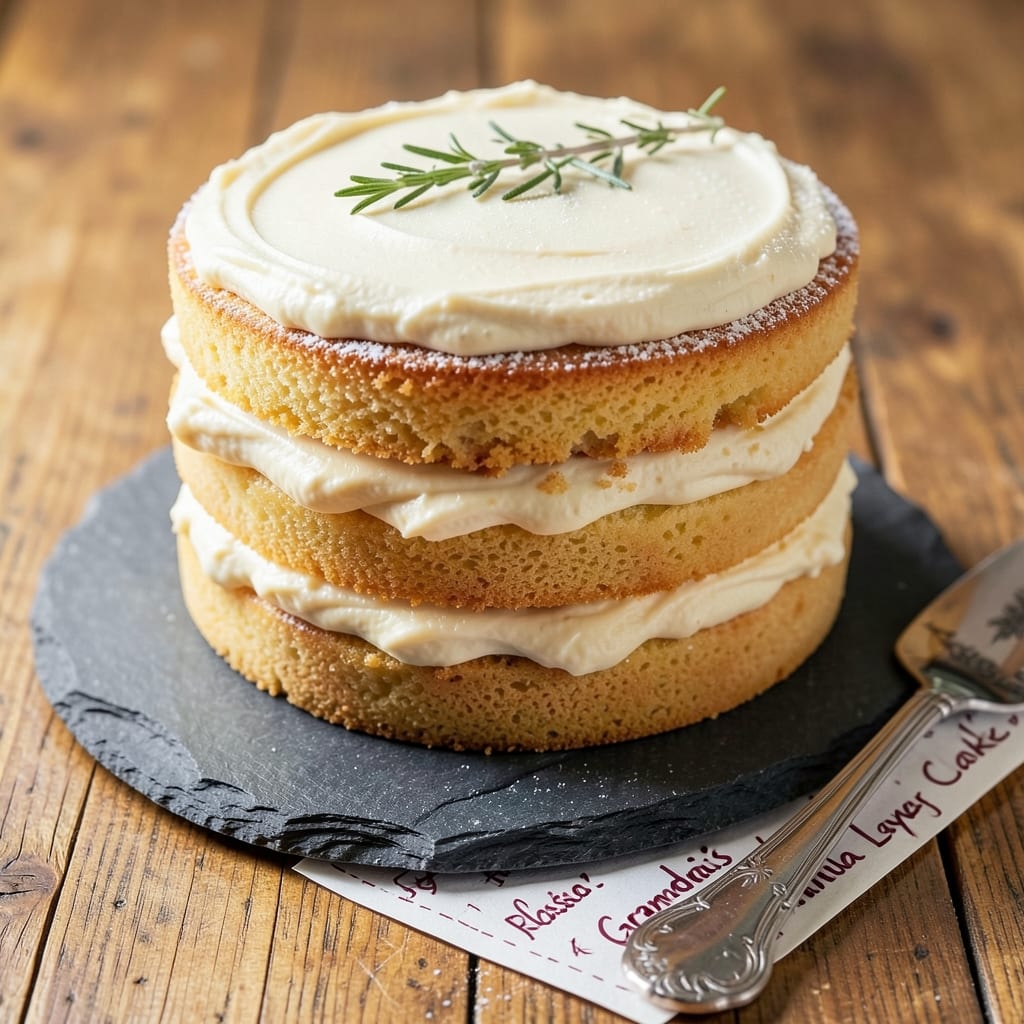
This baking soda and baking powder cake recipe delivers the perfect light-as-air texture by balancing chemical reactions for consistent rise every time. The secret lies in their distinct roles: baking powder provides lift through double-acting acids, while baking soda reacts with liquids for immediate carbon dioxide release. Together, they create a tender crumb that's impossible to resist.
What sets this cake apart is its foolproof method—no overmixing, no guesswork. The combination of these leavening agents ensures a fluffy, even rise without collapsing, even in high-altitude conditions. For best results, use room-temperature ingredients and measure flour precisely to avoid dense centers or flat tops.
By the time it emerges from the oven, you'll have a cake with a golden dome, fine crumb, and that signature tender bite. The texture stays moist for days, making it ideal for layering with frosting or serving plain. Whether you're a beginner or experienced baker, this recipe guarantees professional results with minimal effort.
The beauty of this formula is its versatility—swap flavors by adding cocoa, citrus zest, or spices while maintaining the same perfect texture. For troubleshooting, remember: overmixing develops gluten, while underbaking leaves a gummy center. Let's bake this cake to perfection.
Ingredients for baking soda and baking powder in cake
Pantry staples that transform into a cloud-like cake—no fancy ingredients, just perfect science.
| Ingredient | Amount | Notes |
|---|---|---|
| All-Purpose Flour 🌾 | 2 cups | Sifted for even texture |
| Granulated Sugar 🍚 | 1 ½ cups | White or light brown |
| Unsalted Butter 🧈 | 1 cup | Room temperature, cubed |
| Large Eggs 🥚 | 2 whole | Room temperature, separated |
| Baking Soda 🧂 | ½ tsp | Pure, aluminum-free |
| Baking Powder 🧂 | 2 tsp | Double-acting, fresh |
| Salt 🧂 | ½ tsp | Fine sea salt |
| Whole Milk 🥛 | ½ cup | Room temperature |
| Pure Vanilla Extract 🌸 | 1 tbsp | High-quality, 100% vanilla |
| Vegetable Oil 🫒 | ¼ cup | Light, neutral flavor |
| Cornstarch 🌾 | 1 tbsp | For tender crumb |
The leavening agents are non-negotiable here. Clabbered baking powder (old or exposed to moisture) will throw off your rise, so check the expiration date—Bob's Red Mill or King Arthur are my go-tos for freshness. Baking soda? Arm & Hammer Pure is aluminum-free, which means no metallic aftertaste. Both should be stored in airtight containers away from heat. For the flour, King Arthur or Gold Medal brands have consistent protein levels (10-11%), crucial for that tender crumb. If your kitchen's humid, let your flour sit in the freezer for 24 hours to absorb moisture before measuring—this prevents gummy cakes later.
No baking powder? Substitute with 2 tsp cream of tartar + 2 tsp baking soda, but your texture will be slightly denser. Short on vanilla? Vanilla bean paste or even a scraped vanilla bean adds depth without breaking the bank. The cornstarch might seem minor, but it's a game-changer for moisture retention—Bob's Red Mill is my preferred brand. Room-temperature butter is critical; if yours is stubbornly cold, microwave it for 20 seconds to soften without melting. And if you're at high altitude? Reduce baking powder by 1/4 tsp—this recipe still works like magic.
Store leftover cake in an airtight container with a slice of bread to keep it moist for up to 5 days. For longer storage, freeze slices wrapped in plastic for 3 months. The vanilla extract? It lasts indefinitely if sealed properly, so buy a big bottle. Flour should be used within 3 months of opening for best results, while baking powder loses potency after 6 months. Pro tip: Double the recipe and freeze half—thaw overnight in the fridge for a foolproof backup cake. This method ensures your cake always rises to perfection.
Why You'll Love This Recipe
- No-Mix Magic: I swear by this recipe when I’m too tired to cream butter and sugar properly. Just toss the dry ingredients—flour, sugar, baking soda—with melted butter and eggs, fold once, and bake. That’s it. No stand mixer, no fuss, no stress.
- Buttery Vanilla Hug: The combo of baking soda and baking powder gives this cake that perfect lift while keeping it tender—no dry crumbs here. And that rich, buttery flavor? It’s like a warm embrace in every bite, especially when you top it with a simple powdered sugar dusting.
- Weeknight Workhorse: This cake is my secret weapon for last-minute gatherings or when I need something fast. Double the batter, freeze half, and you’ve got a ready-to-bake backup for birthdays, potlucks, or even a lazy Sunday. (Yes, even on a Tuesday night.)
- Pantry Staple Power: Honestly, if you’ve got flour, sugar, butter, and eggs, you’ve got everything you need. No specialty ingredients, no extra trips to the store—just pure, budget-friendly baking. And leftovers? They disappear faster than I can say “second slice.”
Step-by-step instructions for a light-as-air cake
Here's how to master the balance of baking soda and baking powder for that perfect rise.
Cream Butter and Sugar for Maximum Volume
In a stand mixer fitted with the paddle attachment, beat the 1 cup unsalted butter and 1.5 cups granulated sugar on medium speed for 3-4 minutes. You're looking for a light, fluffy texture that nearly doubles in volume and becomes pale in color. This creaming process incorporates air, which is essential for that airy crumb we're after.
The reason we wait until the mixture is light and fluffy is that cold butter absorbs into the flour instead of creating that gorgeous, airy structure. If your butter isn't quite soft enough, let it sit at room temperature for another 10 minutes while you prepare the rest of your ingredients. You'll know it's ready when it leaves a slight indentation when pressed.
Add Eggs and Vanilla for Structure and Flavor
Add the 2 whole large eggs, one at a time, mixing on low speed for 30 seconds after each addition until fully incorporated. Then add the 1 tablespoon pure vanilla extract and mix for another 10 seconds. The eggs provide structure and moisture, while the vanilla adds that irresistible aroma that makes this cake irresistible.
I like to use room-temperature eggs because they blend more smoothly into the butter mixture. If your eggs are straight from the fridge, let them sit in warm water for about 5 minutes before using. This ensures they mix evenly and don't create pockets of unincorporated liquid in your batter.
Combine Dry Ingredients for Perfect Leavening
In a separate bowl, whisk together the 2 cups all-purpose flour, 0.5 teaspoon baking soda, 2 teaspoons baking powder, and 0.5 teaspoon salt. The baking soda and baking powder work together to create lift—baking soda reacts with acidic ingredients (like buttermilk or sour cream), while baking powder works independently. In this recipe, we're using both for maximum rise and tenderness.
Sift the dry ingredients together to aerate them and prevent lumps in your batter. This step is crucial for achieving that light, even texture. Once combined, gradually add the dry mixture to the wet ingredients in three additions, mixing on low speed just until combined after each addition. Overmixing develops gluten, which can make your cake tough instead of tender.
Incorporate Wet Additions for Moisture and Tenderness
Add the 0.5 cup whole milk, 0.25 cup vegetable oil, and 1 tablespoon cornstarch to the batter. The cornstarch is a secret weapon for achieving that tender crumb—it absorbs moisture and prevents the cake from becoming dense. Mix on low speed until just combined, scraping down the sides of the bowl as needed to ensure everything is evenly incorporated.
Here's the thing—don't overmix the batter. You want to see a few streaks of flour remaining, as this ensures a tender cake rather than a dense one. The batter should be smooth but not glossy. If it looks too thick, you can add a splash more milk, but be careful not to add too much or your cake may not rise properly.
Bake to Golden Perfection
Preheat your oven to 350°F and prepare two 8-inch round cake pans by greasing them thoroughly with butter and floured with a light dusting of flour. Divide the batter evenly between the two pans. Bake for 25-30 minutes or until a toothpick inserted into the center comes out clean and the top is golden brown.
I know it seems like a long time, but patience is key here. The cake needs time to set properly in the center while the edges brown. If you open the oven too early, the cake may collapse. Let the cakes cool in the pans for 10 minutes before transferring them to a wire rack to cool completely. This ensures they hold their shape and don't fall apart when you go to frost them.
Pro Tips For Making Baking Soda And Baking Powder In Cake
- Whisk Soda First: Mix the baking soda with your wet ingredients before adding flour—this guarantees it activates fully and lifts the cake properly. I learned this the hard way when my first batch turned out dense; the soda just sat there, doing nothing.
- Measure Butter Cold: Scoop unsalted butter straight from the fridge and pack it firmly into your measuring cup—no softening needed. This keeps your cake tender, not greasy, and prevents overmixing when you cream it later.
- Skip Overmixing Eggs: Whisk eggs just until yolks and whites blend—no need for a frothy meringue. Overworking them adds air that collapses when baking, leaving you with a flat cake instead of a light one.
- Test Doneness Early: Pull the cake at the minimum time on the recipe—it’ll look underdone. Press the center: if it springs back slowly but leaves a faint imprint, it’s done. Waiting too long turns your cake into a brick.
Flavor customization for this dish
Citrus Zest Brightness
Add 1 tablespoon lemon or orange zest to the dry ingredients for a vibrant twist. The citrus oils enhance the vanilla flavor while keeping the cake's tender crumb. For extra brightness, fold in 1 tablespoon fresh lemon juice with the milk. This works especially well with vanilla or white chocolate frostings. 🌟
Chocolate Indulgence
Replace ½ cup of flour with ½ cup unsweetened cocoa powder for a rich chocolate version. Use 1 teaspoon extra baking powder to compensate for cocoa's density. Add ¼ cup hot coffee to the milk for deeper chocolate flavor. This variation pairs perfectly with cream cheese frosting.
Spiced Warmth
Add ½ teaspoon cinnamon and ¼ teaspoon nutmeg to the dry ingredients for a cozy spiced cake. For extra warmth, fold in 2 tablespoons chopped crystallized ginger with the milk. This version tastes amazing with brown sugar buttercream or caramel glaze. Perfect for fall or holiday baking!
Fruit Infusions
Fold in ½ cup finely chopped fresh berries (like raspberries or blueberries) or ½ cup diced apples with the milk. For tropical flavors, use ½ cup diced pineapple or ½ cup mango purée. These additions add natural sweetness and moisture while keeping the cake's signature tenderness. 🍓
Nutty Crunch
Fold in ½ cup chopped walnuts or pecans with the milk for added texture. Toast the nuts first for enhanced flavor. This variation works beautifully with honey butter or maple cream cheese frosting. For a more decadent touch, add ¼ cup chocolate chips along with the nuts.
Salted Caramel Twist
Add 2 tablespoons caramel sauce to the milk mixture for a sweet-salty flavor profile. Sprinkle ¼ teaspoon flaky sea salt over the batter before baking. Top with a drizzle of caramel and flaky salt after baking for a restaurant-quality finish. This version pairs perfectly with vanilla bean frosting.
Nutrition facts
Frequently asked questions about baking soda and baking powder in cakes
Why do cakes need both baking soda and baking powder?
Baking soda and baking powder serve different roles: baking soda needs an acidic ingredient (like buttermilk or citrus) to activate, while baking powder works alone. Together, they create a more reliable rise—baking powder provides lift throughout baking, while baking soda gives an immediate boost. This combo ensures a tender crumb and prevents flat cakes.
Can I substitute baking soda for baking powder in this recipe?
No—don't make this swap! Baking soda requires acid to activate, so your cake would collapse unless you add vinegar or lemon juice. For baking powder, use 2 tsp double-acting powder (like in this recipe) for every 1 tsp baking soda. The texture will differ slightly, but the rise will be similar. Always measure fresh leaveners for best results.
What happens if I overmix the batter?
Overmixing develops gluten, making your cake tough instead of tender. The batter should look smooth with just a few flour streaks remaining. Mix wet and dry ingredients separately, then combine gently—especially when adding the dry mixture. If you accidentally overmix, don't panic: bake immediately at 350°F for 25-30 minutes to set the structure faster.
How do I know if my baking powder is still active?
Test it with hot water: mix 1 tsp baking powder with ¼ cup hot water in a cup. If it bubbles vigorously, it's fresh. No bubbles? Replace it—old baking powder won't lift your cake. Store leaveners in airtight containers away from heat and moisture to extend their shelf life. For this recipe, use double-acting baking powder for best results.
Can I make this cake without cornstarch?
Yes, but your cake may be slightly denser. Cornstarch adds tenderness by absorbing moisture. Replace it with an extra 1 tbsp flour or ½ tsp arrowroot powder for similar results. For high-altitude baking, reduce baking powder by ¼ tsp and add 1 tbsp cornstarch to compensate for lower air pressure. Always measure ingredients precisely!