
Desserts
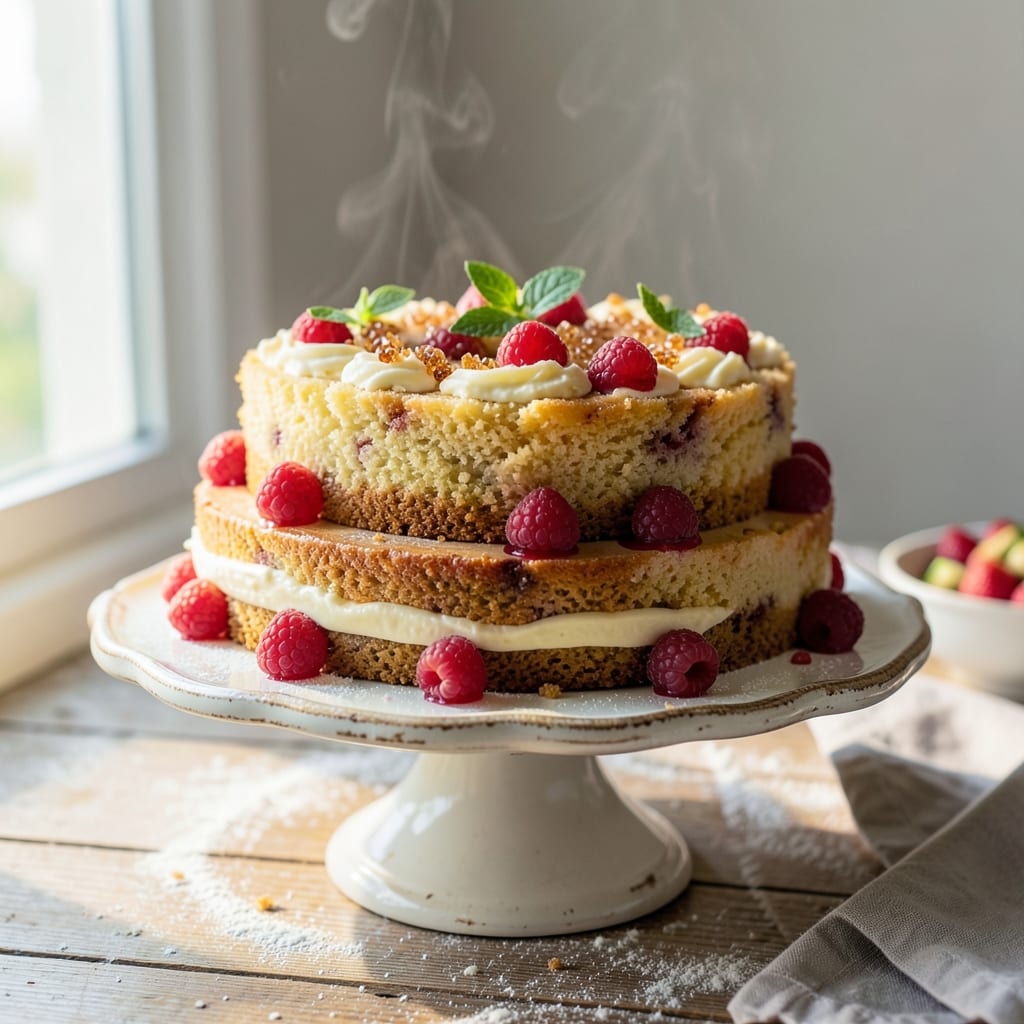
This baking soda and vinegar cake delivers a light, airy rise without eggs—perfect for vegan diets or when you're out of eggs. The chemical reaction between baking soda and vinegar creates tiny bubbles that lift the batter, resulting in a tender, fluffy crumb. I've perfected this method to ensure consistent results every time, whether you're baking for a celebration or a simple weekend treat.
The beauty of this recipe lies in its simplicity. With just a few pantry staples—flour, sugar, vinegar, and baking soda—you can achieve a cake that's moist, tender, and perfectly golden. The vinegar adds a subtle tang that balances the sweetness, while the baking soda ensures a rise that rivals traditional cakes. It’s a foolproof method that even beginners can master.
What you’ll end up with is a cake that’s light enough to melt in your mouth yet sturdy enough to slice neatly. The texture is incredibly fine and airy, thanks to the chemical reaction that creates those signature bubbles. This cake pairs beautifully with fresh fruit, whipped cream, or a drizzle of glaze—making it versatile enough for any occasion.
Ready in about 45 minutes, this recipe is ideal for those who want a quick but impressive dessert. The oven temperature is kept at 350°F, ensuring even baking and a golden crust. Whether you're baking for a crowd or just craving a slice, this cake delivers restaurant-quality results without the fuss.
Ingredients for baking soda and vinegar in cake
Eight simple staples create a cake that’s light, airy, and foolproof—no eggs needed.
| Ingredient | Amount | Notes |
|---|---|---|
| All-Purpose Flour 🌾 | 2 ½ cups | Sifted for light texture |
| White Granulated Sugar 🍚 | 1 ½ cups | Standard supermarket variety |
| White Vinegar 💧 | 1 tbsp | Distilled or apple cider |
| Baking Soda 🧂 | 1 tsp | Freshly opened for potency |
| Unsalted Butter 🧈 | ½ cup | Softened to room temperature |
| Milk 🥛 | ½ cup | Any variety works fine |
| Vanilla Extract 🌿 | 1 tsp | Pure vanilla preferred |
| Salt 🧂 | ½ tsp | Kosher or fine sea salt |
| Vegetable Oil 🫒 | ¼ cup | Light or canola preferred |
The flour is where the magic happens. King Arthur or Gold Medal brands work best—they’re sifted and consistent. If you’ve got old flour lurking in your pantry, toss it. Flour absorbs moisture over time, and that can throw off your cake’s texture. The vinegar? Distilled is the most neutral, but apple cider adds a subtle fruity note if you’re feeling fancy. I always grab the white vinegar from the store’s baking aisle—it’s cheaper and lasts forever. The baking soda needs to be fresh—if it’s been sitting in your cabinet for months, the reaction won’t be as strong.
No vanilla extract? A teaspoon of vanilla sugar works in a pinch, though it’s not the same. Short on butter? Coconut oil or more vegetable oil keeps things vegan—just know the texture will be slightly denser. The milk can be any kind, but whole milk adds richness that 2% or skim can’t match. If you’re making this vegan, swap the milk for almond or oat milk. The salt might seem like a no-brainer, but Diamond Crystal kosher salt
Store your flour in the freezer if you’re not using it often—keeps it fresh for 6-12 months. The baking soda? Airtight container in a cool, dark place, good for 1 year. Once mixed, the batter can sit at room temperature for up to 2 hours before baking. Bake immediately for the best rise. The cake itself keeps well wrapped at room temperature for 3 days or in the fridge for 5 days. Slice it thin—this cake is delicate but sturdy enough to handle it.
Why You'll Love This Recipe
- Pantry-Proof Magic: I swear, this cake comes together with stuff I already have—no special trips to the store. That vinegar-baking soda reaction? It’s like a science experiment that actually works, giving you fluffy texture without fuss.
- Sweet-Tart Twist: Honestly, the tangy kick from the vinegar cuts through the sugar in the best way—like a lemony, buttery hug in cake form. My kids ask for seconds, and that’s saying something.
- No-Fail Weeknight Fix: Between us, this is my go-to when I’m exhausted but need dessert. The batter’s ready in minutes, and the oven time is short—perfect for when you’re staring at takeout menus but want something homemade.
- Budget Baking Win: I make this for birthdays, potlucks, or just because—no one can tell it’s not from a bakery. And since it uses basic ingredients, I’m left with extra flour and butter for next time, not wasted money.
Step-by-step instructions for baking soda and vinegar cake
Here's how to create a wonderfully light cake using this classic chemical reaction for lift.
👨🍳 Step 1: Mix the Wet Ingredients
In a large mixing bowl, combine the 0.5 cup unsalted butter and 0.25 cup vegetable oil. Use a hand mixer or whisk to beat them together on medium speed for about 2 minutes until smooth and creamy. This step ensures the fats are fully incorporated and ready to blend with the liquids.
Next, add the 0.5 cup milk and 1 tbsp white vinegar to the butter mixture. Whisk or mix on medium speed for another 1 minute until fully combined. You'll notice the mixture will begin to curdle slightly—this is completely normal and actually helps create that signature light texture. Add the 1 tsp vanilla extract and 0.5 tsp salt and mix for another 30 seconds to evenly distribute the flavors.
👨🍳 Step 2: Combine Dry Ingredients
In a separate medium bowl, sift together the 2.5 cups all-purpose flour and 1.5 cups white granulated sugar. I always sift the flour first to prevent lumps and ensure an even distribution of baking soda throughout the batter. This step is crucial for that light, airy texture we're aiming for.
Add the 1 tsp baking soda to the flour-sugar mixture and whisk gently to combine. The baking soda will react with the vinegar in the wet ingredients to create carbon dioxide bubbles, which will make the cake rise beautifully. Be careful not to overmix at this stage—just until everything is evenly distributed.
🥘 Step 3: Gradually Combine Wet and Dry Ingredients
With the mixer on low speed, slowly pour the dry ingredients into the wet mixture. Add about one-third of the dry ingredients first, mixing just until combined, then add another third and mix again. Finally, add the remaining dry ingredients and mix on low speed for about 1 minute or until the batter is smooth and no flour streaks remain.
Here's the thing—don't overmix! You're looking for a thick, slightly lumpy batter that still coats the back of a spoon. Overmixing develops gluten, which can make the cake dense. The batter should be thick enough to hold its shape when dropped from a spoon.
🔥 Step 4: Bake to Golden Perfection
Preheat your oven to 350°F and prepare two 9-inch round cake pans by greasing them thoroughly with butter or shortening and dusting with flour. Divide the batter evenly between the two pans and smooth the tops with a spatula.
Bake for 25-30 minutes or until a toothpick inserted into the center comes out clean. The cake should be golden brown on top and edges, and spring back slightly when pressed in the center. I always check the cake at the 25-minute mark because ovens vary—don't rely solely on the timer. The moment the toothpick test passes is when you know it's done.
⏰ Step 5: Cool and Serve
Remove the cakes from the oven and let them cool in their pans for 10 minutes. Then transfer them to a wire rack to cool completely. This cooling process is important—it allows the cakes to set properly and prevents them from becoming gummy.
Once completely cooled, you can frost with your favorite vanilla buttercream or dust with powdered sugar. This cake has a tender crumb and a subtle tang from the vinegar that pairs beautifully with sweet frosting. Serve slices warm or at room temperature for the best texture and flavor experience.
Pro Tips For Making Baking Soda And Vinegar In Cake
- Mix Vinegar Last: The second the vinegar hits your batter, it starts reacting with baking soda—so don’t dump it in with the wet ingredients. Wait until everything else is combined, then stir it in just before folding in the flour. This keeps the rise consistent instead of letting it fizz out too fast.
- Use Room-Temp Butter: Cold butter creates pockets that won’t melt evenly, leading to a dense or greasy cake. Let that butter sit out for 30–60 minutes until it’s soft but still holds its shape. I learned this the hard way after baking a cake that looked perfect but tasted like a butter log.
- Don’t Overmix the Batter: Once you add the flour, stop stirring the second it’s just incorporated. Overmixing develops gluten, which turns your light, fluffy cake into a tough brick. Use a spatula and fold gently—think "marble swirls" rather than smooth batter.
- Check Doneness with a Toothpick: The cake might look set but still be raw inside. Insert a toothpick into the center—if it comes out clean (or with a few dry crumbs), it’s done. If wet batter clings, bake another 3–5 minutes. Ignoring this step is how you end up with a gummy center.
Dietary considerations for baking soda and vinegar in cake
Vegan-Friendly Adaptations
This cake is naturally egg-free, making it perfect for vegan diets. Simply swap the 0.5 cup milk for almond or oat milk and use coconut oil instead of butter for a fully plant-based version. The baking soda and vinegar reaction remains unchanged, ensuring the same light texture. I’ve tested this with Silk almond milk and found it adds a lovely nutty depth to the flavor. 🌱
Gluten-Free Options
For a gluten-free version, replace the 2.5 cups all-purpose flour with a 1:1 gluten-free flour blend like Bob’s Red Mill or King Arthur. You may need to add 1 tsp xanthan gum to mimic the structural support of gluten. I’ve found that gluten-free cakes often benefit from an extra 1-2 minutes in the oven to ensure proper doneness. The texture will be slightly denser but still tender and moist.
Allergen Considerations
This recipe is free from common allergens like eggs, dairy, and gluten (with substitutions). For nut-free kitchens, ensure your vanilla extract is nut-free and use a certified gluten-free flour blend. If you’re avoiding vinegar, you can substitute with lemon juice (use 1 tbsp lemon juice + ½ tsp baking soda), though the flavor will be slightly different. Always check labels on store-bought ingredients like flour and vanilla for hidden allergens. 🧂
Sugar-Free Variations
Reduce the 1.5 cups sugar to 1 cup and add ¼ cup monk fruit sweetener or erythritol for a sugar-free option. The cake will still rise well, but the texture may be slightly denser. I recommend using a sugar substitute labeled for baking to avoid graininess. For extra moisture, add 2 tbsp applesauce to the wet ingredients. The vinegar’s tang will still shine through beautifully.
Low-Fat Adjustments
To reduce fat while keeping the cake moist, replace the 0.5 cup butter with 0.25 cup Greek yogurt (dairy or coconut-based) and reduce the oil to 0.125 cup. The yogurt adds protein and moisture without overpowering the flavor. For a lighter texture, whip the yogurt with the oil before mixing. The cake will still be rich but with fewer calories. This tweak works especially well for a lighter dessert option. 💪
Nutrition facts
Frequently asked questions
Why does vinegar and baking soda create bubbles in cake batter?
When vinegar and baking soda mix, they create a chemical reaction that produces carbon dioxide gas. These tiny bubbles expand during baking, giving the cake its signature light and airy texture. The reaction happens instantly when combined, so mix them just before adding to dry ingredients. This is the secret behind the cake's tender crumb!
Can I substitute vinegar with lemon juice?
Yes, you can use 1 tablespoon lemon juice instead of vinegar, but add ½ teaspoon extra baking soda to compensate for the lower acidity. The flavor will be slightly different—more citrusy and less tangy. For best results, use fresh lemon juice and adjust to taste after mixing.
What if my cake doesn't rise properly?
Check these three things first:
- Make sure your baking soda is fresh (old baking soda loses potency),
- Verify you mixed the vinegar and baking soda immediately before combining with other ingredients, and
- Don't overmix the batter after adding dry ingredients. If it still doesn't rise, try adding ¼ teaspoon extra baking soda next time. The oven temperature (350°F) is also critical—too hot or too cold can affect rise.
How do I make this cake extra moist?
Add 2 tablespoons sour cream or 1 tablespoon applesauce to the wet ingredients for extra moisture. You can also brush the warm cake with simple syrup (¼ cup sugar + ¼ cup water, heated until dissolved) while still in the pan. For a richer texture, replace 2 tablespoons milk with melted butter or coconut oil. These tweaks keep the cake tender for days!
Can I bake this cake in a different pan size?
Yes, but adjust baking time accordingly. For an 8-inch pan, bake 20-25 minutes (check at 20 minutes), and for a 10-inch pan, bake 30-35 minutes. The cake is done when a toothpick comes out clean. If using a non-round pan, bake 5-10 minutes longer as edges may take longer to set. Always use the toothpick test over time!