
Desserts
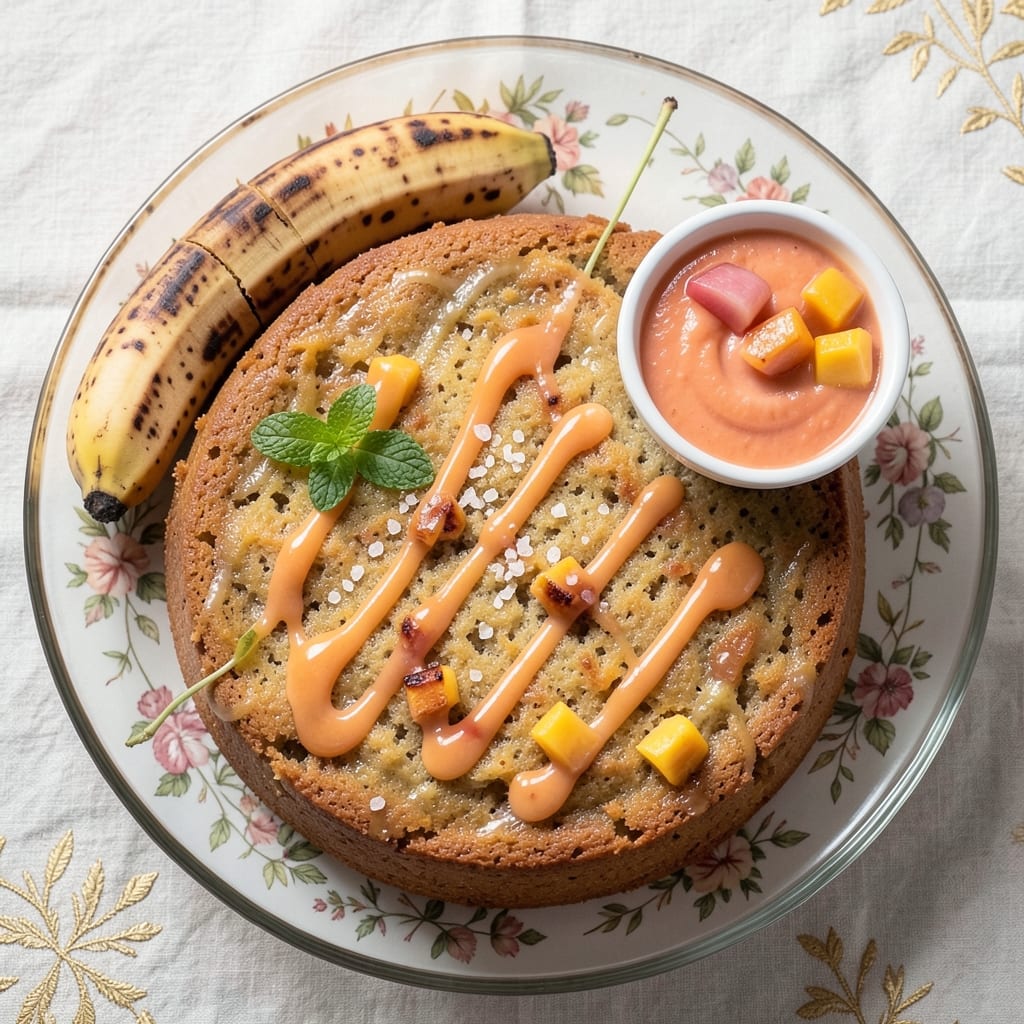
This banana and mango cake recipe transports you to a tropical paradise with every bite—moist layers of ripe banana and sweet mango swirled together, crowned with toasted coconut crunch. The secret to its success lies in blending the natural sweetness of the fruit with just the right amount of vanilla and a hint of spice, creating a dessert that’s both vibrant and comforting. I’ve perfected this recipe over years of baking, ensuring it’s foolproof for beginners while delivering restaurant-quality results.
The cake’s magic comes from its moist texture, achieved by using ripe bananas and mango puree instead of extra sugar. This keeps the crumb tender without making it dense, while the toasted coconut topping adds a delightful contrast in every bite. Baking at 350°F for about 30-35 minutes ensures a golden crust and perfectly set layers, ready to be sliced and served with a dollop of whipped cream or a scoop of vanilla ice cream.
What sets this cake apart is its tropical flavor profile—the bright tang of mango pairs beautifully with the creamy sweetness of banana, while the toasted coconut adds a satisfying crunch that balances the softness of the cake. It’s the kind of dessert that feels indulgent yet light, perfect for summer gatherings, potlucks, or even a special treat for yourself. The recipe is simple, with clear steps to guide you through mixing, baking, and decorating.
Once you try this cake, you’ll want to make it again and again—it’s that good. The aroma of baking bananas and mango fills your kitchen, and the first slice is always met with compliments. Whether you’re a seasoned baker or just starting out, this recipe delivers a foolproof, beginner-friendly tropical masterpiece that’s sure to impress. Let’s get baking!
Ingredients for banana and mango cake
Tropical flavors meet tender layers—here’s everything you need for a cake bursting with banana and mango sweetness.
| Ingredient | Amount | Notes |
|---|---|---|
| Ripe Bananas 🍌 | 2 cups | Mashed, about 3 medium bananas |
| Mango Puree 🥭 | 1 cup | Fresh or canned, unsweetened |
| All-Purpose Flour 🌾 | 2 cups | Spooned and leveled |
| Granulated Sugar 🍚 | 1 cup | Light brown sugar works too |
| Baking Soda 🧂 | 1 tsp | Not baking powder |
| Vanilla Extract 🌸 | 2 tsp | Pure, high-quality preferred |
| Unsalted Butter 🧈 | ½ cup | Melted, full-fat for richness |
| Large Eggs 🥚 | 2 whole | Room temperature |
| Toasted Coconut Flakes 🥥 | 1 cup | Unsweetened, lightly toasted |
| Ground Cinnamon 🌿 | 1 tsp | For subtle warmth |
| Ground Nutmeg 🌿 | ¼ tsp | Freshly grated if possible |
| Salt 🧂 | ½ tsp | Fine sea salt |
| Shredded Coconut 🥥 | ½ cup | For extra crunch topping |
The bananas and mango are the stars, so pick ripe bananas with brown speckles—they’ll be sweeter and creamier when mashed. For the mango, fresh is best, but unsweetened canned puree works in a pinch. I always grab Trader Joe’s frozen mango chunks when fresh isn’t available—they thaw perfectly for pureeing. The coconut flakes? Toast them in a dry pan for 3-4 minutes until golden and fragrant—don’t skip this, it’s what gives that irresistible crunch. If you’re short on time, the shredded coconut topping can be toasted alongside the flakes.
No ripe bananas? Use 1 cup applesauce plus 1 tsp lemon juice to mimic the moisture, but the flavor won’t be quite the same. Swapping mango puree? Papaya or peach puree works in a bind, but expect a slightly different tropical vibe. The spices are non-negotiable for that warm, cozy touch—if you’re out of nutmeg, a pinch of pumpkin pie spice will do. For the butter, coconut oil is a 1:1 swap, but it’ll add a coconut note that might clash with the topping. And if you’re baking for a crowd, double the coconut topping—trust me, people will ask for seconds.
This cake keeps beautifully—wrap the baked layers in plastic wrap and store at room temp for 2 days, or freeze for 3 months. The topping stays crispy if you assemble it fresh, but you can toast extra coconut ahead and sprinkle it on just before serving. I always make a double batch of the coconut mixture—half for the top, half for garnishing slices. Serve with vanilla ice cream or whipped cream to take it to the next level, but honestly, it’s just as good on its own.
Why You'll Love This Recipe
- No Mixer Needed: I mash the bananas right in the bowl—no food processor, no fuss. The mango puree blends in like butter, and the batter’s so smooth you’ll swear you spent hours.
- Tropical Twist: That mango puree isn’t just flavor—it’s the star. Sweet, tangy, and so bright it turns your kitchen into a mini vacation, all while keeping the cake moist for days.
- Lunchbox Hero: Slice it up the night before, and it’s breakfast, snack, or dessert without a second thought. My kids grab these for school, and honestly? I’ve been known to eat one myself.
- Pantry-Proof Magic: You already have the sugar and flour. Ripe bananas and a little mango puree (or even canned mango in a pinch) make this budget-friendly without sacrificing taste.
Step-by-step instructions for banana and mango cake
Let's create a moist, tropical cake with layers of banana and mango goodness and a crunchy coconut topping.
Prepare the Banana-Mango Batter
In a large mixing bowl, mash the 2 cups ripe bananas with a fork until completely smooth—no lumps should remain. This ensures a tender cake texture. Stir in the 1 cup mango puree until fully combined. I like to use a rubber spatula here to scrape all those sweet bits from the bottom of the bowl.
In a separate medium bowl, whisk together the 2 cups all-purpose flour, 1 cup granulated sugar, 1 tsp baking soda, 1 tsp ground cinnamon, 0.25 tsp ground nutmeg, and 0.5 tsp salt. This dry mixture forms the structural backbone of your cake. Sift it once to remove any lumps that might make your cake dense.
Combine Wet and Dry Ingredients
Add the melted 0.5 cup unsalted butter to the banana-mango mixture and stir until fully incorporated. The butter adds richness that balances the natural sweetness of the fruit. Then, gently fold in the 2 whole large eggs one at a time, mixing just until combined after each addition. This prevents overmixing which can make the cake tough.
Gradually add the dry ingredients to the wet mixture, alternating between the flour mixture and 2 tsp vanilla extract. Start and end with the flour mixture to ensure even distribution. Mix on low speed with an electric mixer or by hand until just combined—you should still see small flour streaks. Overmixing develops gluten, which leads to a dense, chewy cake instead of the light, tender texture we want.
Layer and Bake the Cake
Preheat your oven to 350°F and grease two 8-inch round cake pans, lining the bottoms with parchment paper for easy removal. Divide the batter evenly between the two pans, spreading it out smoothly with a spatula. Tap each pan gently on the counter to release any air bubbles that might cause doming during baking.
Bake for 25-30 minutes, or until a toothpick inserted into the center comes out clean. The edges should be golden brown, but the top might still look slightly underdone—this is normal for fruit cakes. Rotate the pans halfway through baking for even cooking. Let the cakes cool in the pans for 10 minutes, then transfer to a wire rack to cool completely before assembling.
Assemble with Coconut Crunch Topping
Once the cakes are completely cool, place one layer on a serving plate. Spread a thin layer of the reserved mango puree (about 2 tablespoons) over the top—this acts as a glue for the layers and adds extra mango flavor. Place the second cake layer on top and gently press down.
For the topping, mix together the 1 cup toasted coconut flakes and 0.5 cup shredded coconut in a small bowl. Sprinkle this mixture evenly over the top of the cake, pressing lightly so it sticks. The contrast between the moist cake layers and the crunchy coconut topping is what makes this cake truly special. Serve at room temperature for the best texture and flavor experience.
Pro Tips For Making Banana And Mango Cake
- Mash Bananas Roughly: Skip the food processor—your hands work better here. Ripe bananas break down unevenly in a blender, leaving gummy bits. Press them through a fork or mash with a potato masher until there are just a few tiny lumps. This keeps the texture tender without turning the cake into banana pudding.
- Preheat Pan First: I learned this the hard way—cold pans make the cake stick. Heat your 8x8-inch pan for 5 minutes before adding batter, then grease it lightly with butter or oil. The extra heat helps the edges set faster, so you can pull it out clean even if you’re impatient (yes, even if you’re impatient like me).
- Measure Mango Puree Precisely: That jar of mango puree isn’t always the same thickness. If it’s thick, thin it with 1-2 tablespoons of water to match the consistency of the mashed bananas. Too thick, and your cake will be dense; too thin, and it’ll spread like soup. A quick stir with a fork tests it—it should coat the back of a spoon smoothly.
- Fold in Dry Ingredients Gently: Dumping the flour and baking soda straight in and mixing hard creates tough gluten. Instead, sift them together first, then fold in with a spatula in three parts, cutting through the batter like you’re making a swirl. This keeps the cake light—no one wants a brick disguised as dessert.
Flavor customization for this dish
Spice Level Boost
For a kick of warmth, add ½ tsp ground ginger or ¼ tsp cayenne pepper to the dry ingredients. The ginger enhances the tropical flavors beautifully, while cayenne adds a subtle heat that pairs wonderfully with the sweetness. I like to toast my spices in a dry pan for 30 seconds before adding them to deepen their flavor—just be careful not to burn them. 🌶️
Citrus Zing
Brighten the cake with 1 tbsp fresh lime or lemon zest mixed into the batter. The citrus cuts through the richness and adds a refreshing contrast. For extra zing, add 1 tbsp lime juice to the mango puree before mixing. If you're using canned mango, skip the juice to avoid making the cake too wet.
Chocolate Twist
For chocolate lovers, fold in ½ cup melted dark chocolate (60-70% cocoa) along with the butter. This adds richness and pairs perfectly with the tropical flavors. I recommend using Ghirardelli 72% dark chocolate bars for the best balance of sweetness and bitterness. You can also add ¼ cup cocoa powder to the dry ingredients for a subtler chocolate note.
Nutty Crunch
Swap out half the coconut topping for ½ cup chopped toasted macadamia nuts or pecans for added texture. Toast the nuts in a dry pan for 3-4 minutes until golden and fragrant. This adds a buttery richness that complements the cake beautifully. For extra indulgence, mix in 2 tbsp chopped dried pineapple with the nuts for a tropical crunch.
Cream Cheese Swirl
Add a layer of cream cheese swirl between the cake layers for a decadent twist. Mix 4 oz cream cheese, 2 tbsp softened butter, and 2 tbsp powdered sugar until smooth, then pipe dollops between the cake layers before adding the coconut topping. This adds a tangy contrast that elevates the tropical flavors. 🥥✨
Seasonal Variations
In summer, add ½ cup diced fresh pineapple to the batter for extra freshness. For fall, swap the coconut topping for ½ cup chopped pecans and ½ cup toasted pumpkin seeds, and add ½ tsp pumpkin pie spice to the dry ingredients. In winter, consider adding ½ tsp cardamom for a warm, spiced twist that pairs beautifully with the tropical flavors.
Nutrition facts
Frequently asked questions
Can I make this cake without ripe bananas?
Yes! Use 1 cup unsweetened applesauce plus 1 tsp lemon juice to replace the bananas. This keeps the moisture but adds a subtle tartness. For best flavor, though, ripe bananas with brown speckles are ideal—they're naturally sweeter and creamier.
How do I store leftover banana-mango cake?
Wrap the assembled cake tightly in plastic wrap and store at room temperature for up to 2 days. For longer storage, freeze the layers separately (before adding the coconut topping) for up to 3 months. Toast fresh coconut on top when serving from the freezer. The cake's moist texture stays best when refrigerated but brought to room temp before serving.
Why does my cake turn out dense?
Overmixing the batter develops gluten, making the cake tough. Mix just until combined—you should still see small flour streaks. Also ensure your bananas are ripe (not too soft) and your mango puree isn't watery. Using cake flour instead of all-purpose can lighten the texture. Finally, don't overbake—pull the cake when a toothpick comes out clean (around 25-30 minutes).
Can I substitute mango puree with another fruit?
Try peach or papaya puree for a similar tropical flavor. For a different twist, use ½ cup mashed berries (like blueberries or raspberries) mixed with ½ cup applesauce. Just reduce any added liquid by 1-2 tablespoons to maintain the right batter consistency. The key is balancing moisture and sweetness.
How can I make this cake gluten-free?
Replace the all-purpose flour with a 1:1 gluten-free baking flour blend (like Bob's Red Mill). Add ½ tsp xanthan gum to the dry ingredients to improve texture. You may also need to reduce the mango puree by 2 tablespoons since gluten-free flours absorb differently. Let the batter rest for 10 minutes before baking for better moisture distribution.