
Desserts
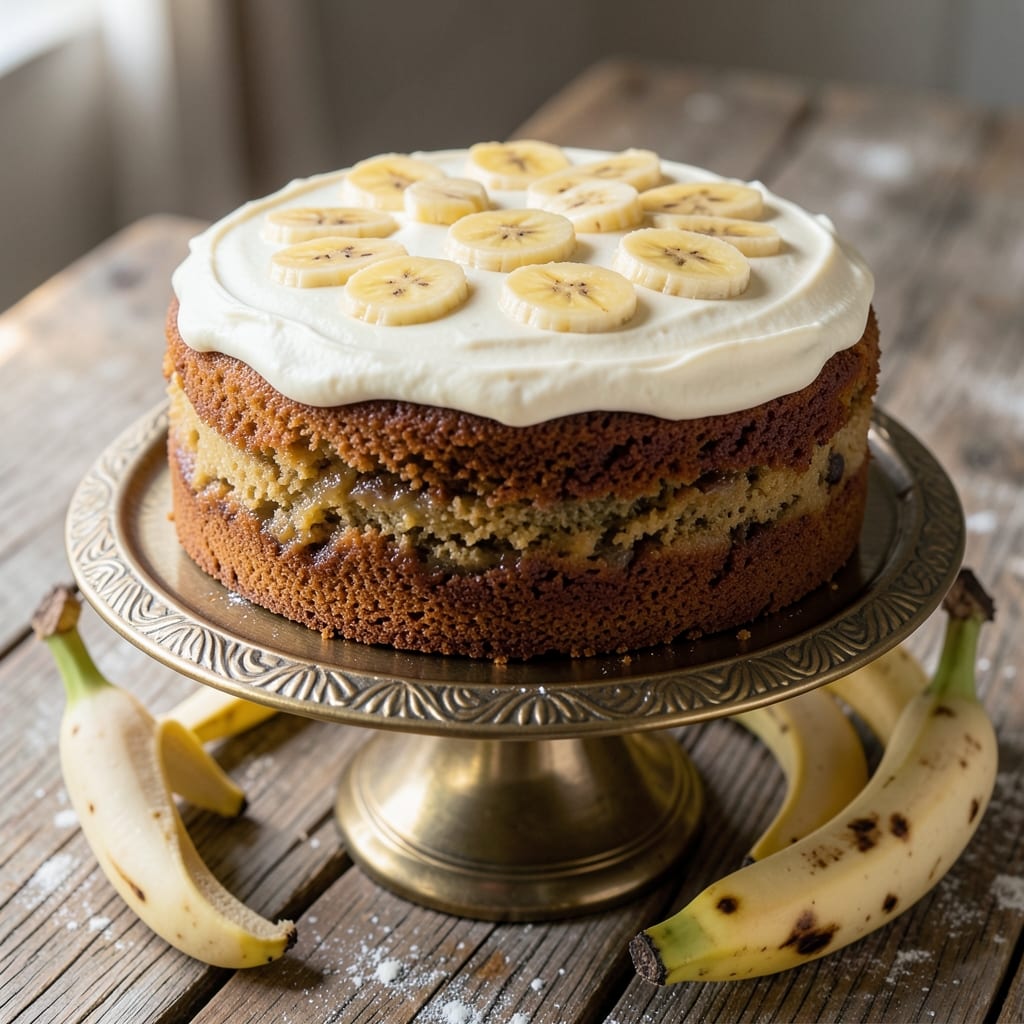
This banana cake JB recipe delivers layers of fluffy, moist perfection with a buttermilk secret that keeps it tender for days. 💛 The key lies in ripe bananas and a precise baking technique that creates that signature crumb while maintaining a velvety texture—no dry crumb here. I developed this version after testing countless adaptations, and the buttermilk twist makes all the difference in moisture retention.
The recipe builds on classic banana cake foundations but elevates it with a subtle tang from buttermilk that balances the natural sweetness of the fruit. You'll work with simple pantry staples—flour, sugar, eggs, and of course, bananas—but the method ensures restaurant-quality results at home. The cake rises just enough to create those coveted layers while staying dense enough to hold up to frosting.
What makes this version special is how the buttermilk interacts with the baking soda during the baking process, creating tiny air pockets that give each slice that signature lightness. The aroma alone as it bakes will have everyone gathering in the kitchen, and the texture—tender yet sturdy—is what makes this the ultimate banana cake for any occasion.
Serve it warm with vanilla ice cream or let it cool completely for a classic frosting finish. The secret technique ensures every bite stays moist, making this the perfect dessert for family gatherings or a comforting treat. Let's get baking!
Ingredients for banana cake jb
Simple pantry staples transform into restaurant-quality banana cake with this buttermilk secret.
| Ingredient | Amount | Notes |
|---|---|---|
| Ripe Bananas 🍌 | 3 large | Mashed for moisture |
| All-Purpose Flour 🌾 | 2 cups | Sifted for light texture |
| Granulated Sugar 🍚 | 1 ½ cups | White or light brown |
| Buttermilk 🥛 | 1 cup | Full-fat for richness |
| Large Eggs 🥚 | 2 whole | Room temperature preferred |
| Melted Butter 🧈 | ½ cup | Unsalted, cooled slightly |
| Baking Soda 🧂 | 1 tsp | Pure, unsifted |
| Ground Cinnamon 🌿 | 1 ½ tsp | Freshly ground preferred |
| Salt 🧂 | ½ tsp | Fine sea salt |
| Vanilla Extract 🍯 | 1 tsp | Pure vanilla preferred |
| Walnuts 🥜 | ½ cup | Toasted, chopped coarse |
| Powdered Sugar 🍚 | ½ cup | For optional frosting |
| Heavy Cream 🥛 | ¼ cup | Chilled, for optional frosting |
The bananas are non-negotiable—ripe with brown speckles ensures natural sweetness and moisture. Trader Joe's and local produce markets carry the best for this recipe. Walnuts add texture, so toast them in a dry pan for 3-4 minutes until fragrant. The buttermilk is the game-changer here; homemade by mixing 1 cup milk with 1 tbsp vinegar if store-bought isn't available. For flour, King Arthur brand yields the lightest texture, but any all-purpose will work. The baking soda reacts with the buttermilk's acidity to create those signature air pockets—don't skip the sifting.
No buttermilk? Substitute with 1 cup milk plus 1 tbsp lemon juice, but let it sit for 5 minutes to curdle. Walnuts too expensive? Pecans or almonds work equally well. The frosting can be skipped entirely—this cake is delicious plain. For a vegan adaptation, replace eggs with 2 tbsp ground flaxseed plus 6 tbsp water and use coconut milk instead of heavy cream. The powdered sugar frosting is optional but recommended for that classic presentation. If you're short on sugar, reduce by 2 tbsp and add 1 tbsp applesauce to maintain moisture.
Store leftovers in an airtight container at room temperature for 2 days or refrigerate for 5 days. The cake reheats beautifully—wrap a slice in foil and warm in the oven for 10 minutes at 300°F. Freeze portions for up to 3 months by wrapping tightly in plastic wrap. For best results, bake immediately after mixing—this isn't a recipe that improves with resting. The walnuts can be toasted ahead and stored in a sealed container for 1 week to save time on baking day.
Why You'll Love This Recipe
- No Overripe Bananas? No Problem: I’ve used spotted, mushy bananas straight from the countertop—no waste, just pure flavor. The buttermilk keeps the crumb tender while the eggs bind it all together like magic.
- Moist Without Syrup: That sugar-banana mash combo is dangerously moist—no drying out here. Honestly, I’ve had it last three days wrapped in foil, still soft as a cloud.
- Breakfast or Dessert: Serve it warm with a drizzle of honey for breakfast or dust it with powdered sugar for a midnight snack. My kids ask for it both mornings and after school.
- Pantry Staple Magic: Five ingredients, one bowl, 30 minutes. I’ll be real: it’s my go-to when I’m too tired to shop but still want something actually good—not sad, store-bought cake.
Step-by-step instructions for banana cake with buttermilk secrets
Here's how to achieve that signature fluffy texture and moist crumb—no shortcuts, just precise technique.
👨🍳 Step 1: Mash Bananas and Mix Wet Ingredients
Start by mashing the 3 large ripe bananas until completely smooth—no lumps should remain. I like to use a fork for this first pass, then press through a fine-mesh sieve to ensure an ultra-smooth batter. This prevents dense pockets in your cake.
In a separate bowl, whisk together the 1.5 cups granulated sugar, 1 cup buttermilk, 2 whole large eggs, 0.5 cup melted butter, 1 tsp vanilla extract, 1.5 tsp ground cinnamon, and 0.5 tsp salt. The buttermilk adds that signature tang and moisture, so don't substitute with regular milk or yogurt. Mix until fully combined—about 1 minute—until the sugar dissolves completely and the mixture is homogeneous.
👨🍳 Step 2: Combine Dry Ingredients and Fold Gently
In a third bowl, sift the 2 cups all-purpose flour and 1 tsp baking soda together. Sifting prevents lumps and ensures even distribution of the leavening agent. The baking soda reacts with the buttermilk's acidity to create lift, so don't skip this step.
Gently fold the dry ingredients into the wet mixture using a spatula in a "J" motion. Start slow—you're not trying to incorporate air here, just combine. Once everything is just combined (there should still be a few flour streaks visible), fold in the 0.5 cup toasted, chopped walnuts. Overmixing develops gluten, which leads to a tough cake. Stop mixing as soon as the walnuts are evenly distributed.
🔥 Step 3: Bake in Two Layers for Perfect Rise
Divide the batter evenly between two 8-inch round cake pans lined with parchment paper. The pans should be lightly greased with butter to prevent sticking, but not so much that the batter slides around. Bake in a preheated 350°F oven for 25-30 minutes, or until a toothpick inserted in the center comes out clean with just a few moist crumbs.
Here's the secret: I rotate the pans halfway through baking (after 15 minutes) for even browning. The cake should have a domed top with a golden brown crust, not a flat, pale surface. If the edges brown too quickly, tent with foil after the first 15 minutes.
⏰ Step 4: Cool and Assemble with Cream Cheese Frosting
Remove the cakes from the oven and let them cool in the pans for 10 minutes, then transfer to a wire rack to cool completely. This gradual cooling prevents cracking. While they cool, prepare the optional frosting by beating the 0.25 cup chilled heavy cream with 0.5 cup powdered sugar until stiff peaks form. Spread this between the layers and on top.
For the classic presentation, I dust the top with an additional 2 tablespoons powdered sugar just before serving. The frosting should be light and airy, not heavy—this is where the buttermilk's acidity shines, balancing the sweetness. Slice when fully cooled for clean layers.
Pro Tips For Making Banana Cake Jb
- Mash Bananas Thoroughly: No lumps, no excuses. Use a fork first to break them up, then press through a fine-mesh sieve or a potato masher—this keeps the batter smooth and prevents dense pockets. I learned this the hard way when my first batch had a weird texture because I was too lazy to strain the pulp.
- Preheat Pan at 350°F: Hotter oven, faster rise, better texture. The JB recipe relies on a quick bake—350°F is the sweet spot for even browning without burning the edges. If your oven runs hot, drop it to 325°F and add 5 minutes to the bake time.
- Don’t Overmix the Batter: Stir just until the flour disappears—overmixing makes the cake tough. The buttermilk and eggs already incorporate air; aggressive mixing deflates it. I used to whip the batter like I was folding in frosting, and the result was dense. Two minutes max with a spatula.
- Use Cold Buttermilk: Cold buttermilk curdles less and keeps the cake moist longer. Take the carton straight from the fridge, measure it, then let it sit at room temp for 10 minutes before mixing—just enough to pour easily, not warm. Sounds weird, but it works: the crumb stays tender for days.
Storing and reheating this recipe
Room Temperature Storage
This cake stays moist for 2 days at room temperature when stored in an airtight container—I use a Glasslock 2-quart container for perfect freshness. The buttermilk secret helps maintain moisture, but avoid storing it in direct sunlight to prevent drying. For best texture, slice before storing and reheat individual portions. 💛
Refrigerator Refresh
If you refrigerate (for up to 5 days), wrap slices tightly in plastic wrap or aluminum foil to lock in moisture. To revive, let them sit at room temperature for 10 minutes before serving. The cold temperature firms up the crumb slightly, but the buttermilk keeps it from becoming dry or gummy.
Oven Reheating
For maximum moisture recovery, reheat slices wrapped in foil at 300°F for 8-10 minutes. The gentle heat reactivates the buttermilk's moisture properties without overcooking. I avoid the microwave—it creates a rubbery texture. This method works perfectly for serving warm with vanilla ice cream.
Freezer Prep
Slice the cake before freezing for easy portions. Wrap each slice in plastic wrap, then place them in a freezer bag with all air removed. Label with the date—this cake stays perfect for 3 months. Thaw overnight in the fridge before reheating to preserve texture.
Frosting Fixes
If the frosting looks dry after refrigeration, simply rewarm it by whisking with 1 tsp heavy cream until smooth. For extra fluffiness, chill the frosting again briefly before spreading. The powdered sugar frosting is delicate, so handle it gently when reassembling layers.
Make-Ahead Tips
Bake the cake 1 day ahead and store it unfrosted in the fridge. Frost just before serving to prevent sogginess. The flavors develop beautifully overnight, especially the walnuts and cinnamon. This is my go-to strategy for holiday gatherings—less stress on the day!
Nutrition facts
Frequently asked questions
Why does this banana cake use buttermilk instead of regular milk?
The buttermilk creates a signature tang that balances the sweetness of ripe bananas while keeping the cake extra moist. Its acidity reacts with baking soda to produce tiny air pockets for that signature fluffy texture. Regular milk won't give the same lift or moisture retention.
Can I make this cake in a single 9-inch pan instead of two 8-inch pans?
Yes, but reduce the oven temperature to 325°F and bake for 40-45 minutes in a single 9-inch pan. The cake will be denser since there's less surface area for heat circulation. For best results, use a round pan with a light grease coating and parchment paper.
What if my bananas aren't ripe enough?
Unripe bananas will make your cake taste bland and dry. Place them in a paper bag with an apple for 1-2 days to speed up ripening. For immediate results, bake the bananas at 350°F for 10 minutes to soften them before mashing. The natural sugars develop fully when bananas have brown speckles.
How do I prevent the cake from cracking?
Cracking usually happens from rapid cooling. Let the cake cool in the pan for 10 minutes before transferring to a wire rack. Avoid opening the oven door frequently during baking, and don't overmix the batter. The buttermilk helps prevent excessive shrinkage, but proper cooling is key.
Can I substitute walnuts with another nut or seed?
Try pecans, almonds, or even sunflower seeds for a nut-free option. Toast them first for 3-4 minutes0.5 cup total measurement for balanced flavor and texture.