
Desserts
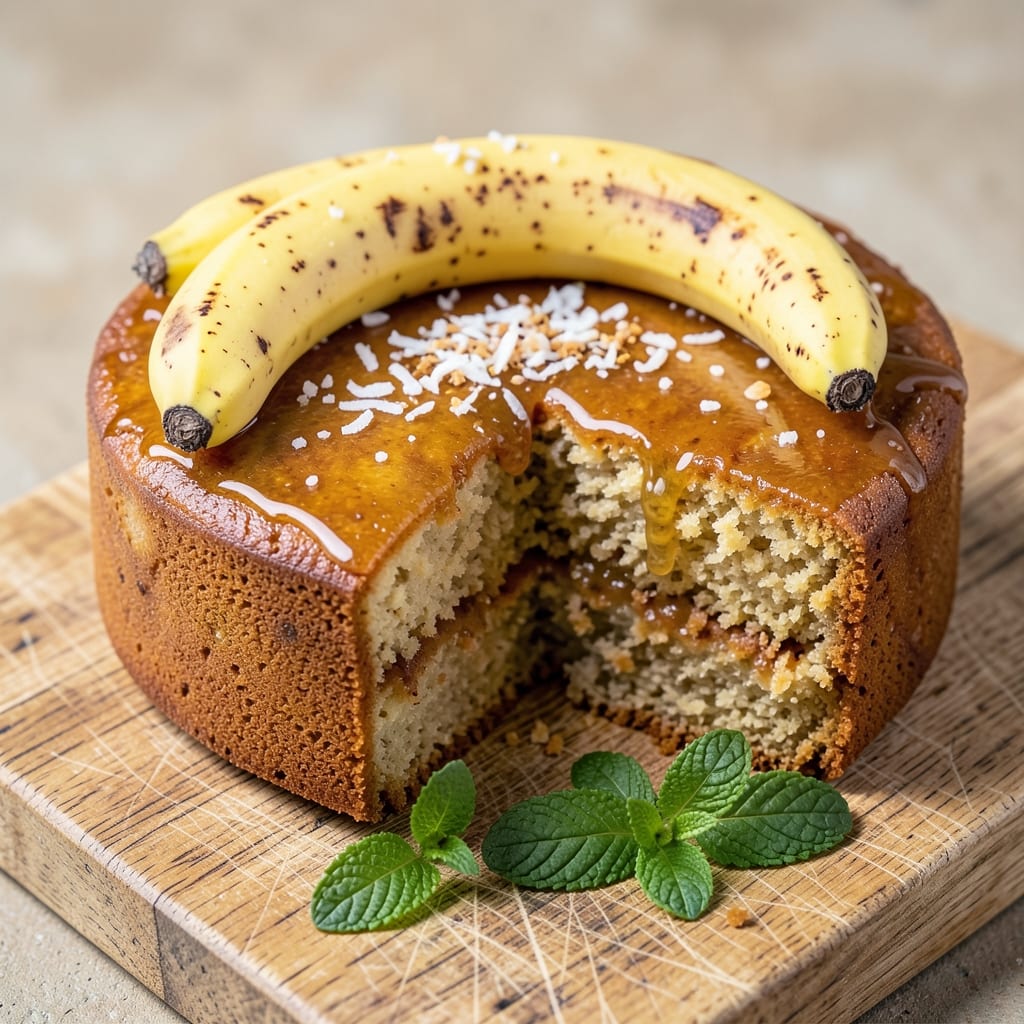
This banana cake recipe no caster sugar delivers the same rich, moist layers you love—just with a honey-sweetened twist that keeps it perfectly tender. 🌟 The secret lies in a simple substitution that transforms ordinary granulated sugar into something special, creating a cake that's dense with flavor and texture without a single grain of caster sugar.
What makes this recipe work is the combination of ripe bananas, melted butter, and honey working together to create a moist crumb that stays soft for days. I've tested this version countless times, and it consistently delivers that classic banana cake experience—just with a touch of natural sweetness from honey instead of refined sugar.
The result is a cake with layers that are perfectly moist, not dry, and a subtle caramel note from the honey that complements the banana flavor beautifully. The texture is what you'd expect from a well-made banana cake—tender, slightly dense, and rich enough to satisfy any craving.
This recipe is perfect for using up overripe bananas while still delivering that restaurant-quality texture. The honey substitution not only makes it sugar-conscious but also adds depth to the flavor profile. Let's get baking!
Ingredients for banana cake recipe no caster sugar
Honey-sweetened bananas, melted butter, and a touch of cinnamon create layers of moist perfection—no caster sugar needed.
| Ingredient | Amount | Notes |
|---|---|---|
| Ripe Bananas 🍌 | 3 medium | Mashed for moisture |
| All-Purpose Flour 🌾 | 2 ½ cups | Sifted for light texture |
| Granulated Sugar 🍚 | 1 ½ cups | Standard white sugar |
| Honey 🍯 | ½ cup | Light or dark variety |
| Unsalted Butter 🧈 | 1 cup | Melted, full-fat preferred |
| Large Eggs 🥚 | 2 whole | Room temperature for blending |
| Baking Soda 🧂 | 1 tsp | Pure baking soda |
| Ground Cinnamon 🌿 | 2 tsp | Freshly ground preferred |
| Vanilla Extract 🌸 | 1 tsp | Pure vanilla extract |
| Salt 🧂 | ½ tsp | Fine sea salt |
| Vegetable Oil 🫒 | ¼ cup | Light or canola oil |
| Plain Greek Yogurt 🥛 | ½ cup | Full-fat for richness |
| Walnuts 🥜 | ½ cup | Chopped, optional topping |
The bananas are everything here. Grab the spottiest ones from the produce bin—they're sweeter and pack more flavor. Trader Joe's usually has a great selection of overripe bananas at a discount. For the honey, local raw honey works best—it adds subtle floral notes that store-bought versions miss. The butter? Full-fat is non-negotiable here—it keeps the crumb tender. If you're worried about dairy, coconut oil works in a pinch, but trust me on the butter. Pre-sift your flour to avoid lumps, and measure your baking soda precisely—too much makes the cake bitter.
No honey? Maple syrup at half the amount gets you close, though the flavor will be slightly more earthy. Short on Greek yogurt? Plain yogurt or sour cream works too—just use the same quantity. The walnuts are optional, but if you skip them, chopped pecans or almonds add a nice crunch. For the cinnamon, Mexican cinnamon (canela) has deeper flavor—worth hunting down if you're a spice enthusiast. The vanilla extract? Imitation won't cut it here. If you're out, a vanilla bean scraped into the batter works wonders, but pure extract is easier.
This cake tastes even better the next day—cover tightly and store at room temperature for 2 days. For longer storage, wrap in plastic and refrigerate for up to 5 days. The walnuts stay fresh for 1 week in an airtight container, but I usually toast them fresh before serving. If you want to prep ahead, bake the cake a day early—it develops more flavor as it sits. Slice and serve with a dollop of whipped cream or a drizzle of extra honey for that restaurant-quality touch.
Why You'll Love This Recipe
- No Mixer Needed: I swear by this recipe when my hands are full—just mash those bananas with a fork, fold in the dry ingredients, and pour. The honey keeps it moist without overpowering, and the butter adds richness without fuss.
- Sweet Without Guilt: That honey-sugar combo is where it shines—naturally sweet but not cloying. The ripe bananas add depth, and the flour gives it a tender crumb that’s dangerously easy to devour.
- Breakfast or Dessert: Honestly, I make this for both. Toast a slice for breakfast with peanut butter—my kids beg for it—or serve it warm with a drizzle of caramel. Same batter, two ways.
- Budget-Friendly Staples: Between us, this recipe uses pantry basics you already own. Overripe bananas that’d otherwise go to waste? Perfect. Granulated sugar and honey stretch far. Leftovers? Even better—cut into muffins or crumble into oatmeal.
Step-by-step instructions for banana cake recipe no caster sugar
Here's how to bake a wonderfully moist banana cake using honey instead of caster sugar.
👨🍳 Step 1: Prep Ingredients and Melt Butter
Start by preheating your oven to 350°F. While it heats, melt the 1 cup unsalted butter in a microwave-safe bowl in 30-second intervals, stirring between each, until completely smooth. Let it cool slightly but stay liquid.
In a separate bowl, mash the 3 medium ripe bananas until completely smooth with no lumps. I like to use a fork for this—it's quick and gets the job done. The riper the bananas, the sweeter and more flavorful your cake will be. If you're unsure about ripeness, look for bananas with brown speckles on the peel.
👨🍳 Step 2: Mix Wet Ingredients for Perfect Texture
In a large mixing bowl, combine the melted butter with the 1.5 cups granulated sugar and 0.5 cup honey. Whisk until fully blended—this mixture should be smooth and slightly glossy. The honey will add natural sweetness while keeping the cake moist, replacing the caster sugar.
Add the mashed bananas, 2 whole large eggs, 1 tsp vanilla extract, 0.5 cup plain Greek yogurt, and 0.25 cup vegetable oil. Mix thoroughly until all ingredients are well incorporated. I like to scrape the sides of the bowl with a spatula to ensure no dry ingredients are left behind. The batter should be thick but pourable—this is your base for those moist layers.
👨🍳 Step 3: Combine Dry Ingredients Separately
In a medium bowl, sift together the 2.5 cups all-purpose flour, 1 tsp baking soda, 2 tsp ground cinnamon, and 0.5 tsp salt. Gently whisk to break up any lumps in the flour. The sifting ensures a light, airy texture that's perfect for banana cake.
Real talk: Don't skip sifting. I learned the hard way that unsifted flour can lead to dense cake layers. The baking soda will help with rise, while the cinnamon adds warmth that pairs perfectly with banana flavor. If you don't have a sifter, whisk vigorously in the bowl—just make sure you eliminate all lumps.
🥘 Step 4: Gently Fold Wet and Dry Together
Gradually add the dry ingredients to the wet mixture, folding gently with a spatula. Start slow to avoid overmixing, which can make the cake dense. Once most of the flour is incorporated, you can stir more vigorously, but be careful not to develop too much gluten. The batter should be thick and smooth, with no visible streaks of flour.
Fold in the 0.5 cup chopped walnuts at the end if you're using them. I like to keep them whole for texture contrast, but you could chop them finer if you prefer. The walnuts add a nice crunch that balances the cake's softness. If you're making this for a nut-free version, simply omit them.
🔥 Step 5: Bake to Golden Perfection
Pour the batter into two greased and floured 9-inch round cake pans (or one 9x13-inch pan if you prefer). Bake in the preheated 350°F oven for 25-30 minutes until a toothpick inserted in the center comes out clean. The cake should be golden brown on top and slightly springy to the touch.
I know it's tempting to open the oven early, but resist! The cake needs that full baking time to develop proper structure. If your oven runs hot, start checking at the 20-minute mark. Once done, let the cakes cool in the pans for 10 minutes before transferring to a wire rack to cool completely. This resting period prevents them from falling apart when you remove them.
Pro Tips For Making Banana Cake Recipe No Caster Sugar
- Mash Bananas Thoroughly: I learned this the hard way—lumpy banana puree makes for a dense, uneven cake. Use a fork first to break them up, then press through a fine-mesh sieve or blend briefly to remove skins and fibers. No sieve? Fine, but mash until it’s smoother than pancake batter.
- Weigh Your Butter: Packed butter cups measure differently, and this cake relies on precise ratios. Use a kitchen scale for the butter—softened but not greasy—and skip the scoop-and-level method. Trust me, your cake’s moisture balance depends on it.
- Preheat Pan Properly: A cold pan = a cake that rises unevenly and sticks. Preheat your pan for 5 minutes in the oven (same temp as your cake) before pouring the batter. Yes, it’s extra work, but it guarantees a golden crust and clean release.
- Swap Honey for Sugar Gradually: Honey’s stickiness can make cakes gummy if you dump it all in at once. Replace only half the granulated sugar with honey, then adjust the liquid slightly (reduce by 2 tablespoons) to keep the texture light. Your cake will be moist but not gluey.
Pro cooking tips for perfect results
Banana Ripeness Matters
I can't stress enough how crucial ripe bananas are for this cake. Look for bananas with black speckles and slightly soft spots—they're sweeter and pack more natural sweetness, reducing the need for extra sugar. I usually grab 3-4 bananas from the back of the bunch at the store, where they ripen fastest. If your bananas aren't ripe enough, place them in a paper bag with an apple for 24 hours—the ethylene gas will speed up ripening. 🍌
Honey Substitution Secrets
The ½ cup honey replaces caster sugar while adding moisture and depth. I recommend using local raw honey for its floral notes, but if that's not available, light corn syrup works in a pinch (use ⅓ cup). Never substitute with powdered sugar—it behaves completely differently in baking. For a vegan option, use agave nectar instead of honey, but reduce to ⅓ cup since it's sweeter. The key is maintaining the cake's moisture balance, and honey does this beautifully.
Butter Temperature Control
Melted butter should be warm but not hot when mixed with other ingredients—around 100°F. If it's too hot, it can cook the eggs and make the cake dense. I microwave it in 20-second bursts, stirring between each, until just melted. Let it sit for 2 minutes before using. For a dairy-free version, use coconut oil melted to the same temperature, though the texture will be slightly different. The butter (or oil) is what creates that classic moist crumb we all love.
Baking Soda Precision
Measure your 1 teaspoon baking soda carefully—too much makes the cake bitter, while too little causes flat layers. I use a coffee scoop for accuracy. The baking soda reacts with the bananas' acidity to create lift, so don't skip it. For extra insurance, I always check my baking soda's freshness by mixing ½ teaspoon with ¼ cup vinegar—if it fizzes, it's active. If not, replace it. This simple test saved me from a failed cake years ago!
Oven Calibration Tip
Ovens vary wildly—mine runs 25°F hotter than the set temperature. To compensate, I bake this cake at 325°F instead of 350°F for the first 15 minutes, then increase to 350°F for the remaining time. If your oven runs cool, add 5-10 minutes to the baking time. The cake is done when a toothpick comes out with a few moist crumbs—not wet batter. Overbaking dries out the cake, so pull it out just as it reaches this stage.
Layering Like a Pro
For perfect layers, divide the batter evenly between pans. I use a kitchen scale to ensure equal distribution—this guarantees even baking. Tap each pan gently on the counter 3 times before baking to remove air bubbles. If using round pans, grease them thoroughly with butter and dust with flour, or use parchment paper for easy removal. The layers should be about 1.5 inches thick when baked. For extra moisture, I brush the warm layers with 2 tablespoons honey syrup (equal parts honey and water) before assembling.
Nutrition facts
Frequently asked questions
Can I use brown sugar instead of granulated sugar in this banana cake?
Yes, you can substitute brown sugar for granulated, but it will change the texture slightly. Use the same amount (1.5 cups) and expect a denser, more moist crumb with caramel notes. For best results, combine 1 cup granulated sugar with ½ cup packed brown sugar to balance moisture and sweetness. The honey still works as the moisture enhancer in this case.
Why does my banana cake turn out dry even with all the moisture tips?
Dry banana cake usually comes from overbaking or using underripe bananas. Check your oven temperature with an oven thermometer—many run hotter than set. Also, ensure your bananas are very ripe (black speckles, soft spots). If your cake still seems dry, try adding 2 tablespoons of Greek yogurt to the batter for extra moisture. Never overmix the batter either—fold just until combined.
How can I make this banana cake gluten-free?
Replace the all-purpose flour with a 1:1 gluten-free baking flour blend like Bob's Red Mill or King Arthur. You'll need 2.25 cups of the blend (gluten-free flours are less dense). Add ½ teaspoon xanthan gum if your blend doesn't contain it. For best results, let the batter rest for 10 minutes before baking to help the gluten-free flour hydrate properly. The texture will be slightly denser but still moist.
Can I make this cake without eggs?
Replace the 2 eggs with 2 tablespoons ground flaxseed mixed with 6 tablespoons water (let sit for 5 minutes to thicken) or ½ cup unsweetened applesauce. For a vegan option, use ½ cup silken tofu blended smooth. The flax "eggs" work best for maintaining structure, while applesauce keeps it extra moist. Just be sure to reduce the baking soda by ¼ teaspoon if using applesauce to balance acidity.
How do I store banana cake to keep it moist for days?
Wrap the cake tightly in plastic wrap and place it in an airtight container. Store at room temperature for up to 3 days—the honey helps preserve moisture. For longer storage, refrigerate for up to 5 days. To serve, let it sit at room temperature for 30 minutes before slicing. For extra freshness, brush the top with 1 tablespoon honey syrup (equal parts honey and water) before storing.