
Desserts
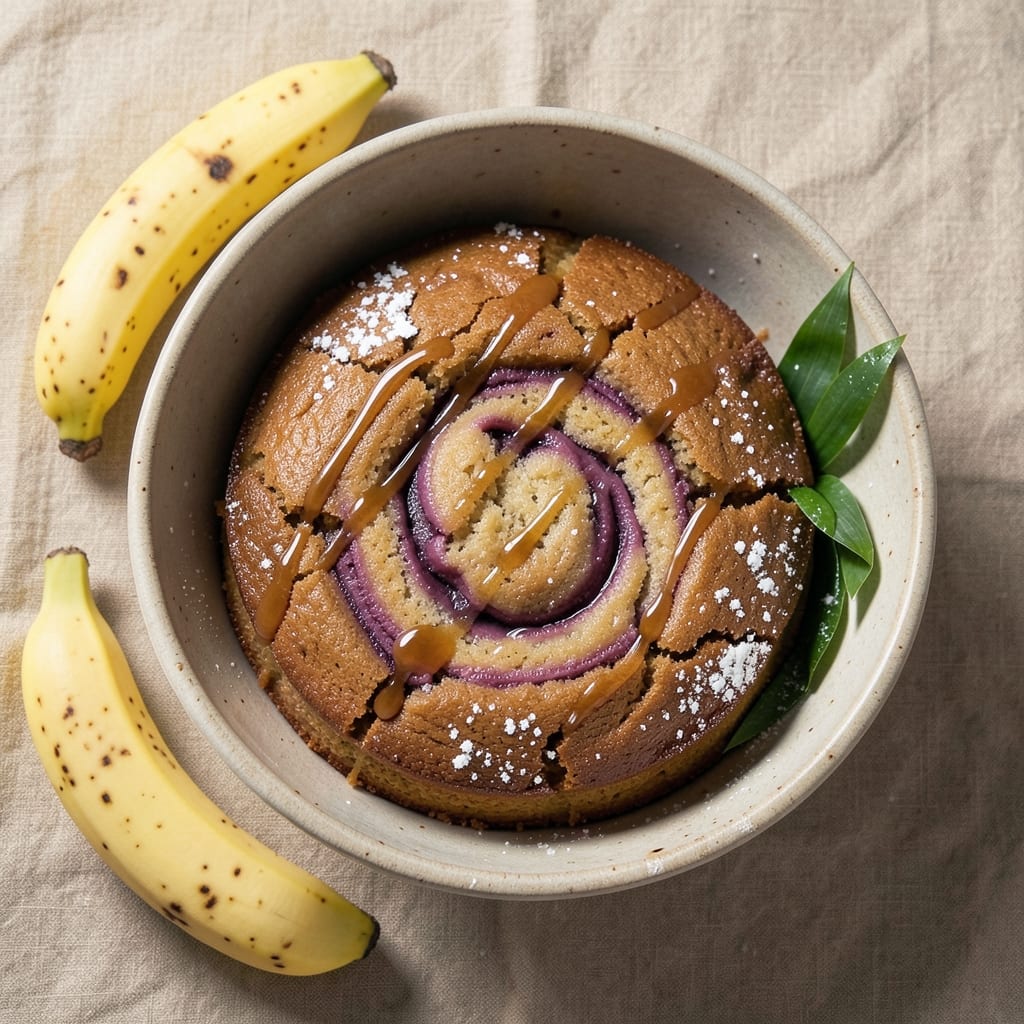
This Panlasang Pinoy banana cake recipe without an oven delivers moist, tender layers and rich Filipino flavors in just 30 minutes—no baking required. The secret lies in stovetop steaming, transforming ripe bananas, flour, and a touch of coconut caramel (latik) into a cake that’s crispy on the outside and velvety inside. I developed this version after realizing how many homes lack ovens but still crave comfort desserts, especially during power outages or when time is tight.
The magic happens with a simple batter of mashed bananas, eggs, and baking soda, which creates natural lift without yeast or leavening agents. Filipino flavors shine through with optional additions like ube halaya (purple yam jam) or pandan extract, adding depth that makes this cake taste like a home-cooked treat. The stovetop method ensures even cooking, with steam locking in moisture for a cake that stays fresh for days.
What you’ll end up with is a golden, fragrant cake that’s perfect for breakfast, merienda (Filipino snack time), or dessert—no oven needed. The texture is light yet dense, with a subtle caramelized crust from the steam. Serve warm with a drizzle of latik or a scoop of ube ice cream for the full Panlasang Pinoy experience.
This recipe is foolproof, requiring just a pot, heat source, and a little patience. Whether you’re cooking for a family gathering or a quick treat, the stovetop steam method guarantees success every time. Let’s get started!
Ingredients for banana cake recipe panlasang pinoy without oven
Simple Filipino flavors plus ripe bananas—no oven needed for this steamed stovetop delight.
| Ingredient | Amount | Notes |
|---|---|---|
| Ripe Bananas 🍌 | 2 whole | Spotty and soft for sweetness |
| All-Purpose Flour 🌾 | 1 ½ cups | Sifted for light texture |
| Large Eggs 🥚 | 2 whole | Room temperature preferred |
| Granulated Sugar 🍚 | ¾ cup | White or brown sugar |
| Baking Soda 🧂 | ½ tsp | For lift and tenderness |
| Salt 🧂 | ¼ tsp | Fine sea salt preferred |
| Ube Halaya 🍠 | ½ cup | Purple yam jam for flavor |
| Pandan Extract 🌿 | ½ tsp | For authentic aroma |
| Vegetable Oil 🫒 | ½ cup | Light and neutral flavor |
| Milk 🥛 | ½ cup | Any kind works fine |
| Vanilla Extract 🌸 | ½ tsp | Pure vanilla preferred |
| Water 💧 | ½ cup | For steam method |
The bananas are non-negotiable—look for ripe, spotty ones at the grocery store's produce section. Trader Joe's or Filipino markets often have the sweetest varieties. Ube halaya is the secret weapon here—Filipino stores or Amazon usually carry it in jars. If you can't find it, purple sweet potato puree works in a pinch. The pandan extract gives that authentic aroma, but vanilla extract at double the amount can substitute if needed. For the flour, King Arthur or Gold Medal brands are reliable for a light texture.
No baking soda? Self-rising flour at 1.5 cups minus 0.5 tsp salt is a decent swap, but the texture won't be identical. Short on ube halaya? Mashed purple sweet potato or even beet puree for color (though flavor will differ). The milk can be any kind—dairy, almond, or coconut—but dairy gives the best rise. For the steam method, any stovetop steamer basket works, even a colander with a rack. If you're really in a bind, a microwave-safe bowl with a damp paper towel over it can mimic the steam effect (though texture will vary).
This cake reheats beautifully—just wrap slices in a damp paper towel and microwave for 15-20 seconds. Keeps in the fridge for 3-4 days, but honestly, it's best fresh. For make-ahead prep, steam the cake and refrigerate the whole thing. Slice and serve cold or warm up portions as needed. The pandan flavor intensifies slightly when chilled, so if you're serving it cold, let it sit for 30 minutes before slicing.
Why You'll Love This Recipe
- No-Oven Magic: I swear by this recipe when my microwave feels like the only kitchen appliance that works. Just mix, steam, and wait—no preheating, no timing the oven, no waiting for it to cool down. The ripe bananas do all the heavy lifting while you’re busy with the kids or scrolling through your phone.
- Sweet & Simple: That caramelized banana flavor? It’s like dessert sneaking into your breakfast or snack time. The eggs bind it just right, and the baking soda gives it a light, fluffy texture without needing yeast or complicated steps. Honestly, it’s the kind of cake that makes you forget it’s “just” banana.
- Steam-Powered Flexibility: I make this for everything—quick breakfasts, potlucks, or even as a last-minute snack for the kids’ school events. The steam method keeps it moist for days, so it’s perfect for meal prep. Between us, it’s also the go-to when I’ve got zero energy but still need something sweet.
- Budget & Leftovers Win: Ripe bananas are basically free if you’re like me and buy them when they’re spotted. Flour, sugar, and eggs are pantry staples, and this recipe stretches for seconds—or even thirds. I’ll be real: I’ve reheated slices in the microwave for days, and they still taste fresh. Practical? Absolutely. Delicious? Even more so.
Step-by-step instructions for banana cake Panlasang Pinoy without oven
Master the stovetop steam method for a moist, fluffy cake with authentic Filipino flavors.
Prepare the Banana and Wet Ingredients
In a mixing bowl, mash the 2 whole ripe bananas until smooth with no lumps remaining. I like to use a fork first, then a whisk to ensure even consistency. Add the 0.75 cup granulated sugar, 0.5 cup ube halaya, 0.5 cup vegetable oil, 0.5 cup milk, 0.5 tsp vanilla extract, and 0.5 tsp pandan extract. Mix thoroughly until all ingredients are fully incorporated and the mixture is well combined.
The ube halaya adds that signature purple hue and sweet depth, while the pandan extract brings the authentic Filipino aroma. The ripe bananas should be soft enough to mash easily—if they're too firm, they won't blend smoothly. This mixture forms the cake's moist, tender base, so take your time ensuring everything is well mixed.
Combine Dry Ingredients and Form the Batter
In a separate bowl, sift together the 1.5 cups all-purpose flour, 0.5 tsp baking soda, and 0.25 tsp salt. This sifting step prevents lumps and ensures an even texture. Gradually add the dry mixture to the wet ingredients while stirring gently with a spatula. The batter should be thick but pourable—similar to pancake batter consistency.
Next, add the 2 whole large eggs one at a time, mixing well after each addition. The eggs bind the ingredients together and provide structure. Use a rubber spatula to scrape down the sides of the bowl and ensure everything is fully incorporated. The batter should be smooth with no visible streaks of flour. This step is crucial for achieving that light, airy texture characteristic of Filipino banana cakes.
Prepare the Steaming Setup
Lightly grease a 9-inch round cake pan or similar-sized heatproof pan with vegetable oil or butter. Pour the prepared batter into the pan and smooth the top with a spatula. Place the pan in a larger pot or steamer that can hold 0.5 cup water. The water level should be about halfway up the sides of the cake pan—this creates the perfect steam environment.
Bring the water to a gentle simmer over medium heat. The key here is maintaining consistent steam without boiling vigorously. Cover the pot with a tight-fitting lid to trap the steam. The cake will cook through the steam's heat, resulting in a moist texture without the need for an oven. This method also prevents the top from drying out, which is common with traditional baking.
Steam the Cake to Perfection
Steam the cake for 25-30 minutes until the top springs back when gently pressed with a finger. You'll know it's done when the edges pull away slightly from the pan and the center feels firm. The cake should rise about halfway up the sides of the pan, giving it that characteristic dome shape.
During the last 5 minutes of steaming, you'll notice the cake develop a slightly golden hue on top. This is a good sign—it indicates the cake is fully cooked. Remove the cake from the steamer and let it cool in the pan for 10 minutes before transferring to a wire rack. This cooling period allows the cake to set properly and prevents it from falling apart when you remove it.
Serve Warm for Maximum Enjoyment
Once the cake has cooled slightly, you can serve it warm or at room temperature. The steam method ensures a moist, tender crumb that's perfect with a dusting of powdered sugar or a drizzle of caramelized sugar. For an extra touch, serve it with a side of latik (toasted coconut) or a scoop of ube ice cream to complement the rich banana and ube flavors.
This cake keeps well at room temperature for 2-3 days, though I recommend enjoying it fresh while the steam method's moisture is at its peak. The pandan and ube flavors will mellow slightly over time, but the cake remains delicious. Store any leftovers in an airtight container to maintain freshness.
Pro Tips For Making Banana Cake Recipe Panlasang Pinoy Without Oven
- MASH THE BANANAS WELL: I learned this the hard way—lumpy banana puree means uneven texture. Use a fork first to break them up, then blend with a hand mixer until smooth. No chunks, no excuses. (Yes, even if you’re impatient like me.)
- WEIGH THE FLOUR: Scooping flour from the bag packs in air, which makes your cake dense. Use a kitchen scale for precise 1:1 ratio with sugar—250g flour to 250g sugar keeps it light. My first batches were brick-heavy until I switched.
- STOP WHEN THE CENTER JIGGLES: The cake’s done when the edges pull away from the pan and it wobbles slightly in the center—like Jell-O. Overbaking turns it dry. Test with a toothpick (it should come out clean but slightly moist), then cover immediately.
- ADD VANILLA OR BUTTER: Skip this, and you’re missing out on depth. A teaspoon of vanilla extract or 2 tablespoons of melted butter (mixed into the wet ingredients) makes the flavor richer. I was skeptical until I tried it—now it’s non-negotiable.
Serving suggestions for banana cake recipe panlasang pinoy without oven
Warm Filipino Touches
Serve your steamed banana cake with a warm side of latik (toasted coconut caramel) for that authentic Filipino merienda experience. I drizzle about 2 tablespoons of melted latik over each slice just before serving—it adds a rich, caramelized contrast to the cake's tender crumb. For extra warmth, sprinkle toasted sesame seeds or crushed macadamia nuts on top. 🌟
Ube Ice Cream Pairing
Pair your cake with ube ice cream for a dessert that feels like a celebration. Scoop a small ball of ube halaya ice cream onto each plate alongside the cake—this creates a beautiful purple-and-gold color contrast. The creamy, slightly sweet ice cream balances the cake's natural sweetness while enhancing the ube flavor. I like to serve this combo during Filipino family gatherings or as a special treat after dinner.
Coffee or Salabat
Complement your cake with a warm cup of Filipino coffee or salabat (ginger tea). The bitterness of coffee cuts through the cake's sweetness beautifully, while salabat adds a spicy warmth that pairs surprisingly well. For a non-alcoholic option, try tsokolate—a rich, thick Filipino hot chocolate made with tablea. Serve in small mugs to keep the cozy, intimate vibe of Filipino dessert time. ☕
Fresh Tropical Garnish
Add a pop of freshness with sliced mango or kiwi arranged around the cake. The bright acidity of these fruits cuts through the richness, making each bite feel lighter. I also like to garnish with edible orchid flowers (available at Filipino markets) for an elegant touch. This works especially well if serving the cake at room temperature.
Make-Ahead Serving Tips
If prepping ahead, steam the cake completely and let it cool fully before storing in an airtight container at room temperature. Reheat slices in the microwave for 10-15 seconds with a damp paper towel to restore moisture. For a special presentation, dust with powdered sugar or drizzle with caramel sauce just before serving. The cake reheats beautifully, making it perfect for last-minute gatherings. ⏰
Nutrition facts
Frequently asked questions
Can I substitute ube halaya if I can't find it?
Yes! Use ½ cup mashed purple sweet potato or beet puree for color, though the flavor will differ. For authentic taste, try ½ cup apricot jam mixed with ½ tsp cinnamon—it mimics the sweetness without the ube's earthy notes. The cake will still taste delicious!
What if my cake is too dense or didn't rise?
Check your baking soda—it should be fresh (old baking soda loses potency). Also ensure your bananas are very ripe (black spots = sweetness). For extra lift, add 1 tsp vinegar to the batter before steaming. If using a microwave instead of steam, reduce cooking time by 50% to avoid overcooking.
How do I make this cake in a microwave?
Grease a microwave-safe dish (8x8-inch) and pour the batter. Cover with a damp paper towel, then microwave on high for 4-5 minutes. Let it rest 5 minutes before slicing—this mimics steam's gentle cooking. For a better texture, alternate between 2-minute bursts with 1-minute rests.
Can I use this recipe for a layer cake?
Divide the batter evenly into 3 greased ramekins (6-8 oz each) and steam for 20-25 minutes. Chill layers completely, then assemble with ube buttercream or whipped cream. Use a 9-inch pan for the top layer. For extra stability, add 1 extra egg to the batter.
Why does my cake smell amazing but taste bland?
Pandan extract is key—use ½ tsp pure pandan (not imitation). If missing, add 1 tsp vanilla + ¼ tsp cinnamon for warmth. Also check your bananas: overripe bananas (black and mushy) add more natural sweetness. For extra flavor, fold in 2 tbsp toasted coconut flakes into the batter.