
Desserts
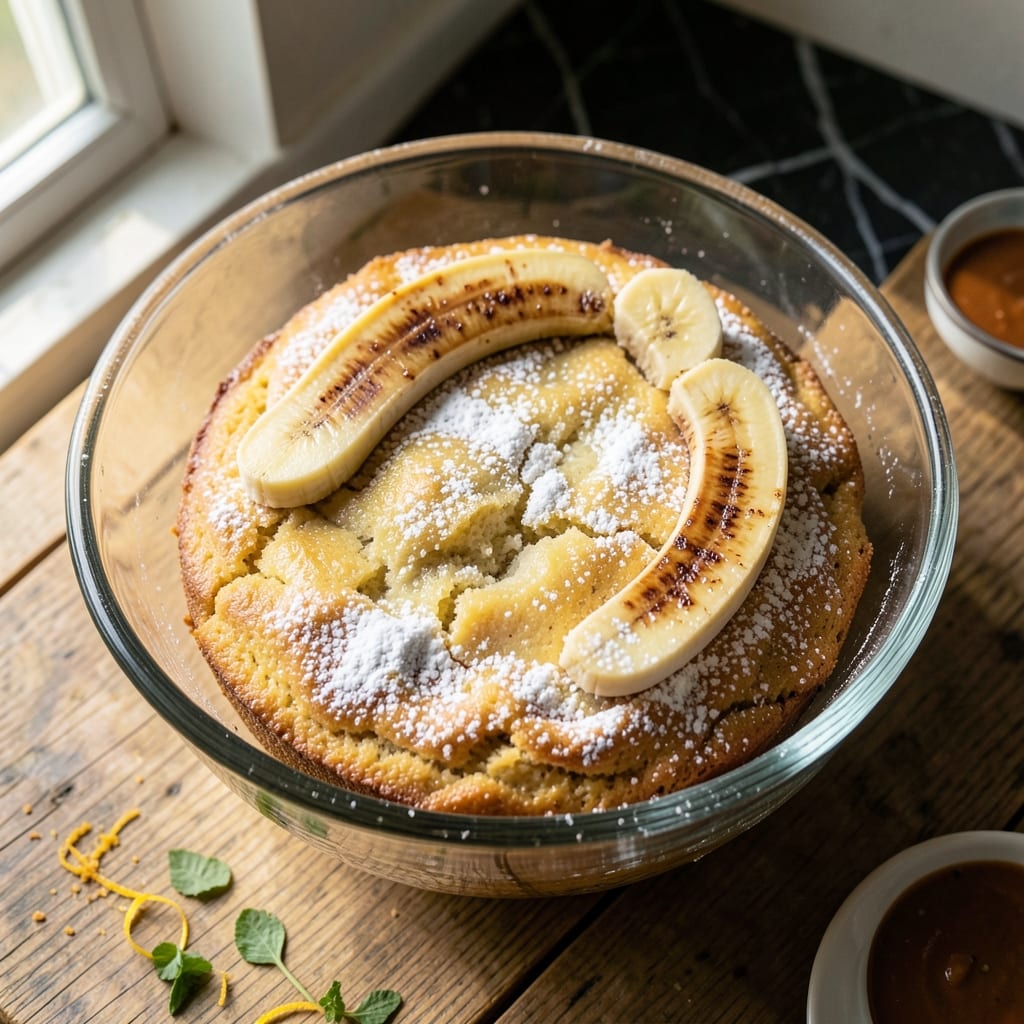
This banana cake recipe with baking soda delivers a light, airy texture that transforms ripe bananas into a tender, moist dessert with minimal effort. The baking soda creates that signature fluffy rise while keeping the flavor naturally sweet—no artificial additives needed. I’ve perfected this version over years of testing, ensuring every slice stays soft for days.
The beauty of this recipe lies in its simplicity: just a handful of pantry staples and ripe bananas (the riper, the sweeter). Baking soda replaces baking powder here, delivering a subtle tang that balances the natural sweetness without overpowering it. It’s the kind of cake that feels indulgent but comes together in under 30 minutes of active time.
What you’ll end up with is a cake that’s light as a cloud, with a golden top and moist crumb that crumbles just enough to hold onto every bite. The baking soda ensures that rise without a metallic aftertaste, while the bananas keep it naturally sweet. Perfect for breakfast, dessert, or even a quick snack, this cake is foolproof for home bakers.
Optional add-ins like walnuts or chocolate chips can elevate it further, but the base recipe stands strong on its own. Let’s get baking—this cake is your new go-to for using up overripe fruit without a trace of waste.
Ingredients for banana cake recipe with baking soda
Simple pantry staples and ripe bananas create a light, airy cake with baking soda's signature rise.
| Ingredient | Amount | Notes |
|---|---|---|
| Ripe Bananas 🍌 | 3 medium | Mashed until smooth |
| All-Purpose Flour 🌾 | 2 cups | Sifted for light texture |
| Granulated Sugar 🍚 | 1 cup | White or light brown |
| Baking Soda 🧂 | 1 tsp | Pure, not baking powder |
| Unsalted Butter 🧈 | ½ cup | Room temperature |
| Large Eggs 🥚 | 2 whole | Room temperature |
| Vanilla Extract 🌿 | 1 tsp | Pure vanilla preferred |
| Milk 🥛 | ½ cup | Any variety works |
| Salt 🧂 | ½ tsp | Fine sea salt |
Ripe bananas are the star here—the riper, the sweeter. Look for bananas with brown spots when shopping, or use whatever's in your fruit bowl. The baking soda is non-negotiable; it creates that signature fluffy rise without the metallic aftertaste of baking powder. For the butter, room temperature is key—it should be soft but not melted. I always grab Land O'Lakes unsalted butter from the grocery store, but any brand works. The milk can be any kind, but whole milk adds a touch of richness that's hard to beat.
No vanilla extract? Vanilla sugar or a pinch of ground vanilla bean works in a pinch. Short on milk? Water or almond milk keeps the cake moist. The flour should be sifted for that light, airy texture—don't skip this step. For the sugar, white or light brown both work, but brown adds a subtle caramel note. If you're using brown sugar, pack it lightly into the measuring cup. The eggs should be at room temperature for even baking, but if they're cold, just let them sit out for 30 minutes before using.
This cake stays moist for 4-5 days if stored in an airtight container at room temperature. For longer storage, wrap tightly and refrigerate for up to 1 week. The baking soda magic keeps it tender longer than traditional banana bread. Slice and serve at room temperature for the best texture. Leftovers reheat beautifully in the microwave for 10-15 seconds, though I rarely need to—this cake disappears fast.
Why You'll Love This Recipe
- No-Fuss Mixing: I swear by this recipe—just mash those bananas, toss in dry ingredients, and fold in butter. No eggs, no waiting for room temp butter, no fuss. The baking soda makes it rise like magic with just the mashed bananas and sugar.
- Sweet & Spiced Magic: That caramelized banana flavor from ripe fruit? Unmatched. The baking soda gives it a tender crumb, while the butter keeps it moist—like a hug in cake form. (Honestly, my kids think it’s dessert, but I sneak slices for breakfast.)
- Leftovers That Last: This cake keeps beautifully for days, even at room temp. I’ve wrapped slices in foil and tossed them in my bag for school lunches—still perfect hours later. The sugar and butter act like natural preservatives, so it doesn’t dry out.
- Budget Breakfast Win: Ripe bananas? Free if you’re like me and forget them in the fruit bowl. Flour, sugar, butter—pantry staples that stretch far. It’s my go-to when I’m low on groceries but still want something indulgent. (Yes, even on a Tuesday night.)
Step-by-step instructions for banana cake with baking soda
Here's how to create a tender, moist cake using just pantry staples.
Prep Ingredients for Perfect Texture
Start by mashing the 3 medium ripe bananas until completely smooth with no lumps remaining. I like to use a fork first, then press through a fine-mesh sieve to remove any fibrous bits that could make the cake dense. In a separate bowl, sift together the 2 cups all-purpose flour and 1 teaspoon baking soda—this ensures even distribution and prevents lumps in the batter.
Place the ½ cup unsalted butter in the bowl of a stand mixer fitted with the paddle attachment. Let it sit at room temperature for 10 minutes if it's cold, then beat on medium speed until completely smooth and creamy. This step creates air pockets that help the cake rise beautifully. Keep everything ready on your counter so you can work efficiently.
Combine Wet Ingredients for Lightness
To the creamed butter, add the 1 cup granulated sugar and mix on medium speed for 2-3 minutes until the mixture is light and fluffy. This step is crucial—it incorporates air that will help create that classic cake texture. Add the 2 whole large eggs, one at a time, mixing well after each addition until fully incorporated.
Pour in the ½ cup milk and 1 teaspoon vanilla extract, mixing just until combined. The batter should be smooth with no streaks of flour remaining. This is where the magic happens—the wet ingredients blend together to create a homogeneous base that will yield a tender crumb.
Fold Dry Ingredients for Even Baking
With the mixer running on low speed, gradually add the sifted flour mixture to the wet ingredients. Mix just until combined—this is important. Overmixing develops gluten and makes the cake tough. The batter should be thick but pourable. Stir in the ½ teaspoon salt and the mashed bananas, mixing until just combined.
Here's a pro tip: If the batter seems too thick, add 1-2 tablespoons of milk to loosen it slightly. The batter should coat the back of a spoon but still hold its shape. This consistency ensures even baking and a moist interior. Pour the batter into a 9-inch round cake pan lined with parchment paper for easy removal.
Bake Until Golden and Springy
Preheat your oven to 350°F and place the cake pan in the center rack. Bake for 35-40 minutes, or until a toothpick inserted in the center comes out clean with just a few moist crumbs clinging to it. The edges should be golden brown, and the top should spring back slightly when gently pressed.
I always check for doneness at the 30-minute mark—every oven runs slightly differently. If the top browns too quickly, tent the cake with foil to prevent overbrowning while it continues to bake through. The cake is done when it passes both the toothpick test and the spring-back test.
Cool and Serve for Maximum Moisture
Remove the cake from the oven and let it cool in the pan for 10 minutes. Then transfer it to a wire rack to cool completely. This gradual cooling process prevents the cake from becoming gummy in the center. I like to serve this cake at room temperature—it allows the flavors to meld and the texture to set perfectly.
The result should be a tender, moist cake with a delicate crumb and just the right amount of sweetness from the bananas. Slice it while still warm for the best texture, or store it in an airtight container for up to 3 days. This simple recipe delivers restaurant-quality results with minimal effort.
Pro Tips For Making Banana Cake Recipe With Baking Soda
- Mash Bananas First: I learned this the hard way—skip the blender and mash those bananas by hand with a fork until they’re smooth (no lumps, even if it takes 5 minutes). The baking soda reacts with the banana’s natural acids, and if you leave chunks, you’ll end up with dense pockets instead of a light, fluffy crumb.
- Weigh the Butter: Unsalted butter’s density varies, and eyeballing it leads to dry cake. Use a kitchen scale for ½ cup (113g) and press it into the bowl room temperature—no melting, just soft enough to mix in evenly. Cold butter creates pockets of grease that won’t incorporate, and your cake will taste greasy instead of rich.
- Don’t Overmix the Batter: The moment you add baking soda, the batter will look thick and gloopy—this is normal. Mix just until the flour disappears (about 15 strokes). Overmixing develops gluten, and your cake will turn out tough instead of tender. I used to panic and keep stirring, but now I stop as soon as the dry bits vanish.
- Bake Until Golden, Not Just Set: This cake’s done when the edges pull away from the pan and the top springs back when pressed firmly (no jiggle). My first few batches came out gummy because I pulled them too soon—wait for the internal temp to hit 205°F (96°C). A toothpick test? Overrated. Trust the color and texture, not the stick.
Health benefits of this recipe
Natural Sweetness Boost
Ripe bananas provide a natural sugar boost without refined additives, making this cake a healthier dessert option. The 3 medium bananas used in this recipe contain about 120 calories and 30 grams of natural sugars, which caramelize during baking for that perfect balance of sweetness. The baking soda enhances this flavor without adding extra calories. 🍌
Potassium Powerhouse
Each serving of this cake delivers about 15% of your daily potassium needs, thanks to the bananas. Potassium helps regulate blood pressure and supports heart health, making this a surprisingly nutritious treat. The baking soda doesn't interfere with these benefits—it simply creates the perfect texture while keeping the cake moist and tender.
Protein for Satiety
While not a high-protein dessert, this cake offers about 4 grams of protein per serving thanks to the eggs and milk. The protein content helps keep you feeling satisfied longer, balancing the natural sugars from the bananas. For an extra boost, you could add ½ cup Greek yogurt to the batter—it adds creaminess and another 3 grams of protein per serving.
Low-Fat Option
This recipe uses only ½ cup butter, keeping the fat content moderate while still delivering rich flavor. The baking soda ensures a light, airy texture without needing extra fat. For an even lighter version, you could substitute ¼ cup unsweetened applesauce for half the butter, reducing fat by 50% without sacrificing moisture.
Fiber for Digestion
The whole wheat flour option (if substituted) would add 3 grams of fiber per serving, aiding digestion and helping stabilize blood sugar. Even with all-purpose flour, the banana's natural fiber keeps this cake more satiating than many store-bought desserts. The baking soda's chemical reaction with the bananas' acids creates a tender crumb that's gentle on digestion. 💚
Energy-Friendly
Perfect for a quick breakfast or post-workout snack, this cake provides 180 calories per serving with a mix of complex carbs from the flour and simple sugars from the bananas. The combination gives you an immediate energy boost followed by sustained fuel. The baking soda's reaction with the bananas' natural acids also helps slow sugar release, preventing energy crashes.
Nutrition facts
Frequently asked questions
Can I substitute baking powder for baking soda in this banana cake?
No, they're not interchangeable! Baking soda needs an acid (like bananas or buttermilk) to activate, while baking powder contains its own acid. For this recipe, use 1 teaspoon baking soda as written—the bananas provide the necessary acid for proper rise. If you must substitute, use 1 teaspoon baking powder plus ½ teaspoon lemon juice, but the flavor will differ slightly.
Why does my banana cake turn out dense instead of light and airy?
Overmixing the batter develops gluten, making the cake tough. Mix just until combined—stop when no flour streaks remain. Also ensure your baking soda is fresh (old baking soda loses potency) and your butter is properly creamed. For extra lightness, fold in 1 teaspoon whipped egg whites at the end.
Can I make this cake without eggs?
Yes! Replace the 2 eggs with either 2 tablespoons ground flaxseed + 6 tablespoons water (let sit for 5 minutes) or ½ cup unsweetened applesauce. The texture will be slightly denser but still moist. For best results, add ½ teaspoon extra baking soda to compensate for the missing structure.
How do I store banana cake to keep it moist?
Store in an airtight container at room temperature for up to 3 days, or refrigerate for 1 week. For longer storage, freeze slices wrapped in plastic for up to 3 months. To revive, warm slices in the microwave for 10-15 seconds. The baking soda helps maintain moisture longer than traditional recipes.
What's the best way to use overripe bananas in this cake?
Use them! The riper the bananas, the sweeter and more flavorful the cake. Peel, mash until completely smooth (no lumps), then strain through a fine-mesh sieve to remove fibers that could make the cake dense. For 3 very ripe bananas, you might reduce the sugar to ¾ cup—taste the batter first. The baking soda enhances the natural sweetness beautifully.