
Desserts
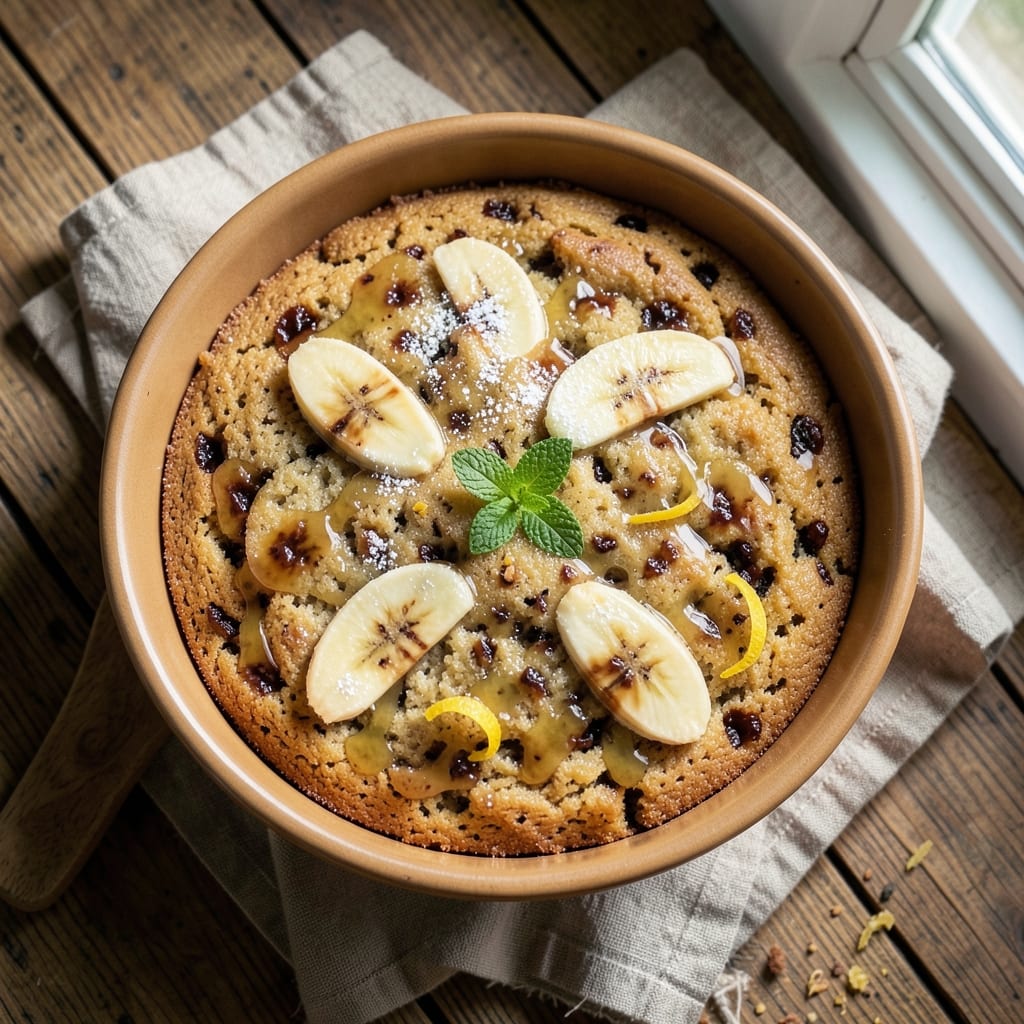
This banana cake recipe with coconut oil delivers a moist, ultra-tender crumb that stays fresh for days—no dry, crumbly texture in sight. The secret lies in coconut oil's ability to retain moisture while adding a subtle tropical richness that complements ripe bananas perfectly. I developed this version after years of experimenting with healthier fat alternatives, and it's now my go-to for both weeknight desserts and special occasions.
The beauty of this recipe is its simplicity—just a handful of ingredients that work together to create a cake with perfectly balanced sweetness and moisture. Unlike traditional butter-based cakes, coconut oil keeps the texture remarkably light while providing a subtle nutty depth that pairs beautifully with the bananas. The result is a dessert that's as nutritious as it is indulgent, making it ideal for health-conscious bakers who don't want to compromise on flavor.
What sets this cake apart is its ability to stay moist for days without turning gummy or dense. The coconut oil creates a tender crumb that holds up to slicing and reheating, while the bananas add natural sweetness that reduces the need for excessive sugar. Whether you're baking for a family gathering or treating yourself to a midweek indulgence, this recipe delivers restaurant-quality results with minimal effort.
Ready in just one hour from start to finish, this banana cake is perfect for beginners and experienced bakers alike. The instructions are straightforward, and the ingredients are easy to find, making it an ideal project for any occasion. Let's get started on creating your most moist, flavorful banana cake yet!
Ingredients for banana cake recipe with coconut oil
Tropical richness meets classic cake perfection with these carefully chosen ingredients.
| Ingredient | Amount | Notes |
|---|---|---|
| Ripe Bananas 🍌 | 3 medium | Mashed, about 1.5 cups |
| Unsweetened Applesauce 🍎 | 1 cup | Substitutes for oil/butter |
| Coconut Oil 🥥 | ½ cup | Melted, extra-virgin preferred |
| All-Purpose Flour 🌾 | 2 cups | Sifted for light texture |
| Granulated Sugar 🍚 | 1 cup | Light brown sugar optional |
| Baking Soda 🧂 | 1 tsp | Freshly measured |
| Baking Powder 🧂 | 1 tsp | Double-acting preferred |
| Ground Cinnamon 🌿 | 1 tsp | Freshly ground preferred |
| Salt 🧂 | ½ tsp | Fine sea salt preferred |
| Vanilla Extract 🌸 | 1 tsp | Pure vanilla preferred |
| Plain Greek Yogurt 🍦 | ½ cup | Full-fat for moisture |
| Walnuts 🌰 | ½ cup | Toasted, chopped optional |
| Almond Milk 🥛 | ½ cup | Unsweetened preferred |
The coconut oil is non-negotiable—it's what creates that ultra-moist crumb. Trader Joe's carries the best quality at a reasonable price, but any extra-virgin variety will work. For the bananas, ripe is critical—think brown speckles and slightly soft to the touch. If you can't find ripe ones, let them sit on the counter overnight. The walnuts add texture, but toast them first (350°F for 8-10 minutes) to bring out their natural oils. Costco sells bulk walnuts at a great price, but the grocery store bag works too. The Greek yogurt is your secret weapon for moisture—full-fat gives the best results, but low-fat works in a pinch.
No coconut oil? Melted butter or avocado oil works, but the flavor won't be the same. Short on bananas? Substitute with 1 cup mashed sweet potato for moisture, though the flavor will shift slightly. The applesauce can be swapped for pumpkin puree (same amount) if you're feeling autumnal. For the almond milk, any unsweetened plant milk works—soy or oat are good alternatives. The vanilla extract is where you can splurge if you want: Nielsen-Massey is a reliable brand for pure vanilla. If you're using vanilla beans, 1/2 teaspoon of seeds equals 1 teaspoon of extract. The baking powder and soda are a team—make sure they're fresh (test by dropping in warm water; should bubble vigorously).
Store the cake in an airtight container at room temperature for up to 3 days, or refrigerate for 5-6 days if you want to extend freshness. For longer storage, wrap individual slices in plastic and freeze for up to 3 months. The coconut oil makes this cake reheat beautifully—just 10-15 seconds in the microwave with a damp paper towel over it revives the moisture. I always make a double batch because this cake disappears fast—perfect for meal prep or gifting. The walnuts can be toasted ahead and stored in the freezer for up to 6 months to save time.
Why You'll Love This Recipe
- No Mixer Needed: I swear by this—just mash those bananas with a fork, stir in the applesauce and coconut oil, then fold in the dry stuff. The batter’s thick but not sticky, and the cake rises just right without overmixing. (Yes, even on a Tuesday night.)
- Moist Without Grease: That coconut oil keeps it tender, but honestly? The applesauce does most of the work—it’s the secret to a cake that stays soft for days. No dry crumbs, no weird aftertaste, just pure, buttery-ripe banana flavor that tastes like dessert but isn’t heavy.
- Breakfast or Snack: Slice it warm with a drizzle of honey for a grab-and-go breakfast, or pack it in lunchboxes for the kids. I’ve even made mini muffins with the same batter—same ease, different occasion. (My daughter’s favorite? The “cake for dinner” nights.)
- Pantry Staple Magic: You’re already using what’s in your cupboard: flour, sugar, and bananas that’d otherwise turn brown. The coconut oil adds richness without breaking the bank, and leftovers? They last forever if you wrap them tight. Budget-friendly doesn’t get much better than this.
Step-by-step instructions for banana cake with coconut oil
This method delivers a tender, ultra-moist crumb where tropical coconut oil replaces butter.
Prepare the Wet Ingredients for Maximum Moisture
In a medium bowl, mash the 3 medium ripe bananas until completely smooth—no lumps remain. This ensures even distribution throughout the batter. Stir in the 1 cup unsweetened applesauce and 0.5 cup melted coconut oil, whisking until fully combined. The applesauce acts as a natural fat substitute while adding moisture and tenderness.
Add the 0.5 cup plain Greek yogurt, 1 tsp vanilla extract, and 0.5 cup almond milk, mixing until the wet ingredients form a smooth, thick paste. The yogurt introduces protein for structure while keeping the cake incredibly moist. Let this mixture sit for 5 minutes at room temperature—this allows the coconut oil to fully incorporate and prevents a dense texture.
Combine Dry Ingredients and Fold Gently
In a separate large bowl, sift together the 2 cups all-purpose flour, 1 cup granulated sugar, 1 tsp baking soda, 1 tsp baking powder, 1 tsp ground cinnamon, and 0.5 tsp salt. Sifting prevents lumps and ensures an even rise. Gently fold in the 0.5 cup chopped walnuts using a spatula—this keeps them evenly distributed without overmixing.
Create a well in the center of the dry ingredients and pour in the wet banana mixture. Using the spatula, gently fold everything together until just combined—you should still see slight streaks of flour. Overmixing develops gluten, resulting in a tough cake. The goal is a thick, slightly sticky batter that holds its shape when dropped from a spoon.
Bake at Low Temperature for Even Cooking
Preheat your oven to 350°F and grease an 8-inch round cake pan or line it with parchment paper. Pour the batter into the prepared pan and smooth the top with a spatula. Tap the pan gently on the counter 3-4 times to remove any air bubbles—this prevents sinking in the center.
Bake for 45-50 minutes until a toothpick inserted in the center comes out clean and the edges are light golden brown. The low temperature ensures even cooking without a dry crust. If the top begins to brown too quickly, loosely tent the pan with aluminum foil after 30 minutes to prevent over-browning while maintaining moisture.
Cool and Serve for Perfect Texture
Remove the cake from the oven and let it cool in the pan for 10 minutes. This allows the center to set slightly before transferring. Invert the cake onto a wire rack and let it cool completely to room temperature—at least 1 hour. The coconut oil needs time to fully solidify, which prevents a greasy texture and ensures clean slices.
Slice with a sharp serrated knife and serve at room temperature. The cake should have a moist, velvety crumb with subtle walnut crunch throughout. For best results, store leftovers in an airtight container at room temperature for up to 3 days—the coconut oil keeps it moist longer than traditional butter-based cakes.
Pro Tips For Making Banana Cake Recipe With Coconut Oil
- Mash Bananas Thoroughly: I learned this the hard way—lumpy banana puree means a dense, uneven cake. Use a fork first to break them up, then switch to a potato masher or spoon to really crush every speck of starch. No food processor? A fork and elbow grease work, but your arm will hate you.
- Melt Coconut Oil Slowly: Coconut oil solidifies fast, and cold chunks in batter make for a greasy, uneven texture. Warm it in 30-second bursts in the microwave, stirring between each, until just liquid—not hot. If you’re impatient like me, resist the urge to nuke it full blast.
- Don’t Overmix the Batter: This isn’t a pancake—overworking the flour turns your cake into a sad, tough brick. Mix just until the dry ingredients disappear, maybe 10-12 strokes with a spatula. The second the flour looks uniform, stop. Your future self will thank you.
- Test for Doneness Early: Coconut oil makes cakes bake faster than butter, so pull yours out when the edges look set but the center still jiggles slightly. A toothpick should come out with a few moist crumbs, not wet batter. If you wait for the "perfect" look, you’ll end up with a dry, overbaked mess.
Regional styles of banana cake recipe with coconut oil
Hawaiian Pineapple Twist
In Hawaii, banana cakes often incorporate local tropical fruits like pineapple. Add ½ cup crushed pineapple (drained well) to the wet ingredients and fold in ¼ cup toasted macadamia nuts for a nutty contrast. The pineapple's acidity brightens the coconut flavor, while macadamias add a luxurious texture. Serve with a drizzle of coconut cream for a true island-inspired dessert. 🌺
Caribbean Rum Infusion
The Caribbean version swaps vanilla for 1 tablespoon dark rum (like Appleton Estate) and adds ½ teaspoon grated nutmeg to the dry ingredients. The rum enhances the coconut's tropical notes, while nutmeg adds warm spice. For extra decadence, top with a sprinkle of toasted coconut flakes and a rum-soaked banana slice. This variation pairs perfectly with spiced coffee or coconut rum punch. 🍹
Southern Buttermilk Swap
In Southern U.S. adaptations, replace Greek yogurt with ½ cup buttermilk and add ½ teaspoon lemon zest to the dry ingredients. The tangy buttermilk creates a lighter crumb, while lemon zest brightens the banana flavor. Fold in ¼ cup pecans for a Southern twist. This version works beautifully with bourbon caramel drizzle or vanilla bean ice cream. 🥄
Japanese Matcha Fusion
For a Japanese-inspired variation, replace ½ cup almond milk with ½ cup matcha green tea powder mixed with ¼ cup hot water (whisked smooth). Add 1 teaspoon white miso paste to the wet ingredients for umami depth. Top with red bean paste or sesame seeds for a fusion dessert that balances sweet and earthy flavors. This version pairs wonderfully with jasmine tea. 🌿
European Spiced Version
European bakers often enhance banana cakes with warming spices. Add ½ teaspoon cardamom and ¼ teaspoon clove to the dry ingredients, along with ½ cup chopped almonds instead of walnuts. The cardamom adds floral notes while cloves bring deep warmth. Serve with whipped cream and a dusting of powdered sugar for a refined European touch. 🍃
Nutrition facts
Frequently asked questions
Why does this banana cake use coconut oil instead of butter?
Coconut oil creates a moist, tender crumb while adding a subtle tropical flavor that pairs perfectly with bananas. It's also a healthier fat alternative with a higher smoke point, making it ideal for baking at 350°F. Plus, it keeps the cake fresh longer than butter-based versions!
Can I make this cake vegan?
Yes! Simply replace the 0.5 cup Greek yogurt with 0.5 cup coconut yogurt or 0.5 cup unsweetened applesauce, and use 1 tablespoon flaxseed meal + 3 tablespoons water (mixed and rested for 5 minutes) instead of the eggs. The coconut oil already makes it dairy-free!
How do I know when the cake is fully baked?
Insert a toothpick into the center—it should come out clean with just a few moist crumbs. The edges should be light golden brown, and the cake should spring back slightly when gently pressed. Overbaking can dry out the coconut oil's moisture benefits, so aim for 45-50 minutes total.
What if my bananas aren't ripe enough?
Place unripe bananas in a paper bag with an apple or two for 1-2 days at room temperature—the ethylene gas will speed up ripening. For immediate use, mash them anyway—the cake will still work, but the flavor will be slightly less sweet. Overripe bananas (very mushy) can be blended with 1 tablespoon lemon juice to balance sweetness.
Can I use this recipe for a layer cake?
Divide the batter evenly between two 6-inch round pans and bake as directed. For assembly, spread a thin layer of coconut cream frosting (whipped coconut milk + powdered sugar) between layers. Use the same cooling time to prevent crumbling. This works perfectly for birthdays or celebrations!