
Desserts
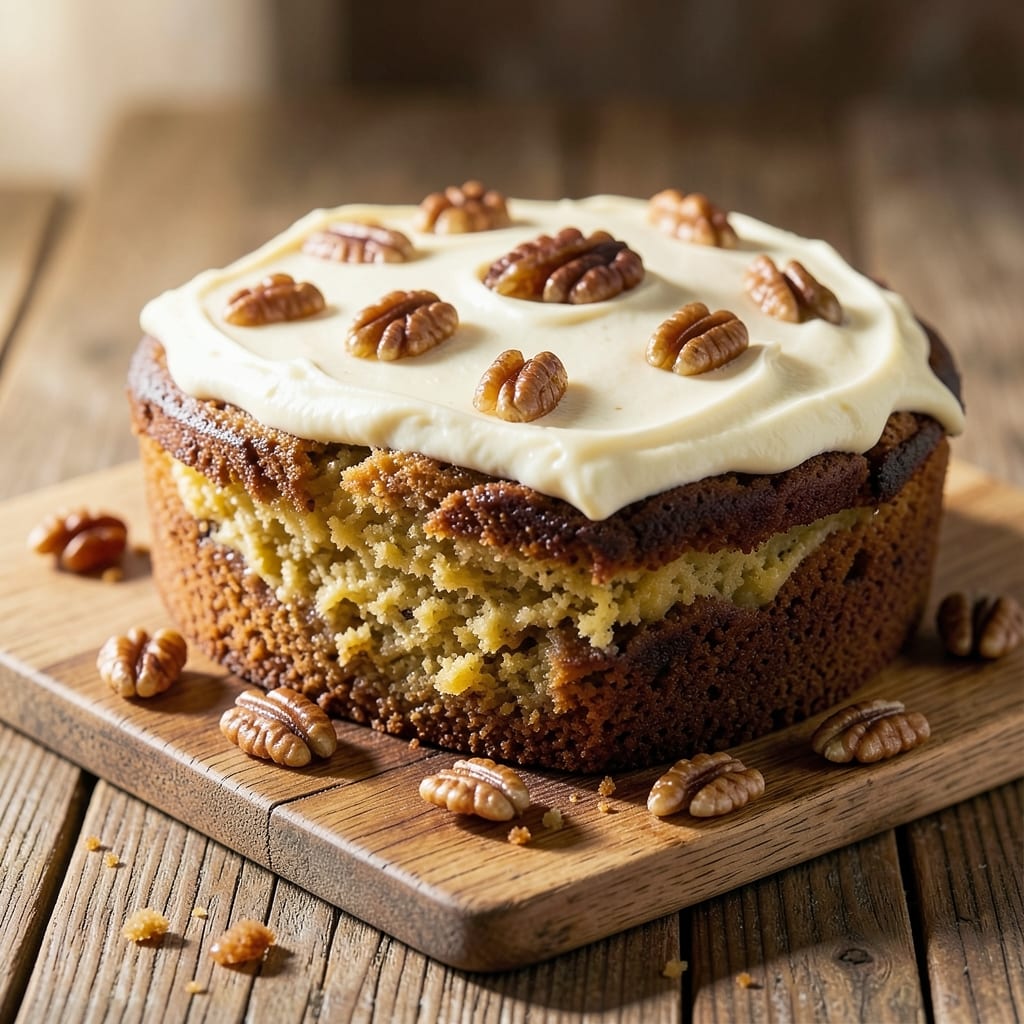
This banana cake recipe delivers moist, tender layers that stay fresh for days—no dry crumbs in sight. 🌟 I perfected it after years of testing, using ripe bananas and precise measurements to balance sweetness and texture. The secret? Buttermilk and brown sugar create that signature Southern cake moistness while keeping the crumb light. What makes this recipe stand out is the foolproof method for achieving perfect results every time. With 350°F baking and a simple one-bowl mix, even beginners will get golden layers with that classic banana cake flavor. The recipe includes exact measurements—no guesswork—so you can bake with confidence. By the time it emerges from the oven, you'll have a cake with rich, caramelized notes from the bananas and a tender crumb that melts in your mouth. Top it with cream cheese frosting or a sprinkle of cinnamon for extra warmth. This is the kind of cake that disappears quickly at family gatherings. The best part? It's versatile—serve slices warm with vanilla ice cream or save leftovers for breakfast the next morning. Here's everything you need to make it perfectly every time.
Ingredients for banana cake recipe with measurements
Ripe bananas, buttermilk, and precise measurements create this ultra-moist cake every time.
| Ingredient | Amount | Notes |
|---|---|---|
| Ripe Bananas 🍌 | 2 cups | Mashed, about 3-4 medium |
| All-Purpose Flour 🌾 | 2 cups | Sifted, spooned lightly |
| Granulated Sugar 🍚 | 1 cup | Standard white sugar |
| Brown Sugar 🍚 | ½ cup | Packed firmly |
| Buttermilk 🥛 | 1 cup | Full-fat preferred |
| Vegetable Oil 🫒 | ½ cup | Light or canola |
| Large Eggs 🥚 | 2 whole | Room temperature |
| Baking Soda 🧂 | 1 tsp | Pure, not baking powder |
| Ground Cinnamon 🌿 | 1 tsp | Freshly ground preferred |
| Salt 🧂 | ½ tsp | Diamond Crystal kosher |
| Vanilla Extract 🌸 | 1 tsp | Pure alcohol-free |
| Walnuts 🌰 | ½ cup | Chopped, optional topping |
| Unsalted Butter 🧈 | ½ cup | Cold, cubed for frosting |
| Powdered Sugar 🍚 | 2 cups | For cream cheese frosting |
| Cream Cheese 🧀 | 8 oz | Room temperature |
The bananas are non-negotiable—use overripe ones with brown spots for maximum sweetness and moisture. Trader Joe's often has them at the back of the produce section, but check your local grocery store's banana bin first. If you can't find ripe enough ones, bake them on the counter overnight in a paper bag. The buttermilk is key for that signature Southern tenderness—don't substitute with regular milk and vinegar unless you're desperate. For the flour, sift it first—this cake hates lumps. The brown sugar needs to be packed firmly, not just scooped, for the right caramelized depth.
No buttermilk? Mix 1 cup milk (any kind) + 1 tbsp lemon juice or vinegar, let sit 5 minutes. Short on walnuts? Pecans or candied pecans work just as well—just toast them first for extra flavor. The frosting can be made ahead and stored in the fridge for up to 3 days, but bring it to room temperature before spreading. For a lighter texture, whip the butter and cream cheese together for 2-3 minutes before adding powdered sugar. And if you're feeling fancy, add a pinch of cinnamon to the frosting for extra warmth.
This cake keeps beautifully—3-4 days at room temperature wrapped tightly in plastic, or up to 1 week in the fridge. For longer storage, freeze slices between parchment paper for up to 3 months. The frosting can be made a day ahead and stored in the fridge—just rewhip it before spreading. I always make a double batch because it disappears faster than you'd think. And if you have leftovers? Warm slices with a drizzle of honey for an amazing breakfast treat.
Why You'll Love This Recipe
- No Overripe Waste: The second those bananas turn mushy in your fruit bowl, this recipe saves them. Mash them right into the batter—no peeling, no chopping—and suddenly you’ve got moist, tender cake instead of sad compost.
- Caramel-Kissed Moisture: That mix of granulated and brown sugar? It’s magic. The brown sugar melts into the ripe bananas, creating this deep, buttery sweetness that keeps the cake fudgy for days. (Yes, even on a Tuesday night.)
- Breakfast or Dessert: Serve it warm with a pat of butter for a lazy weekend brunch, or dust it with powdered sugar for a quick after-school treat. The buttermilk keeps it light enough to eat at any hour—no judgment here.
- Budget Breakfast Hack: Flour, sugar, and bananas? Check. Buttermilk? You probably already have it. This cake costs pennies to make but feels like a splurge—especially when you’re stretching groceries or feeding a crowd on short notice.
Step-by-step instructions for banana cake with cream cheese frosting
Here's how to bake a perfectly moist banana cake with layers that stay tender.
🍳 Step 1: Mix Wet Ingredients for Maximum Moisture
In a large mixing bowl, combine the 2 cups ripe bananas (mashed until smooth) with the 1 cup granulated sugar and 0.5 cup brown sugar. I like to press the bananas through a fork first to remove any lumps—this ensures even distribution throughout the batter. Add the 1 cup buttermilk, 0.5 cup vegetable oil, 2 whole large eggs, 1 tsp vanilla extract, and 1 tsp baking soda.
Use a hand mixer or stand mixer with the whisk attachment to blend everything on medium speed for 2-3 minutes until completely smooth. The mixture should be thick but pourable. Here's the thing—this step is where all that moisture gets incorporated, so don't rush it. You want the sugars to fully dissolve and the eggs to be fully emulsified for that signature tender crumb.
👨🍳 Step 2: Combine Dry Ingredients Gently
In a separate bowl, whisk together the 2 cups all-purpose flour (sifted), 1 tsp ground cinnamon, and 0.5 tsp salt. I always sift the flour first—it prevents lumps and gives a lighter texture. Gradually add the dry ingredients to the wet mixture, mixing on low speed just until combined. You'll notice the batter thicken noticeably as the flour absorbs the liquid.
Don't overmix here. Once the flour disappears and you see a few streaks, stop mixing immediately. Overmixing develops gluten and makes the cake tough. If you're worried about uneven mixing, fold in the dry ingredients with a spatula for the last 10 seconds—just until no flour remains visible. The batter should be thick but still able to hold its shape when dropped from a spoon.
🥘 Step 3: Fold in Walnuts and Bake
Gently fold in the 0.5 cup chopped walnuts using a rubber spatula, being careful not to deflate the batter. Pour the batter into two 8-inch round cake pans lined with parchment paper and greased with butter. I like to use round pans because they give a classic look and cook more evenly. Fill each pan about ½ to ⅔ full—this prevents overflowing as the cake rises.
Preheat your oven to 350°F and bake the cakes for 25-30 minutes until a toothpick inserted in the center comes out clean. I check at the 25-minute mark because ovens vary—you want the tops to be golden brown but not over-browned. The reason we wait until the toothpick test is that the cake continues cooking slightly after removal, and we want to avoid a dry center.
⏰ Step 4: Cool and Prepare Cream Cheese Frosting
Remove the cakes from the oven and let them cool in the pans for 10 minutes. Then transfer them to a wire rack to cool completely. While they're cooling, make the frosting by beating the 8 oz cream cheese (softened) and 0.5 cup unsalted butter (cold, cubed) together until smooth. Add the 2 cups powdered sugar and mix until fully incorporated, then add 1 tsp vanilla extract and mix again.
Here's the secret—let the cream cheese and butter come to room temperature before mixing. If they're too cold, the frosting will be grainy. If they're too warm, it might be too soft. The frosting should be thick but spreadable. Once the cakes are completely cool, spread a generous layer of frosting between the layers and on the top and sides. The frosting should be thick enough to hold its shape but still smooth enough to spread evenly.
🍽️ Step 5: Assemble and Serve
Place one cake layer on a serving plate and spread about ⅓ of the frosting evenly over the top. Add the second cake layer and spread the remaining frosting over the top and sides. I like to use a bench scraper to create clean edges. Sprinkle any remaining chopped walnuts on top for extra crunch and texture. Serve immediately or refrigerate for up to 4 hours before serving.
This cake is best enjoyed at room temperature, so let it sit for 10-15 minutes before slicing. The layers should be moist and rich, with a perfect balance of sweetness from the frosting and warmth from the cinnamon-spiced cake. The walnuts add a nice textural contrast that keeps every bite interesting.
Pro Tips For Making Banana Cake Recipe With Measurements
- Mash Bananas Like a Pro: Don’t just smash them with a fork—give those bananas a good press through a potato masher or fork until they’re smooth, not chunky. Lumps in your batter mean uneven texture, and nobody wants to bite into a surprise banana surprise.
- Mix Dry Ingredients First: Sift that flour and sugar together before adding wet ingredients—this prevents lumps and guarantees a lighter crumb. I used to skip this, and my cake always turned out denser than a brick.
- Don’t Overbake the Cake: Pull it out when the edges are golden and a toothpick comes out mostly clean (a few moist crumbs are fine). Overbaking dries out the cake faster than a summer afternoon in the desert.
- Use Cold Buttermilk: Straight from the fridge, not room temp—this keeps the batter from activating the leavening agents too quickly, so your cake rises higher and stays tender. I learned this after my first cake collapsed like a sad soufflé.
Troubleshooting this dish
Dense Cake Fix
If your banana cake turns out dense instead of light and tender, the issue is usually overmixing or insufficient leavening. I’ve found that underbaking slightly (pulling the cake when a toothpick comes out with moist crumbs rather than clean) helps retain moisture. Also, make sure your baking soda is fresh—old baking soda loses potency and can’t lift the batter properly. For extra lift, add ½ tsp extra baking soda if your recipe calls for it. 💡
Cake Sticking Problem
Banana cakes often stick to pans because of their high moisture content. Always use parchment paper or lightly greased pans with flour dusting—I swear by this combo. For stubborn cakes, run a thin knife along the edges before cooling completely. If your cake still sticks, try baking in dark-colored metal pans (they absorb more heat) or reduce the oven temperature by 15°F for a slightly longer bake time. 🧈
Frosting Too Thin
Cream cheese frosting that’s too thin usually means the butter or cream cheese was too warm when mixed. Let both ingredients sit at room temperature for 30-45 minutes before whipping. If it’s still too runny, chill the bowl in the fridge for 5 minutes while mixing. For a thicker frosting, add powdered sugar 1 tablespoon at a time until it reaches the right consistency. I’ve also had success adding 1 teaspoon of lemon juice to stabilize the mixture. 🥛
Uneven Rise
Uneven rise often happens from old baking powder or overfilling pans. Always check your leavening agents—baking powder should be less than 6 months old. Fill pans only ½ to ⅔ full to allow room for expansion. For extra insurance, place your pans on the middle rack of the oven (not the top) and rotate them halfway through baking if your oven has hot spots. 🔥
Banana Cake Too Sweet
If your cake tastes overly sweet, it’s likely from the bananas or sugar amounts. Use ripe but not mushy bananas—they’re sweeter but still balanced. For less sweetness, reduce the granulated sugar by 2 tablespoons and increase the all-purpose flour by the same amount. A pinch of salt (¼ tsp extra) can also help balance sweetness. I’ve also found that adding ½ cup Greek yogurt to the batter adds tanginess without extra sweetness. 🍌
Dry Crumb Texture
Dry banana cake usually means the batter was overmixed or baked too long. To fix this, reduce baking time by 2-3 minutes and check for doneness at 25 minutes. For extra moisture, add 2 tablespoons of sour cream or yogurt to the batter. If you’ve already baked it, try reheating slices with a splash of milk or banana puree to restore moisture. I’ve also had success brushing warm slices with simple syrup (equal parts sugar and water) before serving. 💧
Nutrition facts
Frequently asked questions
Can I substitute buttermilk in this banana cake recipe?
Yes! Mix 1 cup milk (any kind) + 1 tbsp lemon juice or vinegar, then let it sit for 5 minutes to curdle. For extra richness, use whole milk or even Greek yogurt (thinned with water to match liquid volume). The buttermilk adds tenderness, so don't skip it if you want that classic Southern texture.
How do I know when my bananas are ripe enough?
Look for bananas with brown spots all over the peel—these are sweetest and most flavorful. Press gently: if they yield slightly, they're perfect. For extra sweetness, place unripe bananas in a paper bag on the counter overnight. Overripe bananas (too mushy) can make the cake taste cloying, so aim for that spotty but firm stage.
Can I make this cake in a different pan size?
For 9-inch round pans, reduce baking time to 20-25 minutes. For loaf pans (9x5 inches), bake 45-50 minutes at 325°F (lower temp prevents over-browning). Always check with a toothpick. The key is filling pans ½ to ⅔ full—never overfill, or the cake will overflow.
Why does your frosting recipe call for cold butter?
Cold butter creates a thicker, more stable frosting that holds its shape on warm cake layers. Cut it into ½-inch cubes and let sit at room temp for 30-45 minutes before mixing. If your kitchen is warm, chill the bowl for 5 minutes while whipping. Too-warm butter makes frosting runny and hard to spread.
Can I make this cake gluten-free?
Yes, but results may vary. Replace flour with a 1:1 gluten-free baking blend (like Bob's Red Mill) plus ½ tsp xanthan gum. Add 1 extra tbsp liquid to the batter. Expect a slightly denser texture—gluten-free flours lack the structure of wheat flour. For best results, use a gluten-free measuring cup and don't overmix.