
Desserts
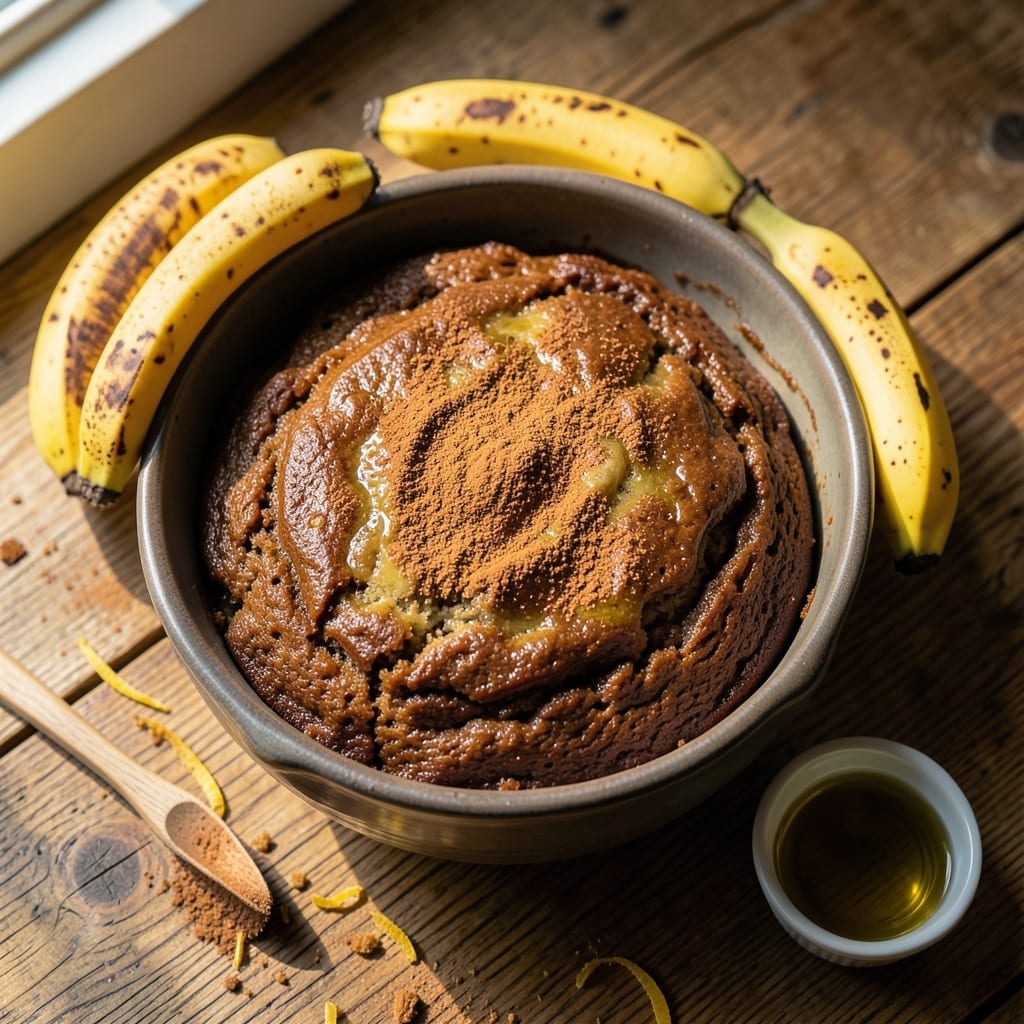
This banana cake recipe with olive oil delivers moist crumb and subtle nutty depth that keeps slices tender for days. The secret lies in olive oil's ability to retain moisture while adding a rich, fruity undertone—no butter needed. I developed this version after years of testing, and it's become my go-to for both weeknight treats and special occasions.
The recipe combines ripe bananas, olive oil, and simple pantry staples to create a cake that's naturally sweet without being cloying. The olive oil replaces butter entirely, creating a denser, more flavorful crumb while keeping the texture impossibly tender. Baking at 350°F for 30-40 minutes ensures a golden top and even rise every time.
What sets this apart is how the olive oil transforms the cake—its natural richness enhances the banana flavor while adding a subtle Mediterranean nuance. The result is a cake that's perfect with a dusting of powdered sugar or a light cream cheese frosting. Each slice stays moist for days, making it ideal for meal prep or gifting.
Whether you're baking for a crowd or treating yourself, this recipe delivers restaurant-quality results with minimal effort. The olive oil makes it uniquely satisfying, while the simple technique ensures success even for beginners. Let's get baking!
Ingredients for banana cake recipe with olive oil
Ripe bananas, olive oil, and simple pantry staples create a moist cake with Mediterranean richness.
| Ingredient | Amount | Notes |
|---|---|---|
| Ripe Bananas 🍌 | 2 whole | Spotty yellow with brown specks |
| Extra-Virgin Olive Oil 🫒 | 1 cup | High quality, fruity variety |
| All-Purpose Flour 🌾 | 1 ½ cups | Sifted for even texture |
| Granulated Sugar 🍚 | 1 cup | White or light brown |
| Baking Soda 🧂 | ½ tsp | Freshly opened |
| Ground Cinnamon 🌿 | 1 tsp | Freshly ground preferred |
| Salt 🧂 | ½ tsp | Fine sea salt |
| Large Eggs 🥚 | 2 whole | Room temperature |
| Vanilla Extract 🌸 | 1 tsp | Pure vanilla preferred |
| Powdered Sugar 🍚 | ¼ cup | For dusting |
| Unsalted Butter 🧈 | 2 tbsp | Softened for frosting |
| Cream Cheese 🧀 | 4 oz | Room temperature |
The olive oil is non-negotiable here—look for extra-virgin with a fruity aroma, not the cheap cooking oil. Trader Joe's and Whole Foods carry excellent options, but any reputable brand works. Bananas should be ripe but not mushy—think brown specks on yellow skin. For flour, King Arthur or Bob's Red Mill are reliable choices, but any all-purpose will do. The baking soda needs to be fresh—if it smells like vinegar, toss it. Cinnamon loses flavor fast, so buy small amounts or store it in the freezer for longer shelf life.
No vanilla extract? Vanilla bean paste works perfectly, or scrape seeds from a vanilla bean. Short on butter for frosting? Coconut oil or more olive oil keeps it vegan-friendly. The cream cheese can be swapped for Greek yogurt or mascarpone if needed. For a lighter texture, sift the flour before mixing—it makes a noticeable difference. If you're baking at high altitude, add an extra 0.25 cup flour to prevent sinking. The powdered sugar is optional but adds that restaurant-quality finish.
This cake keeps beautifully—3-4 days in an airtight container at room temperature. For longer storage, freeze slices wrapped in plastic for up to 3 months. I always bake two pans at once and freeze one for later. The frosting can be made ahead and stored in the fridge for 1 week. Just let it soften at room temperature before spreading. For meal prep, cut into squares and pack in containers with parchment between layers to prevent sticking.
Why You'll Love This Recipe
- No Mixer Needed: I swear by this recipe when my hands are full—just mash those bananas, stir in the olive oil, and fold in the dry ingredients. The batter’s thick but forgiving, so no stress if it’s not perfectly smooth.
- Rich Without Butter: That olive oil? It’s the star here. It keeps the cake moist for days while adding a subtle earthiness that pairs perfectly with the natural sweetness of overripe bananas—no greasy aftertaste, just deep, satisfying flavor.
- Breakfast or Dessert: Honestly, I make this for both. Serve it warm with a drizzle of honey for a lazy weekend breakfast, or let it cool for a quick after-school snack. The flour-to-banana ratio means it’s sturdy enough to slice neatly, even the next day.
- Pantry Staple Magic: Between us, this uses ingredients you already have. No specialty items, no last-minute grocery runs—just flour, sugar, and whatever bananas are turning brown in your fruit bowl. It’s my go-to when I’m low on time and low on patience.
Step-by-step instructions for banana cake with olive oil
This one-bowl method delivers a rich, moist crumb with nutty olive oil depth every time.
Mash the Ripe Bananas Thoroughly
In a large mixing bowl, mash the 2 whole ripe bananas with a fork until completely smooth. You should have no visible lumps—this ensures even distribution throughout the batter. The bananas should be spotty yellow with brown specks, as this indicates perfect ripeness for maximum sweetness and moisture.
I press the bananas against the sides of the bowl to extract every last bit of puree. This step is crucial because the olive oil won't blend properly with any remaining banana chunks. Set the mashed bananas aside temporarily while you prepare the other ingredients.
Combine Wet Ingredients for Perfect Texture
To the mashed bananas, add the 1 cup extra-virgin olive oil, 1 cup granulated sugar, 2 whole large eggs, 1 teaspoon vanilla extract, 0.5 teaspoon baking soda, and 0.5 teaspoon salt. Use a whisk to combine everything until fully incorporated and smooth.
The olive oil acts as both a tenderizer and a rich flavor base in this recipe. I stir vigorously for about 1 minute to ensure the sugar dissolves completely—this prevents grainy spots in the final cake. The mixture should be thick but pourable at this stage, with no visible streaks of flour.
Gently Fold in the Dry Ingredients
Sift the 1.5 cups all-purpose flour directly over the wet mixture. Using a spatula, gently fold the flour into the batter just until combined—you should still see some dry flour streaks. Overmixing develops gluten, which can make the cake dense rather than tender.
I use a figure-eight motion when folding to maintain air pockets created by the baking soda. The batter should be thick but spreadable. If it looks too dry, add 1 tablespoon of milk (though our ingredients don't include it, this is a common adjustment). The key is to preserve as much moisture as possible for that signature moist crumb.
Bake Until Golden and Springy
Preheat your oven to 350°F and grease an 8-inch round cake pan or line it with parchment paper. Pour the batter into the prepared pan and smooth the top with a spatula. Bake for 30-35 minutes until a toothpick inserted in the center comes out clean and the edges are golden brown.
Here's the thing about olive oil cakes—they brown differently than butter cakes. Don't be alarmed if the top looks slightly cracked but still moist underneath. The cake should spring back gently when pressed in the center, indicating perfect doneness. If you're unsure, check at the 28-minute mark—better to pull it out slightly underdone than risk overbaking.
Create the Cream Cheese Frosting
While the cake cools, beat the 4 ounces room-temperature cream cheese and 2 tablespoons softened unsalted butter together until smooth. Gradually add the 0.25 cup powdered sugar and mix until fully combined. The frosting should be thick but spreadable—if it's too stiff, add 1 teaspoon of milk to loosen it.
Spread the frosting evenly over the completely cooled cake. The contrast between the moist olive oil cake and the tangy cream cheese frosting is what makes this recipe special. For an extra touch, dust the top with a pinch of ground cinnamon to complement the warm banana flavor.
Pro Tips For Making Banana Cake Recipe With Olive Oil
- Mash Bananas First: I learned this the hard way—skipping the mash and just tossing in whole bananas leads to uneven texture. Use a fork to break them down into a thick, lumpy purée, leaving just a few tiny chunks for chew. The smoother the batter, the more evenly it bakes.
- Use Warm Olive Oil: Cold olive oil won’t blend as smoothly into the batter, and you’ll end up with pockets of grease. Microwave it for 20 seconds or warm it slightly in a bowl over hot water—just until it’s barely lukewarm. It’ll mix in seamlessly and keep the cake tender.
- Don’t Overmix the Batter: After adding the flour and baking soda, stir just until combined—maybe 10-12 strokes max. Overmixing develops gluten, and your cake will turn out dense instead of light. A slightly lumpy batter is fine; it’ll even out as it bakes.
- Check for Doneness Early: Olive oil makes this cake moist but can also trick you into thinking it’s done before it is. Insert a toothpick at the center—if it comes out clean but the edges still look slightly underdone, let it bake another 3-5 minutes. The middle catches up faster than you’d expect.
Troubleshooting great banana cake recipe with olive oil
Cake Too Dense
If your banana cake turns out dense instead of moist, you likely overmixed the batter. Olive oil cakes rely on gentle folding to maintain air pockets—stop mixing as soon as the flour disappears. Another common cause is using underripe bananas (too firm) or not mashing them completely. For next time, mash bananas until truly smooth and fold dry ingredients just until combined. 💫
Dry or Crumbly Texture
A dry cake usually means the olive oil wasn't incorporated properly or the flour was overmeasured.
Cake Didn't Rise
Uneven rising often comes from old baking soda or underwhisked wet ingredients. Test your baking soda by mixing ½ tsp with ¼ cup vinegar—if it doesn't fizz, replace it. Always whisk the wet ingredients until completely smooth (no flour streaks) before folding in dry ingredients. For extra lift, sift the flour before adding and avoid opening the oven door during the first 20 minutes of baking.
Bitter Aftertaste
Olive oil can develop bitterness if it's low quality or oxidized. Always use fruity extra-virgin olive oil (like Trader Joe's or Whole Foods brands) and store it in a cool, dark place. If your oil tastes slightly bitter, reduce to ½ cup and add ½ cup unsalted butter instead. The vanilla extract also helps mask any oil bitterness—don't skip this ingredient.
Cracked Top
Olive oil cakes naturally develop cracks as they bake, but excessive cracking means the batter was too wet or the oven was too hot. For a smoother top, spread batter evenly and tap the pan gently on the counter before baking. If cracks appear, they're harmless—just cover with extra frosting! For prevention, bake at 350°F and check for doneness at 28 minutes rather than waiting for a fully set top.
Frosting Too Sweet
If the cream cheese frosting overwhelms the cake's flavor, reduce the powdered sugar to ¼ cup and add ½ teaspoon lemon juice to balance sweetness. The tanginess helps cut through the richness. For a more subtle flavor, use Greek yogurt frosting instead—mix ½ cup Greek yogurt with 2 tablespoons softened butter and ¼ cup powdered sugar for a lighter finish.
Nutrition facts
Frequently asked questions
Why use olive oil instead of butter in banana cake?
Olive oil creates a moist, tender crumb with subtle nutty depth that butter can't match. It stays fresh longer than butter cakes and adds Mediterranean richness that pairs beautifully with bananas. Plus, it's dairy-free and works perfectly in one-bowl recipes!
Can I make this cake without eggs?
Yes! Replace the 2 eggs with 2 tablespoons ground flaxseed mixed with 6 tablespoons water (let sit for 5 minutes to thicken). For best results, use ripe bananas and add 1 teaspoon baking powder to compensate for lost structure. The texture will be slightly denser but still delicious.
How do I store banana cake with olive oil?
Keep the cake in an airtight container at room temperature for up to 4 days. For longer storage, slice and freeze portions for 3 months. The olive oil actually helps preserve moisture better than butter. Thaw overnight in the fridge for best texture.
What's the best way to check if bananas are ripe enough?
Look for bananas with mostly yellow skin with brown specks. Press gently—they should yield slightly but not feel mushy. Ripe bananas have more natural sweetness and create a moist cake. If yours are too firm, let them sit at room temperature for 1-2 days to ripen.
Can I substitute olive oil with another fat?
You can use ½ cup melted coconut oil or ½ cup unsalted butter (melted), but the flavor and texture will differ. Olive oil's unique richness enhances the banana flavor. If using butter, reduce sugar by 1 tablespoon since butter is sweeter. For a lighter texture, try ½ cup applesauce plus ½ cup olive oil.