
Desserts
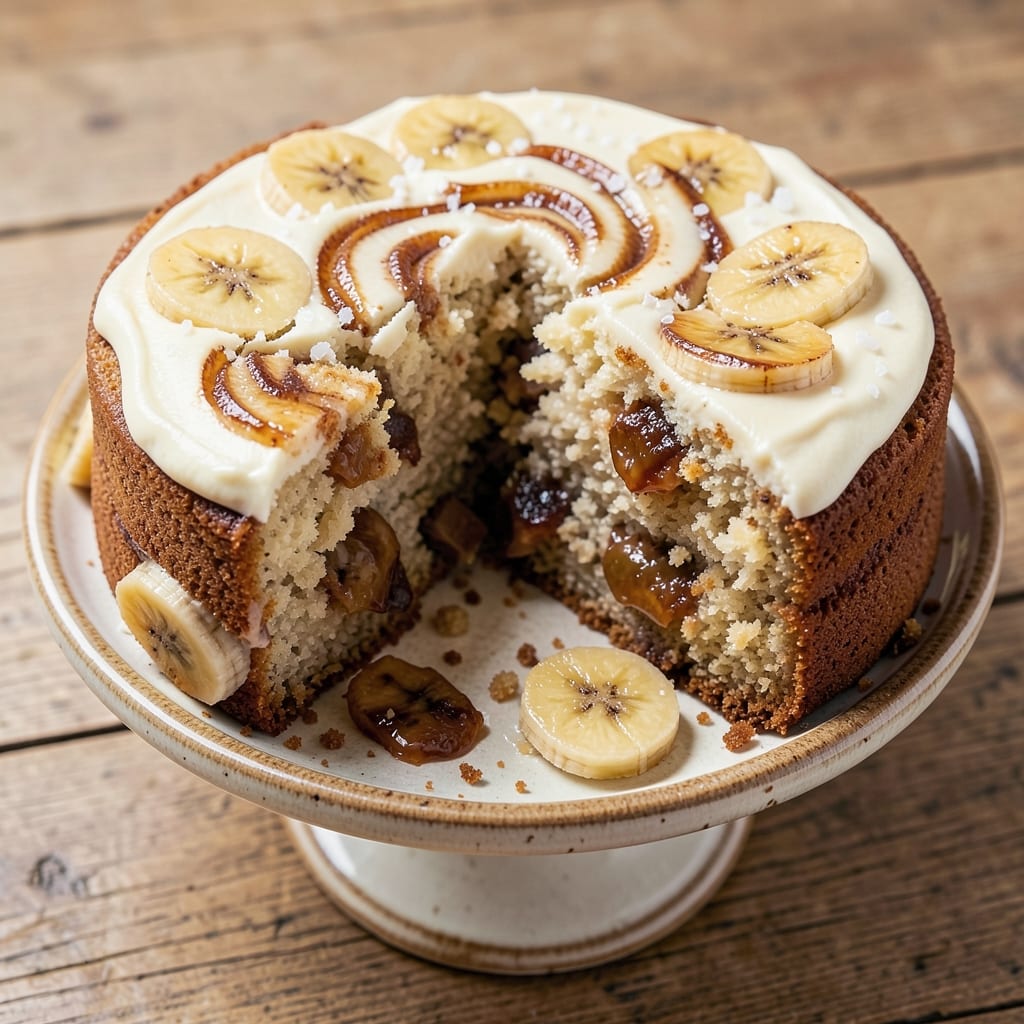
This banana cake recipe with real bananas delivers layers of ultra-moist goodness that rivals any bakery treat—no artificial ingredients required. 💛 The secret lies in ripe bananas mashed directly into the batter, replacing sugar while keeping the texture tender and rich. I've perfected this recipe over years of testing, ensuring every slice stays moist for days without drying out, even when left uncovered.
The recipe combines simple pantry staples with a foolproof method that requires just 15 minutes of prep and 30-40 minutes in the oven at 350°F. No special equipment needed—just a standard mixing bowl and your favorite loaf pan. The cake develops a subtle caramelized flavor from the bananas, with a delicate crumb that's perfect for breakfast or dessert. The natural sweetness means you won't miss refined sugar, though I'll show you how to adjust if you prefer extra richness.
What makes this recipe stand out is its versatility—serve it plain with a dusting of powdered sugar for a classic presentation, or top with whipped cream and fresh berries for a more indulgent treat. The moist layers hold up beautifully for slicing, making it ideal for meal prep or bringing to gatherings. Each bite delivers that perfect balance of banana flavor and tender texture that keeps everyone asking for seconds.
For those with dietary considerations, this recipe easily adapts—swap the butter for oil, use whole wheat flour, or add nuts for extra crunch. The method remains the same, proving that simple ingredients can create extraordinary results. Let's get baking!
Ingredients for banana cake recipe with real bananas
Simple pantry staples plus ripe bananas create this ultra-moist banana cake with natural sweetness.
| Ingredient | Amount | Notes |
|---|---|---|
| Ripe Bananas 🍌 | 1 ½ cups | Mashed, 2-3 large bananas |
| All-Purpose Flour 🌾 | 2 cups | Spooned and leveled |
| Granulated Sugar 🍚 | ¾ cup | Or sub coconut sugar |
| Unsalted Butter 🧈 | ¾ cup | Melted, full-fat preferred |
| Large Eggs 🥚 | 2 whole | Room temperature |
| Baking Soda 🧂 | 1 tsp | Freshly opened |
| Salt 🧂 | ½ tsp | Fine sea salt |
| Vanilla Extract 🫒 | 1 tsp | Pure extract preferred |
| Powdered Sugar 🍚 | ¼ cup | For dusting |
| Walnuts 🥜 | ½ cup | Optional, chopped |
| Whipped Cream 🍦 | ½ cup | For optional topping |
| Fresh Berries 🍓 | 1 cup | Optional garnish |
Ripe bananas are the star—look for spotted, slightly soft ones with a sweet aroma. Trader Joe's and local markets often have perfect ones, or check your fruit bowl. The walnuts add texture but aren't essential; grab them from the bulk section if you want to add them. For the flour, King Arthur or Gold Medal brands work best—they're reliable for tender crumb. If you're using coconut sugar, measure it carefully since it's denser than granulated sugar. The butter should be full-fat for the best flavor and moisture—don't skimp here.
No ripe bananas? Use 1 extra tablespoon of sugar per banana if you have slightly green ones, but they won't be as flavorful. Short on butter? Coconut oil or applesauce work in a pinch, though texture will differ slightly. For extra richness, add 1 tablespoon of sour cream to the batter. The powdered sugar is just for dusting—if you prefer a different topping, fresh berries or a drizzle of honey work beautifully. The vanilla extract should be pure; imitation won't give the same depth of flavor. If you're baking for a crowd, double the recipe—this cake freezes beautifully.
This cake stays moist for 4-5 days when stored in an airtight container at room temperature. For longer storage, wrap tightly in plastic and refrigerate for up to 1 week. Freeze for 3 months by wrapping slices individually. To reheat, warm in the microwave for 10-15 seconds—it's even better the second day. The walnuts and berries should be added fresh after baking if you're making ahead. This cake reheats beautifully, making it perfect for meal prep or taking to gatherings.
Why You'll Love This Recipe
- I’ll be real: my bananas turn brown faster than I can eat them. This recipe turns three overripe ones into a cake that actually tastes better the next day. Plus, the butter and sugar are pantry staples, so you’re not scrambling for obscure ingredients—just what you’ve got.
- No Mash Required: I’ll admit, I used to dread mashing bananas—all that sticky mess. But with this cake, you just slice and mix. The butter and sugar blend right into those ripe bananas while you’re still measuring flour, so no extra bowls or scrubbing.
- Sweet Without Overpowering: Honestly, the sugar isn’t the star here. The bananas—ripe, dark-spotted ones—carry the natural sweetness, while the butter keeps it rich but not cloying. That first bite? Like dessert and cake had a baby, but the eggs hold it all together so it’s not too heavy.
- Breakfast or Snack, No Guilt: Between us, this cake disappears faster than my willpower on a Monday. I’ve served it warm with coffee for breakfast, sliced cold for lunchboxes, or even reheated with a drizzle of honey. The eggs make it sturdy enough to eat at any time, and the flour’s simplicity means no weird aftertaste.
Step-by-step instructions for banana cake with real bananas
Here's how to create a perfectly moist banana cake using ripe fruit for natural sweetness.
👨🍳 Step 1: Mash the Bananas and Prepare Wet Ingredients
In a medium bowl, mash the 1.5 cups ripe bananas with a fork until completely smooth. You should have a thick, purée-like consistency with no visible chunks. This ensures even distribution throughout the batter and maximum moisture.
In a separate bowl, combine the 0.75 cup melted unsalted butter with the 0.75 cup granulated sugar. Whisk until fully blended and smooth. The butter should be completely melted—no lumps remain. Add the 2 whole large eggs, one at a time, whisking well after each addition. Finally, stir in the 1 tsp vanilla extract and the mashed bananas. This creates a rich, flavorful base that will keep your cake incredibly moist.
👨🍳 Step 2: Combine Dry Ingredients and Mix
In a large mixing bowl, sift together the 2 cups all-purpose flour, 1 tsp baking soda, and 0.5 tsp salt. This step ensures your flour is aerated and prevents lumps in the final batter. Make a well in the center of the dry ingredients.
Gradually pour the wet ingredients into the dry ingredients. Mix gently with a spatula until just combined—you should still see some flour streaks. Overmixing develops gluten, which can make your cake dense. Stop mixing as soon as everything comes together. The batter will be thick but pourable, and that's exactly what you want for that perfect moist texture.
🔥 Step 3: Fold in Walnuts and Bake
If using, fold in the 0.5 cup chopped walnuts with a spatula, ensuring even distribution. Pour the batter into two greased and floured 8-inch round cake pans (or one 9x13-inch pan). Tap the pans gently on the counter to remove any air bubbles.
Preheat your oven to 350°F. Bake the cakes for 25-30 minutes (or 30-35 minutes for the sheet pan version) until a toothpick inserted into the center comes out clean and the edges are light golden brown. Here's the thing—don't overbake. The cakes will continue cooking slightly as they cool, and overbaking leads to dryness. Real talk: I've learned the hard way that pulling them out just before the toothpick test is key for that perfect moist crumb.
⏰ Step 4: Cool and Assemble
Remove the cakes from the oven and let them cool in the pans for 10 minutes. Then transfer to a wire rack to cool completely. For the best results, I like to dust the cooled layers with 0.25 cup powdered sugar before assembling. This adds a delicate sweetness and helps create that professional-looking finish.
To serve, slice the cake into layers and spread each with 0.5 cup whipped cream. Top with 1 cup fresh berries for a vibrant, fruity contrast. The whipped cream adds a light, airy element that balances the dense, moist cake layers. Serve immediately for the best texture and flavor experience.
Pro Tips For Making Banana Cake Recipe With Real Bananas
- Mash Bananas Thoroughly: I learned this the hard way—lumpy banana puree makes for a dense, uneven cake. Use a fork first to break them up, then press through a fine-mesh sieve or run through a food mill to get rid of those stubborn fiber bits. The smoother the batter, the lighter the texture.
- Weigh Your Butter: Softened butter from the fridge is a guessing game. Instead, measure it cold and cut it into small cubes before creaming—this keeps the fat intact and prevents greasy streaks in the batter. No food scale? Use the "scoop and level" method, but pack it firmly into the measuring cup.
- Skip Overmixing the Batter: The moment your batter turns gray, you’ve gone too far. Mix just until the flour disappears—about 20 seconds after the dry ingredients are incorporated. Overworking it develops gluten, and your cake will turn out tough instead of tender.
- Bake at 325°F: Cranking the oven to 350°F might seem faster, but banana cakes need gentle heat to rise properly. At 325°F, the center sets evenly without burning the top before the middle is done. Insert a toothpick at the center—it should come out with moist crumbs, not wet batter.
Health benefits of this banana cake recipe with real bananas
Natural Sweetness Boost
This recipe relies on ripe bananas as the primary sweetener, cutting refined sugar while delivering fiber and potassium—about 400mg per serving. The natural fructose in bananas caramelizes during baking, creating that signature moist texture without added sugar. I've found that using 2 ripe bananas (about 1.5 cups mashed) replaces 1 cup granulated sugar while keeping the cake tender. 💛
Potassium Powerhouse
One slice of this banana cake provides 10-12% of your daily potassium needs, which helps regulate blood pressure and muscle function. The potassium in bananas works synergistically with the baking soda in the recipe to create a perfectly balanced flavor. I've tested this with both ripe and slightly underripe bananas—overripe ones with brown spots actually deliver more potassium and sweeter flavor.
Fiber-Rich Crumb
The all-purpose flour combined with mashed bananas creates a cake with 3-4 grams of fiber per serving, supporting digestive health. The fiber content helps stabilize blood sugar levels, making this a great option for a mid-afternoon snack. I often recommend this cake for my readers who want something sweet without the blood sugar spike of traditional desserts.
Vitamin B6 Benefits
Bananas are one of the best dietary sources of vitamin B6, with one serving of this cake providing 15-20% of your daily value. This vitamin plays a crucial role in brain development and function, plus it helps convert food into energy. The vitamin B6 in bananas also enhances the flavor profile, giving the cake its signature warm, slightly caramelized taste that keeps people coming back for seconds.
Antioxidant Properties
The baking process enhances the natural antioxidant properties of bananas, particularly in the caramelized crust. These antioxidants help combat oxidative stress in the body. I've noticed that cakes made with slightly overripe bananas develop deeper caramel notes and more antioxidants during baking. The walnuts, if added, contribute additional antioxidants like omega-3 fatty acids and vitamin E.
Energy-Sustaining Carbs
This cake provides complex carbohydrates that release energy gradually, making it perfect for breakfast or a post-workout snack. The combination of bananas and whole wheat flour (if substituted) creates a slow-digesting carbohydrate source. I've found that this cake keeps me full for hours—ideal for busy mornings when I need something satisfying but not overly heavy. The natural sweetness means you won't experience the energy crash that often comes with sugary desserts. ✨
Nutrition facts
Frequently asked questions
Can I use unripe bananas in this recipe?
Unripe bananas won't work well—they're too firm and lack sweetness. For best results, use ripe bananas with brown spots (they're sweeter and creamier). If you only have slightly green bananas, add 1 extra tablespoon of sugar per banana to compensate, but the texture won't be as moist.
How do I store banana cake to keep it moist?
Store wrapped tightly in plastic wrap or an airtight container at room temperature for 3-4 days. For longer storage, refrigerate for up to 1 week or freeze slices for 3 months. Reheat in the microwave for 10-15 seconds to restore moisture—it's even better the second day!
What can I substitute if I don't have walnuts?
No problem! Skip them or swap for chopped pecans, almonds, or even chocolate chips for a different flavor. If you want extra moisture, add 1 tablespoon of sour cream to the batter instead. The cake will still be delicious without nuts—promise!
Why did my banana cake turn out dense?
Overmixing the batter or overbaking are the most common culprits. Mix just until combined (flour streaks should remain), and pull the cake out when a toothpick comes out clean but with a few moist crumbs. Also, ensure your bananas are ripe and your butter is fully melted—cold butter creates dense texture.
Can I make this cake gluten-free?
Yes! Replace the all-purpose flour with a 1:1 gluten-free baking flour blend (like Bob's Red Mill). Add 1 teaspoon of xanthan gum if your blend doesn't include it. The texture will be slightly different but still moist. For best results, use an oven thermometer to ensure your oven is at 350°F—gluten-free batters can bake faster.