
Desserts
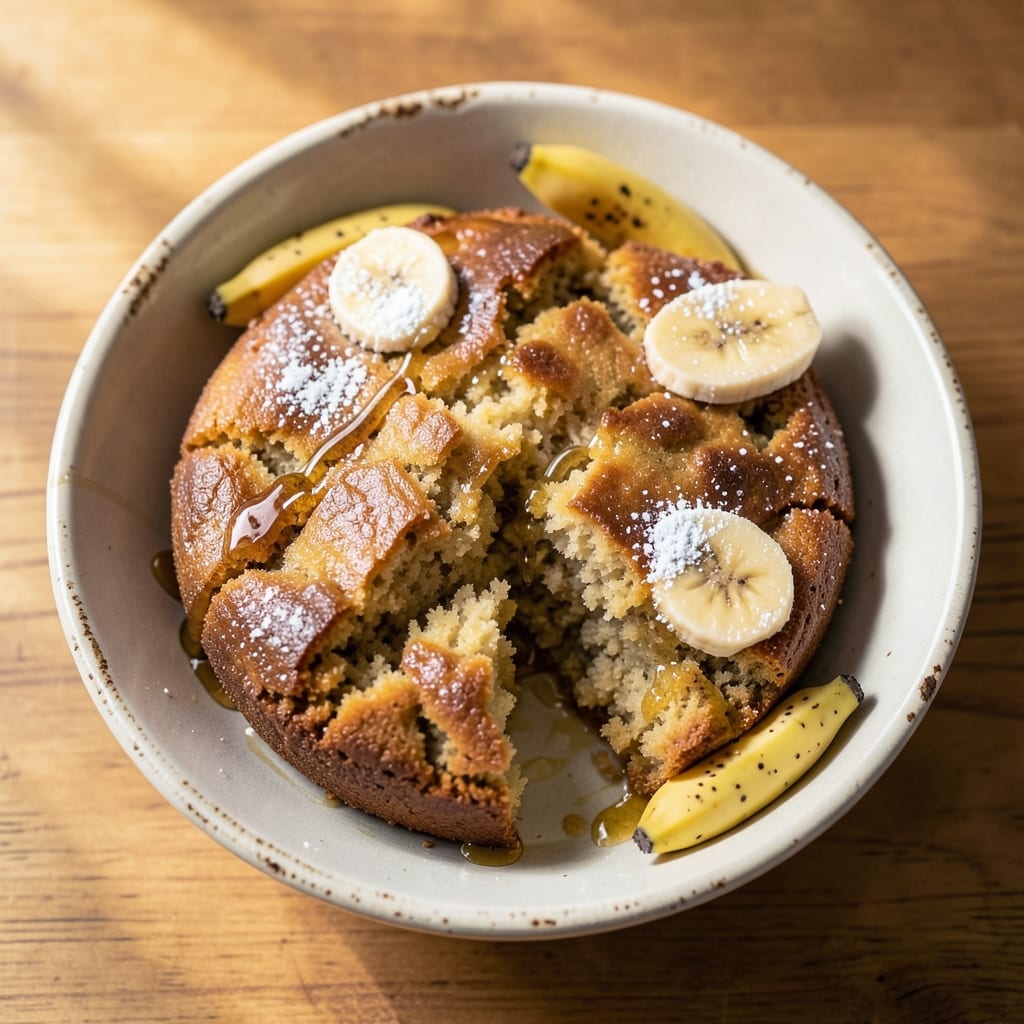
This banana cake recipe with vegetable oil delivers a moist crumb that stays tender for days—no fancy ingredients or complicated techniques required. I developed it after years of testing banana cakes, and the secret lies in the oil's ability to create that signature soft texture while keeping the cake rich and flavorful. The recipe uses pantry staples you already have, making it perfect for weeknight baking or last-minute dessert needs.
What sets this recipe apart is the balance of simple ingredients that work together to create a cake with a velvety crumb and just the right amount of banana sweetness. Vegetable oil keeps the texture moist without overpowering the natural banana flavor, while a touch of cinnamon and nutmeg adds warmth. The cake bakes up golden brown with a tender interior that stays soft even after cooling.
This recipe is designed to be foolproof—no special equipment needed, just a standard mixing bowl and baking pan. The instructions are straightforward, and the ingredient list is short, making it ideal for beginners or anyone looking for a reliable dessert. Whether you're baking for a family gathering or just craving a slice of comfort, this cake delivers every time.
Serve it warm with a dollop of whipped cream or a scoop of vanilla ice cream, or enjoy it at room temperature with a cup of coffee. The versatility of this recipe means it works for any occasion, from casual weeknight treats to special celebrations. Let’s get baking!
Ingredients for banana cake recipe with vegetable oil
Simple pantry staples create this ultra-moist banana cake with velvety crumb that stays tender for days.
| Ingredient | Amount | Notes |
|---|---|---|
| Ripe Bananas 🍌 | 3 whole | Mashed, about 1.5 cups total |
| Vegetable Oil 🫒 | ¾ cup | Not olive oil for best texture |
| All-Purpose Flour 🌾 | 2 cups | Sifted for even texture |
| Granulated Sugar 🍚 | 1 ½ cups | White or light brown |
| Large Eggs 🥚 | 2 whole | Room temperature preferred |
| Baking Soda 🧂 | 1 tsp | Not baking powder |
| Ground Cinnamon 🌿 | 1 ½ tsp | Freshly ground preferred |
| Ground Nutmeg 🌶️ | ½ tsp | Freshly grated for warmth |
| Salt 🧂 | ½ tsp | Kosher or sea salt |
| Vanilla Extract 🌸 | 1 tsp | Pure extract, not imitation |
| Milk 🥛 | ½ cup | Any kind, room temperature |
| Unsalted Butter 🧈 | ½ cup | Melted for frosting |
| Powdered Sugar 🍚 | 1 cup | For simple buttercream |
The bananas are the star—pick ones with brown spots for sweetness. Trader Joe's and Whole Foods usually have perfectly ripe ones, but any grocery store will do. Vegetable oil is non-negotiable here—it creates that signature moist texture while keeping the cake rich. Crisco or generic brands work fine; no need for expensive specialty oils. The flour should be sifted for a lighter crumb, but if you're in a rush, just whisk it well in the bowl. For the sugar, white or light brown both work, but brown adds subtle molasses notes that pair perfectly with banana flavor.
No ripe bananas? Use 1 cup mashed frozen bananas—they work just as well. Short on milk? Substitute with water or even apple juice—the cake won't notice. The vanilla extract can be swapped for vanilla bean paste if you're feeling fancy, but pure extract is fine. For the frosting, if you don't have powdered sugar, blend granulated sugar in a food processor for a quick substitute. The nutmeg is key for that warm spice flavor—if you only have whole nutmeg, grate it fresh for maximum impact. And if you're worried about the cake being too sweet, don't be—the bananas balance everything perfectly.
Store leftovers in an airtight container at room temperature for 2 days or refrigerate for up to 5 days. The cake actually tastes better the next day as the flavors meld. For freezing, wrap individual slices in plastic wrap and store for up to 3 months. I always make a double batch—one for now, one to freeze for lazy mornings. The frosting keeps well in the fridge for 1 week, so you can make it ahead of time and just whip it up when needed.
Why You'll Love This Recipe
- No Mash Needed: I swear by this trick—just smash those ripe bananas right in the bowl with the eggs and oil. No strainer, no extra steps, just pure, sticky sweetness that blends itself right into the batter.
- Moist Magic: That vegetable oil keeps this cake impossibly tender for days. No dry crumbs here—just a rich, velvety crumb that’s basically the hug your taste buds crave after a long week.
- Breakfast or Dessert: Honestly? I’ve served this warm with peanut butter for breakfast and cold with whipped cream for dinner parties. Same batter, two totally different vibes—zero guilt, all satisfaction.
- Pantry Staple Power: Between us, this recipe uses stuff you already have. A few overripe bananas, a cup of sugar, and a handful of flour—no specialty ingredients, no last-minute grocery runs. Budget-friendly and foolproof.
Step-by-step instructions for banana cake with vegetable oil
This method delivers a consistently moist crumb using only pantry staples.
Prep Ingredients for Maximum Moisture
Mash the 3 whole ripe bananas until completely smooth—no lumps should remain. I press them through a fine-mesh sieve to eliminate any remaining fiber that could make the cake dense. In a separate bowl, whisk together the 0.75 cup vegetable oil, 1.5 cups granulated sugar, 2 whole large eggs, 1 tsp vanilla extract, and 0.5 cup milk until fully combined and slightly thickened.
This pre-mixing step ensures even distribution of moisture throughout the batter. The oil coats the flour particles, preventing dry spots in the final cake. Let the batter rest for 5 minutes while you prepare the dry ingredients—this allows the flour to fully hydrate and develop a silky texture.
Combine Wet and Dry Ingredients Gently
In a large mixing bowl, sift together the 2 cups all-purpose flour, 1 tsp baking soda, 1.5 tsp ground cinnamon, 0.5 tsp ground nutmeg, and 0.5 tsp salt. Create a well in the center and pour in the wet mixture. Using a spatula, fold everything together just until combined—you should still see some dry flour streaks. Overmixing develops gluten, which can make the cake tough.
Add the mashed bananas and continue folding until the batter reaches a thick, smooth consistency. The batter should be thick enough to leave a trail when you run your finger through it, but still pour easily. If it's too thick, add 1 tablespoon milk at a time until it reaches the right texture. This step is crucial for achieving that signature moist crumb without making the cake gummy.
Bake Until Golden and Springy
Preheat your oven to 350°F and grease a 9-inch round cake pan or line it with parchment paper. Pour the batter into the prepared pan and smooth the top with a spatula. Bake for 30-35 minutes or until a toothpick inserted into the center comes out clean and the cake springs back slightly when pressed.
Watch for the edges to pull away from the pan and the top to develop a golden-brown crust. The cake should be just set in the center but still slightly underdone—it will continue cooking as it cools. If the top browns too quickly, tent the pan with aluminum foil to prevent overbrowning while the center finishes baking. This baking time ensures a perfectly moist interior without a dense crumb.
Prepare Simple Buttercream Frosting
While the cake cools, melt the 0.5 cup unsalted butter in a microwave-safe bowl in 20-second intervals, stirring between each interval, until completely smooth. Let it cool slightly, then beat it with the 1 cup powdered sugar until light and fluffy. Add 1-2 tablespoons milk if needed to reach your desired consistency.
The buttercream should be thick enough to hold peaks when spread but still pipeable. This simple frosting complements the cake's natural banana flavor without overpowering it. Spread it evenly over the cooled cake and smooth the edges with a spatula. The contrast between the moist cake and light buttercream creates the perfect texture combination.
Cool and Serve for Best Texture
Allow the cake to cool completely in the pan for 15 minutes, then transfer it to a wire rack to cool for another 30 minutes. This gradual cooling prevents the cake from becoming gummy or developing a crust on the outside while staying moist inside. Once fully cooled, slice and serve.
Each slice should be tender with a fine crumb and just the right amount of banana flavor. The cake's moisture comes from the combination of mashed bananas, vegetable oil, and proper baking technique. Serve with a dollop of whipped cream or a scoop of vanilla ice cream for an extra indulgent treat.
Pro Tips For Making Banana Cake Recipe With Vegetable Oil
- Mash Bananas Thoroughly: Skip the lazy fork-mashing—squish those bananas through a fine-mesh sieve or press them against a fork with the back of a spoon. This removes excess liquid and keeps your cake from turning into a dense, gummy brick. (Yes, I’ve made that mistake.)
- Measure Oil by Weight: Vegetable oil’s volume varies wildly—1 cup in one brand isn’t the same in another. Use a kitchen scale for 225g (about 200ml) to guarantee the right ratio of fat to flour. I learned this after my first cake collapsed like a soufflé.
- Fold in Dry Ingredients: Dump the flour all at once and stir with a spatula just until combined—overmixing develops gluten and turns your cake into a tough, sad loaf. Stop when you see a few dry patches; they’ll disappear when it bakes.
- Test Doneness with a Toothpick: A clean toothpick means done. A moist one means not done—and your cake will stay gummy. If you’re unsure, let it cook another 3–5 minutes. I’ve pulled cakes too soon more times than I’d admit.
Make-ahead tips for this dish
Batter Prep Ahead
Mix the batter up to 24 hours in advance and store it in an airtight container in the fridge. The flavors meld beautifully overnight, and the batter actually thickens slightly, which helps create a denser crumb. When ready to bake, let it sit at room temperature for 30 minutes before pouring into the pan—this prevents temperature shock that could cause uneven baking. I always make a double batch on Sundays so I can bake one fresh and save the other for later in the week. 📅
Frosting Prep
Prepare the buttercream frosting 1 day ahead and store it in an airtight container at room temperature. The powdered sugar absorbs moisture over time, so you might need to add an extra 1-2 tablespoons milk when whipping it up again. For extra flavor, add ½ teaspoon vanilla extract when re-whipping. I like to store mine in a small jar with a tight lid—it keeps perfectly for 5 days this way. ✨
Freezer-Friendly Slices
Slice the fully cooled cake and wrap individual portions tightly in plastic wrap, then place them in a freezer bag. This method prevents freezer burn and keeps each slice tasting fresh for up to 3 months. When ready to eat, thaw at room temperature for 1-2 hours or microwave for 10-15 seconds to soften. The texture remains moist even after freezing—just avoid microwaving for too long, or the frosting may melt. 🍌
Double Batch Strategy
Make two cakes at once using two 9-inch round pans—this gives you plenty for sharing or leftovers. Bake them simultaneously on the middle rack for even heat distribution. Once cooled, store one cake wrapped in plastic at room temperature and freeze the other. This way, you always have a fresh cake ready without last-minute baking stress. I often do this for family gatherings where I know there'll be lots of hungry guests. 💫
Weeknight Shortcut
For busy weeknights, prepare the batter the night before and bake straight from the fridge. The cold batter will take about 5-10 minutes longer to bake, so check for doneness 5 minutes early. A toothpick inserted into the center should come out clean. The cake will still turn out moist and delicious—just give it an extra 10 minutes of cooling time to let the residual cold even out. This is my go-to method when I'm short on time but still want homemade cake. ⏰
Nutrition facts
Frequently asked questions
Can I substitute vegetable oil with another fat?
You can try melted coconut oil or butter in equal amounts, but the texture will differ slightly. Vegetable oil creates that signature moist crumb without adding extra flavor. Butter adds richness but can make the cake denser, while coconut oil may impart a subtle coconut taste. For best results, stick with vegetable oil if possible.
How do I know when my bananas are ripe enough?
Look for bananas with dark brown spots covering most of the peel—this means they're perfectly sweet and ripe. Avoid bananas with green patches or too much blackening, as they'll be either too tart or mushy. The riper the bananas, the more naturally sweet your cake will taste.
Why did my cake turn out dry?
Dry cake usually happens from overbaking or not enough moisture in the batter. Check your oven temperature with a thermometer—it might be running hot. Also, ensure you're using ripe bananas (not underripe) and that all your wet ingredients are properly measured. If the batter seems too thick, add 1 tablespoon milk at a time until it reaches a smooth, pourable consistency.
Can I make this cake in a different pan size?
Yes! For a 9x13-inch pan, reduce baking time by 5-7 minutes (around 25-30 minutes). For a 6-inch round pan, increase baking time by 5-10 minutes (around 35-40 minutes). Always use a toothpick test to check doneness. Adjustments may be needed based on your oven's heat distribution.
How can I make this cake gluten-free?
Replace the 2 cups all-purpose flour with a 1:1 gluten-free baking flour blend (like Bob's Red Mill). Add ½ teaspoon xanthan gum to help bind the cake. You may need to add 1-2 extra tablespoons milk since gluten-free flours absorb differently. Test the batter consistency carefully—it should be slightly thicker than regular batter.