
Desserts
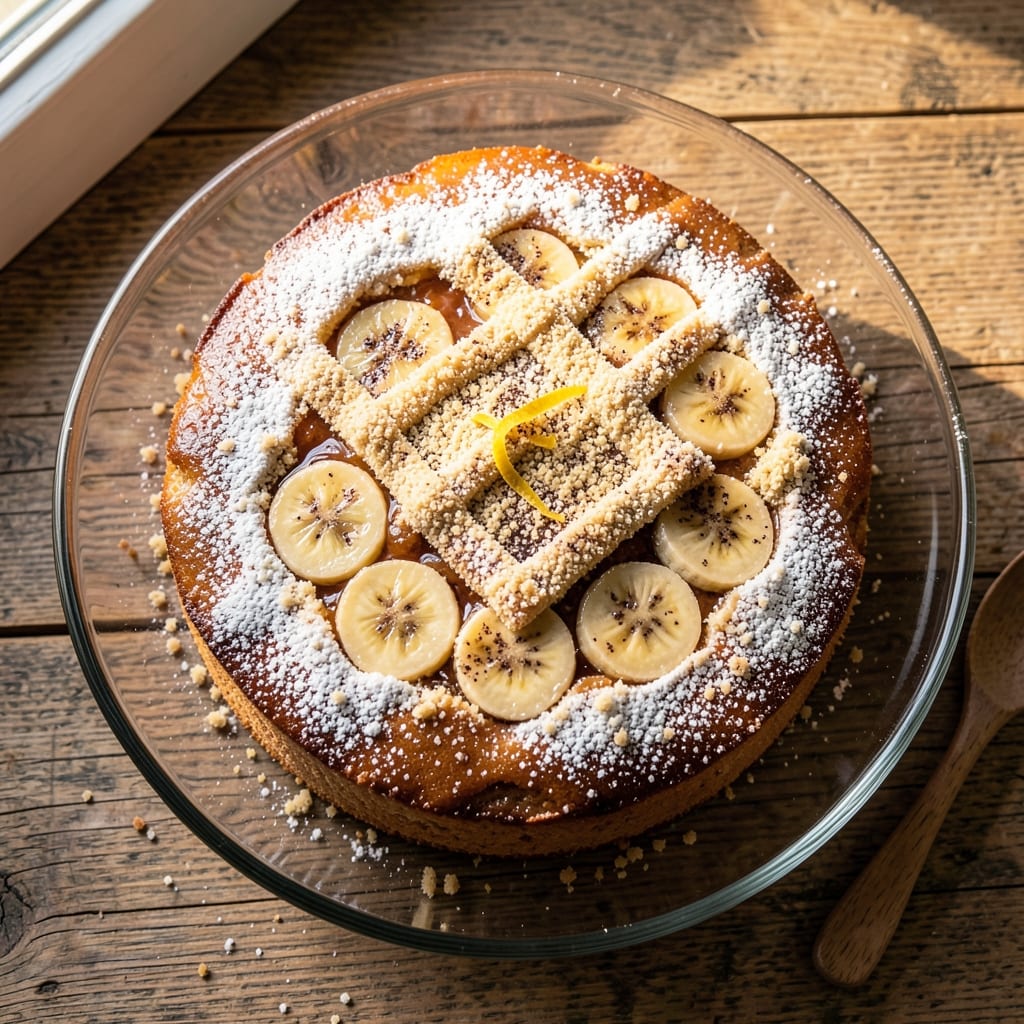
This banana cake with rice flour delivers the perfect balance of gluten-free structure and moisture-rich crumb—no dryness in sight. The secret lies in rice flour's unique ability to retain moisture while creating a tender, slightly chewy texture that traditional gluten-free flours often miss. I developed this recipe after struggling to find a banana cake that stayed soft for days without crumbling or tasting gummy.
What sets this apart is the combination of rice flour (for structure) and ripe bananas (for natural sweetness and moisture), plus a simple baking technique that ensures even cooking. The result? A cake that stays tender for days, with a subtle nutty flavor from the rice flour that complements the banana perfectly. No special equipment or complicated steps—just a foolproof method for a dessert that feels indulgent yet light.
Ingredients for banana cake with rice flour
Rice flour and ripe bananas create a gluten-free cake with perfect moisture retention and tender crumb.
| Ingredient | Amount | Notes |
|---|---|---|
| Ripe Bananas 🍌 | 3 cups | Mashed, no liquid added |
| Rice Flour 🌾 | 2 cups | White rice flour preferred |
| All-Purpose Flour 🌾 | ½ cup | For gluten-free blend |
| Granulated Sugar 🍚 | 1 cup | Organic preferred |
| Brown Sugar 🍚 | ½ cup | Packed, for moisture |
| Unsalted Butter 🧈 | 1 cup | Melted, full-fat preferred |
| Large Eggs 🥚 | 2 whole | Room temperature |
| Plain Yogurt 🥛 | ½ cup | Full-fat for richness |
| Baking Powder 🧂 | 2 tsp | Diamond Crystal preferred |
| Baking Soda 🧂 | ½ tsp | Aluminum-free |
| Salt 🧂 | ½ tsp | Fine sea salt |
| Vanilla Extract 🌿 | 2 tsp | Pure, no alcohol |
| Vegetable Oil 🫒 | ¼ cup | Light, for tenderness |
| Milk 🥛 | ½ cup | Whole milk preferred |
| Lemon Juice 🍋 | 1 tbsp | Freshly squeezed |
Rice flour is the backbone of this recipe—Bob's Red Mill or Anthony's Goods brands deliver consistent quality. For best results, use freshly milled rice flour, as pre-packaged varieties can lose potency over time. Ripe bananas are non-negotiable; the darker the spots, the sweeter and more flavorful the cake. If your bananas aren't perfectly ripe, place them in a paper bag with an apple overnight. The brown sugar here isn't just for sweetness—its molasses content adds moisture and depth of flavor that white sugar can't match. For the butter, Plugrá or Land O'Lakes are reliable choices, but avoid anything with added salt.
No rice flour? Tapioca starch or arrowroot powder can substitute at a 1:1 ratio, though texture may differ slightly. Running short on yogurt? Sour cream or buttermilk work equally well for moisture and tang. The baking powder and soda are a team—Diamond Crystal is preferred because it's lighter than other brands. For a nut-free version, omit the walnuts (if adding) and increase the flour by 0.25 cup. The vanilla extract should be pure—McCormick or Nielsen-Massey are trusted brands for authentic flavor. If you're concerned about gluten cross-contamination, use a dedicated gluten-free kitchen space and tools.
Store the cake in an airtight container at room temperature for up to 3 days, or refrigerate for 5 days to maintain maximum moisture. For longer storage, wrap tightly in plastic wrap and freeze for up to 3 months. The texture improves after the first day as the rice flour absorbs moisture. To reheat, microwave for 15-20 seconds or bake at 300°F (150°C) for 10 minutes to restore freshness. This cake reheats beautifully, making it perfect for meal prep or special occasions when you want to serve something that feels freshly baked.
Why You'll Love This Recipe
- No Mash Required: I swear by this trick—just slice those ripe bananas right into the batter. No sticky mess, no over-mixing, and the texture? Chef’s kiss. The rice flour keeps it tender without gummy edges, while the bananas add natural sweetness that cuts through the cake’s subtle nuttiness.
- Moist Without the Fuss: Between us, this cake stays soft for days. The brown sugar caramelizes just enough to give it that almost fudgy depth, while the rice flour prevents that sad, dry crumb most banana cakes turn into by day two. Honestly, I’ve had slices at room temp, reheated, and even in sandwiches—it’s always a win.
- Budget Baking at Its Best: Rice flour stretches the batter further than all-purpose alone, and ripe bananas? They’re basically free if you’re already buying them. I make two small cakes for the price of one box mix, and the combo of granulated and brown sugar means I don’t need extra mix-ins to make it taste special.
Step-by-step instructions for banana cake with rice flour
Here's the method to achieve a perfectly moist gluten-free banana cake with a tender crumb.
Prepare the Banana Mixture
In a large mixing bowl, mash the 3 cups ripe bananas until completely smooth, with no visible lumps. I prefer using a fork for this step—it helps incorporate air while preventing overmixing. Add the 1 cup granulated sugar, 0.5 cup packed brown sugar, and 2 tsp vanilla extract to the mashed bananas. Whisk vigorously until the sugars dissolve completely and the mixture becomes light and fluffy.
This is where the cake's moisture foundation begins. The brown sugar adds chewiness while the granulated sugar helps create structure. If your bananas are particularly watery, strain them through a fine-mesh sieve to remove excess liquid, which could make the final cake gummy.
Combine Wet Ingredients
In a separate bowl, melt the 1 cup unsalted butter in the microwave in 20-second intervals, stirring between each, until completely liquid. Let it cool slightly but keep it warm. Add the melted butter to the banana mixture along with the 0.5 cup plain yogurt, 0.5 cup milk, 0.25 cup vegetable oil, and 1 tbsp freshly squeezed lemon juice. Whisk until everything is fully incorporated and the mixture is smooth.
The lemon juice brightens the flavor and balances the sweetness, while the yogurt and oil add richness without making the cake dense. The warm butter helps emulsify everything for a lighter texture. This combination ensures the cake stays moist even after baking.
Mix Dry Ingredients
In a medium bowl, sift together the 2 cups rice flour, 0.5 cup all-purpose flour, 2 tsp baking powder, 0.5 tsp baking soda, and 0.5 tsp salt. Gently fold this dry mixture into the wet ingredients using a spatula, mixing just until combined. Be careful not to overmix—stop as soon as you see no more flour streaks. The 2 whole large eggs should be added last, one at a time, mixing gently after each addition.
The rice flour is key here—it creates a tender crumb while maintaining structure without gluten. The all-purpose flour adds just enough elasticity to prevent crumbling. The baking powder and soda work together for proper rise, while the salt enhances all the flavors. Overmixing develops gluten, which would make the cake tough.
Bake to Golden Perfection
Preheat your oven to 350°F and grease two 8-inch round cake pans or one 9x13-inch baking pan. Pour the batter evenly into the prepared pan(s). Bake for 30-35 minutes in the round pans or 40-45 minutes in the sheet pan, until a toothpick inserted in the center comes out clean and the edges are golden brown. The cake should spring back slightly when gently pressed in the center.
Don't open the oven during baking—this causes the cake to sink. The rice flour blend requires precise baking time to achieve the right texture. If the top browns too quickly, tent loosely with foil after 20 minutes of baking. Let the cake cool in the pan for 10 minutes before transferring to a wire rack to cool completely.
Serve at Room Temperature
Once completely cooled, slice the cake with a sharp serrated knife. The interior should be moist with just a hint of dense texture from the rice flour. Serve at room temperature for the best texture and flavor balance. This cake keeps well at room temperature for 2 days or can be refrigerated for up to 5 days—though it's best enjoyed fresh.
The lemon juice in the batter prevents the cake from becoming too sweet, while the combination of sugars creates a perfect balance. Each slice should be tender yet sturdy enough to hold its shape, with a subtle banana flavor that's not overpowering. The gluten-free nature is completely undetectable in the final product.
Pro Tips For Making Banana Cake With Rice Flour
- Mash Bananas Like Pulp: You’re not making banana puree—you want texture. Smash the ripe bananas with a fork until there are still tiny chunks left, not a smooth paste. That bit of resistance keeps the cake moist without turning it into banana pudding. (Yes, I’ve learned this the hard way after a soggy disaster.)
- Preheat Pan at 325°F: Rice flour burns faster than all-purpose, and this cake’s delicate crumb needs patience. Bake at 325°F—not 350°F—until a toothpick comes out with moist crumbs, not wet batter. The center should spring back slowly, like a well-rested sponge. (Your oven’s hot spots will try to lie to you.)
- Sift Rice Flour Twice: Clumps in rice flour make dense pockets in the cake, and no one wants a brick. Sift it into the dry ingredients first, then whisk like you’re fluffing pillowcases. If you’re lazy and skip this, the texture will suffer—trust me, I’ve made that mistake while multitasking.
- Swap Half the Sugar for Honey: The combo of brown sugar and granulated gives caramel depth, but rice flour cakes can dry out. Replace ¼ cup of the granulated sugar with honey—it adds moisture and a subtle floral note that balances the banana’s sweetness. (I was skeptical until I tried it; now it’s non-negotiable.)
Serving suggestions for this dish
Classic Toppings
Whipped cream is a must for this banana cake—its lightness contrasts beautifully with the cake's subtle density. I like to use Cool Whip or homemade whipped cream with 1 cup heavy whipping cream and 2 tablespoons powdered sugar, folded to soft peaks. A sprinkle of toasted coconut flakes adds tropical warmth, while chopped walnuts provide crunch and nutty depth. 🥥
Fruit Pairings
Fresh berries elevate the cake's natural sweetness without overpowering it. A simple berry compote made with 1 cup mixed berries, 1 tablespoon honey, and 1 teaspoon lemon juice simmered for 5 minutes works perfectly. I also love serving slices with caramelized pineapple—simmer 1 cup pineapple chunks with 2 tablespoons brown sugar and 1 teaspoon butter until syrupy. 🍓
Warm Serving Ideas
For a comforting twist, warm the cake slightly before serving. Wrap a slice in foil and microwave for 10-15 seconds, then top with a scoop of vanilla ice cream or a drizzle of warm caramel sauce. The contrast of warm cake and cold ice cream is pure magic. A sprinkle of cinnamon sugar or crushed graham crackers adds extra coziness. 🍦
Gluten-Free Adaptations
This cake is already gluten-free, but you can make it nut-free by omitting walnuts and using sunflower seeds instead. For a dairy-free version, replace the yogurt with coconut yogurt and use vegan butter. Serve with dairy-free whipped topping or coconut cream for a fully inclusive dessert. The rice flour keeps the texture perfect regardless of these swaps. ✨
Presentation Tips
For a restaurant-worthy presentation, dust the cake with powdered sugar or drizzle with chocolate ganache made from ½ cup dark chocolate chips and ¼ cup heavy cream. Arrange slices on a platter with fresh mint leaves for a pop of color. Serve on a wooden cake stand or simple white plate to let the cake's golden-brown edges shine. 🌟
Nutrition facts
Frequently asked questions
Why does this banana cake use rice flour instead of regular flour?
Rice flour creates a naturally gluten-free, tender crumb that stays moist for days without drying out. Unlike wheat flour, it absorbs moisture differently, preventing that classic "gluten-free dryness" while adding a subtle nutty flavor that pairs perfectly with bananas. The all-purpose flour blend helps maintain just enough structure.
Can I make this cake without eggs?
Yes! Replace the 2 eggs with either 2 tablespoons ground flaxseed + 6 tablespoons water (let sit for 5 minutes) or ½ cup unsweetened applesauce. The texture will be slightly denser but still moist. For best results, add ½ teaspoon extra baking powder to compensate for lost lift.
How do I fix a cake that's too dense or gummy?
Overmixing or underbaking usually causes this. If your cake is dense, try reducing the baking time by 5 minutes next time and checking for doneness earlier. For gummy texture, ensure your bananas aren't too watery—strain them if needed. The rice flour blend works best when baked at 350°F for the full time.
Does this cake taste different from regular banana cake?
The flavor is subtly different but equally delicious! The rice flour adds a mild nutty note that complements the banana's sweetness, while the cake remains rich and moist. Many people prefer it because it's naturally gluten-free yet doesn't taste "off" like some other alternative-flour cakes. The texture is slightly denser but still light and tender.
Can I substitute white rice flour for brown?
White rice flour is ideal for this recipe, as it creates a lighter texture. Brown rice flour has a nuttier flavor and denser texture that could make the cake heavier. If you must use brown, reduce by 1-2 tablespoons and add 1 extra tablespoon all-purpose flour to maintain structure. Always sift the flour for best results.