
Desserts
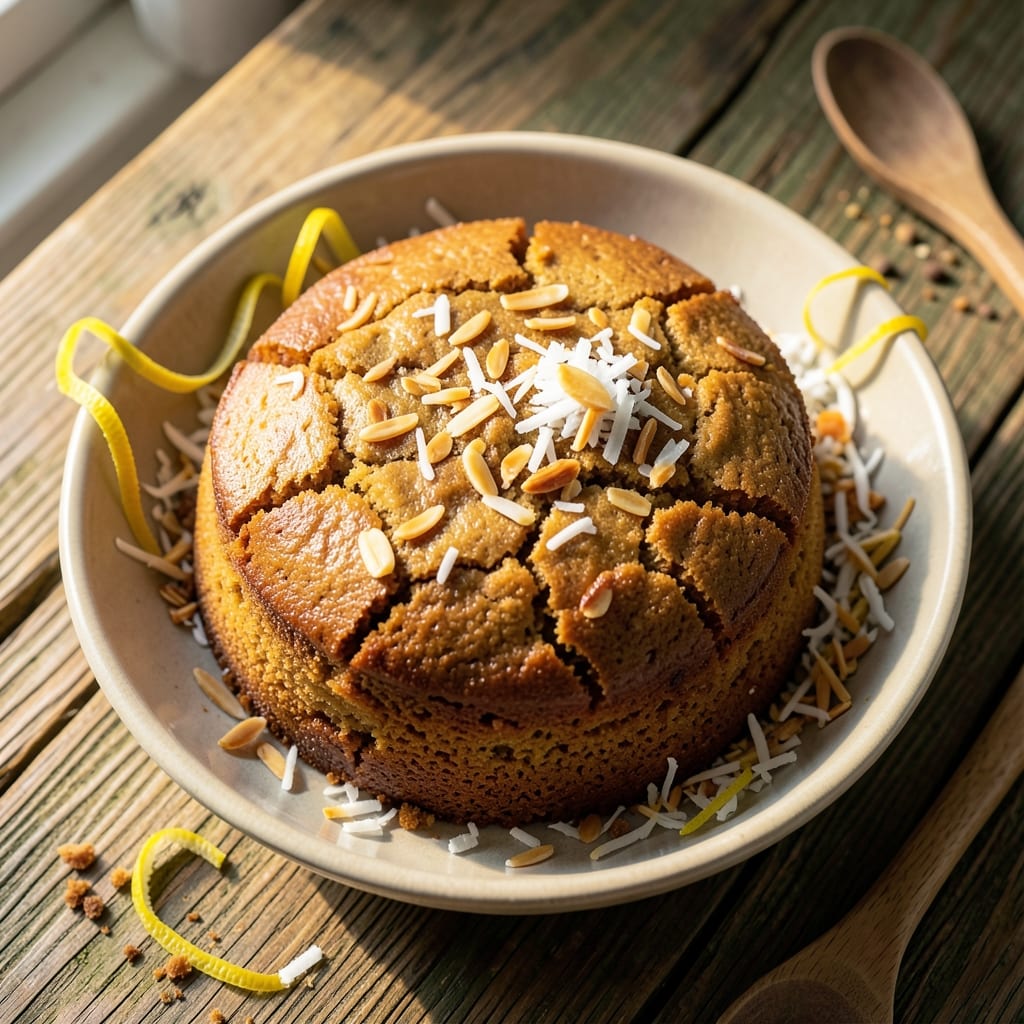
This almond flour coconut cake delivers a light, airy texture with tropical flavors that taste like a vacation in every bite. The secret lies in combining finely ground almond flour with coconut milk and shredded coconut, creating a moist crumb that's naturally gluten-free and vegan-friendly. I developed this recipe after years of perfecting the balance between tender crumb and fluffy layers—no dense, heavy cake here.
The cake's magic comes from whipped coconut cream folded into the batter, which keeps it light and airy without eggs or dairy. A touch of vanilla and a sprinkle of toasted coconut on top add depth, while citrus zest brightens the tropical coconut-almond flavor profile. This isn't just another flourless cake—it's a tropical-inspired dessert that's as elegant as it is easy to make.
With minimal ingredients and a simple mixing process, this cake comes together in under 30 minutes of prep, then bakes to golden perfection. The result? A cake that's naturally sweetened, rich in healthy fats, and so moist it stays fresh for days. Whether you're baking for a special occasion or simply craving something lighter, this recipe delivers restaurant-quality results at home.
Perfect for brunch, dessert, or even breakfast, this cake pairs beautifully with fresh berries or a drizzle of coconut cream. The best part? No special equipment is needed—just a standard mixing bowl and oven. Let's get baking!
Ingredients for almond flour coconut cake
These 12 ingredients create a tropical almond flour cake that's light, airy, and naturally gluten-free.
| Ingredient | Amount | Notes |
|---|---|---|
| Almond Flour 🌰 | 2 ½ cups | Superfine, freshly ground preferred |
| Full-Fat Coconut Milk 🥥 | 13 ½ oz | Can (full-fat, not light) |
| Unsweetened Shredded Coconut 🥥 | 1 cup | Toasted for extra flavor |
| Coconut Sugar 🍯 | ¾ cup | Or sub maple syrup (0.5 cup) |
| Vanilla Extract 🌿 | 1 tbsp | Pure, high-quality preferred |
| Lemon Zest 🍋 | 1 tbsp | Freshly grated, organic if possible |
| Lime Zest 🍈 | 1 tbsp | Freshly grated, brightens flavor |
| Baking Powder 🧂 | 1 tsp | Aluminum-free preferred |
| Salt 🧂 | ½ tsp | Fine sea salt preferred |
| Whipped Coconut Cream 🥥 | 1 cup | Chilled overnight for best texture |
| Coconut Oil 🫒 | ¼ cup | Melted, for greasing pan |
| Flaxseed Meal 🌾 | 2 tbsp | For egg replacement (mix with 6 tbsp water) |
Almond flour is the star—Bob's Red Mill or Anthony's Goods are my go-tos for super-fine grind. The coconut milk can be the canned kind (like Aroy-D), but full-fat is non-negotiable—it keeps the cake moist. Shredded coconut should be unsweetened and toasted in a dry pan for 3-4 minutes until golden. The zest matters too—organic lemons and limes have more vibrant flavor. If you can't find coconut sugar, maple syrup works but the cake will be slightly denser. For the flax egg, grind the flaxseed fresh—pre-ground loses effectiveness quickly.
No coconut milk? Full-fat canned coconut cream (the thick part) works in a pinch, but the flavor won't be as rich. Swapping citrus zest? Orange zest is the next best option, but it's less tangy. The baking powder needs to be fresh—if it's over a year old, toss it. For the whipped coconut cream, chill the can overnight and scoop out the thick cream (discard the watery part). If you're in a hurry, freeze the can for 30 minutes. The coconut oil should be unrefined and virgin for the best flavor, but refined works in a bind.
This cake keeps beautifully—3 days at room temperature if wrapped tightly in parchment, or 5 days in the fridge. For longer storage, slice and freeze individual portions—they thaw in 10 minutes at room temp. The flavor actually improves after the first day as the coconut and citrus meld. I always bake two cakes—one for now, one for later. The leftovers? Microwave 15 seconds per slice to revive the moisture.
Why You'll Love This Recipe
- No Mixer Needed: The batter comes together in a bowl—just stir, fold, and pour. No sifting, no electric mixer, no fuss. That rich coconut milk blends right into the almond flour for a silky texture without a single whisk stroke.
- Tropical Comfort in Every Bite: The shredded coconut on top adds this irresistible crunch, while the vanilla and coconut sugar give it a warm, caramel-like sweetness that feels like a hug. It’s the kind of cake that makes you want to take a second slice—no guilt, just pure satisfaction.
- Weeknight or Celebration: Same recipe works for a quick breakfast with a dollop of yogurt or a fancy dessert with toasted coconut and a drizzle of honey. Honestly, I’ve served it at both brunch and birthday parties—no one ever questions why it’s on the menu.
- Budget-Friendly Pantry Staples: Almond flour and coconut milk last for weeks, and coconut sugar is cheaper than refined sugar. Between us, this cake costs half what a boxed mix would, and it actually tastes like something you’d order at a café—not a sad, dry boxed cake.
Step-by-step instructions for almond flour coconut cake
This method delivers a tender, airy coconut cake with vibrant tropical notes—no heavy ingredients or dense texture here.
Prepare the Flax Egg Substitute
In a small bowl, combine the 2 tablespoons flaxseed meal with 6 tablespoons water. Stir well and let it sit for 10 minutes until it thickens into a gel-like consistency. This acts as our egg substitute, binding the cake together without adding heaviness.
I always use this timing—it ensures the flaxseed fully hydrates and mimics the structure of eggs. If you rush it, the cake may crumble. Check the consistency by giving it a gentle shake; it should hold its shape when poured.
Mix Wet and Dry Ingredients Separately
In a large mixing bowl, whisk together the 13.5 oz full-fat coconut milk, 0.75 cup coconut sugar, 1 tablespoon vanilla extract, 1 tablespoon lemon zest, and 1 tablespoon lime zest. The citrus zest will brighten the coconut flavor beautifully—just make sure it's finely grated so it dissolves smoothly.
In a separate bowl, sift together the 2.5 cups almond flour, 1 teaspoon baking powder, and 0.5 teaspoon salt. Sifting prevents lumps and ensures even distribution of leavening. The almond flour should be superfine for the lightest texture possible.
Combine Wet and Dry Mixtures
Gradually add the dry ingredients to the wet mixture, mixing on low speed with a hand mixer or whisk until just combined. Be careful not to overmix—stop as soon as the batter comes together. Overmixing develops gluten in the almond flour, which can make the cake dense.
Fold in the 1 cup unsweetened shredded coconut and 1 cup whipped coconut cream by hand using a silicone spatula. The whipped coconut cream adds airiness, while the toasted coconut adds texture. Make sure the coconut is evenly distributed throughout the batter.
Prepare the Pan and Bake
Preheat your oven to 350°F. Grease an 8-inch round cake pan thoroughly with 0.25 cup melted coconut oil, then dust lightly with almond flour. Tap the pan gently to remove any excess flour.
Pour the batter into the prepared pan and smooth the top with a spatula. Bake for 35-40 minutes, until a toothpick inserted into the center comes out clean. The cake should be golden on top but still tender—it won't firm up like a traditional cake.
Cool and Serve
Remove the cake from the oven and let it cool in the pan for 10 minutes. Then transfer it to a wire rack to cool completely. The cake will sink slightly as it cools, which is normal—it's still light and airy.
Slice when completely cooled for clean, moist layers. Serve with a dusting of extra toasted coconut or a drizzle of coconut cream for a tropical finish. This cake keeps well in the refrigerator for up to 3 days, though it's best enjoyed fresh.
Pro Tips For Making Almond Flour Coconut Cake
- STOP OVERMIXING THE BATTER: Almond flour hates being worked like gluten. Once you fold in the coconut milk and vanilla, give it three gentle stirs with a spatula—just enough to combine. I learned this the hard way when my cake turned dense and rubbery. Overmixing introduces air that won’t rise properly, and almond flour lacks the structure to hold it.
- USE COLD COCONUT MILK: Pull the full-fat coconut milk from the fridge and let it sit just until it’s cool to the touch—about 10 minutes. Cold fat creates tiny pockets in the batter that make the cake tender, not greasy. I used to use it straight from the shelf, and the texture always came out too heavy. (Yes, even if you're impatient like me.)
- TOAST THE SHREDDED COCONUT: Spread the unsweetened shredded coconut on a baking sheet and toast it at 300°F (150°C) for 5–7 minutes until fragrant and lightly golden. This step removes excess moisture and deepens the flavor—skipping it means your cake will be soggy in the middle. I was skeptical until I tried it; now I never skip it.
- CHECK DONENESS WITH A TOOTHPICK: Almond flour cakes don’t always brown like wheat flour ones, so don’t rely on color. Insert a toothpick into the center—it should come out clean or with one moist crumb. If you pull it out too early, the cake will collapse. I’ve ruined three batches by eyeballing it. (Your future self will thank you.)
Serving suggestions for this recipe
Fruit Toppings
Fresh tropical fruits elevate this cake to new heights. I love slicing ripe mango and pineapple into thin fans, then arranging them in a circular pattern on top. The natural sweetness complements the coconut perfectly, while the juices keep the cake moist. For a lighter option, try strawberries or kiwi—their acidity cuts through the richness. 🍍
Prevent sogginess by adding fruit just before serving. If you must prep ahead, pat fruit dry with a paper towel and store separately until ready to use. A quick sprinkle of lime zest over the fruit adds a zesty kick that ties everything together.
Creamy Drizzles
A silky coconut cream drizzle is my signature finish. Whip ½ cup chilled coconut cream with 1 tablespoon powdered sugar until fluffy, then drizzle over slices. For extra decadence, fold in 1 teaspoon toasted coconut flakes. The contrast of cool cream and warm cake is pure magic.
Need a dairy-free alternative? Try cashew cream—blend 1 cup soaked cashews with ¼ cup coconut milk until smooth. The nutty flavor pairs beautifully with the almond base.
Warm Spiced Syrup
Heat ¼ cup orange juice with 2 tablespoons coconut sugar and ½ teaspoon cinnamon in a small saucepan until dissolved. Drizzle over warm cake slices for a cozy, spiced touch. This works especially well during cooler months or when serving with tea.
For a boozy twist, add 1 tablespoon rum to the syrup. The alcohol burns off during heating, leaving behind warm, aromatic notes that enhance the tropical flavors.
Crunchy Additions
Toasted macadamia nuts or pistachios add a delightful crunch. Pulse ½ cup nuts in a food processor until finely chopped, then sprinkle over cake slices. The buttery texture contrasts beautifully with the tender crumb.
For a chocolate twist, melt 2 ounces dairy-free dark chocolate and drizzle over the cake. Let it set slightly before adding nuts or fruit on top. The bitterness balances the sweet coconut perfectly.
Serving Styles
For brunch or dessert parties, serve slices on parchment-lined plates with a small side of whipped coconut cream. Arrange fruit decoratively around the plate for an elegant presentation. I always use gold-rimmed plates to enhance the tropical vibe.
Individual portions work beautifully for gatherings. Place each slice in a mini cake carrier with a dollop of coconut cream and a few toasted coconut flakes. The portable format makes it easy to serve and enjoy without mess.
Nutrition facts
Frequently asked questions
Why does my almond flour coconut cake turn out dense?
Overmixing the batter develops gluten in the almond flour, making the cake dense. Mix just until combined, and avoid beating the batter vigorously. Also, ensure your almond flour is superfine—coarse grind can create a heavier texture. The whipped coconut cream needs to be properly chilled too—if it's not thick enough, the cake may collapse.
Can I substitute regular flour for almond flour?
Not recommended! Almond flour provides moisture and richness that regular flour can't replicate. If you must substitute, use a 1:1 gluten-free almond flour blend with xanthan gum to mimic texture. But for best results, stick with almond flour—it creates that signature light, airy crumb. The tropical flavors won't shine as brightly with other flours.
How do I make this cake extra moist?
For a juicier cake, increase the coconut milk to 14 oz and add 1 extra tablespoon of melted coconut oil to the batter. Also, brush warm slices with a simple syrup made from equal parts coconut sugar and water heated until dissolved. The extra fat and liquid prevent dryness, especially if storing the cake longer than 2 days.
What's the best way to store leftovers?
Wrap slices tightly in plastic wrap or store in an airtight container. At room temperature, it stays fresh for 3 days, while the fridge extends shelf life to 5 days. For longer storage, freeze individual slices—thaw at room temperature for 10 minutes before serving. The cake actually tastes better the next day as flavors meld!
Can I make this cake without coconut?
Yes! Replace the coconut milk with full-fat cashew cream (blend soaked cashews with water) and omit the shredded coconut. For flavor, add 1 teaspoon orange zest and ½ teaspoon cardamom. The texture will be slightly different but still light. This version works well for nut-free diets if using certified nut-free almond flour.