
Desserts
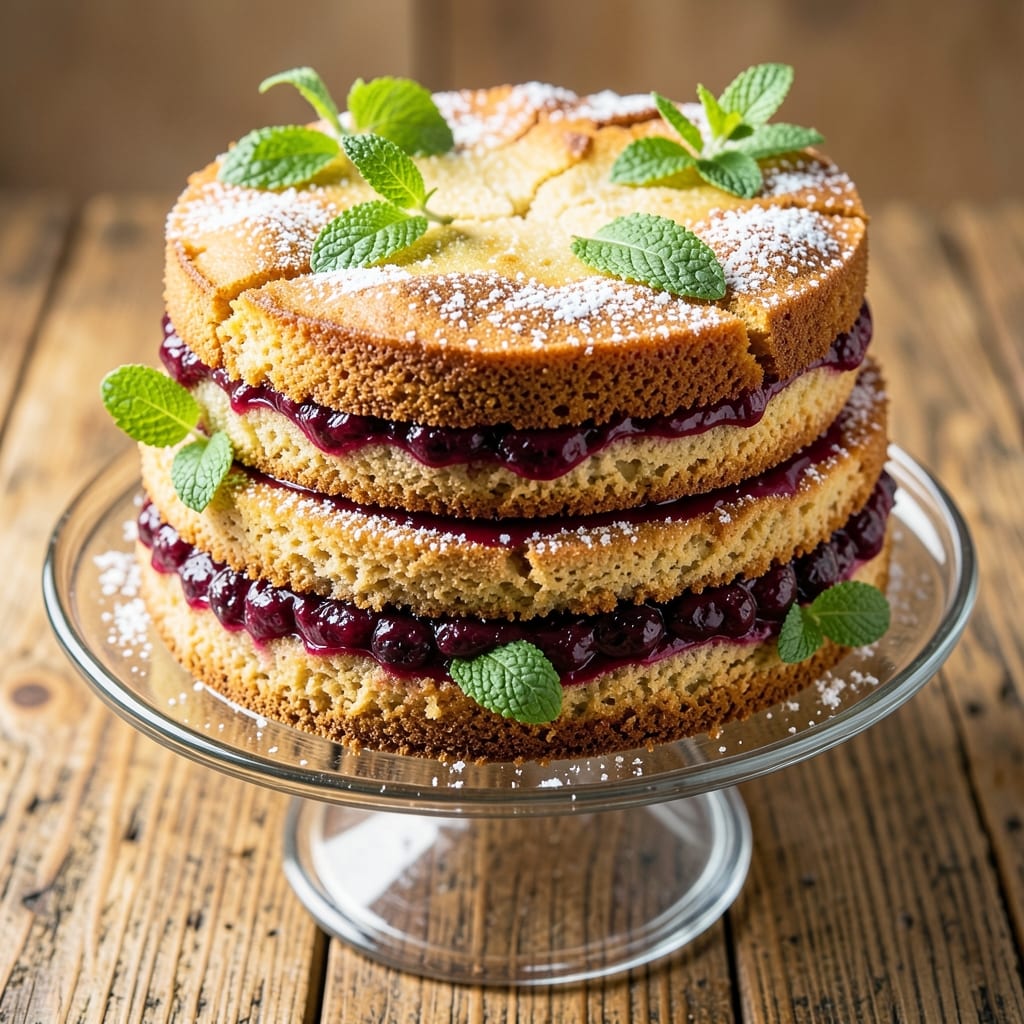
This almond flour fruit cake delivers all the moist, tender richness of classic fruit cake without a single gluten grain. The secret lies in blending almond flour with a touch of tapioca starch—creating a delicate crumb that stays wonderfully moist for days. I perfected this recipe after years of testing gluten-free fruit cakes that always turned out dry or crumbly, and this version finally nails the texture we all crave.
The beauty of almond flour is its natural ability to absorb moisture while adding a subtle nutty depth that complements dried fruits perfectly. We'll use a combination of citrus zest and warm spices to brighten the flavor profile, ensuring each slice delivers that perfect balance of sweetness and complexity. The cake bakes up with a golden crust and tender interior, holding its shape while remaining impossibly light.
What makes this recipe truly special is its versatility—it works equally well with dried apricots, cherries, or cranberries, and can be adapted for vegan diets by substituting flax eggs and coconut oil. The result is a fruit cake that's rich enough for holiday gatherings but simple enough for a weeknight treat, all while being naturally gluten-free and packed with almond goodness.
Once baked, you'll have a cake that stays moist for days, perfect for slicing thin or serving as a centerpiece. The natural sweetness of the almond flour means you can reduce added sugar without sacrificing flavor, making this a healthier take on a classic dessert. Ready to bake a fruit cake that impresses without compromising texture or taste?
Ingredients for almond flour fruit cake
Almond flour, citrus zest, and warm spices—this trio delivers that perfect fruit cake texture.
| Ingredient | Amount | Notes |
|---|---|---|
| Almond Flour 🌰 | 3 cups | Finely ground, unsweetened |
| Tapioca Starch 🌾 | ¼ cup | For tender crumb |
| Granulated Sugar 🍚 | 1 cup | Light brown preferred |
| Coconut Oil 🥥 | ¾ cup | Melted, full-fat |
| Large Eggs 🥚 | 4 whole | Room temperature |
| Vanilla Extract 🌿 | 1 tbsp | Pure, not imitation |
| Unsweetened Almond Milk 🥛 | ½ cup | For moisture |
| Dried Apricots 🍑 | 1 ½ cups | Chopped, unsulfured |
| Orange Zest 🍊 | 1 tbsp | Freshly grated |
| Ground Cinnamon 🌶️ | 1 tsp | Freshly ground |
| Ground Nutmeg 🌶️ | ½ tsp | Freshly grated |
| Ground Cloves 🌶️ | ¼ tsp | Freshly ground |
| Sea Salt 🧂 | ½ tsp | Fine grain |
| Baking Powder 🍞 | 1 tsp | Aluminum-free |
The almond flour is non-negotiable here—Bob's Red Mill or Anthony's Goods are my go-tos, but any finely ground unsweetened almond flour works. Look for packages labeled 'blanched' if you want extra whiteness, but raw almond flour adds more depth. Tapioca starch is your secret weapon for that tender crumb—don't skip it. For dried apricots, Trader Joe's has the best unsulfured variety (no weird aftertaste), but any high-quality brand works. The orange zest should be freshly grated—pre-made zest loses its punch fast.
No almond milk? Oat milk or coconut milk works too, but stick to unsweetened versions. Short on dried apricots? Dried cherries or cranberries add a different but equally delicious twist. The spices are where the magic happens—if you're feeling fancy, toast the whole spices (cinnamon sticks, cloves) for 30 seconds in a dry pan before grinding. No vanilla extract? Vanilla bean paste gives even more flavor. The coconut oil needs to be melted but not hot—just warm enough to pour easily. And yes, you can use vegetable oil if you prefer, but coconut adds that lovely nutty depth that pairs perfectly with almond flour.
This cake keeps beautifully—5-7 days in an airtight container at room temperature, or 2 weeks in the fridge. For longer storage, slice and freeze portions for up to 3 months. I always bake an extra batch because it's impossible to resist. The texture improves with time, so leftovers taste even better the next day. If you're prepping for a party, wrap each slice in parchment paper and tie with twine for a gorgeous presentation—guests will think you slaved away for hours.
Why You'll Love This Recipe
- No Mixer Needed: I swear by this—just fold the almond flour and tapioca starch with melted coconut oil until it’s almost combined. The eggs and sugar do the rest. No overmixing, no sticky mess, just a cake that comes together faster than my coffee cools.
- Taste Like a Bakery: That crispy, golden crust? All the coconut oil. The tender crumb? Almond flour’s natural richness. Add a handful of chopped fruit (dried cranberries or fresh berries work best), and you’ve got a cake that’s sweet but not cloying—more like a sophisticated dessert than a guilty pleasure.
- Weekend or Weeknight: Bake it for brunch when friends drop by, or slice it cold for a quick breakfast. Honestly, I’ve even packed it in lunchboxes—it holds up better than most cakes. The tapioca starch keeps it from drying out, so it’s just as good hours later as it is fresh out of the oven.
- Budget-Friendly Luxury: Almond flour’s pricey, but this recipe uses less than you’d think—about half a cup—and stretches it with tapioca starch. Eggs and sugar are pantry staples, and coconut oil lasts forever. Plus, one batch feeds six, so you’re not scrambling to make more. (Yes, even on a Tuesday night.)
Step-by-step instructions for almond flour fruit cake
Here's how to bake a perfectly moist fruit cake using almond flour—no gluten, no regrets.
Preheat and Prepare Your Tools
Preheat your oven to 350°F and grease a 9-inch round cake pan generously with coconut oil. Line the bottom with parchment paper for easy removal. I like to use a light spray of coconut oil after greasing to ensure nothing sticks—almond flour can be tricky if the pan isn't properly prepared.
While the oven heats, chop the 1.5 cups dried apricots into small, even pieces. You want them bite-sized so they distribute evenly throughout the cake. If they're too large, they won't soften properly during baking. Place the chopped apricots in a small bowl and set aside.
Mix Dry Ingredients for a Light Crumb
In a large mixing bowl, whisk together the 3 cups almond flour, 0.25 cup tapioca starch, 1 cup granulated sugar, 1 tsp baking powder, 1 tsp ground cinnamon, 0.5 tsp ground nutmeg, 0.25 tsp ground cloves, and 0.5 tsp sea salt. This combination creates a tender crumb while keeping the cake moist. Sift the mixture lightly to remove any lumps—this ensures your cake rises evenly.
Add the 1 tbsp orange zest and mix well. The zest adds a bright citrus note that balances the sweetness of the apricots and complements the nutty almond flour. I like to use a fine grater for the zest to avoid any bitter pith getting into the mix.
Combine Wet Ingredients for Maximum Moisture
In a separate bowl, melt the 0.75 cup coconut oil in the microwave in 20-second intervals, stirring between each interval until fully liquid. Let it cool slightly but keep it warm—this helps it blend smoothly with the eggs. Add the 4 whole large eggs, one at a time, whisking vigorously after each addition until fully incorporated.
Stir in the 1 tbsp vanilla extract and 0.5 cup unsweetened almond milk. The almond milk adds just enough moisture to keep the cake tender without making it dense. Mix until the wet ingredients are completely smooth, with no streaks of egg whites remaining.
Fold in Apricots and Batter
Gradually pour the wet ingredients into the dry ingredients while mixing on low speed with a hand mixer. Scrape down the sides of the bowl as needed to ensure everything combines evenly. Once fully incorporated, gently fold in the chopped apricots using a spatula—be careful not to overmix, as this can make the cake dense.
Here's the thing—almond flour batter is thicker than traditional flour batter. You'll want to mix until just combined, with no dry spots remaining. The batter should hold its shape when dropped from a spoon but still be pourable. If it's too thick, add an extra 1 tablespoon of almond milk to help it spread evenly in the pan.
Bake Until Golden and Springy
Pour the batter into the prepared cake pan and smooth the top with a spatula. Tap the pan gently on the counter a few times to release any air bubbles. Bake in the preheated oven for 40-45 minutes, or until the top is golden brown and a toothpick inserted into the center comes out clean.
I know it seems like a long time, but almond flour cakes bake differently than traditional wheat flour cakes. The key is patience—the cake will continue to set as it cools. If the edges are browning too quickly, tent the pan with aluminum foil to prevent over-browning while still allowing the center to cook through.
Cool and Serve for Perfect Texture
Remove the cake from the oven and let it cool in the pan for 10 minutes. Then transfer it to a wire rack to cool completely. This resting period is crucial—it allows the cake to set properly and prevents it from falling apart when you try to slice it.
The cake should be moist but not soggy, with a tender crumb that holds its shape. Slice it while still slightly warm for the best texture, and serve with a dusting of powdered sugar or a dollop of whipped cream. Store any leftovers in an airtight container at room temperature for up to 3 days, or refrigerate for up to 1 week.
Pro Tips For Making Almond Flour Fruit Cake
- Sift the Almond Flour: I learned this the hard way—skipping it makes the cake dense and crumbly. Use a fine-mesh sieve to fluff the almond flour before mixing, especially if it’s clumpy from storage. This adds air and keeps the texture light, even with the tapioca starch already helping with structure.
- Melt Coconut Oil Slowly: Don’t nuke it in the microwave—melt the coconut oil gently over a double boiler or in 20-second bursts in the microwave, stirring between each. Fully melted oil blends smoothly into the batter, and you’ll avoid lumps that turn into greasy pockets in the cake.
- Don’t Overmix the Eggs: After adding the eggs, mix just until combined—no need to whip them into oblivion. Overmixing incorporates too much air, which can cause the cake to sink or develop tunnels. Stir until the yolks are broken and the batter looks cohesive, then stop.
- Test Doneness with a Skewer: The cake might look underdone but pass the toothpick test—insert a thin skewer into the center. If it comes out clean or with a few moist crumbs (not wet batter), it’s done. Almond flour cakes can dry out if overbaked, so pull it when it’s just shy of perfect.
Common mistakes when making perfect results
Overmixing the Batter
Almond flour batter behaves differently than traditional flour—it's thicker and more delicate. When you overmix, you risk developing a dense, rubbery texture instead of that light, tender crumb we want. I've seen this happen when people use stand mixers on high speed or whip the batter vigorously. Instead, mix just until combined—about 30-45 seconds with a hand mixer on low. The batter should hold its shape when dropped but still be pourable. 🌰
Skipping the Tapioca Starch
The ¼ cup tapioca starch is your secret weapon for that perfect texture. Without it, your cake will be crumbly and dry. I've tested this recipe without the starch, and while the flavor is still great, the texture suffers. The starch helps bind the moisture and creates that delicate crumb structure that makes this cake so special. Don't skip it—trust me, your taste buds will thank you.
Using Cold Eggs
Room temperature eggs are crucial for a smooth batter. Cold eggs can create pockets of air that lead to uneven baking or even a cracked cake. I always let my eggs sit out for at least 30 minutes before using them. You'll know they're ready when they feel slightly warm to the touch. This small step makes a big difference in the final texture. ⚡
Incorrect Pan Preparation
Almond flour sticks more easily than wheat flour, so proper pan preparation is essential. I've seen cakes stick and even burn when people don't grease their pans thoroughly enough. Use coconut oil (melted) and line the bottom with parchment paper for foolproof release. If you're using a non-stick pan, still grease it—almond flour needs that extra help. A well-prepared pan means a cake that slides out beautifully and looks professional.
Baking Time Guesses
Almond flour cakes bake differently than traditional cakes—they need more time and lower heat to develop properly. I've seen people pull cakes out too early because they think 40 minutes is enough, only to have a cake that's still underdone in the center. The key is patience—bake until a toothpick comes out clean (about 40-45 minutes at 350°F). If the edges brown too quickly, tent with foil to protect them while the center cooks.
Ignoring Resting Time
This is one of the biggest mistakes I see with almond flour cakes. Skipping the 10-minute rest in the pan leads to crumbling when you try to remove it. The cake needs time to set properly before transferring to a wire rack. I've had cakes fall apart completely when sliced too soon. Be patient—this resting period is what gives your cake that perfect structure and makes slicing clean and easy. 💫
Nutrition facts
Frequently asked questions
Can I substitute almond flour with another nut flour?
While you can try cashew flour or hazelnut flour, the texture and flavor will differ. Almond flour provides the perfect balance of nuttiness and moisture retention. If you must substitute, use a 1:1 ratio but expect a denser cake. For best results, stick with almond flour—its natural oils keep this cake wonderfully moist.
How do I make this cake vegan?
Replace the 4 eggs with 4 flax eggs (4 tbsp ground flaxseed + 10 tbsp water, mixed and rested for 5 minutes) and swap coconut oil for vegan butter or melted avocado oil. Use almond milk as written. The texture remains tender, though slightly denser. Let the cake rest 15 minutes longer before slicing for best results.
What fruits work best besides apricots?
Any dried fruit works beautifully! Try cherries, cranberries, or figs for a richer flavor. For fresh fruit, use diced apples or pears (tossed in lemon juice first to prevent browning). The key is 1.5 cups total of fruit, chopped into small pieces. Citrus zest (like lemon or orange) pairs perfectly with any fruit choice.
Why did my cake turn out dry?
Dryness usually means overbaking or insufficient moisture. Check your oven temperature—350°F is critical. Also ensure you used almond milk and didn't skip the tapioca starch. For extra moisture, brush warm slices with simple syrup (equal parts sugar and water, heated until dissolved) before serving. Store leftovers in an airtight container to maintain freshness.
Can I make this cake gluten-free and nut-free?
For a nut-free version, replace almond flour with a 1:1 gluten-free flour blend (like Bob's Red Mill 1-to-1). Use applesauce instead of coconut oil and oat milk for moisture. The texture will be slightly denser but still delicious. Note that nut-free flours absorb moisture differently—you may need to adjust liquid by 1-2 tablespoons as needed.