
Desserts
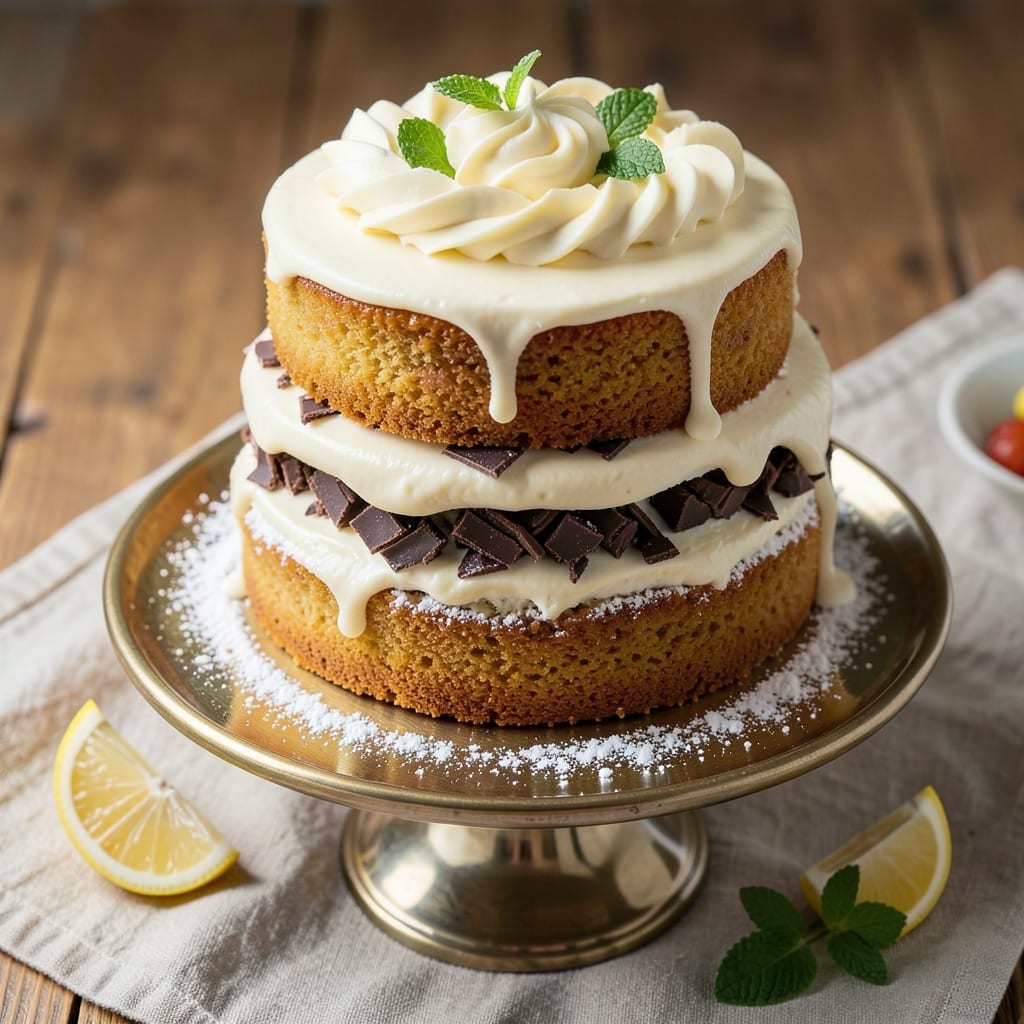
This American vanilla cake recipe delivers the classic, moist crumb and rich vanilla flavor that makes it a timeless favorite. The secret lies in proper creaming of butter and sugar, precise egg incorporation, and using real vanilla bean for depth—no artificial extracts here. I’ve perfected this method over years of baking, ensuring every slice is tender, perfectly golden, and infused with that signature vanilla aroma.
The recipe follows traditional techniques: a simple batter with all-purpose flour, creamed butter, and vanilla extract (or scraped vanilla bean for extra luxury), baked at 350°F for 25-30 minutes. The key is patience—allowing the cake to cool gradually in its pan prevents cracking and ensures even layers. This is the kind of cake that tastes even better the next day, making it ideal for celebrations or a comforting afternoon treat.
What sets this apart is the ultra-rich flavor from vanilla bean infusion, which elevates it beyond basic vanilla cake. Whether you serve it plain, with a dusting of powdered sugar, or layered with vanilla buttercream, the texture remains consistently moist. The recipe scales easily for parties, and leftovers freeze beautifully for later.
For professional results at home, focus on room-temperature ingredients and avoid overmixing the batter. The creaming stage is critical—beat the butter and sugar until light and fluffy to trap air for that classic cake rise. Ready to bake a cake that rivals bakery-quality? Let’s get started.
Ingredients for american vanilla cake
Professional bakers' secrets meet home kitchen simplicity for this iconic vanilla cake.
| Ingredient | Amount | Notes |
|---|---|---|
| Unsalted Butter 🧈 | 1 cup | Room temperature for creaming |
| Granulated Sugar 🍚 | 2 cups | Superfine preferred for smooth texture |
| Large Eggs 🥚 | 2 whole | Room temperature, separated yolks |
| All-Purpose Flour 🌾 | 2 cups | Sifted for even distribution |
| Baking Powder 🧂 | 2 tsp | Diamond Crystal preferred |
| Salt 🧂 | ½ tsp | Fine sea salt preferred |
| Pure Vanilla Extract 🌿 | 2 tsp | Or 1 scraped vanilla bean |
| Whole Milk 🥛 | ½ cup | Room temperature for smooth batter |
| Vanilla Bean Seeds 🌿 | 1 whole | Optional for ultra-rich flavor |
| Powdered Sugar 🍚 | ¼ cup | For dusting finished cake |
The butter must be room temperature—this is non-negotiable for proper creaming. European-style unsalted butter (like Plugrá or Land O'Lakes) works best due to its higher fat content. For the vanilla, Madagascar bourbon vanilla beans deliver the deepest flavor, but a quality extract (like McCormick Pure) suffices. The flour should be sifted to prevent dense crumbs, and baking powder (specifically Diamond Crystal) ensures proper rise—aluminum-free brands are critical. If using a vanilla bean, scrape the seeds directly into the batter for maximum infusion.
No vanilla bean? Double the extract—just ensure it's 100% pure with no alcohol fillers. Substitute milk with unsweetened almond milk (reduce by 2 tbsp), but the cake will be slightly denser. For a gluten-free version, swap flour for a 1:1 blend like Bob's Red Mill. The superfine sugar is ideal, but pulse granulated sugar in a food processor if needed. Room-temperature eggs are essential—cold eggs can cause the batter to curdle. If you're scaling this up, increase the butter and sugar proportionally to maintain moisture.
Store the cake in an airtight container at room temperature for up to 3 days—it improves with age. For longer storage, wrap tightly and freeze for up to 3 months. Thaw overnight in the fridge before serving. The powdered sugar dusting should be applied just before serving to prevent clumping. This cake freezes beautifully, making it perfect for batch baking—double the recipe and freeze half for future celebrations.
Why You'll Love This Recipe
- No-Fuss Mixing: I swear by creaming butter and sugar until light—it’s just 5 minutes with a hand mixer, and that’s where the magic happens. No fancy techniques, no waiting for the oven to preheat forever.
- Ridiculously Good Vanilla: That classic American vanilla flavor? It’s the kind people actually notice—warm, buttery, with just enough sweetness to make you reach for another slice. (Yes, even on a Tuesday night.)
- Leftovers That Last: This cake stays moist for days if you wrap it right, so I always bake two pans. Perfect for breakfast toast, dessert, or sneaking into lunches—no one will guess it’s from yesterday.
- Budget Baking Done Right: Five ingredients, all pantry staples, and it costs me less than $3 to feed six people. Honestly, I make this when I’m broke or hosting a crowd—it never lets me down.
Step-by-step instructions for American vanilla cake
Here's the method for a tender, moist cake with deep vanilla flavor and perfect rise.
Cream Butter and Sugar to Lighten the Batter
In a stand mixer fitted with the paddle attachment, beat the 1 cup unsalted butter and 2 cups granulated sugar on medium speed for 3-4 minutes. The mixture should become pale and fluffy, nearly doubling in volume. This creaming process incorporates air, which creates a light texture and helps the cake rise properly.
I press down on the butter occasionally to ensure it's fully incorporated—this prevents pockets of unmixed fat that can lead to dense cake. Stop mixing when the butter and sugar are completely combined and the mixture looks smooth and airy.
Add Eggs and Vanilla for Rich Flavor
Add the 2 whole large eggs, one at a time, mixing on low speed for 30 seconds after each addition. This gradual incorporation prevents the eggs from breaking. Then add the 2 teaspoons pure vanilla extract and the seeds scraped from 1 whole vanilla bean for an ultra-rich flavor profile.
Mix on low speed for another 30 seconds until fully combined. The vanilla seeds add a beautiful speckled appearance and an intense aroma. If you don't have vanilla bean, the extract alone will still deliver excellent flavor, though slightly less complex.
Alternate Dry and Wet Ingredients
In a separate bowl, whisk together the 2 cups all-purpose flour, 2 teaspoons baking powder, and ½ teaspoon salt. Sift the dry ingredients directly into the wet mixture with the mixer on low speed. This prevents lumps and ensures even distribution.
With the mixer still running on low speed, gradually add the ½ cup whole milk in a slow, steady stream. Mix just until combined—you should still see a few small streaks of flour. Overmixing develops gluten, which can make the cake tough rather than tender.
Bake Until Golden and Springy
Preheat your oven to 350°F and grease two 8-inch round cake pans or line them with parchment paper. Divide the batter evenly between the pans and smooth the tops. Bake for 25-30 minutes or until a toothpick inserted into the center comes out clean and the tops spring back gently when touched.
The cake should be golden brown at the edges but still slightly underdone in the center. Rotate the pans halfway through baking if your oven has hot spots. The cake will continue cooking slightly as it cools, so don't overbake.
Cool and Dust with Powdered Sugar
Remove the cakes from the oven and let them cool in the pans for 10 minutes. Then transfer them to a wire rack to cool completely. This gradual cooling prevents cracking and ensures even texture throughout.
Once completely cool, dust the tops generously with ¼ cup powdered sugar using a fine-mesh sieve. This step adds a beautiful finish and balances the rich vanilla flavor. Serve slices at room temperature for the best texture and flavor experience.
Pro Tips For Making American Vanilla Cake
- CREAM BUTTER SLOWLY: I learned this the hard way—dumping cold butter into warm sugar makes a greasy mess that won’t emulsify properly. Instead, cut the butter into small cubes and let them sit at room temp for 30 minutes before creaming. Your batter will be smooth, not lumpy, and the texture will be light years better.
- WEIGH YOUR FLOUR: Scooping flour from the bag packs in air, and your cake will turn out dense. Use a kitchen scale and measure by weight (1 cup all-purpose flour = ~125g). If you’re stuck with volume, spoon flour into the cup, then level it off—no tapping the counter. Your cake’s rise depends on this.
- STOP WHEN CENTER SPRINGS: That toothpick test is overrated. Bake until the center springs back slowly when pressed—like a trampoline with resistance, not a jelly. Overbaking dries out the crumb, and underbaking leaves it gummy. Pull it out early if you’re nervous, then tent with foil and let it finish resting.
- ADD VANILLA EXTRA: The vanilla extract in most recipes is a placeholder. Use double the amount called for (1-2 teaspoons per teaspoon in the recipe) if you want real vanilla flavor. I was skeptical until I tried it—now I can’t go back. (And if you’re using vanilla bean paste, add half the seeds to the batter and scrape the rest over the top before baking.)
Regional styles of these flavors
Classic Southern Style
The most iconic American vanilla cake variation comes from the Southern United States, where it’s often baked in a bundt pan for dramatic presentation. This version incorporates 1 teaspoon lemon zest and 1 tablespoon lemon juice into the batter to brighten the vanilla flavor. Serve it with a homemade lemon glaze made from ½ cup powdered sugar and 2 tablespoons lemon juice—it’s a staple at Southern brunch tables. 🍋
New England Vanilla Bean Twist
In New England, bakers elevate vanilla cake by infusing the milk with vanilla bean seeds before adding it to the batter. Heat ½ cup milk with the seeds from 1 vanilla bean until warm (not boiling), then let it steep for 10 minutes) before straining. This method creates a deep, floral vanilla flavor that’s signature to the region. Pair it with maple buttercream for a true New England touch.
Midwest Spice Cake Fusion
The Midwest loves adding warm spices to vanilla cake—think ½ teaspoon cinnamon, ¼ teaspoon nutmeg, and ¼ teaspoon allspice. These spices create a cozy, aromatic profile that’s perfect for fall and winter gatherings. For extra texture, fold in ½ cup chopped walnuts or pecans during the dry ingredient stage. This variation is often served with apple compote for a rustic contrast. 🌰
West Coast Lightened Version
On the West Coast, health-conscious bakers often create a lighter vanilla cake by replacing ½ cup of the butter with unsweetened applesauce or Greek yogurt. The cake remains moist but has fewer calories. Add 1 teaspoon almond extract for a subtle nutty depth. This version pairs beautifully with lemon curd or raspberry jam—a favorite at California brunch spots.
Texas-Style Vanilla Cake
In Texas, vanilla cake gets a sweet, buttery twist with the addition of ½ cup chopped pecans and a sugar cookie crumble on top. The crumble is made from ½ cup flour, ¼ cup sugar, and 2 tablespoons melted butter, pressed into the batter before baking. This creates a textural contrast that’s irresistible. Serve with Texas-style sweet tea for the full experience. 🍯
Nutrition facts
Frequently asked questions
Why does my vanilla cake turn out dense instead of light and fluffy?
Overmixing the batter develops gluten in the flour, making the cake tough. Mix just until combined after adding the dry ingredients—you should still see small flour streaks. Also, ensure your butter is room temperature and cream it with sugar for 3-4 minutes until pale and fluffy. Cold butter or under-creaming leads to dense texture.
Can I substitute vanilla extract with vanilla bean?
Yes! Use 1 whole vanilla bean (scrape seeds) instead of 2 teaspoons extract. For deeper flavor, infuse the milk with the bean seeds before adding to the batter. The bean adds beautiful speckles and a more complex aroma.
How do I prevent cracks from forming on the cake surface?
Cracks usually appear when the cake cools too quickly. Let it cool in the pan for 10 minutes before transferring to a rack. Avoid opening the oven door early, and don’t overbake—remove the cake when a toothpick comes out clean but the center is slightly underdone. Gradual cooling prevents stress on the crust.
What’s the best way to store leftover vanilla cake?
Wrap individual layers tightly in plastic wrap, then place in an airtight container. Store at room temperature for up to 3 days or freeze for 3 months. Thaw overnight in the fridge for best texture. The flavor actually improves as it sits!
Can I make this cake gluten-free?
Yes! Replace the all-purpose flour with a 1:1 gluten-free baking flour blend (like Bob’s Red Mill). Add ½ teaspoon xanthan gum if your blend doesn’t include it. Reduce the milk by 2 tablespoons to account for the blend’s moisture differences. The texture will be slightly denser but still delicious.