
Desserts
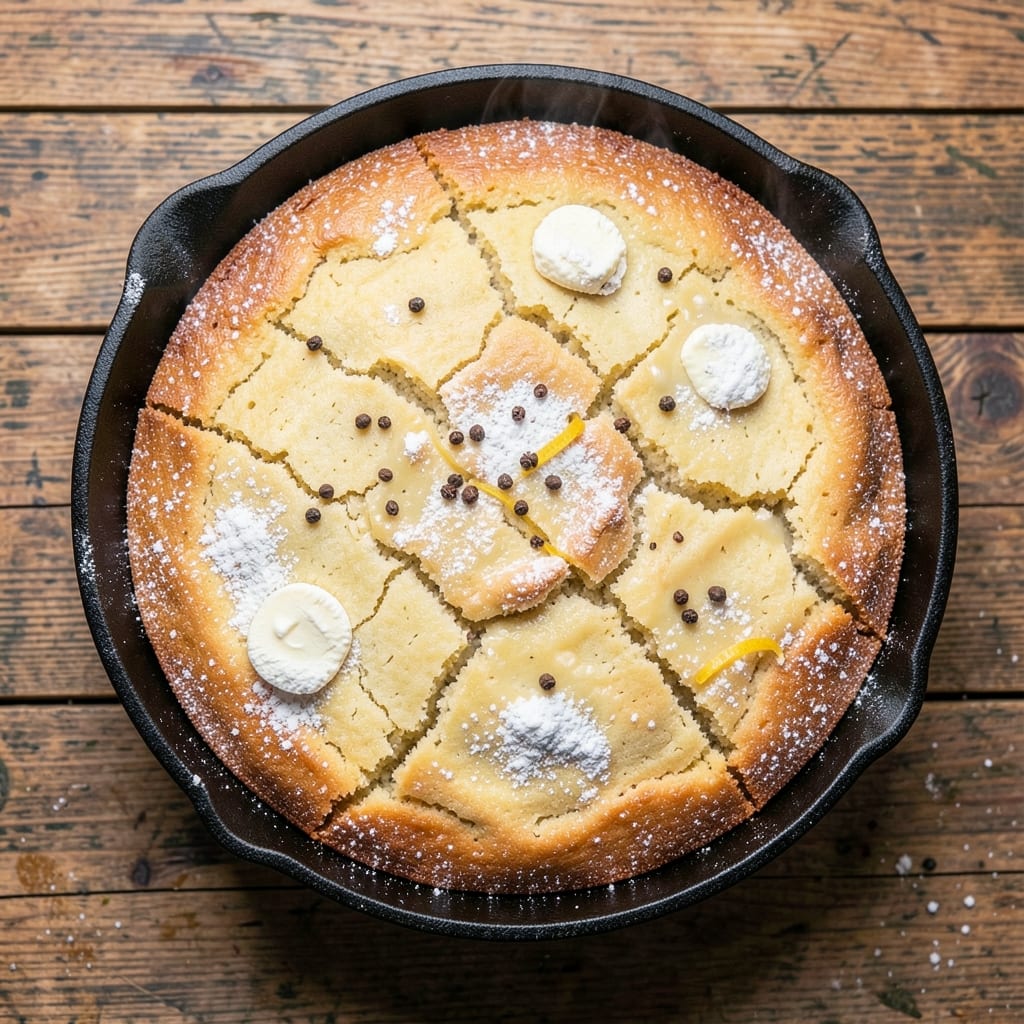
This Amish cake starter recipe unlocks the secret to homemade layers that rival bakery-quality cakes with just a few simple dry ingredients. The foundation of any great Amish dessert begins here—where flour, sugar, and baking powder create the perfect canvas for buttery streusel crowns and rich fillings. What makes this starter special is its versatility; it forms the base for everything from traditional Amish wedding cakes to everyday family desserts.
The beauty of this recipe lies in its simplicity and tradition. Unlike complex cake mixes, this starter relies on time-honored techniques like layering and slow baking to develop deep flavor and texture. The dry ingredients blend effortlessly with wet components—eggs, milk, and oil—to create a batter that yields tender, moist layers. Each batch delivers consistent results, making it ideal for both beginners and experienced bakers.
Once combined with wet ingredients, this starter transforms into a cake that's light yet sturdy, perfect for stacking with fillings or topping with a buttery streusel. The slow baking process ensures even cooking, while the traditional method preserves the authentic Amish taste. Whether you're baking a celebration cake or a simple family dessert, this starter delivers professional-quality results every time.
For added richness, consider incorporating nuts or spices into the batter or streusel topping. The possibilities are endless, but the foundation remains the same—reliable, delicious, and deeply rooted in tradition. Let's get started on creating your next masterpiece.
Ingredients for amish cake starter
These traditional dry ingredients form the heart of any authentic Amish cake recipe.
| Ingredient | Amount | Notes |
|---|---|---|
| All-Purpose Flour 🌾 | 2 ½ cups | Sifted for even texture |
| Granulated Sugar 🍚 | 2 cups | White or light brown preferred |
| Baking Powder 🧂 | 2 tbsp | Double-acting for proper rise |
| Salt 🧂 | ½ tsp | Fine sea salt preferred |
| Large Eggs 🥚 | 4 whole | Room temperature for even mixing |
| Unsalted Butter 🧈 | 1 cup | Softened to room temperature |
| Whole Milk 🥛 | 1 cup | Room temperature for smooth batter |
| Vanilla Extract 🌸 | 2 tsp | Pure vanilla for authentic flavor |
| Allspice Ground 🌶️ | ¼ tsp | Traditional Amish spice blend |
| Cinnamon Ground 🌿 | 1 tsp | Warm, aromatic touch |
| Old-Fashioned Rolled Oats 🌾 | ½ cup | For streusel texture (optional) |
| Light Brown Sugar Packed 🍚 | ½ cup | For streusel sweetness |
| Cold Unsalted Butter Cubed 🧈 | ½ cup | Cut into small pieces for streusel |
The flour should be sifted—this ensures a light, tender crumb that's the hallmark of Amish baking. King Arthur or Gold Medal brands are ideal for their consistent quality. For the sugar, Domino or C&H are reliable choices, though light brown sugar adds subtle depth. Baking powder is non-negotiable here—Clabber Girl or Rumford work best. The allspice and cinnamon should be freshly ground for maximum aroma; Penzeys or McCormick offer excellent quality. Store spices in airtight containers away from light to preserve their potency.
No vanilla extract? Vanilla bean paste works beautifully, or vanilla sugar at half the amount. For the streusel topping, oats should be old-fashioned rolled—quick oats won't provide the same texture. Brown sugar should be packed firmly to avoid under-sweetening. The cold butter cubes are crucial—they create flaky layers when baked. Substituting margarine? Use Country Crock Plant Butter for the closest texture. For a nutty variation, fold in chopped walnuts or pecans to the batter or streusel. The milk should be whole for richness, but 2% works in a pinch—just expect slightly less moisture.
The dry ingredients can be stored in airtight containers for up to 6 months in a cool, dark place. Butter should be kept in its original packaging until used, then transferred to a covered container for up to 3 months. Eggs should be refrigerated and used within 3 weeks of purchase for best results. The streusel mixture can be prepped ahead and refrigerated for 2 days—just bring it to room temperature before baking. Baked layers freeze beautifully for 3 months when wrapped tightly in plastic and foil, making them perfect for special occasions.
Why You'll Love This Recipe
- Five-Ingredient Magic: I swear by this recipe—just flour, sugar, eggs, and two pantry staples. No fancy mixers or last-minute grocery runs. Honestly, I’ve made it while still in my pajamas, and it never lets me down.
- Golden Crumb Perfection: That tender crumb with just a hint of sweetness? The sugar and eggs work together to create a cake that’s moist but not dense, with a texture so good you’ll want to eat it straight from the bowl. (Yes, even on a Tuesday night.)
- Layer Up or Serve Solo: This starter is my secret for sheet cakes, cupcakes, or even a quick loaf—no fuss, just flexibility. Between us, I’ve used it for birthdays, potlucks, and even as a dessert after a too-big dinner. It’s the ultimate blank canvas.
- Budget-Friendly Baking: A single batch costs me pennies but feels like a treat. The ingredients are cheap, and the leftovers? They freeze beautifully for next week’s coffee cake or muffins. My wallet and my taste buds both win.
Step-by-step instructions for Amish cake starters
Master the classic Amish technique for tender layers and rich streusel topping.
Prepare the Cake Batter
Preheat your oven to 350°F and grease two 9-inch round cake pans with nonstick spray or butter. Line the bottoms with parchment paper circles for easy removal. In a large mixing bowl, combine the 2.5 cups all-purpose flour, 2 cups granulated sugar, 2 tbsp baking powder, 0.5 tsp salt, 0.25 tsp allspice, and 1 tsp cinnamon. Whisk until evenly distributed—this ensures a uniform texture throughout each layer.
In a separate bowl, beat the 4 whole large eggs until frothy, then gradually add the 1 cup softened unsalted butter and 1 cup whole milk while mixing on medium speed. Pour the wet ingredients into the dry ingredients and mix on low speed just until combined—overmixing develops gluten and makes the cake dense. Stir in the 2 tsp vanilla extract until fully incorporated. The batter should be smooth with no visible flour streaks.
Bake the Cake Layers
Divide the batter evenly between the prepared cake pans. Tap each pan gently on the counter to remove any air bubbles. Bake for 25-30 minutes or until a toothpick inserted into the center comes out clean. The cakes should be golden brown on top with slightly domed centers. Rotate the pans halfway through baking for even browning.
I like to check for doneness at the 25-minute mark—the edges should pull away from the pan, and the tops should spring back when touched lightly. If the tops brown too quickly, tent the pans with aluminum foil to prevent overbrowning. Let the cakes cool in the pans for 10 minutes before transferring to a wire rack to cool completely.
Make the Streusel Topping
While the cakes cool, prepare the streusel topping in a medium bowl. Combine the 0.5 cup old-fashioned rolled oats, 0.5 cup light brown sugar, and 0.5 cup cold unsalted butter cubed using your fingers or a fork. The butter should be cut into small, pea-sized pieces for even distribution. Mix until the mixture resembles coarse crumbs with some larger butter pieces remaining—this creates pockets of buttery flavor throughout the topping.
Add the 1 tbsp all-purpose flour (from the remaining 2.5 cups) and mix again. The streusel should hold its shape when pressed but still crumble easily between your fingers. If it feels too dry, add 1 tsp cold milk to help bind it together. Sprinkle the streusel evenly over the top of one of the cooled cake layers, pressing down gently to adhere.
Assemble and Bake the Cake Starters
Place the second cake layer on top of the streusel-covered layer. Dust the top layer lightly with 1 tsp flour to prevent sticking. Gently press the layers together, then wrap the entire cake in plastic wrap. Refrigerate for 1 hour to firm up, which makes slicing cleaner layers easier. Preheat your oven to 325°F for the final baking step.
Remove the plastic wrap and place the assembled cake on a baking sheet. Bake for 20-25 minutes until the streusel is golden brown and the edges of the cake are lightly toasted. The cake should rise slightly and develop a warm, buttery aroma. Let it cool for 10 minutes before slicing into 4 equal servings. Serve warm with vanilla ice cream or whipped cream for the ultimate Amish dessert experience.
Pro Tips For Making Amish Cake Starter
- Sift the Flour First: I learned this the hard way—skipping the sift leaves pockets of air in your batter, and that’s how you end up with a cake that’s dense instead of light. Use a fine-mesh sieve and tap it gently on the counter to break up any clumps before measuring. (Yes, even if you’re impatient like me.)
- Weigh the Sugar: Volume measuring with sugar leads to uneven sweetness and texture. Use a kitchen scale for the granulated sugar—this recipe relies on precise balance between flour and sugar for that classic Amish cake crumb. A 1:1 ratio by weight makes all the difference.
- Don’t Overmix the Eggs: Whisk the eggs until just combined—no streaks, but no frothy peaks either. Overbeating adds air that collapses during baking, leaving you with a flat, gummy cake. Fold in the dry ingredients gently after mixing the wet ones.
- Let the Batter Rest: After combining everything, give the batter a solid 5-10 minutes under foil at room temperature. This lets the flour absorb moisture and the baking powder activate fully. I know, I know—it feels like waiting forever, but it guarantees a rise that actually holds.
Troubleshooting this recipe
Dense Cake Layers
If your cake turns out dense instead of light and tender, you likely overmixed the batter. The key is combining wet and dry ingredients just until combined—no more than 10-15 strokes with a spatula. Also, ensure your baking powder is fresh—old baking powder loses its lift. I’ve found that King Arthur baking powder stays effective longer than store brands. Another common issue is underbaking: always check with a toothpick at 25 minutes—it should come out clean. 🌾
Cake Sticking to Pans
Use nonstick spray or butter to grease your pans thoroughly, then line the bottoms with parchment circles. I recommend Wilton nonstick spray for even coverage. If your cake still sticks, it might be overmixed or the oven temperature fluctuates. Try baking at 325°F instead of 350°F for a slightly slower rise that prevents sticking. Let the cakes cool in the pans for 10 minutes before removing to avoid breaking apart.
Uneven Baking
Uneven baking often happens when the oven isn’t preheated properly or the pans aren’t rotated halfway through. Always preheat for at least 15 minutes before baking. Rotate the pans front to back and side to side at the 15-minute mark to ensure even heat distribution. If your oven has hot spots, use an oven thermometer to verify the actual temperature—many ovens run 25°F hotter or colder than set. 🌡️
Streusel Not Crispy
For a crispy streusel, use cold butter and avoid overmixing. The butter should be cut into small cubes and mixed just until combined—this creates pockets of fat that melt and crisp during baking. If your streusel turns out too soft, try adding 1 tbsp flour or baking it at a slightly higher temperature (375°F for the final 5 minutes). I also recommend pressing the streusel firmly onto the cake layer before baking to ensure even contact.
Cake Cracking Between Layers
Cracking usually happens when the cake layers aren’t fully cooled before assembling or when the frosting is too warm. Let the layers cool completely to room temperature before stacking, and chill the assembled cake for 1 hour in the fridge. If you’re using a streusel topping, press it gently onto the first layer to create a strong bond. For extra stability, brush the layers with a thin layer of apricot jam before assembling—it acts as a natural glue. 💡
Baking Powder Issues
If your cake doesn’t rise at all, your baking powder may be expired. Test it by mixing 1 tsp baking powder with 3 tbsp hot water—it should bubble vigorously. If it doesn’t, replace it immediately. Always store baking powder in an airtight container in a cool, dry place. For a backup, use 1 tsp baking soda plus 1 tbsp lemon juice or vinegar per 2 tbsp baking powder, but adjust other ingredients to balance the acidity. Never skip the baking powder—it’s the secret to that classic Amish cake lift!
Nutrition facts
Frequently asked questions
Can I use this starter for other desserts besides cake?
This versatile starter works beautifully for Amish Friendship Bread, coffee cake, or even as a base for cupcakes. The same dry ingredient mix creates a tender crumb perfect for any layered dessert. Just adjust baking times and pan sizes according to your specific recipe.
Why does the recipe call for both allspice and cinnamon?
These spices are traditional in Amish baking and create that signature warm, aromatic flavor. Allspice adds depth while cinnamon provides sweet warmth. Together they create the classic Amish dessert taste. You can reduce to just cinnamon if needed, but the combination is what makes this recipe authentic.
How do I store leftover cake starter mix?
Store the dry ingredients in an airtight container for up to 6 months in a cool, dark place. For the streusel topping, keep it refrigerated for up to 2 days or freeze for 1 month. The wet ingredients should be used immediately for best texture, but you can mix the dry ingredients with milk only and refrigerate for 24 hours.
Can I make this recipe without butter?
Yes, but the texture will differ. Replace butter with an equal amount of vegetable oil or melted coconut oil. For the streusel, use vegetable shortening instead. The cake will still be delicious but may lack the traditional rich flavor. For best results, stick with butter for that authentic Amish taste.
What's the secret to getting perfectly even layers?
The key is patience! Let the cake layers cool completely before assembling, then chill the stacked cake for 1 hour. Use a serrated knife dipped in hot water for clean cuts. For extra stability, brush layers with apricot jam before stacking. This traditional method prevents cracks and ensures professional-looking slices.