
Desserts
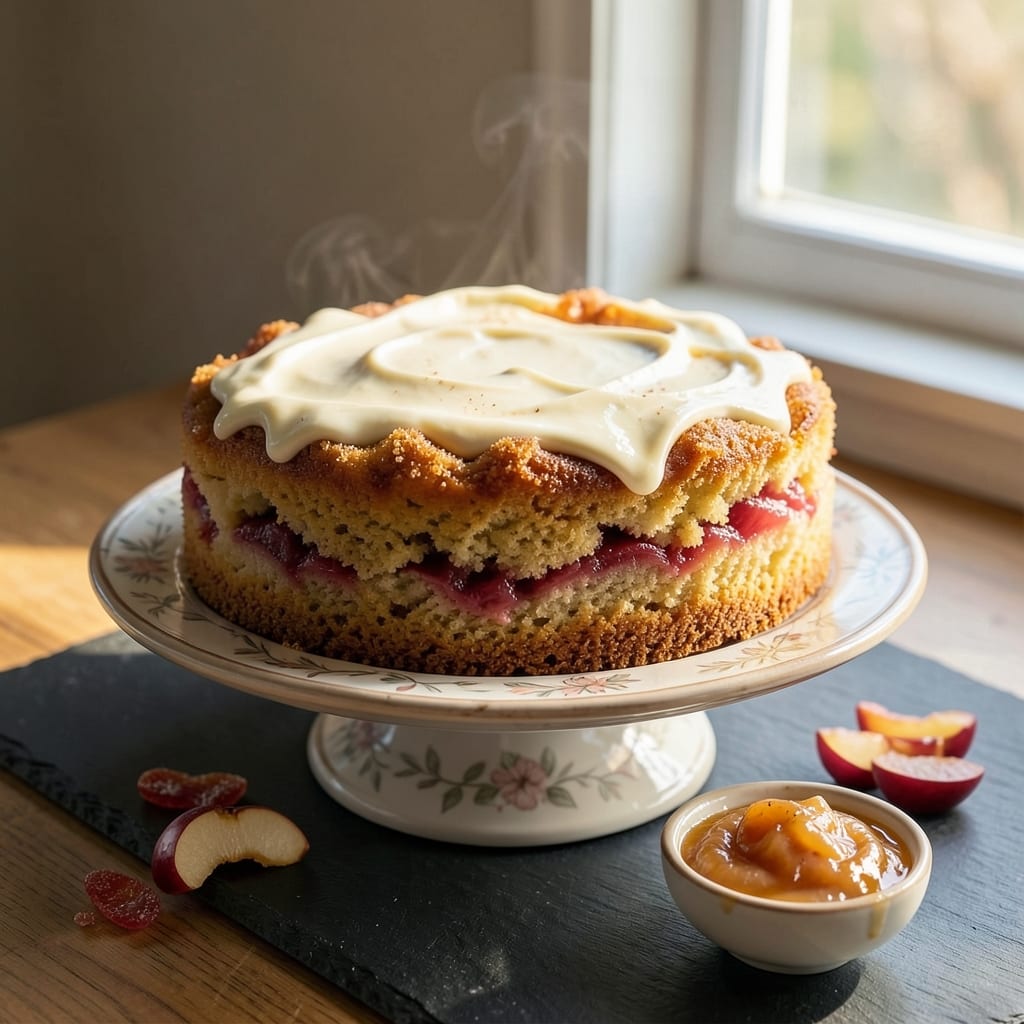
This apple pulp cake recipe transforms humble apple scraps into layers of ultra-moist, spiced cake with a secret ingredient that keeps every slice tender for days. The magic happens when you fold finely grated apple pulp into the batter—no one will guess it's not a traditional cake. I developed this recipe after realizing how much good apple goes to waste, and it's become a fall favorite that's both impressive and simple.
The secret to its moist texture lies in the apple pulp itself, which adds natural sweetness and moisture without altering the cake's structure. You'll use classic ingredients like flour, sugar, and butter, but the apple pulp elevates everything—think of it as a natural tenderizer that keeps the cake light and fluffy. This recipe also includes warm spices like cinnamon and nutmeg, which complement the apple flavor beautifully.
What you'll end up with is a cake with layers that stay moist for days, even without frosting. The apple pulp creates subtle pockets of sweetness in every bite, while the spices add warmth and depth. It's perfect for fall gatherings, holiday desserts, or a cozy weekend treat. The best part? You can make it ahead and let the flavors develop even more over time.
For an extra touch, top with a simple cream cheese frosting or dust with powdered sugar. The cake's natural sweetness means you won't need to overdo it—just enough to highlight the apple and spice flavors. Let's get started on creating this delicious, moist, and utterly satisfying apple pulp cake.
Ingredients for apple pulp cake
Classic cake ingredients meet apple magic—transform scraps into ultra-moist layers.
| Ingredient | Amount | Notes |
|---|---|---|
| All-Purpose Flour 🌾 | 2 ½ cups | Sifted for light texture |
| Granulated Sugar 🍚 | 1 ½ cups | White or light brown |
| Light Brown Sugar 🍚 | ½ cup | Packed for moisture |
| Unsalted Butter 🧈 | 1 cup | Room temperature, full-fat |
| Large Eggs 🥚 | 2 whole | Room temperature |
| Apple Pulp 🍎 | 1 ½ cups | Finely grated, skin on |
| Vanilla Extract 🌿 | 1 tbsp | Pure, high-quality |
| Ground Cinnamon 🌶️ | 2 tsp | Freshly ground preferred |
| Ground Nutmeg 🌶️ | ½ tsp | Freshly grated for warmth |
| Baking Powder 🧂 | 1 ½ tsp | Aluminum-free preferred |
| Salt 🧂 | ½ tsp | Fine sea salt |
| Milk 🥛 | ½ cup | Whole milk preferred |
| Powdered Sugar 🍚 | ½ cup | For dusting, optional |
The apple pulp is the star—use cored apple scraps from cooking or baking, grated finely (the smaller, the better). Whole Foods or local markets often have pre-grated apple pulp in the produce section if you're short on time. For the spices, Penzeys or bulk bins at grocery stores have the freshest ground cinnamon and nutmeg. The butter should be room temperature (press a finger in—it should leave a slight indent). If you're using apple scraps from cooking, make sure they're peeled and cored before grating, and avoid any parts that might be too tough or woody.
No apple scraps? Store-bought unsweetened applesauce works in a pinch (use half the amount), but it won't have the same texture. Running low on vanilla? Vanilla bean paste adds depth, or a splash of bourbon for a boozy twist. The baking powder is crucial—Diamond Crystal is my go-to, but check the box (some brands are twice as potent). For extra moisture, swap 2 tbsp of milk for Greek yogurt (it keeps the cake tender longer). If you're dusting the top, powdered sugar is best—it dissolves easily into the cake's moisture, unlike confectioners' sugar which can clump.
Store the cake in an airtight container at room temperature for up to 3 days—it actually tastes better the next day as the flavors meld. For longer storage, wrap tightly in plastic wrap and refrigerate for up to 5 days. Freezing? Slice first, then wrap each piece individually—keeps for 3 months. The frosting (if using) should go on day of serving to avoid sogginess. I like to brush the top with simple syrup (equal parts sugar and water, heated) right before serving to keep it moist—worth the extra minute.
Why You'll Love This Recipe
- No Pulp Mess: I’ll be real—this recipe uses actual apple pulp, not chopped fruit that leaks juice everywhere. The texture stays moist without turning into soup, and the brown sugar-butter combo makes every bite taste like autumn in a pan. (Yes, even on a Tuesday night.)
- Sweet Butter Magic: That light brown sugar and unsalted butter? It’s the secret weapon. The butter keeps the cake tender while the sugars caramelize just enough to give it this subtle depth—like a hug from your grandma’s kitchen. No weird aftertaste, just pure comfort.
- Leftovers That Last: This cake holds up better than most—slice it the next day, and it’s still tender, not dry. I’ve packed it in lunches (trust me, kids love it) and even reheated slices with a sprinkle of cinnamon. Minimal effort, maximum second helpings.
- Pantry Staple Power: Honestly, you’re probably already making this. All-purpose flour, sugar, butter, eggs—these are ingredients you always have. No specialty items, no last-minute grocery runs. It’s the kind of recipe that turns a “what’s for dessert?” into a “we’re having cake” in 10 minutes.
Step-by-step instructions for apple pulp cake
Here's how to create layers that stay moist for days—no dry crumbs in sight.
Cream Butter and Sugars for Maximum Moisture
In a stand mixer fitted with the paddle attachment, beat the 1 cup unsalted butter (room temperature) with the 1.5 cups granulated sugar and 0.5 cup light brown sugar on medium speed for 3-4 minutes. You're looking for a light, fluffy texture that nearly doubles in volume—this incorporates air that keeps the cake tender. Scrape down the sides of the bowl with a rubber spatula every minute to ensure even mixing.
Here's the thing—room temperature butter is critical. If it's too cold, the cake will be dense. Press the butter between two sheets of parchment and let it sit at room temperature for 30 minutes before starting. You'll know it's ready when it leaves a slight indent when pressed but holds its shape. This step is the foundation for that signature moist texture.
Mix in Eggs and Apple Pulp
Add the 2 whole large eggs one at a time, mixing on low speed for 30 seconds after each addition. Then stir in the 1 tbsp vanilla extract and 1.5 cups apple pulp. The apple pulp should be finely grated—this prevents a gritty texture and ensures even distribution throughout the batter. Mix on low speed for another 30 seconds just until combined.
Don't overmix here. You want to preserve as much air as possible for a light crumb. The apple pulp will make the batter slightly thicker than traditional cake batter, but that's exactly what we want for that ultra-moist result. If the mixture looks too thick, you can add 1-2 tablespoons of milk to help it come together smoothly.
Combine Dry Ingredients Gently
In a separate bowl, whisk together the 2.5 cups all-purpose flour, 1.5 teaspoons baking powder, 0.5 teaspoon salt, 2 teaspoons ground cinnamon, and 0.5 teaspoon ground nutmeg. Sift the flour mixture directly into the wet ingredients and mix on low speed for 20-25 seconds until just combined. You should still see some flour streaks—this prevents tough cake.
With the mixer still running on low speed, gradually add the 0.5 cup milk until the batter is smooth and fully incorporated. The batter should be thick but pourable. If it's too thick to pour, add 1-2 more tablespoons of milk until it reaches a consistency similar to heavy cream. The key here is to maintain that light texture without developing gluten.
Bake in Two Layers for Perfect Texture
Preheat your oven to 350°F and grease two 8-inch round cake pans with butter or baking spray, then line the bottoms with parchment paper. Divide the batter evenly between the two pans. Bake for 25-30 minutes or until a toothpick inserted into the center comes out clean. The edges should be light golden brown, but the tops might still look slightly underdone—that's okay.
I like to rotate the pans halfway through baking for even cooking. When you pull them out, let them cool in the pans for 10 minutes before transferring to a wire rack to cool completely. This gradual cooling prevents cracking. The cake should be moist but not sticky—if it's still warm, it might feel slightly tacky, but that's normal and will resolve as it cools.
Assemble with Powdered Sugar Glaze
Once completely cooled, level the tops of the cakes if needed. For the glaze, whisk together the 0.5 cup powdered sugar with 1-2 tablespoons of milk until smooth. Spread half of the glaze between the two layers, then place the second layer on top. Spread the remaining glaze over the top and sides of the cake, letting it drip slightly down the sides for that classic cake look.
Let the glaze set for 10 minutes before serving. The cake should be moist with just the right amount of sweetness from the apple pulp and warm spices. Slice into wedges and serve with a dollop of whipped cream or a scoop of vanilla ice cream. The texture should be tender with a fine crumb, and each bite should deliver that subtle apple flavor without being overpowering.
Pro Tips For Making Apple Pulp Cake
- STRAIN THE PULP: Mixing wet ingredients with apple pulp? Strain it first through a fine-mesh sieve—yes, even if it looks like extra work. You’ll end up with a smoother batter that bakes evenly, not a cake with surprise texture pockets. (I learned this after one batch turned out like a sponge with hidden fruit chunks.)
- CREAM THE BUTTER SLOW: Don’t rush the butter-sugar mix—let it sit at room temp for 10 minutes first, then cream it on medium speed for 3-4 minutes until it’s light, not just fluffy. Rushing here means tiny air bubbles escape, and your cake turns dense. I used to skip this, and the difference in moisture is night and day.
- WEIGH THE FLOUR: Scooping flour from the bag introduces air, which makes your cake rise unevenly. Use a kitchen scale and measure by weight—1 cup of all-purpose flour is about 125 grams. This small step guarantees consistent texture every time. (Your measuring cups are lying to you.)
- BAKE UNTIL SPRINGY: The cake’s done when it pulls away from the pan edges and springs back when you press the center lightly. Overbaking dries it out; underbaking leaves it gummy. If you’re unsure, check at 5 minutes before the recipe’s suggested time. A toothpick test is overrated here—trust your fingers.
Troubleshooting perfect results
Cake Too Dense?
Overmixing the batter is the #1 cause of dense cake. Once you add the dry ingredients, mix on low speed for only 20-25 seconds—just until combined. You should still see small flour streaks. If your batter feels too thick, add 1 tbsp milk at a time until it reaches a pourable but thick consistency (like heavy cream). The apple pulp naturally thickens the batter, so resist the urge to add extra flour. 🌾
Dry or Crumbly Texture?
This usually means the cake baked too long or the oven was too hot. Check your oven with an oven thermometer—many run 25°F hotter than set. Bake at 350°F and remove when a toothpick comes out with moist crumbs (not wet batter). For extra moisture, brush the cooled layers with simple syrup (equal parts sugar and water, heated) before assembling. This revives dry cakes beautifully.
Apple Flavor Too Strong?
Balance the apple taste by adjusting your spices. Add ½ tsp cardamom or ¼ tsp clove to the dry ingredients—they complement apple without overpowering it. For a milder flavor, reduce the apple pulp to 1 cup (instead of 1.5 cups) and add 1 tbsp lemon zest to brighten the cake naturally. The spices help mask any harsh apple notes while keeping the moist texture intact. 🍎
Cracked Top or Sides?
Rapid temperature changes cause cracks. Let the cake cool in the pan for 10 full minutes before transferring to a wire rack. If your oven runs hot, reduce the temperature to 340°F. For extra insurance, place the pans on a baking sheet before baking—this prevents heat from escaping too quickly from the bottom. The cracks won't affect flavor, but they can be covered with glaze or frosting if you prefer a smooth finish.
Batter Too Thin?
If your batter is runny, you likely added too much milk. The ideal consistency is thick but pourable—like heavy cream. If needed, add 1 tbsp all-purpose flour at a time until it thickens slightly. For a richer texture, replace 2 tbsp milk with 2 tbsp Greek yogurt (it adds moisture and tenderness). The apple pulp should be finely grated (not chunky)—this prevents a watery batter and ensures even distribution. 🥛
Glaze Too Thick?
Adjust your powdered sugar glaze by adding milk 1 tsp at a time until it reaches a drizzable consistency. If it's too runny, add ½ tsp more powdered sugar. For a glossy finish, microwave the glaze for 10 seconds before applying—this helps it set faster. If the glaze weeps through the cake layers, let them cool completely before assembling, and use less glaze between layers. A light dusting of powdered sugar works just as well for a simpler look. ✨
Nutrition facts
Frequently asked questions
Can I use store-bought applesauce instead of fresh apple pulp?
Yes, but with adjustments! Use ½ cup unsweetened applesauce (not sweetened) instead of the 1.5 cups apple pulp called for. The texture will be slightly different—less moist—but it works in a pinch. For best results, reduce the milk to ¼ cup to balance the extra liquid from the applesauce. The flavor will be milder since store-bought applesauce is usually cooked down.
How do I make this cake vegan?
Swap the butter for 1 cup vegan butter or coconut oil, use flax eggs (2 tbsp ground flaxseed + 6 tbsp water per egg), and replace milk with almond or oat milk. For binding, add 1 tbsp ground flaxseed to the dry ingredients. The cake will still be moist, though slightly denser. Vegan vanilla extract ensures the same flavor profile.
Why does my cake sink in the middle?
This usually happens from overmixing or opening the oven too soon. Mix the batter only until combined (about 20-25 seconds after adding dry ingredients) and avoid peeking at the cake while baking. If your oven runs hot, reduce the temperature to 340°F. For extra support, place a baking sheet under the pans to prevent heat loss from the bottom.
Can I bake this in a single 9-inch pan instead of two 8-inch pans?
Yes, but adjust the baking time. Use the same batter amount and bake in a 9-inch pan for 35-40 minutes at 350°F. The cake will be thicker, so check for doneness at 30 minutes. Let it cool completely before slicing—thicker cakes take longer to set. The texture will still be moist, but expect slightly denser layers due to the increased thickness.
How can I make this cake gluten-free?
Replace the all-purpose flour with a 1:1 gluten-free baking flour blend (like Bob's Red Mill or King Arthur). Add ½ tsp xanthan gum to the dry ingredients to improve texture. For extra moisture, increase the apple pulp to 1.75 cups and reduce the milk to ¼ cup. Gluten-free cakes can dry out faster, so store in an airtight container with a slice of bread to retain moisture.