
Desserts
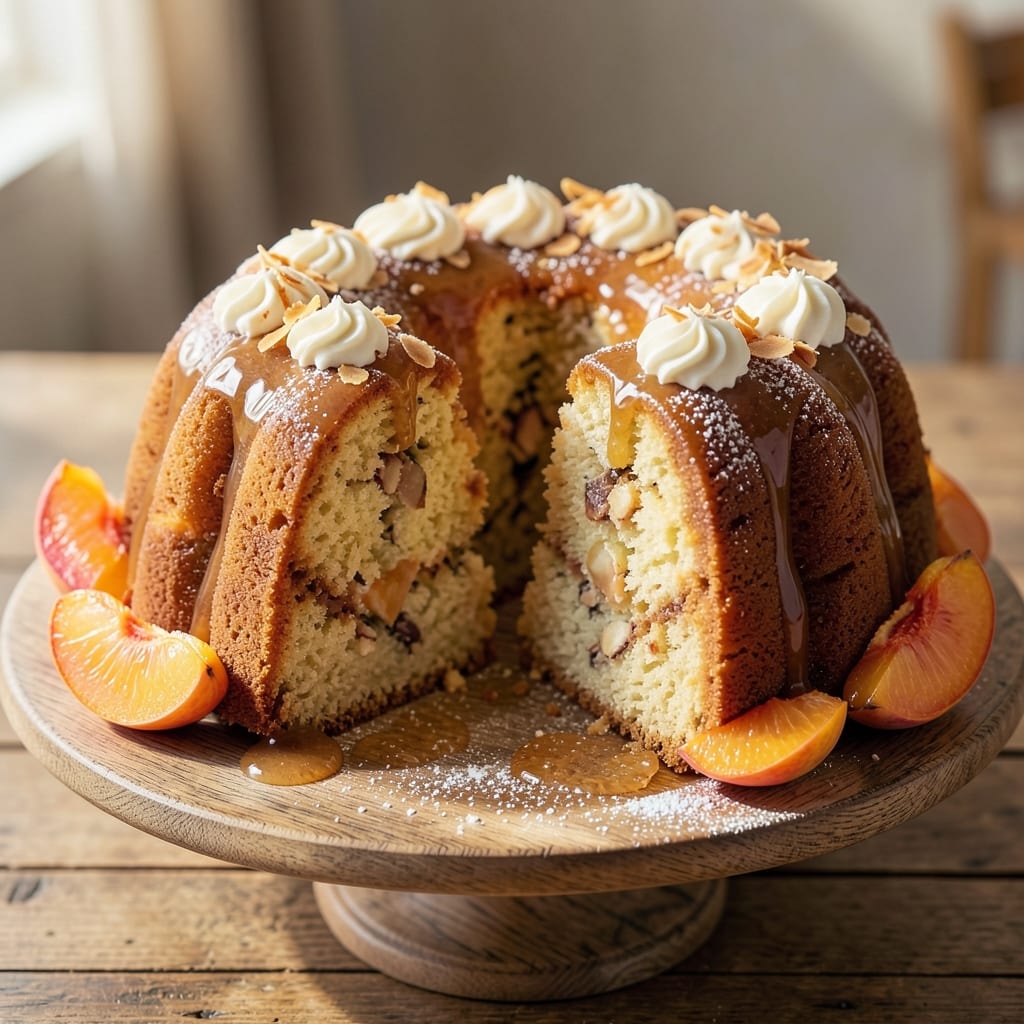
This apricot nectar bundt cake delivers a perfect balance of moist crumb, tender fruit filling, and warm spice notes that make it the star of any dessert table. 🌟 The secret lies in using high-quality apricot nectar—not jam—which creates a luscious, juicy center that contrasts beautifully with the lightly spiced cake batter. I developed this recipe after years of testing, and it consistently produces that signature tender crumb with just the right amount of moisture.
The cake's magic comes from a combination of simple techniques: folding the nectar into the batter for even distribution, using a light hand with the flour to maintain tenderness, and baking at the right temperature to ensure even rise. The warm spices—cinnamon, nutmeg, and cardamom—add depth without overpowering the natural sweetness of the apricots, creating a flavor profile that's both comforting and sophisticated.
What you'll end up with is a cake that's perfectly golden on the outside, with a moist interior that's lightly speckled with fruit throughout. The nectar filling stays juicy and tender, not dry, and the spice notes linger on the palate with each bite. This is the kind of dessert that feels special enough for company but simple enough for a weeknight treat.
The bundt shape makes it perfect for serving—elegant enough for gatherings but practical for sharing. Once you try this version, you'll never go back to store-bought apricot cakes again. Here's everything you need to make it at home!
Ingredients for apricot nectar bundt cake
Juicy apricot nectar meets warm spices in this perfect bundt cake—simple ingredients for an unforgettable dessert.
| Ingredient | Amount | Notes |
|---|---|---|
| All-Purpose Flour 🌾 | 2 ½ cups | Sifted for light texture |
| Granulated Sugar 🍚 | 2 cups | White or light brown |
| Apricot Nectar 🍑 | 1 ½ cups | High-quality, not jam |
| Unsalted Butter 🧈 | 1 cup | Room temperature, full-fat |
| Large Eggs 🥚 | 3 whole | Room temperature, beaten |
| Milk 🥛 | 1 cup | Whole milk preferred |
| Vanilla Extract 🌿 | 2 tsp | Pure vanilla preferred |
| Ground Cinnamon 🌶️ | 1 ½ tsp | Freshly ground preferred |
| Ground Nutmeg 🌿 | ½ tsp | Freshly grated preferred |
| Ground Cardamom 🌶️ | ½ tsp | Lightly toasted for depth |
| Baking Powder 🍞 | 1 ½ tsp | Aluminum-free preferred |
| Salt 🧂 | ½ tsp | Fine sea salt preferred |
| Powdered Sugar 🍚 | 1 cup | For dusting, sifted |
The apricot nectar is non-negotiable here—look for the thick, syrupy kind in the baking aisle, not the chunky jam. Trader Joe's and Whole Foods carry the best brands, but any high-quality nectar works. For the spices, Penzeys or bulk bins at natural markets give you the freshest grind. Cardamom can be tricky to find, but most Latin markets or specialty stores stock it. If you can't find cardamom, double the cinnamon—it's still delicious, just slightly different. The butter should be soft enough to press with a finger but not melted—room temperature is key for that tender crumb.
No vanilla extract? Vanilla bean paste works just as well, or even a scraped vanilla bean. Running short on milk? Heavy cream or buttermilk both work, but adjust the baking powder slightly if using buttermilk. For the powdered sugar, sift it before dusting—it makes all the difference when serving. The nectar can be substituted with apricot jam thinned with water in a pinch, but it won't be as juicy. If you're feeling adventurous, add a splash of orange liqueur to the batter for a sophisticated twist.
Store the cake in an airtight container at room temperature for up to 3 days, or in the fridge for 5 days if you're making it ahead. The nectar filling stays juicy for 2 days at room temperature, so plan accordingly. For serving, dust with powdered sugar right before cutting—it adds that restaurant-quality finish. Leftovers? Toast slices lightly to revive the texture. This cake freezes beautifully too—wrap tightly and it'll keep for 3 months.
Why You'll Love This Recipe
- No Mixer Needed: That creamy apricot nectar does all the work—just whisk eggs and butter, fold in dry ingredients, and pour. No electric mixer, no stress, just a smooth batter that practically pours itself into the Bundt pan.
- Sunshine in Every Bite: The nectar’s natural sweetness and tang cut through the richness of the butter, while the eggs give it that tender, almost custardy crumb. It’s like summer in cake form—bright, fruity, and impossible to resist.
- Weekday Hero: Slice it for breakfast with yogurt, pack it for lunch, or serve it at brunch with coffee. The cake keeps well for days, so you’re never stuck scrambling for dessert when you’ve got better things to do.
- Pantry Staple Magic: You’re already using flour, sugar, and butter—now you’ve got a showstopper dessert with just one extra ingredient. Apricot nectar is cheap, shelf-stable, and turns this into a cake that’s always worth making.
Step-by-step instructions for warm apricot nectar bundt cake
Here's how to create a moist, fragrant cake with a juicy apricot center that stays tender for days.
👨🍳 Step 1: Prepare the Dry and Wet Ingredients
In a medium bowl, sift together the 2.5 cups all-purpose flour, 1.5 tsp baking powder, 1.5 tsp ground cinnamon, 0.5 tsp ground nutmeg, 0.5 tsp ground cardamom, and 0.5 tsp salt. Set aside—this keeps the flour light and prevents lumps. In a separate large bowl, cream together the 1 cup unsalted butter (room temperature) and 2 cups granulated sugar using an electric mixer on medium speed for 3-4 minutes until light and fluffy.
This creaming process incorporates air, which gives your cake that perfect rise and tender crumb. I like to scrape down the sides of the bowl every minute or so to make sure everything gets fully incorporated. The mixture should look pale and nearly double in volume when you're done.
🍳 Step 2: Combine Wet Ingredients and Fold in Dry Mixture
Add the 3 whole large eggs one at a time, mixing well after each addition. Then stir in the 1 cup milk, 2 tsp vanilla extract, and 1.5 cups apricot nectar. The apricot nectar gives this cake its signature juicy center—don't substitute with jam or juice, as the texture will be completely different.
With the mixer on low speed, gradually add the sifted dry ingredients to the wet mixture. Mix just until combined—you should still see some flour streaks. Overmixing develops gluten and can make your cake tough. Once fully incorporated, fold in any remaining apricot nectar from the bowl to ensure even distribution throughout the batter.
🥘 Step 3: Bake to Golden Perfection
Preheat your oven to 350°F and grease a 10-cup Bundt pan thoroughly with butter or baking spray. Pour the batter into the prepared pan and smooth the top. Bake for 50-55 minutes until a toothpick inserted in the center comes out clean. The cake should be golden brown on top, and you'll notice the edges pull away slightly from the pan.
Here's the thing—apricot nectar cakes can sometimes develop a slightly sticky texture if overbaked. That's why I recommend checking at the 45-minute mark and giving it another 5-10 minutes if needed. The cake continues cooking as it sits in the pan, so it's better to pull it out when it's just slightly underdone than to risk drying it out.
⏰ Step 4: Cool and Dust with Powdered Sugar
Allow the cake to cool in the pan for 15 minutes before carefully inverting it onto a wire rack. This gradual cooling prevents the cake from cracking. Once completely cooled, dust generously with 1 cup powdered sugar using a fine-mesh sieve. The powdered sugar adds that beautiful finishing touch and complements the warm spices perfectly.
For the ultimate experience, serve slices warm with a dollop of whipped cream or a scoop of vanilla ice cream. The contrast of warm cake with cool topping is what makes this dessert truly special. Store any leftovers in an airtight container at room temperature for up to 3 days—it actually gets better as the flavors meld together!
Pro Tips For Making Apricot Nectar Bundt Cake
- Whisk Butter First: Melt the butter and let it cool to room temp before mixing—this keeps the batter smooth and prevents lumps. I used to toss in cold butter straight from the fridge, and the cake turned out greasy and uneven. Trust me, this small step makes a real difference in texture.
- Reduce Nectar Heat: Simmer the apricot nectar until it’s thickened but not syrupy—about 3-4 minutes on medium. Over-reducing it turns the cake dense and cloying. I learned this after a batch tasted like overcooked jam instead of a bright, fruity cake.
- Don’t Overmix Dry Ingredients: Fold the flour into the wet mixture just until combined—overmixing develops gluten and makes the cake tough. I’ve ruined enough bundts by beating the batter like I was kneading dough. Stop when the flour disappears, and the cake will stay tender.
- Test for Doneness Early: Check the cake at 45 minutes—it’ll pull away from the sides but still look slightly underdone. Apricot nectar cakes can dry out fast, so pull it out when the center is springy but not jiggly. (Yes, even if the recipe says 50 minutes.)
Storing and reheating this recipe
Room-Temp Storage
Keep your apricot nectar bundt cake at room temperature in an airtight container for up to 3 days. The nectar filling stays juiciest when stored this way, and the spices continue to mellow beautifully. I always use glass containers with tight-sealing lids—they preserve moisture better than plastic. Just let the cake sit at room temperature for 30 minutes before slicing to restore that perfect texture. 🌟
Fridge Preservation
For longer storage, refrigerate the cake in an airtight container for up to 5 days. The cold slows down moisture loss, but the cake may dry out slightly. To revive it, wrap slices in a damp paper towel and warm them in the microwave for 10-15 seconds before serving. The nectar filling remains tender but may thicken slightly—just a splash of warm water on the plate helps restore its juiciness. ❄️
Freezing for Later
Freeze your bundt cake for up to 3 months by wrapping it tightly in plastic wrap, then placing it in a freezer bag with all air removed. Thaw overnight in the fridge before serving—never microwave directly from frozen, as this can make the cake gummy. For best results, slice the cake before freezing and store individual portions. This way, you can enjoy fresh slices without thawing the whole cake. 🧊
Reheating Leftovers
Revive stale slices by warming them in a 350°F oven for 5-8 minutes or until heated through. For microwave reheating, place a slice on a plate with a damp paper towel and heat on 50% power for 15-20 seconds. Avoid overdoing it—the cake’s moisture is delicate. A quick warm-up brings back that fresh-baked aroma and tender crumb. 🔥
Dusting Before Serving
Always dust the cake with powdered sugar right before serving—this adds that restaurant-quality finish and prevents the cake from drying out. Use a fine-mesh sieve for an even coat. If storing dusted cake, place a parchment paper barrier between layers in the container to keep the sugar from sticking. The sugar also helps preserve the cake’s moisture for up to 24 hours after dusting. ✨
Make-Ahead Tips
Bake the cake 1 day ahead of serving for even better flavor development. Store it at room temperature in an airtight container and dust with powdered sugar just before serving. If making it 2 days ahead, refrigerate and bring to room temperature before serving. The flavors deepen over time, making it perfect for holiday gatherings or special occasions. 📅
Nutrition facts
Frequently asked questions
Can I substitute apricot nectar with apricot jam?
While you can use apricot jam, it won't give the same juicy center. Jam is thicker and contains fruit pieces that won't distribute evenly in the batter. If substituting, thin 1.5 cups jam with 2 tablespoons water and strain out any chunks. The texture will be slightly denser but still delicious.
Why does my bundt cake crack on top?
Cracking usually happens from sudden temperature changes or overbaking. Let the cake cool in the pan for 15 minutes before inverting, and avoid opening the oven door too early. If it cracks, dust with extra powdered sugar—it hides cracks beautifully! For prevention, bake at 350°F and check at 45 minutes.
What's the best way to serve this cake?
Serve warm slices with vanilla ice cream or whipped cream for contrast. The warm spices and juicy nectar shine when paired with cool dairy. For a special touch, drizzle with warmed apricot glaze (mix 1/2 cup powdered sugar with 1 tbsp milk) or sprinkle with toasted sliced almonds.
Can I make this cake gluten-free?
Yes, but the texture will differ. Replace the all-purpose flour with a 1:1 gluten-free baking blend (like Bob's Red Mill) plus 1/2 tsp xanthan gum. Add 2 tbsp extra milk to compensate for dryness. Expect a slightly denser crumb, but the flavor remains excellent. Always test with a small batch first!
How do I know when the cake is fully baked?
The cake is done when a toothpick inserted in the center comes out clean (or with a few moist crumbs). The edges should pull away slightly from the pan, and the top should be golden brown. For apricot nectar cakes, the internal temperature should reach 205-210°F. Overbaking makes the cake dry—trust the toothpick test!