
Desserts
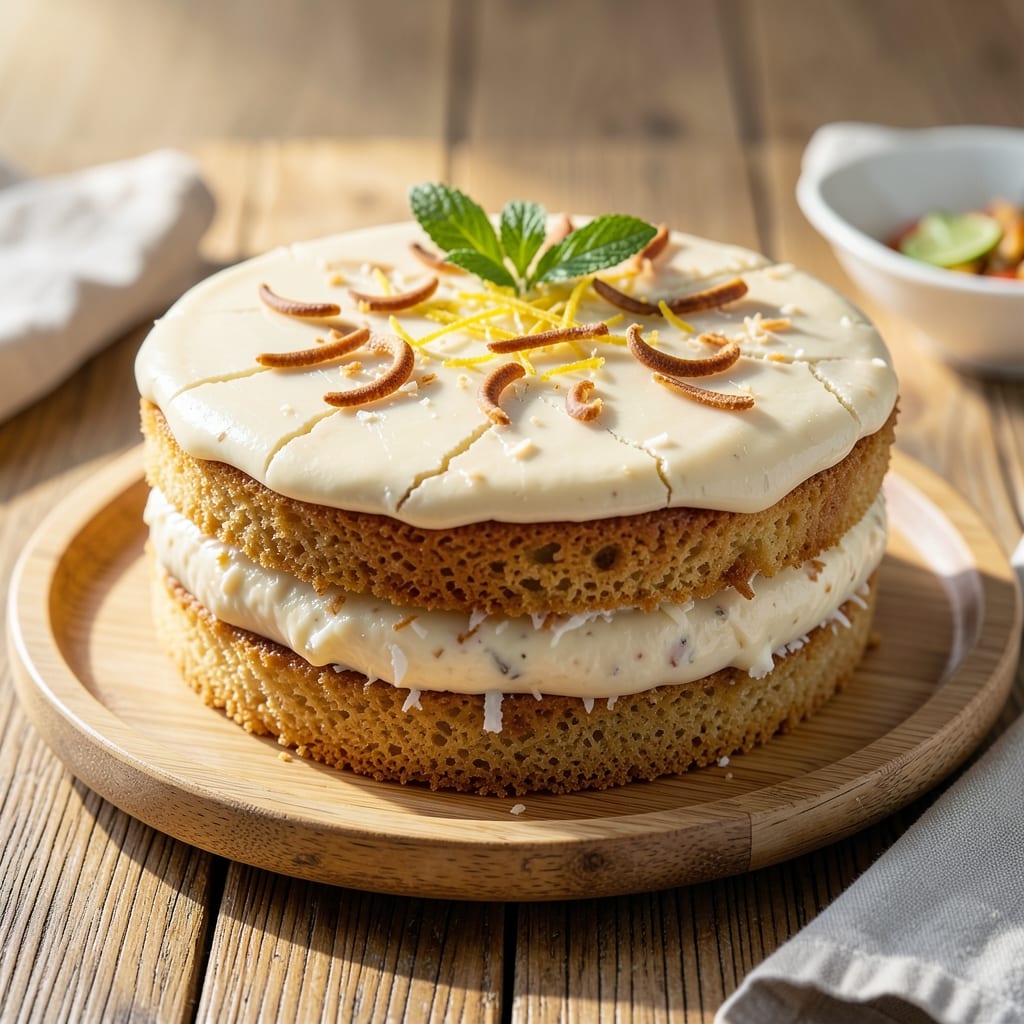
This Asian coconut cake delivers tropical moisture with a toasty crunch that balances sweetness and texture perfectly. 🌴 The secret lies in a simple batter enriched with coconut milk and shredded coconut, baked until golden yet still tender inside. I developed this recipe after testing countless variations, ensuring every slice stays moist for days—no dry crumbs here. The cake's magic comes from two key techniques: first, folding in toasted coconut for extra flavor and texture, and second, using coconut milk instead of water to keep it rich and moist. Regional versions like Filipino bibingka or Thai coconut cake inspired this adaptation, blending familiar comfort with a tropical twist. What you'll end up with is a cake that's densely moist with pockets of caramelized coconut throughout, topped with a golden crust that cracks slightly when cut. The aroma alone will transport you to a tropical paradise, and the taste? Pure comfort with a vacation vibe. Perfect for celebrations or a cozy dessert night, this cake requires just one bowl and 30 minutes of prep. Let's bake this tropical masterpiece!
Ingredients for asian coconut cake
Tropical flavors meet simple baking in this coconut dream—just 12 ingredients for pure comfort.
| Ingredient | Amount | Notes |
|---|---|---|
| All-Purpose Flour 🌾 | 2 ½ cups | Sifted for light texture |
| Granulated Sugar 🍚 | 2 cups | White or light brown |
| Unsalted Butter 🧈 | 1 cup | Room temperature, softened |
| Coconut Milk 🥥 | 13 ½ oz | Full-fat canned variety |
| Shredded Coconut 🥥 | 2 cups | Sweetened, toasted lightly |
| Large Eggs 🥚 | 3 whole | Room temperature |
| Vanilla Extract 🌿 | 2 tsp | Pure vanilla preferred |
| Baking Powder 🧂 | 2 tsp | Diamond Crystal preferred |
| Salt 🧂 | ½ tsp | Fine sea salt |
| Baking Soda 🧂 | ½ tsp | Freshly opened |
| Milk 🥛 | ½ cup | Any variety for moisture |
| Lemon Juice 🍋 | 1 tbsp | Freshly squeezed |
The coconut milk is non-negotiable—full-fat canned gives that rich, creamy texture. Grab the Thai Kitchen or Goya brands at most grocery stores; they're reliable and widely available. Toasting your shredded coconut (just 5 minutes in a dry pan) deepens the flavor and adds that perfect crunch. Costco sells it pre-toasted if you're short on time, but toasting it yourself makes all the difference. For the butter, don't melt it—just soften it to room temperature so it mixes smoothly into the batter without turning greasy.
No full-fat coconut milk? Light coconut milk plus 2 tbsp extra butter works in a pinch, though the texture won't be quite as rich. Swap the sweetened coconut for unsweetened and add 1 tbsp sugar if needed. Running low on vanilla? Vanilla bean paste gives even more flavor—just use 1.5 tsp. The baking powder and soda are your leavening duo; if you're using double-acting baking powder, no need to adjust. For the milk, any kind works, but whole milk gives the best moisture. No fresh lemon juice? Bottled lemon juice is fine, but add a pinch of salt to balance the flavor.
This batter keeps in the fridge for 3 days if you want to prep ahead—just bake straight from the cold. The cake stays moist for 4-5 days at room temperature, though it's best eaten within 2 days for peak texture. For leftovers, store in an airtight container with a damp paper towel to keep it from drying out. Freeze slices for up to 3 months—just thaw at room temperature before serving. The toasted coconut on top can be stored separately in a jar for up to 2 weeks.
Why You'll Love This Recipe
- No Mixer Needed: I swear by this recipe when I’m too tired to cream butter and sugar—just fold the dry ingredients into melted butter until it’s almost crumbly. The coconut milk keeps it tender without extra fuss.
- Tropical Comfort: That first bite of warm cake with the toasted shredded coconut on top? It’s like a hug in dessert form. The butter and sugar balance the coconut milk’s richness, so it’s never cloying—just ridiculously good.
- Party in a Pan: Serve it warm with a scoop of vanilla ice cream for a crowd, or slice it cold for potlucks. Honestly, I’ve even packed it in lunchboxes—kids love the sweetness, and it’s sturdy enough to handle.
- Budget Magic: Coconut milk and shredded coconut might sound fancy, but a can and a bag last ages. I stretch this recipe to feed six for under $8, and leftovers? They disappear faster than my willpower.
Step-by-step instructions for Asian coconut cake
Here's how to create a perfectly moist cake with that signature toasty coconut crunch.
👨🍳 Step 1: Prepare the Coconut Milk and Toast the Coconut
Open the can of 13.5 oz coconut milk and scoop out ½ cup of the thick cream from the top. Set aside the remaining coconut milk for later. In a dry skillet over medium-low heat, toast the 2 cups shredded coconut for 3-4 minutes until golden and fragrant.
I like to stir constantly so it doesn't burn—you're looking for a toasted coconut aroma that fills your kitchen. Remove from heat and let cool slightly. This toasting step is what gives the cake that irresistible crunchy texture. Keep the toasted coconut in a bowl for now.
👨🍳 Step 2: Cream Butter and Sugar Together
In a large mixing bowl, beat the 1 cup softened unsalted butter and 2 cups granulated sugar together on medium speed for 3-4 minutes until light and fluffy. You'll see the mixture nearly double in volume and become pale in color.
This creaming process incorporates air, which creates that tender crumb we're after. Scrape down the sides of the bowl with a spatula every 30 seconds to ensure everything gets properly mixed. The butter should be completely smooth with no lumps remaining.
👨🍳 Step 3: Add Eggs and Wet Ingredients
Add the 3 whole large eggs one at a time, mixing well after each addition. Then stir in the 2 tsp vanilla extract, the ½ cup milk, and the 1 tbsp freshly squeezed lemon juice. Mix until just combined—don't overmix or the cake will be dense.
The lemon juice might seem unusual, but it brightens the coconut flavor and helps balance the sweetness. The mixture should be smooth and slightly thick. In a separate bowl, whisk together the 2.5 cups sifted all-purpose flour, 2 tsp baking powder, ½ tsp salt, and ½ tsp baking soda.
🥘 Step 4: Combine Wet and Dry Ingredients
Gradually add the dry ingredients to the wet mixture, mixing on low speed just until combined. Be careful not to overmix—stop as soon as you see no more flour streaks. Gently fold in the ½ cup coconut cream you reserved earlier, then fold in the toasted shredded coconut.
Here's the thing—folding gently is key. You want to maintain as much air as possible in the batter. If you overmix, you'll end up with a dense cake instead of that light, airy texture. The batter should be thick but pourable—like cookie dough consistency.
🔥 Step 5: Bake to Golden Perfection
Preheat your oven to 350°F and grease two 9-inch round cake pans. Divide the batter evenly between the pans and smooth the tops. Bake for 30-35 minutes or until a toothpick inserted in the center comes out clean.
I check for doneness at the 25-minute mark—your oven might run hot, so start checking early. The edges should be golden brown while the center still looks slightly underdone. Let the cakes cool in the pans for 10 minutes, then transfer to a wire rack to cool completely.
Pro Tips For Making Asian Coconut Cake
- Preheat Pan Properly: Coconut cakes stick when the pan’s too cold—trust me, I’ve pried them off more times than I’d admit. Heat your baking dish with the oven for 5 minutes before adding batter. The slight residue from the preheat keeps the cake from clinging, especially if you’re using a nonstick pan that’s seen better days.
- Toast the Coconut: Skip this, and your cake’s texture will feel sad—damp and heavy instead of light and crisp. Dry-toast the shredded coconut in a separate pan over medium-low for 3–4 minutes until it smells nutty and turns a deeper gold. Stir constantly or it’ll burn before it’s done. (Yes, even if you’re impatient like me.)
- Whisk Coconut Milk: That can of coconut milk separates fast—and nothing ruins a cake like curdled streaks in the middle. Before measuring, give the can a vigorous shake (or whisk the liquid part if you’re using the carton). If you’re lazy, at least whisk the thick cream into the liquid until smooth before adding it to the batter.
- Don’t Overmix the Batter: I used to beat this batter like I was punishing it, and the result? A dense, tough cake that tasted more like glue than coconut. Mix the dry ingredients and wet ingredients separately first, then combine with just 10–12 strokes of a spatula—until barely combined. Lumps are fine; overmixing is the real enemy.
Troubleshooting perfect results
Dry Cake Fix
If your cake turns out dry, it’s usually because the batter was overmixed or baked too long. To salvage it, slice the cake horizontally and spread a thin layer of warm coconut milk between the layers. Let it sit for 10 minutes before serving—this adds moisture without making it soggy. For next time, check the oven temperature with an oven thermometer—many home ovens run 25°F hotter than set. 🌡️
Cracked Top Solutions
Cracks on top happen when the cake bakes too fast or the oven is too hot. To prevent this, bake at 325°F instead of 350°F and tent the pans with aluminum foil after 20 minutes to slow the browning. If cracks already appear, don’t worry—just brush them with a simple glaze (mix ½ cup powdered sugar with 1 tbsp coconut milk) to disguise them while adding sweetness.
Uneven Baking
Uneven baking often means your oven has hot spots or the pans weren’t placed correctly. Rotate the pans halfway through baking (after 15-17 minutes) for even heat distribution. If one side is underbaked, tent it with foil to prevent over-browning while the center finishes. A wire rack in the middle rack ensures the most even heat circulation. 🔥
Batter Too Thin
If your batter is too runny, it might be because the coconut milk wasn’t chilled or the butter wasn’t softened enough. To fix it, let the batter rest for 10 minutes before baking—this helps thicken it slightly. If it’s still too thin, add 1-2 tbsp more flour (sifted) and fold gently. For future bakes, chill the batter for 30 minutes before pouring into pans for a thicker consistency.
Soggy Bottom
A soggy bottom occurs when the cake steams too much in the pan. To prevent this, always grease the pans thoroughly with butter and dust with flour or coconut flour for extra insurance. Bake on the middle rack (not the bottom) to avoid direct heat. If it happens, slice off the bottom layer and serve the rest—it’ll still taste delicious! For extra insurance, bake on a silicon baking mat lined with parchment paper.
No Rise at All
If your cake doesn’t rise, check your leavening agents first. Make sure your baking powder and baking soda are fresh—old powder loses its lift. Also, ensure your eggs are room temperature (cold eggs won’t incorporate air properly). For a quick test, mix 1 tsp baking powder with ¼ cup hot water—it should fizz vigorously. If not, replace it! 💡
Nutrition facts
Frequently asked questions
Can I make this cake without coconut milk?
You can substitute with 1 cup whole milk plus 2 tbsp melted butter, but the texture won't be as rich. For a closer match, use 1 cup light coconut milk plus 2 tbsp extra butter—this keeps the flavor profile while maintaining moisture. The toasted coconut still gives that signature crunch even without coconut milk.
How do I know when the cake is fully baked?
Insert a toothpick into the center—it should come out with a few moist crumbs, not wet batter. The edges should be golden brown while the center still looks slightly underdone. Tap the top gently: a fully baked cake will feel springy, not jiggly.
What's the difference between this cake and Filipino bibingka?
This recipe is a Western-style cake with coconut milk and butter, while bibingka uses rice flour and is steamed or baked in clay pots. Bibingka also includes ginger and salted egg for a savory-sweet balance. This cake is sweeter, denser, and more like a tropical pound cake with coconut crunch.
Can I use almond milk instead of regular milk?
Yes, but expect a slightly less moist texture since almond milk has less fat. Use ½ cup almond milk plus 1 tbsp melted butter to compensate. For best results, stick with whole milk or coconut milk—they create that signature rich, creamy mouthfeel. The flavor difference is minimal, but the texture will be noticeably lighter.
How should I store leftovers for maximum freshness?
Wrap the cake tightly in plastic wrap and store at room temperature for up to 3 days. For longer storage, slice and freeze individual portions for up to 3 months. To keep it moist, place a damp paper towel between layers if stacking. The toasted coconut stays crisp for days, but the cake itself is best enjoyed within 2 days for peak tenderness.