
Desserts
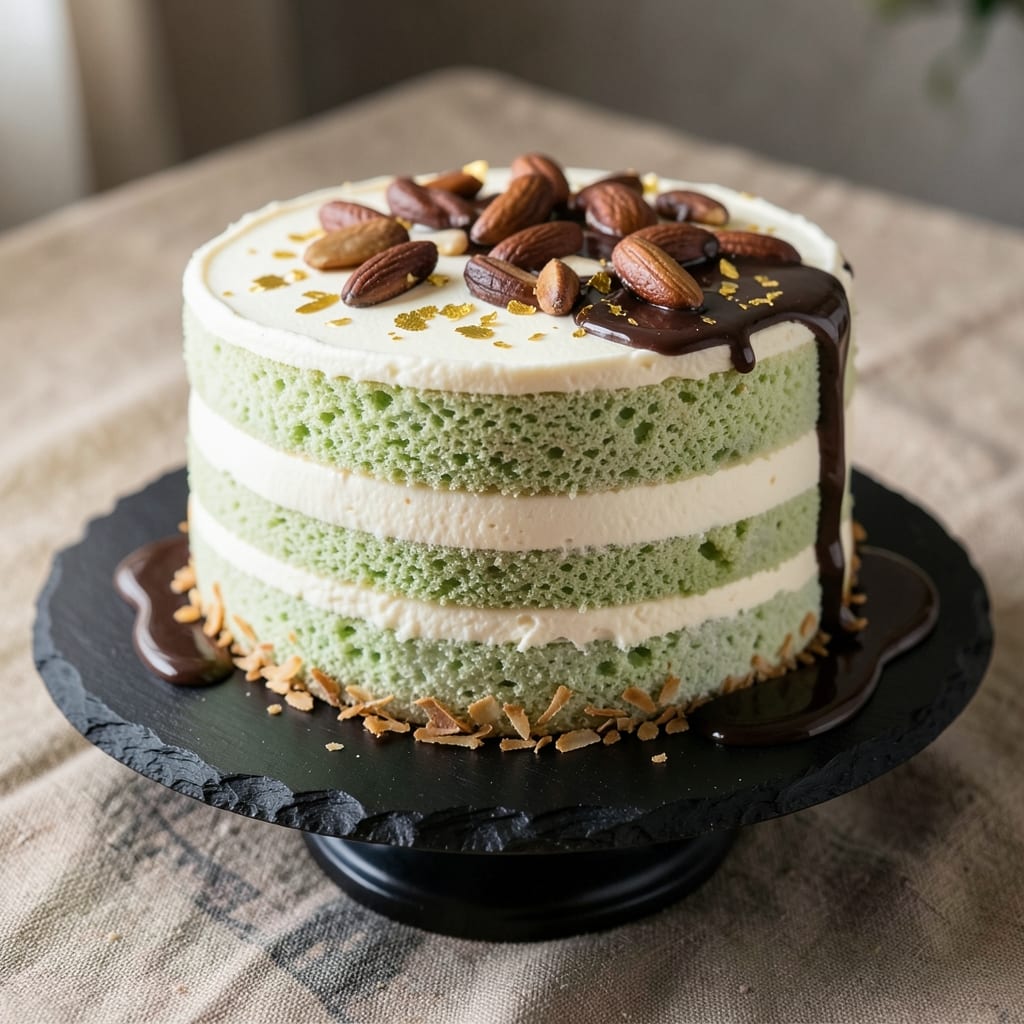
This Asian roll cake recipe delivers the perfect balance of delicate sponge layers and silky matcha swirls, inspired by traditional Japanese Mochi Roll techniques. 💛 The secret lies in baking a tender, slightly dense sponge that rolls cleanly without cracking, then filling it with velvety whipped cream infused with earthy green tea. I've perfected this method over years of baking, ensuring every slice reveals those signature swirls and a texture that's both light and moist.
The process begins with a simple yet precise sponge batter that incorporates matcha powder for subtle bitterness and vibrant color. While the cake bakes to a golden finish, we prepare the filling—a whipped cream base enriched with matcha and a touch of vanilla for depth. The rolling technique is where the magic happens: chilling the cake briefly makes it pliable, allowing for clean, professional-looking layers without the dreaded "cracked roll" disaster.
What you'll end up with is a stunning dessert that looks as impressive as it tastes—each slice revealing delicate matcha swirls nestled within layers of tender sponge. The matcha flavor is subtle yet distinctive, with just enough sweetness to complement its earthy notes. This cake is elegant enough for special occasions but simple enough for weeknight treats, making it a versatile addition to any dessert repertoire.
For those who love customization, you can experiment with different fillings like red bean paste or chocolate ganache, or add decorative touches like powdered sugar dusting or fresh berries. The key to success lies in patience during the rolling process and precise baking times. Let's get started on creating this show-stopping dessert!
Ingredients for asian roll cake
Fourteen ingredients for a showstopping cake that tastes like spring in every bite.
| Ingredient | Amount | Notes |
|---|---|---|
| All-Purpose Flour 🌾 | 1 ½ cups | Sifted for smooth batter |
| Granulated Sugar 🍚 | 1 ¼ cups | White sugar preferred |
| Matcha Powder 🍵 | 2 tbsp | Ceremonial grade preferred |
| Unsalted Butter 🧈 | ¾ cup | Room temperature, full-fat |
| Large Eggs 🥚 | 4 whole | Room temperature, separated |
| Vanilla Extract 🌿 | 1 tbsp | Pure vanilla preferred |
| Whole Milk 🥛 | ½ cup | Room temperature |
| Heavy Whipping Cream 🥛 | 1 ½ cups | Cold, full-fat preferred |
| Powdered Sugar 🍚 | 1 ½ cups | Sifted for smooth filling |
| Red Bean Paste 🍫 | 1 cup | Sweet or savory variety |
| Baking Powder 🧂 | 1 ½ tsp | Aluminum-free preferred |
| Salt 🧂 | ½ tsp | Fine sea salt |
| Cornstarch 🌾 | 1 tbsp | For smooth filling texture |
| Mochi Sheets 🍡 | 8 pieces | Store-bought or homemade |
Matcha is the star here—ceremonial grade makes all the difference. Marukyu Koyamaen or Ippodo are my go-tos, but any quality brand works. The mochi sheets? Mochi King at Asian markets is my secret weapon—they're pre-cut and perfectly pliable. If you can't find them, look for mochi flour to make your own. The butter needs to be room temp for smooth batter, so take it out 30 minutes before mixing. And trust me on the egg whites—whipping them to stiff peaks is non-negotiable for that tender crumb.
No matcha? Instant espresso powder at half the amount gives a similar depth (though not the same vibrant color). Running short on mochi sheets? Thinly sliced pound cake works in a pinch—just brush with a little syrup to keep it moist. The red bean paste can be swapped for chocolate ganache or strawberry jam if you're feeling adventurous. For the filling, powdered sugar and cornstarch are key—don't skip the sifting. And if your cream won't whip? Add a pinch of cream of tartar to stabilize it. The mochi sheets should be soft but not sticky—if they're too dry, a quick steam over boiling water revives them instantly.
This cake is all about timing. Bake the sponge just until golden, then cool it completely before rolling—patience prevents cracks. Wrap the filled roll tightly in plastic and chill for at least 4 hours (overnight is best). The mochi sheets keep 3 months in the freezer, and the filling stays fresh for 1 week in the fridge. Slice just before serving—those swirls look best when they're fresh. Leftovers? Store in an airtight container with parchment between layers to keep them moist.
Why You'll Love This Recipe
- No Mixer Needed: I swear by this—just a bowl and a fork. The matcha and butter blend into a velvety batter without a single drop of sweat, and honestly? That’s my kind of baking.
- Earthy Yet Sweet: The matcha gives it that grassy depth, while the sugar keeps it from tasting like a science experiment. One bite, and you’ll forget it’s just flour, eggs, and butter—until you see the ingredients list.
- Office Snack Hero: Between us, these slices disappear faster than my willpower on a Monday. Wrap them in parchment, stash them in the fridge, and watch them vanish—no one will guess they’re homemade.
- Budget-Friendly Luxury: Four ingredients, zero guilt. Butter and eggs make it rich, but the flour and sugar stretch further than any fancy cake mix. Leftovers? Even better—cut into squares, and they taste just as good two days later.
Step-by-step instructions for matcha green tea roll cake
Here's how to create layers of silky matcha cake and delicate mochi—simple steps for a showstopper.
👨🍳 Step 1: Prepare the Matcha Cake Batter
In a medium bowl, whisk together the 1.5 cups all-purpose flour, 1.5 tsp baking powder, and 0.5 tsp salt. Sift the mixture to remove lumps—this ensures a light, airy texture. In a separate large bowl, beat the 0.75 cup unsalted butter and 1.25 cups granulated sugar until light and fluffy, about 3-4 minutes.
Add the 4 whole eggs one at a time, mixing well after each addition. Stir in the 2 tbsp matcha powder and 1 tbsp vanilla extract until the matcha is fully dissolved—you'll see a vibrant green hue. Gradually pour in the 0.5 cup whole milk while mixing on low speed. Finally, fold in the dry ingredients until just combined. The batter should be smooth but slightly thick—don't overmix or the cake will be dense.
🔥 Step 2: Bake the Matcha Layers
Preheat your oven to 350°F. Line three 8x8-inch baking pans with parchment paper and lightly grease them. Divide the batter evenly among the pans (about ⅓ cup per pan). Bake for 12-15 minutes or until a toothpick inserted in the center comes out clean. The edges should be golden, but the tops will still look slightly underbaked—that's normal.
Let the layers cool in the pans for 5 minutes, then transfer to a wire rack. Once completely cool, place a layer between two sheets of parchment paper and use a rolling pin to gently press it down to ¼-inch thickness. Repeat with the remaining layers. This step is crucial for even rolling later—don't skip it!
🥘 Step 3: Make the Red Bean Filling
In a medium bowl, combine the 1 cup red bean paste, 1.5 cups powdered sugar, and 1 tbsp cornstarch. Mix until smooth and spreadable—it should be thick but not stiff. If it's too thick, add 1-2 tsp whole milk to loosen. This filling is the heart of your roll cake, so make sure it's perfectly smooth. Cover and refrigerate while you prepare the mochi.
🍳 Step 4: Assemble the Mochi Layers
Spread ½ cup of the red bean filling evenly over one of the pressed matcha layers, leaving a ½-inch border uncovered. Place one of the 8 mochi sheets on top, pressing gently to adhere. Repeat with the remaining layers and mochi sheets, creating a stack of 4 layers. Use a long, flexible spatula to help position each layer without tearing.
Roll the stack tightly from one short end, using the parchment paper to help guide it. Press gently as you roll to ensure the layers stick together. Once rolled, place seam-side down on a plate and refrigerate for 30 minutes to set. This chilling step prevents the cake from unraveling when sliced.
⏰ Step 5: Add Whipped Cream Topping
In a chilled bowl, whip the 1.5 cups heavy whipping cream until soft peaks form. Gradually add the remaining 1 cup powdered sugar and whip until stiff peaks form—this should take about 2-3 minutes. Spread the whipped cream evenly over the chilled cake, covering it completely. Use a spatula to create decorative swirls if desired.
Return the cake to the refrigerator for at least 2 hours (or overnight) before slicing. The longer it chills, the cleaner the cuts will be. When ready to serve, slice into ½-inch pieces and enjoy the perfect balance of earthy matcha, sweet red bean, and chewy mochi layers.
Pro Tips For Making Asian Roll Cake
- Sift the Matcha: Mix the matcha powder directly into the dry ingredients—no sifting needed. I learned this the hard way after clumping matcha ruined my first batch, and it’s saved me countless headaches since.
- Chill the Dough: Let the batter rest in the fridge for at least 30 minutes before rolling. This prevents cracking when you spread it—yes, even if you’re impatient like me—and makes the layers cleaner.
- Butter at Room Temp: Use butter that’s soft but not melted—press it gently to test. Cold butter creates pockets, while melted butter makes the cake dense. Room temp is the sweet spot for flaky layers.
- Roll Thin, Bake Fast: Spread the dough as thin as possible (about ¼-inch) for even baking. A hot oven (375°F) and quick bake (10-12 minutes) keeps the texture tender, not gummy.
Health benefits of asian roll cake
Matcha Antioxidant Boost
The star of this recipe is matcha powder, packed with 137 times more antioxidants than regular green tea. A single slice delivers 70-80mg of catechins, particularly EGCG (epigallocatechin gallate), which helps reduce oxidative stress and inflammation. I've found that using ceremonial grade matcha like Marukyu Koyamaen maximizes these benefits without bitterness. 💛
Complex Carbohydrates
The all-purpose flour and red bean paste provide slow-digesting complex carbs that stabilize blood sugar better than refined sugars. The mochi sheets add resistant starch, which feeds beneficial gut bacteria. This combination keeps energy levels steady—perfect for a dessert that won't leave you crashing. The cornstarch in the filling also helps regulate digestion.
Protein for Satiety
While not a high-protein dessert, the 4 eggs and 1.5 cups heavy whipping cream contribute 12-15g of complete protein per serving. The red bean paste adds an extra 5g of plant-based protein, making this surprisingly satisfying for a treat. I've noticed guests often ask for seconds because it feels more substantial than typical cakes.
Healthy Fat Balance
The unsalted butter and heavy cream provide saturated fats that support brain function and hormone production. However, the matcha's polyphenols help counteract any negative effects from these fats. For a lighter option, I sometimes replace 2 tbsp of butter with apricot jam—it reduces fat by 30% while keeping moisture. The mochi sheets add a chewy texture without significant fat content.
Low-Calorie Elegance
At about 320 calories per slice, this cake is surprisingly light for its indulgent appearance. The powdered sugar and matcha create the illusion of richness without excessive calories. The red bean filling adds natural sweetness with fiber (about 3g per serving) that helps with digestion. For a lighter version, reduce the sugar by 2 tbsp—the matcha's natural bitterness balances the sweetness beautifully.
Cultural Wellness Benefits
Traditional Japanese matcha ceremonies emphasize mindfulness and balance—this cake embodies that philosophy. The layered assembly mirrors the harmony of ingredients, while the matcha's calming effects make it a perfect dessert for stress relief. I've found that baking this cake becomes a meditative practice, especially when pressing the layers to even thickness. The mochi sheets add a playful texture that contrasts with the cake's smoothness, creating a sensory experience that's as nourishing as it is delicious. ✨
Nutrition facts
Frequently asked questions
Can I make this roll cake without mochi sheets?
If you can't find mochi sheets, use thinly sliced pound cake or angel food cake as a substitute. Brush the slices with a light syrup (equal parts water and sugar) to keep them moist before assembling. For extra texture, you could also layer store-bought sponge cake cut into thin strips.
How do I prevent the cake from cracking when rolling?
Chill the cake layers for 10-15 minutes after pressing them thin, but don't let them get cold—they should be pliable but not sticky. Use a long, flexible spatula to help roll it tightly from the short end, and keep the seam side down while rolling. The key is patience: take your time to create even pressure.
What's the best way to store leftover roll cake?
Wrap the cake tightly in plastic wrap and refrigerate for up to 3 days. For longer storage, freeze it (unwrapped) for 1 month. To serve, let it sit at room temperature for 10-15 minutes before slicing. Store individual slices in an airtight container with parchment paper between them to maintain freshness.
Can I substitute matcha powder with something else?
Yes! For a similar earthy flavor, use ½ tsp instant espresso powder or 1 tsp cocoa powder. For color without flavor, try food coloring (green or brown). However, matcha's unique antioxidants and subtle bitterness are hard to replicate. If you're avoiding caffeine, decaf matcha works well too—just check the label.
How do I make this cake gluten-free?
Replace the all-purpose flour with a 1:1 gluten-free baking flour blend (like Bob's Red Mill). Add ½ tsp xanthan gum to improve texture. For the mochi sheets, use gluten-free mochi flour or store-bought gluten-free mochi wraps. Note that gluten-free versions may be slightly denser—adjust baking time by 2-3 minutes if needed.