
Desserts
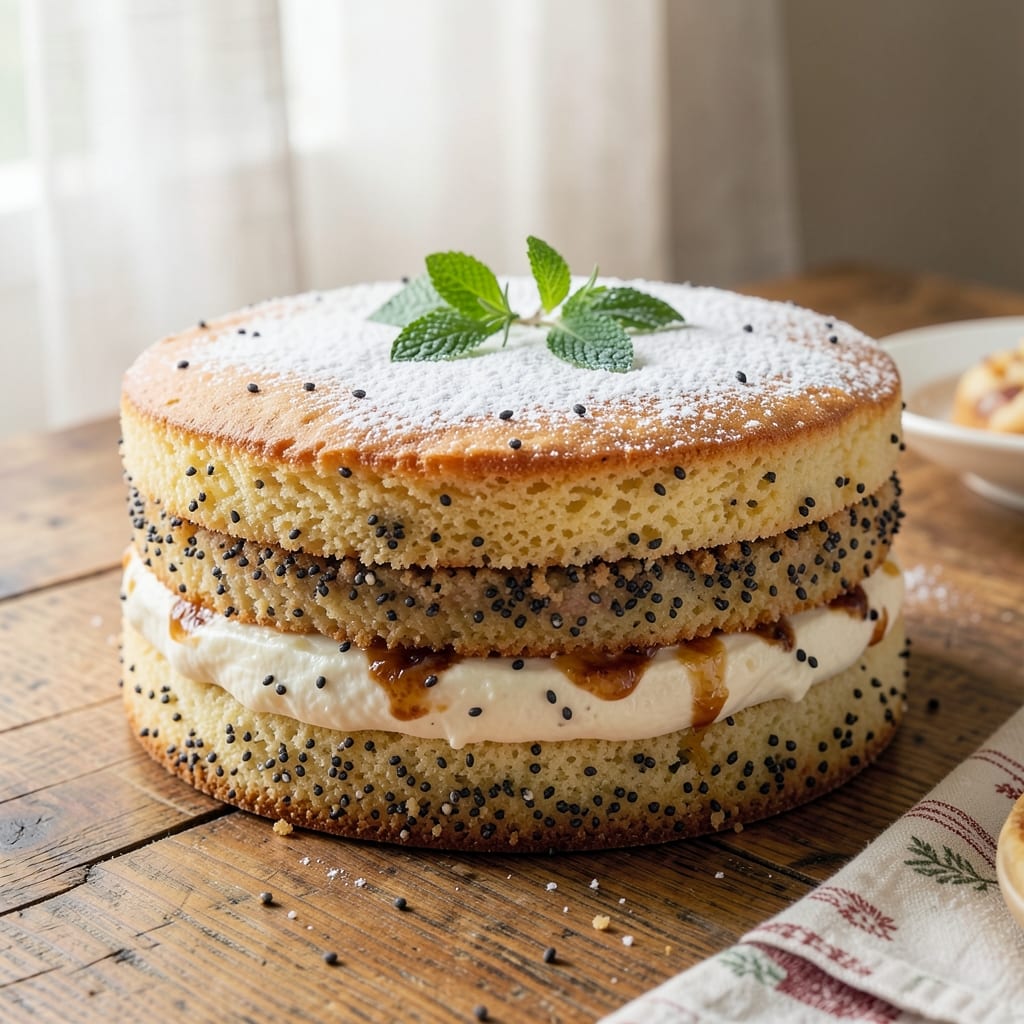
Austrian poppy seed cake delivers a perfect balance of nutty crunch and bright citrus notes that make every slice unforgettable. This recipe captures the essence of Austrian baking traditions with its signature poppy seed filling and tender vanilla cake layers. The secret lies in the precise ratio of ingredients and the gentle baking process that ensures a moist, flavorful result.
What sets this cake apart is the combination of warm vanilla, zesty lemon zest, and the distinctive nutty flavor of poppy seeds. The cake layers are light and tender, while the filling provides a satisfying crunch that keeps you reaching for another piece. Each element comes together to create a dessert that feels both comforting and special.
Baking this cake requires attention to detail, particularly when it comes to oven temperature and baking time. A perfectly baked Austrian poppy seed cake should emerge golden and inviting, with a moist interior that holds up beautifully after slicing. The result is a dessert that's elegant enough for celebrations but simple enough for a weeknight treat.
Once baked, you have options for finishing—whether dusting with powdered sugar for a classic touch or adding a light glaze for extra shine. The cake pairs wonderfully with a cup of coffee or tea, making it an ideal choice for any gathering or quiet afternoon indulgence. Let's get started on creating this timeless dessert.
Ingredients for austrian poppy seed cake
Eight simple ingredients transform into layers of nutty crunch and citrus brightness.
| Ingredient | Amount | Notes |
|---|---|---|
| All-Purpose Flour 🌾 | 3 ½ cups | Sifted for light texture |
| Granulated Sugar 🍚 | 2 cups | Superfine preferred |
| Unsalted Butter 🧈 | 1 ½ cups | Cold, cubed for creaming |
| Large Eggs 🥚 | 4 whole | Room temperature |
| Pure Vanilla Extract 🌸 | 2 tsp | High-quality preferred |
| Poppy Seeds 🌱 | 1 ½ cups | Lightly toasted |
| Powdered Sugar 🍚 | 1 cup | For filling and dusting |
| Lemon Zest 🍋 | 1 tbsp | From 1 large lemon |
| Lemon Juice 🍋 | 2 tbsp | Freshly squeezed |
| Heavy Cream 🥛 | ½ cup | Cold for filling |
| Baking Powder 🧂 | 2 tsp | Aluminum-free |
| Salt 🧂 | ½ tsp | Fine sea salt |
| Rum Extract 🍷 | 1 tsp | Optional for depth |
The poppy seeds are the heart of this cake—look for high-quality seeds at specialty stores like Whole Foods or bulk bins. Toasting them lightly in a dry pan (just until fragrant) enhances their nutty flavor. For the butter, European-style brands like Plugrá add richness, but any good-quality unsalted butter works. The lemon zest should be vibrant—zest only the yellow part, avoiding the bitter white pith. If you can't find fresh lemons, bottled lemon juice works in a pinch, but the zest is harder to substitute.
No vanilla extract? Vanilla bean paste or even a scraped vanilla bean works beautifully. For a dairy-free option, substitute coconut oil for butter (reduce by 1 tbsp) and use coconut cream instead of heavy cream. The rum extract is optional but adds depth—Kahlúa or a good-quality dark rum are ideal. If you prefer a sweeter cake, increase the sugar by 2 tbsp, but the original ratio balances perfectly with the citrus and poppy seeds. For the powdered sugar filling, sift it well to avoid lumps, and chill the filling for 30 minutes before spreading for easier handling.
Store the cake layers wrapped in plastic at room temperature for up to 3 days, or freeze for 3 months. The filling can be made a day ahead and kept refrigerated. To assemble, layer the cake with filling between each, then dust the top with powdered sugar. This cake keeps its moisture well, so it actually improves overnight—the flavors meld beautifully. For extra shine, brush the top with a simple glaze made of 1 tbsp powdered sugar plus 1 tsp lemon juice before serving.
Why You'll Love This Recipe
- No-Mix Magic: The batter comes together faster than you can cream butter and sugar—just fold, pour, bake. No stand mixer required (though it helps if you’re feeling fancy). Honestly, I’ve made this with one hand while holding my toddler with the other.
- Butter-Sugar Bliss: That rich, buttery crumb? It’s the secret weapon. The vanilla extract cuts through the sweetness just enough, while the poppy seeds add a nutty crunch that makes every bite feel like a little European café treat. (Yes, even on a Tuesday night.)
- Slice It Any Way: Perfect for breakfast with coffee, a midday snack, or a fancy dessert when you’re hosting. I’ve even packed it for picnics—it holds up better than store-bought pastries, and no one guesses it’s homemade.
- Budget-Friendly Luxury: Uses pantry staples (flour, sugar, butter) and stretches into multiple servings. The eggs add richness without breaking the bank, and leftovers? They disappear in days—my husband’s favorite for lunchboxes. Not the prettiest, but the taste makes up for it.
Step-by-step instructions for Austrian poppy seed cake
Here's the method for a perfectly moist cake with that signature nutty crunch and bright citrus flavor.
Prepare the Dough with Cold Butter
In a stand mixer fitted with the paddle attachment, combine the 1.5 cups unsalted butter (cold and cubed) with the 2 cups granulated sugar. Beat on medium speed for 3-4 minutes until light and fluffy—the mixture should nearly double in volume and become pale. This creaming process incorporates air, which creates that tender crumb texture we want.
Add the 4 whole large eggs one at a time, mixing well after each addition. Scrape down the sides of the bowl as needed. Stir in the 2 tsp pure vanilla extract and the 1 tsp rum extract (if using) until fully incorporated. The rum adds depth of flavor without overpowering the citrus notes. Set this mixture aside while you prepare the dry ingredients.
Combine Dry Ingredients and Fold in Poppy Seeds
In a separate bowl, whisk together the 3.5 cups all-purpose flour, 2 tsp baking powder, and 0.5 tsp salt. Sift the flour mixture directly into the wet ingredients, mixing on low speed for 30 seconds until just combined. Avoid overmixing—you should still see small flour streaks. This prevents a tough cake.
Remove the bowl from the mixer and gently fold in the 1.5 cups poppy seeds using a silicone spatula. The seeds should be evenly distributed throughout the dough. Here's the thing—don't skip toasting the poppy seeds first. Lightly toasting them in a dry pan for 2-3 minutes until fragrant enhances their nutty flavor dramatically. Let them cool before adding to the dough.
Prepare the Lemon Filling
In a small bowl, whisk together the 1 cup powdered sugar, 0.5 cup heavy cream, 2 tbsp lemon juice, and 1 tbsp lemon zest until smooth. This bright citrus filling is what makes this cake truly Austrian. The combination of lemon juice and zest creates a perfect balance of tangy and aromatic notes that complement the nutty poppy seeds.
Taste the filling mixture—it should be sweet enough to balance the cake's richness but still have that fresh lemon zing. If needed, adjust the powdered sugar slightly to achieve this balance. Cover the bowl and refrigerate the filling while you bake the cake layers.
Bake the Cake Layers
Preheat your oven to 350°F and grease two 9-inch round cake pans, lining the bottoms with parchment paper. Divide the prepared dough evenly between the two pans. Bake for 25-30 minutes, or until a toothpick inserted into the center comes out clean. The cake should be golden on top but still slightly springy to the touch.
I know it seems counterintuitive, but don't overbake. The cake continues cooking as it cools, and overbaking leads to a dry texture. Once done, remove from the oven and let the cakes cool in their pans for 10 minutes, then transfer to a wire rack to cool completely. This cooling step is crucial—it prevents the filling from making the cake soggy.
Assemble and Frost the Cake
Once both cake layers are completely cool, level the tops if necessary. Place one layer on a cake stand or plate. Spread half of the lemon filling evenly over the top, then place the second cake layer on top. Spread the remaining filling over the top and sides of the cake.
To create the signature Austrian finish, dust the entire cake generously with additional powdered sugar using a fine-mesh sieve. This step not only adds to the presentation but also helps balance the flavors with a touch of sweetness. Slice and serve immediately to enjoy that perfect combination of moist cake, nutty poppy seeds, and bright citrus filling.
Pro Tips For Making Austrian Poppy Seed Cake
- Cream Butter Properly: Austrian poppy seed cake relies on that signature tender crumb, so don’t just mix the butter and sugar—actually work it. Use a stand mixer with the paddle attachment and beat on medium-high for 3-4 minutes until the butter looks fluffy and pale. I used to rush this, and the cake always ended up dense. Trust me, your arms will thank you later.
- Sift the Flour Twice: Poppy seeds are heavy, and they’ll weigh down your batter if they’re not evenly distributed. Sift the dry ingredients (flour, baking powder, salt) directly into the bowl before adding the poppy seeds, then sift them in separately. This keeps the texture light and prevents clumps—no one wants a cake that tastes like a brick.
- Don’t Overmix the Batter: The moment your batter looks smooth and uniform, stop. Overmixing develops the gluten, and that’s how you end up with a tough, chewy cake instead of the delicate layers you want. Fold in the poppy seeds and any fillings gently—just until combined. I’ve ruined cakes by turning them into bread. You’ve been warned.
- Bake Until Springy: The cake’s done when the edges pull away from the pan and a toothpick comes out with a few moist crumbs—but the center springs back when pressed. Ovens vary, so start checking at 25 minutes (if your recipe says 30-35). If it’s browning too fast, tent it with foil early. Better to underbake slightly than burn the top.
Serving suggestions for this austrian poppy seed cake
Classic Coffee Pairing
This cake pairs beautifully with a cup of Viennese melange or Austrian breakfast coffee—both rich and aromatic enough to complement the nutty poppy seeds without overpowering the citrus notes. I love serving it with a dark roast like Kaffee Hag or a medium roast from local specialty shops. The caffeine helps cut through the richness, making each bite feel lighter. ☕
Tea Time Elegance
For an afternoon tea service, serve slices with Earl Grey tea or chamomile tea to contrast the cake's richness. The bergamot in Earl Grey enhances the lemon zest flavors, while chamomile adds a soothing floral note. Keep the tea lightly sweetened to let the cake's natural flavors shine. A small plate with butter cookies on the side completes the Austrian-inspired tea set.
Fruit Complements
Add a fresh fruit platter with strawberries or raspberries to balance the cake's sweetness. The tartness of the berries contrasts beautifully with the poppy seeds and lemon filling. For a more traditional touch, serve with sliced apples lightly dusted with cinnamon sugar. The apples' crisp texture and warm spice complement the cake's moist layers. 🍓
Warm Spiced Wine
Warm up a glass of Austrian red wine like Blaufränkisch or Grüner Veltliner to serve alongside the cake. The wine's earthy notes pair wonderfully with the poppy seeds, while its acidity cuts through the richness. For a non-alcoholic option, try mulled apple cider spiced with cinnamon and cloves—it adds warmth and coziness to the dessert experience.
Presentation Tips
Slice the cake into even wedges using a serrated knife for clean edges. Dust each slice with an extra pinch of powdered sugar before serving to enhance the visual appeal. For a restaurant-style presentation, arrange slices on a marble slab or wooden board with fresh mint leaves scattered around. Serve with gold leaf for a touch of elegance if entertaining guests.
Make-Ahead Serving
This cake actually tastes better the next day, so it's perfect for make-ahead desserts. Store leftovers in an airtight container at room temperature for up to 3 days. To reheat, warm slices in the oven at 300°F for 5-7 minutes to restore moisture. For a quick serving, dust with powdered sugar and pair with a freshly brewed cup of coffee or tea—your guests will never know it's not freshly baked! ✨
Nutrition facts
Frequently asked questions
Why does this cake need toasted poppy seeds?
Toasting the poppy seeds brings out their natural nutty flavor and removes any raw taste. Lightly toasting them in a dry pan for 2-3 minutes until fragrant enhances the overall taste of the cake. This simple step makes a big difference in the final texture and flavor!
Can I substitute poppy seeds with another nut?
While poppy seeds are essential for the authentic Austrian flavor, you can experiment with 1/2 cup chopped walnuts or almonds if needed. However, the texture will be different—nuts add chewiness while poppy seeds provide a delicate crunch. The lemon filling won't taste the same without the poppy seeds' unique nuttiness.
How do I prevent the cake from drying out?
Don't overbake! Remove the cake from the oven when a toothpick comes out clean (around 25-30 minutes at 350°F). Let it cool completely before assembling, and store it in an airtight container at room temperature. The cake actually improves overnight as the flavors meld. For extra moisture, brush the top with simple syrup before serving.
Is there a gluten-free version of this recipe?
Yes! Replace the all-purpose flour with a 1:1 gluten-free baking flour blend (like Bob's Red Mill) and add 1/2 tsp xanthan gum to improve texture. You may need to reduce the sugar slightly since gluten-free flours often absorb moisture differently. The cake will be less tender but still delicious.
What's the best way to store leftovers?
Wrap individual slices in plastic wrap or store the whole cake in an airtight container at room temperature for up to 3 days. For longer storage, freeze slices for up to 3 months. To reheat, warm in the oven at 300°F for 5-7 minutes—this restores moisture without drying it out.