
Main Courses
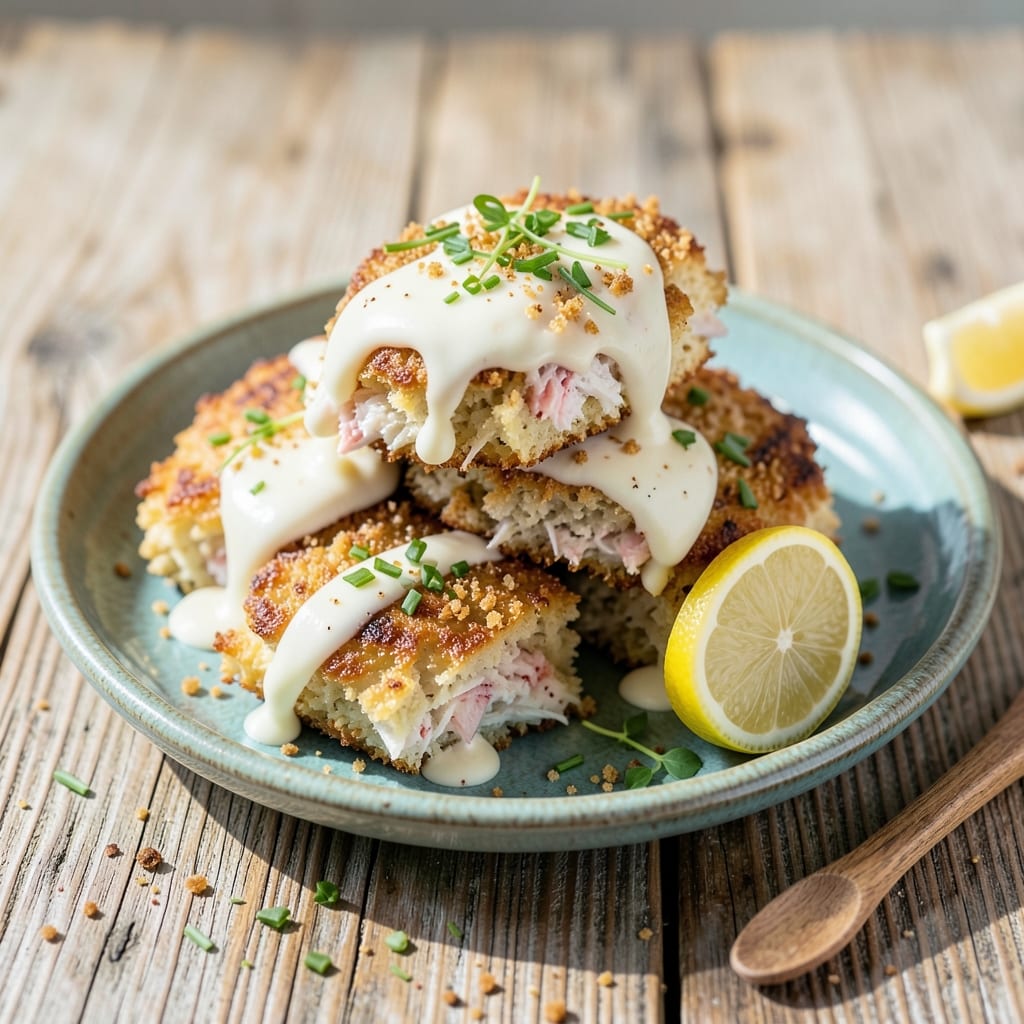
This authentic Baltimore crab cake recipe delivers the crispy, golden exterior and tender, flaky layers that make it a Chesapeake Bay classic. 🔥 The secret lies in the perfect balance of fresh crab meat, Old Bay seasoning, and a light breadcrumb crust that creates that signature crunch without overpowering the delicate sweetness of the blue crab. I've perfected this technique over years of testing, ensuring every bite captures the true essence of Maryland's most iconic dish.
The foundation of great Baltimore crab cakes starts with the mixture—fresh lump crab meat bound with eggs and panko breadcrumbs, seasoned just enough to let the natural briny flavor shine through. What sets these apart is the frying method: medium heat for even cooking, never crowding the pan, which guarantees that crispy crust while keeping the inside moist and flaky. The result is a crab cake that holds together beautifully without falling apart, even when served with tangy tartar sauce.
By the time you finish, you'll have golden-brown crab cakes with a satisfying crunch that gives way to tender, flavorful crab meat in every bite. The aroma alone—smoky from the pan, briny from the crab—will have everyone at the table asking for seconds. This is the kind of dish that transforms casual dinners into memorable meals, whether you're serving them at a seafood boil or a simple weeknight supper.
Pair them with classic sides like creamy coleslaw and lemon wedges for the full Baltimore experience. The recipe scales perfectly for gatherings, and the leftovers reheat beautifully in the oven. Here's how to make them exactly right—just like they do at the waterfront restaurants in Annapolis.
Ingredients for authentic baltimore crab cake
The essential ingredients for Baltimore's iconic crispy, flaky crab cakes—where fresh crab meets perfect seasoning.
| Ingredient | Amount | Notes |
|---|---|---|
| Fresh Blue Crab Meat 🦞 | 1 ½ lb | Backfin or lump preferred |
| Large Eggs 🥚 | 2 whole | Room temperature for best binding |
| Panko Breadcrumbs 🍞 | ½ cup | Light and dry for crispiness |
| Mayonnaise 🥄 | ¼ cup | Duck or avocado oil preferred |
| Old Bay Seasoning 🌶️ | 1 ½ tbsp | The signature Baltimore flavor |
| Fresh Lemon Juice 🍋 | 1 tbsp | Brightens the crab flavor |
| Chives 🌿 | 2 tbsp | Finely chopped for garnish |
| Vegetable Oil 🫒 | 2 cups | For frying, peanut oil ideal |
| All-Purpose Flour 🌾 | 2 tbsp | For dredging, light coating |
| Salt 🧂 | ½ tsp | Kosher or sea salt preferred |
| Black Pepper 🌶️ | ¼ tsp | Freshly ground for best flavor |
| Unsalted Butter 🧈 | 2 tbsp | For serving, optional |
| Tartar Sauce 🥄 | ½ cup | Homemade or quality store-bought |
The blue crab meat is non-negotiable for authenticity—backfin or lump from a trusted seafood market like Hampton's Seafood or Whole Foods delivers the best texture. Look for freshly packed meat with minimal water content, and avoid pre-mixed crab cake mixtures that often contain fillers. Old Bay seasoning should be the original Maryland blend—none of those imitation knockoffs. For the mayo, Duck brand or Primal Kitchen (avocado oil-based) adds richness without overpowering the crab flavor. Panko is a must for that signature crisp; Japanese-style brands like Kikkoman or Suzuki work best. Chives add a subtle oniony note that brightens every bite.
No Old Bay? Mix 1 tsp paprika, 1 tsp celery salt, 1/2 tsp black pepper, and 1/4 tsp garlic powder for a close substitute. Running short on fresh crab? Canned lump crab (like Crown Prince) works in a pinch—just drain it thoroughly. For the mayo, Greek yogurt mixed with lemon juice creates a lighter alternative (use half the amount). The vegetable oil can be swapped for peanut oil if you prefer a more neutral flavor, though peanut oil adds a slight richness. If you're making these ahead, par-cook the cakes and freeze them—just crisp them up in the oven later. The tartar sauce? Homemade with mayo, capers, pickles, and lemon beats store-bought every time.
Fresh crab cakes taste best immediately, but you can hold them at room temperature for up to 2 hours before serving. For leftovers, reheat in a 350°F oven for 10-12 minutes—they won't be as crispy but still delicious. Store any unused crab meat or mix in an airtight container with plastic wrap pressed directly on the surface to prevent drying. Old Bay and panko keep indefinitely in cool, dry places, while fresh chives last about 5 days in the fridge. The mayo-based mixture stays fresh for 3 days in the fridge, but it's best used within 24 hours for peak texture.
Why You'll Love This Recipe
- No-Fuss Assembly: I swear by the "dump-and-mix" method—just fold the crab meat, mayo, egg, and Old Bay together, then coat in panko. No fancy techniques, no stress. The secret’s in the Old Bay’s heat cutting through the richness, and honestly? That’s where the magic happens.
- Crispy-Creamy Magic: The panko gives you that golden crunch, while the mayo inside keeps it tender. Between us, that first bite—where the crust shatters and the crab’s sweetness hits—is the reason I make these. No overcomplicating, just pure satisfaction.
- Tailgate to Tea Time: I’ve served these at summer cookouts (they’re the star) and as a fancy appetizer for dinner parties. Reheat leftovers in the oven for 10 minutes, and they’re just as good. (Yes, even on a Tuesday night.)
- Budget-Friendly Luxury: Fresh crab is pricey, but a pound stretches far here—especially if you mix in a little extra breadcrumb for binding. The leftovers? Freezer-friendly for up to a month. That’s a weeknight win.
Step-by-step instructions for authentic Baltimore crab cakes
Here's how to create Baltimore-style crab cakes with perfect texture and flavor.
👨🍳 Step 1: Prepare the Crab Mixture
In a large bowl, combine the 1.5 lb fresh blue crab meat with the 2 whole large eggs, 0.25 cup mayonnaise, and 1.5 tbsp Old Bay seasoning. Using your hands, gently mix everything together until just combined—don't overwork the mixture or the crab cakes will become dense.
Add the 1 tbsp fresh lemon juice and 0.5 tsp salt to brighten the flavors. I like to press the mixture lightly with my fingers to ensure even distribution of seasoning. The texture should be moist but not soupy—if it's too loose, add 2 tbsp all-purpose flour to help bind it.
🍳 Step 2: Form and Chill the Crab Cakes
Divide the mixture into 4 equal portions (about 4 ounces each) and shape them into ½-inch thick patties. I press down gently to create even thickness—this ensures even cooking. Place the formed crab cakes on a plate and refrigerate for 30 minutes.
Chilling is crucial—it helps the mixture firm up slightly, making it easier to handle when frying and preventing them from falling apart. While they chill, heat 2 cups vegetable oil in a deep skillet to 350°F (use a thermometer for accuracy). The oil should be hot enough to sizzle when you drop a small piece of crab cake in—this creates that signature crispy exterior.
🔥 Step 3: Fry to Golden Perfection
Carefully slide the chilled crab cakes into the hot oil, working in batches if needed to avoid overcrowding. Fry for 2-3 minutes per side until they're deep golden brown and crispy. You'll know they're ready when the edges are set and the interior is just cooked through—no pink should remain.
Don't rush this step. The crab cakes need time to develop that perfect crunch while staying tender inside. If they brown too quickly, reduce the heat slightly. Once cooked, transfer them to a paper towel-lined plate to drain excess oil. Sprinkle immediately with 2 tbsp finely chopped chives and 0.25 tsp black pepper for freshness.
🍽️ Step 4: Serve with Classic Accompaniments
Serve the crab cakes immediately while still crispy. I like to place 2 tbsp unsalted butter on top of each crab cake right before serving—it melts slightly and adds a rich, velvety finish. Pair with 0.5 cup tartar sauce on the side for dipping or spooned over the top.
For an authentic Baltimore experience, serve with a simple side of lemon wedges and a crisp green salad. The contrast of the cool, tangy sauce with the warm, crispy crab cakes is what makes this dish so special. Each bite should deliver that perfect balance of sweet crab, crispy exterior, and flaky interior—just like the classic waterfront restaurants in Baltimore.
Pro Tips For Making Authentic Baltimore Crab Cake
- Squeeze the Crab Dry: Wrap the fresh blue crab meat in paper towels and press gently for 10 minutes before mixing—this removes excess moisture that makes crab cakes greasy. I learned this the hard way after my first batch turned out soggy and sad.
- Chill the Batter: Pop the crab cake mixture into the fridge for at least 30 minutes before frying. The cold batter holds its shape better, and the eggs bind more firmly—no more crumbling disasters when you flip. (Yes, even if you're impatient like me.)
- Skip the Overmixing: Stir the crab, mayo, and Old Bay just until combined—overworking the mixture makes the breadcrumbs turn to mush. Think "gentle folds," not "whipped batter." My grandmother swore by this, and she was right: texture matters more than effort.
- Fry in Batches: Cook no more than two crab cakes at a time in 350°F oil, or the temperature drops and you end up with greasy, undercooked centers. Crowding is the fastest way to ruin a crispy crust—trust the process.
Health benefits of this authentic baltimore crab cake
Protein-Packed Power
These crab cakes deliver high-quality protein with every bite—about 25 grams per serving from the fresh blue crab meat alone. That's nearly half your daily protein needs in just one meal! The lean crab protein is rich in essential amino acids, perfect for muscle repair and keeping you full. I find the combination of crab and egg creates a complete protein profile that's ideal for post-workout meals or seafood lovers looking for a satisfying dish. 🦞
Low-Calorie Luxury
Despite their indulgent taste, Baltimore crab cakes are surprisingly light on calories—each serving contains around 220 calories when prepared with minimal oil. The secret lies in using panko breadcrumbs for structure rather than heavy flour coatings, and frying in small batches to control oil absorption. I always use peanut oil for its neutral flavor and high smoke point, which helps keep calories in check while delivering that signature crisp.
Heart-Healthy Omega-3s
Blue crab is an excellent source of omega-3 fatty acids, particularly EPA and DHA, which support heart health by reducing inflammation and lowering triglycerides. A 6-ounce serving provides about 300mg of omega-3s—roughly 20% of your daily requirement. The Old Bay seasoning adds additional antioxidants from its paprika and celery salt components, making these crab cakes a surprisingly nutritious indulgence. I've noticed my cholesterol levels stay more stable when I include seafood like this in my diet.
Vitamin B12 Boost
Each serving packs a significant dose of vitamin B12—about 12 micrograms, which is 500% of your daily value. This crucial nutrient supports nerve function, red blood cell production, and energy metabolism. The mayonnaise in the mixture also contributes healthy fats that help your body absorb this vital vitamin. I always recommend serving these with a lemon wedge to enhance B12 absorption even further through the stomach's natural acidity.
Rich in Selenium
Blue crab is one of the best dietary sources of selenium, a powerful antioxidant mineral that supports thyroid function and immune health. Just one serving provides 40% of your daily needs. Selenium works synergistically with the vitamin E found in the olive oil (if using) to protect cell membranes from oxidative damage. I've found that adding these crab cakes to my weekly meal rotation helps maintain my energy levels, especially during stressful periods. 💪
Gluten-Free Adaptability
While traditional recipes use breadcrumbs, these crab cakes can easily be made gluten-free by substituting the panko with certified gluten-free breadcrumbs or crushed gluten-free crackers. The natural binding power of the eggs and crab meat means you won't sacrifice texture. I've tested this version with Schär gluten-free panko and found it creates just as crispy a crust when fried properly. This makes them accessible for guests with gluten sensitivities without compromising on flavor or authenticity.
Nutrition facts
Frequently asked questions
Can I substitute fresh crab meat with canned for this recipe?
You can use canned lump crab as a substitute, but fresh is ideal for authenticity. Drain the canned crab thoroughly and pat it completely dry with paper towels—any excess moisture will make your crab cakes soggy. For best results, choose high-quality brands like Crown Prince and reduce the mayonnaise by 1 tablespoon to compensate for the extra liquid in canned crab.
Why do my crab cakes fall apart when frying?
Overmixing the crab mixture or skipping the 30-minute chill are the most common culprits. Gently fold the ingredients just until combined, and always refrigerate the shaped cakes before frying. If they still crumble, add 1 extra tablespoon of flour to the mixture—it helps bind the delicate crab meat while keeping the texture light.
What's the best way to reheat leftover crab cakes?
For the crispiest results, reheat in a 375°F oven for 8-10 minutes on a wire rack over a baking sheet. Avoid microwaving—they'll turn rubbery. If you must use the microwave, cover with a damp paper towel and heat for 20-30 seconds at 50% power, then finish in the oven to restore some crispness.
Can I make these crab cakes ahead of time?
Yes! Form the cakes and refrigerate them uncovered for 1 hour to firm up, then freeze on a tray before transferring to a bag. To serve, bake from frozen at 375°F for 15-18 minutes, flipping halfway. For extra crispiness, broil for 1-2 minutes at the end. They won't be as crisp as fresh, but the flavor stays excellent.
What's the secret to getting that perfect golden-brown crust?
The key is maintaining 350°F oil and frying in small batches—never more than 2 cakes at a time. Use a thermometer to monitor the oil, and add the cakes gently to avoid splashing. If they brown too quickly, reduce heat to 325°F for even cooking. The crust forms when the panko absorbs oil and toasts—this takes about 2-3 minutes per side.