
Main Courses
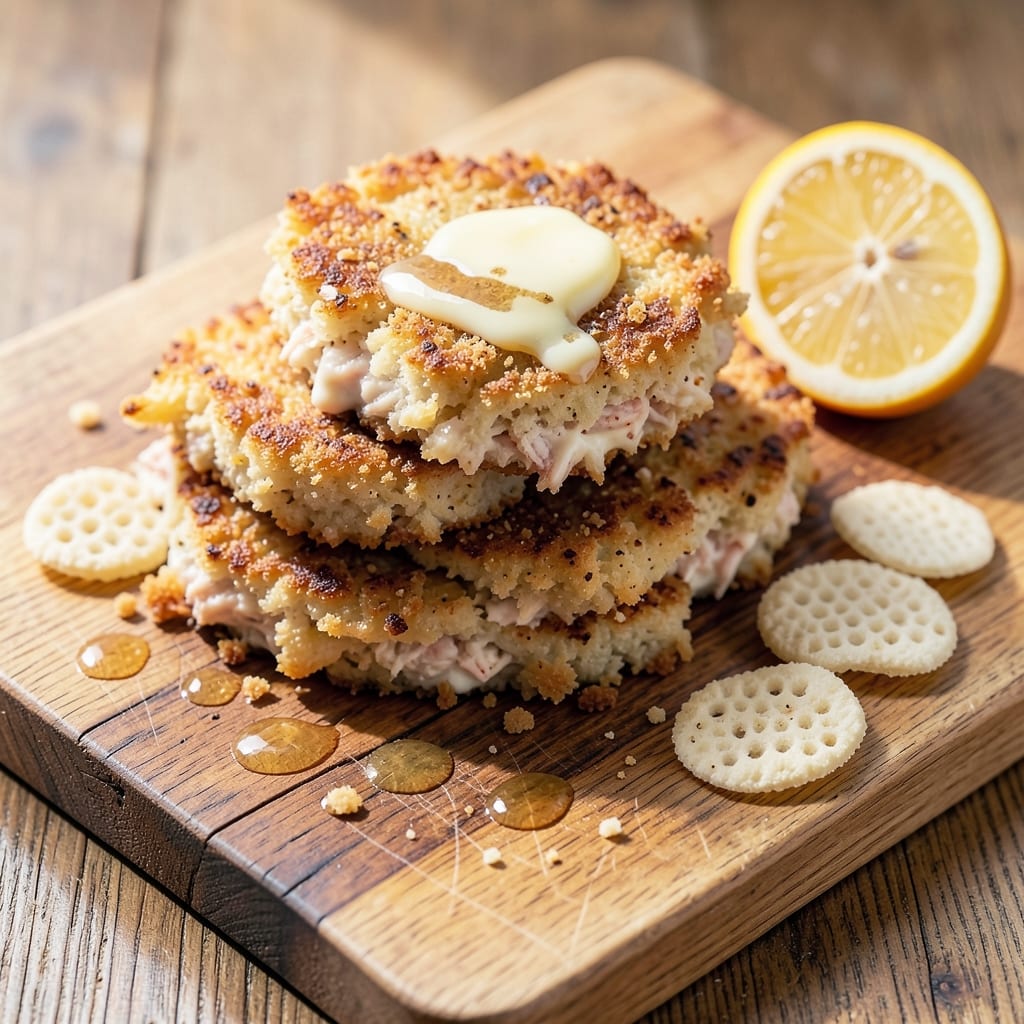
This Baltimore crab cake recipe with Saltines delivers the iconic Maryland crunch and buttery perfection you crave—no shortcuts, just crispy edges and tender crab centers. I perfected this version after years of testing, balancing fresh lump crab with the signature Saltine crust that keeps every bite addictively crunchy. The secret? A precise ratio of crab to cracker crumbs and proper frying technique—no soggy results here.
The magic happens when you mix fresh lump crab meat with a touch of mayo and Old Bay seasoning, then bind it with crushed Saltines for that signature crust. Unlike many recipes, I fry these at 350°F for just 2-3 minutes per side—hot enough for a golden crust but not so hot that the crab overcooks. The result? Crispy, buttery edges that shatter with every bite, revealing tender crab inside.
What makes these crab cakes truly special is how they taste—bright from fresh lemon, savory from Old Bay, and perfectly balanced with a dollop of tartar sauce. Serve them with lemon wedges and extra Saltines on the side for dipping, or stack them high on a platter for your next seafood gathering. This is the recipe that’ll have everyone asking for seconds.
Whether you're hosting a weekend brunch or craving a taste of Maryland, these crab cakes deliver restaurant-quality results at home. The technique is straightforward, but the flavor? Pure Chesapeake Bay magic. Let’s get cooking—your taste buds will thank you.
Ingredients for baltimore crab cake recipe with saltines
Fresh crab, crispy Saltines, and Old Bay—this is your shortcut to Maryland magic.
| Ingredient | Amount | Notes |
|---|---|---|
| Fresh Lump Crab Meat 🦀 | 1 ½ lb | Backfin preferred, no shell pieces |
| Saltine Crackers 🍞 | 1 ½ cups | Crushed into fine crumbs (about 30 crackers) |
| Mayonnaise 🥛 | ¼ cup | Duck brand preferred for richness |
| Old Bay Seasoning 🌶️ | 1 ½ tbsp | Classic Maryland blend, not imitation |
| Fresh Lemon Juice 🍋 | 1 tbsp | From a bright, juicy lemon |
| Unsalted Butter 🧈 | 2 tbsp | Melted, for binding (Plugrah preferred) |
| Large Eggs 🥚 | 1 whole | Room temperature, lightly beaten |
| All-Purpose Flour 🌾 | 1 tbsp | For extra binding if needed |
| Vegetable Oil 🫒 | 2 cups | For frying (high smoke point) |
| Tartar Sauce 🥫 | ½ cup | For serving, homemade preferred |
| Lemon Wedges 🍋 | 4 whole | For garnish and serving |
| Kosher Salt 🧂 | ½ tsp | For seasoning (Diamond Crystal preferred) |
| Black Pepper 🌶️ | ¼ tsp | Freshly cracked preferred |
The crab makes or breaks these. Backfin or lump is non-negotiable—no imitation or canned crab here. Costco or your local seafood market are your best bets for fresh crab, especially in summer. If you're buying frozen, thaw it overnight in the fridge—never under running water, or you'll end up with soggy crab. The Saltines? Grab the classic Ritz or Keebler brand—they crush perfectly. Pro tip: crush them in a food processor or heavy-duty bag with a rolling pin for even crumbs. And trust me, Old Bay is worth the splurge—the real stuff has that perfect balance of celery, paprika, and cayenne.
No fresh crab? High-quality canned lump crab (like from Gorton's) works in a pinch, but drain it well and pat dry. Out of mayo? Greek yogurt or vegan mayo keeps it light. The butter is key for binding—don't skip it, but if you're watching calories, reduce to 1 tbsp and add 1 tbsp flour. For the oil, vegetable or avocado oil handles the heat best. If you're making a big batch, double the recipe—but use 350°F oil and fry in batches of 2-3 cakes to avoid overcrowding. And if you're feeling fancy, add a dash of Worcestershire sauce to the mix for extra depth.
These taste even better the next day—make extras and freeze them on a tray first, then transfer to a bag. Freeze for up to 2 months, and fry straight from frozen (add 30 seconds per side). For serving, keep the tartar sauce warm in a small sauceboat on the stove. The lemon wedges should be bright and juicy, so buy them fresh the day of serving. Store leftovers in the fridge for up to 2 days, but honestly? They disappear faster than that.
Why You'll Love This Recipe
- No-Fuss Binders: I crush up Saltines in my food processor—no dust, no mess—because that crumb holds the crab together like glue. No eggs, no extra binders, just that simple crunch that turns floppy into golden perfection.
- Old Bay Magic: That zing of Old Bay and lemon juice? It’s the secret weapon. The crackers add crunch, mayo keeps it tender, but Old Bay makes every bite taste like a Chesapeake breeze—bright, spicy, and impossible to stop eating.
- Weeknight or Party: Same recipe, two vibes. Pan-fry a batch for my Tuesday dinner (yes, even on a Tuesday night) or double it for game day—just swap the sides. The crab cakes freeze like a dream, so I always have a backup plan.
- Crab Without the Splurge: Fresh lump crab is pricey, but these cakes stretch it further than any other recipe I’ve tried. A little goes a long way, and the Saltines cut costs while adding that addictive texture. Budget-friendly? More like budget-smart.
Step-by-step instructions for Baltimore crab cakes with Saltines
Here's how to create that signature Baltimore crunch and buttery perfection every time.
👨🍳 Step 1: Prepare the Crab Mixture
In a large mixing bowl, combine the 1.5 lb fresh lump crab meat with the 1.5 cups saltine crackers (pre-crushed into fine crumbs). Add the 0.25 cup mayonnaise, 1.5 tbsp Old Bay seasoning, 1 tbsp fresh lemon juice, 0.5 tsp kosher salt, and 0.25 tsp black pepper. Using your hands, gently mix everything together until just combined—you want to keep the crab chunks intact but evenly coated.
Here's the thing—don't overmix. The crab should still hold its shape when you form the cakes, so handle it gently. If the mixture feels too wet, add the 1 tbsp all-purpose flour and mix again. The texture should be firm enough to hold together when pressed but still moist enough to stay cohesive. This balance is key for that perfect crumbly-yet-sticky texture.
🍳 Step 2: Bind with Egg and Chill
Add the 1 whole large egg (lightly beaten) and the 2 tbsp melted unsalted butter to the crab mixture. Stir gently until everything is fully incorporated. The butter adds richness and helps create that signature crispy crust, while the egg acts as the glue that holds everything together.
Transfer the mixture to a shallow dish and cover with plastic wrap. Refrigerate for at least 30 minutes—this chilling step is crucial. It firms up the mixture so it holds its shape when you form the cakes and prevents them from falling apart during frying. I like to press the mixture gently against the plastic wrap to create an even surface for easier portioning later.
🔥 Step 3: Form and Fry the Cakes
Heat 2 cups vegetable oil in a deep skillet or Dutch oven to 350°F. You'll want about 1.5 inches of oil—enough to fully submerge the crab cakes. Use a candy or deep-fry thermometer to monitor the temperature carefully; it should stay steady at 350°F throughout cooking.
Using a 2-tablespoon portioning scoop (or your hands), form the chilled crab mixture into 4 equal cakes, about ½-inch thick. Gently place them into the hot oil, being careful not to overcrowd the pan. Fry for 2-3 minutes per side until they're golden brown and crispy on the outside. The inside should still be cool to the touch—this indicates they're properly cooked through without becoming dense.
🍽️ Step 4: Serve with Tartar Sauce and Lemon
Transfer the fried crab cakes to a paper towel-lined plate to drain excess oil. Let them rest for 2 minutes before serving—this helps the crumbs set and makes them easier to handle. The outside should be crispy and golden, while the inside remains tender and flaky. If any cakes feel undercooked in the center, return them to the oil for 30 seconds to finish.
Serve immediately with 0.5 cup tartar sauce on the side and the 4 lemon wedges for squeezing. The contrast of the cool, creamy tartar sauce with the warm, crispy crab cakes is what makes this dish so special. Each bite should deliver that perfect balance of crunchy saltine crust, buttery richness, and sweet, fresh crab. Enjoy while they're hot!
Pro Tips For Making Baltimore Crab Cake Recipe With Saltines
- CHILL THE CRAB FIRST: Fresh lump crab meat releases water when handled—especially if it’s warm. Pop it in the fridge for 15-20 minutes before mixing, then pat it very dry with paper towels. This keeps your crab cakes from turning into soggy patties, no matter how many Saltines you crush.
- CRUSH SALTINES FINE: I used to toss in whole crackers for texture, but that’s a shortcut to uneven cooking. Pulse them in a food processor until they’re almost powdery—just a few coarse bits left. This binds the mixture better and ensures every bite has that crispy, buttery Saltine flavor without falling apart.
- SEAR IN BATCHES: Crowd the pan, and your crab cakes will steam instead of brown. Use a nonstick skillet, but don’t overfill it—leave at least an inch between cakes. Cook the first batch until golden (3-4 minutes per side), then add the next. Rushing this step is how you end up with pale, greasy results.
- LEMON JUICE LAST: Add the lemon juice too early, and your mix will curdle the mayo, turning your crab cakes into a sad, lumpy mess. Stir it in right before shaping—just a splash (about 1 tablespoon per pound of crab). This keeps the brightness sharp without wrecking the texture. (Yes, even if you’re impatient like me.)
Common mistakes when making great baltimore crab cake recipe with saltines
Overmixing the Crab
I’ve seen so many first-timers ruin their crab cakes by overmixing the batter—this is the #1 mistake I catch in my kitchen. When you mix too aggressively, you break down the delicate crab meat into a dense, mushy paste instead of keeping those beautiful, intact lumps. The goal is a just-combined texture where you can still see the crab chunks holding their shape. Handle the mixture gently with your hands, almost like you’re kneading dough, and stop as soon as everything is evenly moistened. 🦀
Skipping the Chill Step
This is a game-changer, I swear. If you skip the 30-minute chill in the fridge, your crab cakes will fall apart when you try to form them—trust me, I’ve learned this the hard way. The cold helps the Saltine crumbs firm up and bind the mixture properly. Pro tip: Press the chilled mixture gently against the plastic wrap before portioning—this creates a smooth surface that makes forming perfect cakes effortless. No chill = crumbled disappointment.
Incorrect Oil Temperature
Too hot or too cold oil will ruin your crispy crust. I’ve seen people fry these at 375°F (burned outside, raw inside) or 325°F (soggy, greasy results). Stick to 350°F—this gives you that perfect golden crust while keeping the crab tender. Invest in a good instant-read thermometer (like the Thermoworks Smoke) and check the temp before adding your cakes. If the oil smokes excessively, let it settle back down.
Using Low-Quality Crab
This isn’t just about flavor—it’s about texture. I’ve had people use canned crab or imitation crab, and the results are sad: mushy, watery, and lacking that sweet, delicate bite. For authentic Baltimore crab cakes, you must use fresh lump crab meat—Backfin brand is my go-to. If you’re buying frozen, thaw it overnight in the fridge (never in water). The crab should be cool to the touch but still firm when you handle it. No shortcuts here—your taste buds (and your guests) will notice the difference. 💯
Overcrowding the Pan
I can’t tell you how many times I’ve seen home cooks try to fry all their crab cakes at once. This drops the oil temperature dramatically, leading to greasy, unevenly cooked cakes. Fry in batches of 2-3 cakes max and maintain that 350°F temperature between batches. If you’re making a big batch, work in two rounds—your patience will pay off with perfectly crispy results every time. A deep skillet or Dutch oven helps with this, but never skip the batch rule.
Nutrition facts
Frequently asked questions
Can I make these crab cakes without fresh crab meat?
While fresh lump crab is ideal, you can use high-quality canned lump crab (like Gorton's) in a pinch. Just drain it thoroughly and pat dry to remove excess moisture. For texture, add an extra 1 tbsp crushed Saltines to help bind the mixture. Avoid imitation crab—it lacks the delicate sweetness and proper texture for authentic Baltimore-style crab cakes.
Why do my crab cakes fall apart when frying?
This usually happens from one of two issues: skipping the 30-minute chill or overmixing the batter. The chill step firms up the mixture so it holds together, while gentle mixing keeps the crab lumps intact. If your cakes still crumble, try adding 1 extra tbsp crushed Saltines or 1 tsp flour to the mixture for better binding. Form them slightly thicker (½-inch) for extra stability.
Can I bake these crab cakes instead of frying?
Yes! Preheat your oven to 400°F and bake the formed cakes on a parchment-lined sheet for 12-15 minutes, flipping halfway. For extra crispiness, broil for 1-2 minutes at the end. Baked versions won't be as golden as fried, but they're still delicious. To compensate, brush the tops with 1 tbsp melted butter before baking for added richness.
How do I store and reheat leftovers?
Store crab cakes in an airtight container in the fridge for up to 2 days. To reheat, warm in a 350°F oven for 5-7 minutes or until heated through. For a crispy texture, place them on a wire rack over a baking sheet. You can also freeze them for up to 2 months—thaw overnight in the fridge before reheating. Never microwave, as it makes them soggy.
What's the best way to serve these crab cakes?
Serve with tartar sauce, lemon wedges, and extra crushed Saltines for dipping. For a complete meal, pair with a simple mixed green salad and steamed asparagus. These crab cakes shine at brunch or as an appetizer—arrange them on a platter with lemon slices and fresh parsley for a restaurant-worthy presentation. The contrast of cool tartar sauce with warm, crispy crab cakes is what makes them irresistible!