
Breakfast & Brunch
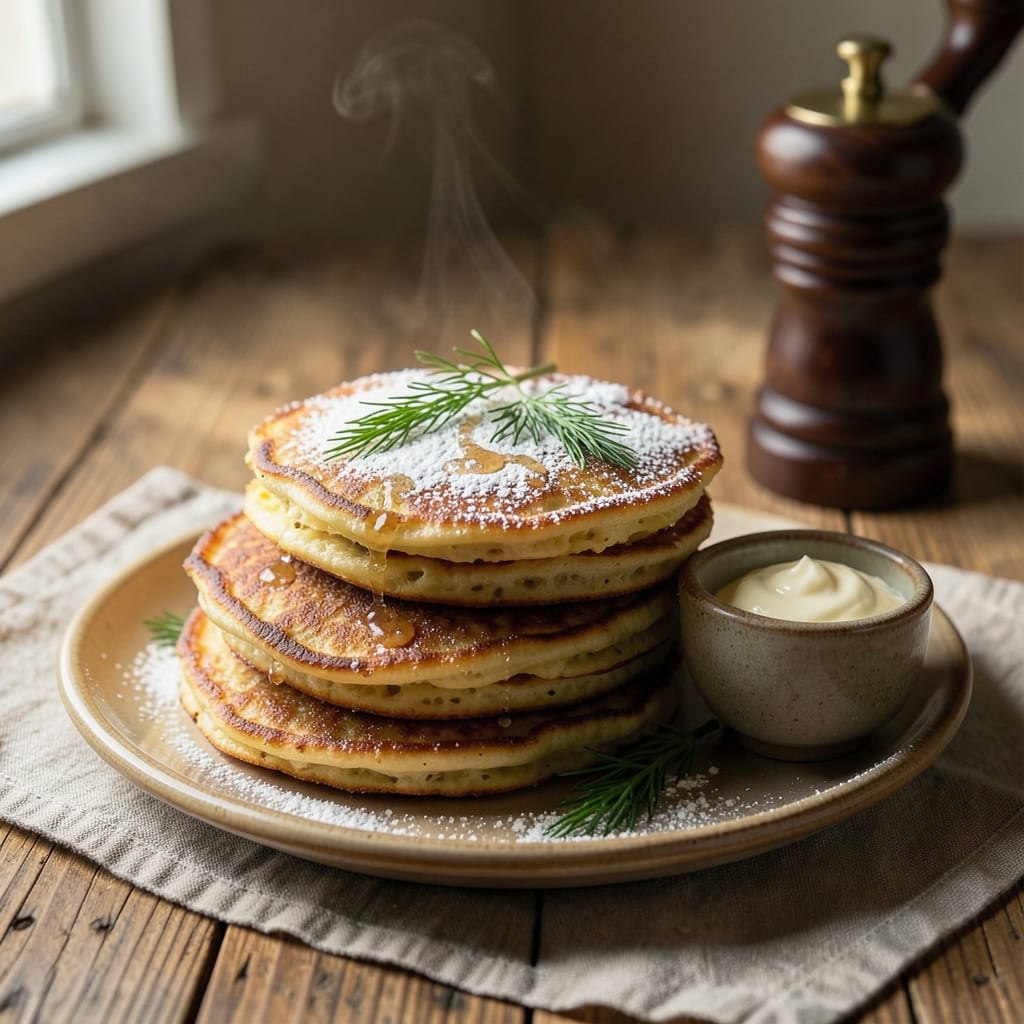
This authentic Polish potato pancake recipe delivers the crispy, golden edges and fluffy centers that make placki ziemniaczane a beloved comfort food. 💛 The secret lies in properly grating and draining the potatoes to eliminate excess moisture—skipping this step guarantees soggy results. I’ve perfected the technique over years of testing, ensuring every bite is both nostalgic and foolproof.
Traditionally, these pancakes are fried in lard or butter until golden and served with sour cream, applesauce, or a rich mushroom sauce. The key to their signature texture is a light hand with flour and egg—just enough to bind without overpowering the potato’s natural flavor. This method stays true to Polish roots while adapting for modern kitchens with optional air-frying for a lighter twist.
What you’ll achieve is a stack of crispy, caramelized pancakes with tender interiors, their edges shattering at the slightest touch. The aroma alone—warm, buttery, and slightly earthy—will transport you to a Polish karczma (pub), where these are a staple. Serve immediately while still sizzling, and watch them disappear faster than you can say smacznego!
Whether you’re hosting a brunch or craving a nostalgic snack, these pancakes deliver restaurant-quality results at home. The recipe scales effortlessly, and leftovers reheat beautifully—though I’ve never had any last that long. Let’s get started on this timeless classic.
Ingredients for authentic polish potato pancake
Potatoes, butter, flour—just three staples transform into Poland's crispy comfort classic.
| Ingredient | Amount | Notes |
|---|---|---|
| Russet Potatoes 🥔 | 3 lb | Cold, grated with peeler |
| All-Purpose Flour 🌾 | ½ cup | Lightly sifted for even texture |
| Large Eggs 🥚 | 2 whole | Room temperature for better binding |
| Unsalted Butter 🧈 | ¾ cup | Cold, cubed for frying |
| Fresh Dill 🌿 | 2 tbsp | Chopped, optional but traditional |
| Granulated Sugar 🍚 | 1 tbsp | For subtle caramelization |
| Salt 🧂 | 1 ½ tsp | Diamond Crystal preferred |
| Black Pepper 🌶️ | ½ tsp | Freshly cracked for aroma |
| Vegetable Oil 🫒 | 2 cups | For air-frying alternative |
| Sour Cream 🥛 | ½ cup | For serving, full-fat preferred |
| Applesauce 🍎 | ½ cup | Unsweetened, for serving |
| Lemon Wedges 🍋 | 2 whole | For serving, optional |
The potatoes are everything. Russets are ideal—their low moisture and fluffy texture make all the difference. Grab a peeler instead of a grater for longer strands, which fry up crispier. I always buy organic potatoes from Trader Joe's (their Yukon Golds work too), but any starchy potato will do. The key is grating them cold—leave them in the fridge until ready to use. If you're short on time, microwave them 5 minutes first to speed up grating, but don't skip the draining step. That's where the magic happens—squeeze out every drop of moisture with a clean kitchen towel. Trust me, this is non-negotiable for crispy results.
No butter? Lard or ghee works perfectly for that authentic flavor, though butter gives the best color. Running low on flour? Cornstarch at half the amount makes them even crispier. The dill is optional but adds that Polish pub touch—fresh is best, but dried at one-third the amount works in a pinch. For the sugar, brown sugar adds a caramel note, but granulated keeps it classic. Want to air-fry? Use vegetable oil spray and reduce butter to 0.25 cup—just don't overcrowd the basket. And if you're making these ahead, par-cook them first in the oven at 350°F for 10 minutes before frying.
These taste best fresh out of the fryer, but leftovers reheat beautifully. Store in an airtight container for up to 3 days—reheat in a skillet with a splash of water to restore crispiness. Freeze between layers of parchment paper for up to 3 months. I always make extra because they disappear fast. The sour cream and applesauce keep 5 days in the fridge, but honestly, they're better the day they're made. Pro tip: serve with lemon wedges for that Polish karczma vibe—it cuts through the richness perfectly.
Why You'll Love This Recipe
- No Fuss, Big Payoff: I swear by this recipe because it turns starchy potatoes into golden perfection with zero fuss—just grate, mix, and fry. No fancy equipment, no waiting for dough to rise, just you, a pan, and 15 minutes of your life.
- Crispy-Creamy Magic: That first bite? Crispy edges hugging a pillowy center, all thanks to the butter and egg binding the grated potatoes just right. Fresh dill adds a bright finish that makes it taste like home—even if your home is just a rented apartment.
- Weeknight to Party: Serve them with applesauce for lazy nights or top with smoked salmon and sour cream for a fancy brunch. Same batter, endless possibilities—no last-minute stress, just happy eating.
- Budget-Friendly Staple: Russets and flour are cheap, and this recipe stretches far. Leftovers? Reheat in the oven until crispy again. Honestly, I’ve fed a crowd of six for under $10 with this—plus, it’s a great way to use up extra potatoes.
Step-by-step instructions for authentic Polish potato pancakes
Here's how to make these golden, crispy Polish latkes with fluffy centers—just like Grandma used to make.
🍳 Step 1: Grate the Potatoes Like a Pro
Peel the 3 lb russet potatoes and grate them using a box grater or food processor with a grater attachment. I use a fine grater for maximum surface area—this is key for crispy pancakes. Place the grated potatoes in a clean kitchen towel or cheesecloth and squeeze out every last drop of moisture. Wet potatoes = soggy pancakes, and nobody wants that.
Transfer the dried potato shreds to a large mixing bowl. This step can't be rushed—take your time to get all the moisture out. If you're using a food processor, pulse in short bursts to avoid heating the potatoes, which makes them gummy. The potatoes should look like dry, crumbly shreds with no liquid clinging to them.
👨🍳 Step 2: Mix the Batter for Perfect Texture
In a separate bowl, whisk together the 0.5 cup all-purpose flour, 1.5 tsp salt, 0.5 tsp black pepper, 1 tbsp granulated sugar, and 2 tbsp chopped fresh dill. The sugar might seem odd, but it helps with caramelization and balances the potato flavor beautifully. Add the 2 whole room-temperature eggs and mix until just combined—don't overmix or you'll develop gluten and end up with tough pancakes.
Gently fold the dry ingredients into the grated potatoes using a rubber spatula. The batter should look like coarse, wet sand—lumpy but not soupy. If it's too dry, add 1-2 tablespoons of cold water to help bind it. Let the batter rest for 15 minutes at room temperature. This resting period helps the flour absorb moisture and creates a lighter texture in your pancakes.
🔥 Step 3: Fry Until Golden Brown and Crispy
Heat 2 cups vegetable oil in a large skillet over medium-high heat until it reaches 350°F—use a thermometer for accuracy. Add cold cubed butter to the hot oil and let it melt completely. This butter infusion gives the pancakes that authentic Polish flavor and extra richness. The oil should shimmer but not smoke when a wooden chopstick is dipped in.
Scoop the batter using a ¼-cup measure (about 3 tablespoons) and gently flatten each portion into the hot oil. You'll need to work in batches—don't overcrowd the pan or the oil temperature will drop. Fry for 3-4 minutes per side until deep golden brown and crispy on both sides. The edges should look almost caramelized, and the pancakes should release easily from the pan when you nudge them with a spatula.
🍽️ Step 4: Serve with Classic Polish Toppings
Transfer the cooked pancakes to a paper towel-lined plate to drain excess oil. Keep them warm in a 200°F oven while you finish the batch. For serving, I like to arrange 4 pancakes per plate and top with 0.5 cup sour cream and 0.5 cup unsweetened applesauce. The contrast of creamy sour cream and sweet applesauce cuts through the richness of the pancakes perfectly.
Add 2 lemon wedges for a bright, tangy finish that balances all the flavors. These pancakes are best served immediately while they're still crispy and warm. If you're making them ahead, reheat in a 375°F oven for 5-7 minutes to restore the crispiness. The secret to authentic Polish latkes is in the frying technique—keep the oil hot and the batter cold for that perfect golden crust.
Pro Tips For Making Authentic Polish Potato Pancake
- GRATE POTATOES COLD: I learned this the hard way—grating warm potatoes releases too much starch, making your batter gummy. Keep the potatoes in the fridge until you’re ready to grate, then work fast to avoid soggy results. A box grater with medium holes works best, and don’t skip rinsing the shreds under cold water to wash away excess starch.
- PRESS OUT EXTRA MOISTURE: After grating, spread the potatoes on a clean kitchen towel and fold it over. Press down firmly for 30 seconds—this removes liquid that’ll make your pancakes greasy. I used to skip this, and my first batch always ended up soggy in the middle.
- USE A LIGHT TOUCH WITH FLOUR: Polish potato pancakes should be crispy outside, tender inside—not dense like latkes. Mix just enough flour (about 2 tablespoons per cup of potatoes) to bind the shreds, then fold in the egg and dill. Overdoing it makes them taste like a dumpling.
- FRIE THEM IN BATCHES: Crowding the pan steams the pancakes instead of frying them. Use about 2 tablespoons of butter per batch, spread them out, and resist the urge to flip too soon. They’re ready when the edges turn golden and the center feels firm—about 3-4 minutes per side.
Wine and beer pairings for this authentic polish potato pancake
Traditional Polish White Wine
For an authentic pairing, reach for a crisp Polish white wine like Riesling from the Łącki region or a dry Pinot Grigio from Karkonosze. These wines complement the pancakes' richness with their bright acidity and subtle mineral notes. I love Winnica Łącka's Riesling—its zesty finish cuts through the butter perfectly. 🍷
Light Beer Options
A Polish lager like Żywiec or Tyskie works beautifully, especially the Żywiec Premium with its clean, crisp profile. For craft beer lovers, try a Belgian witbier such as Rodowód Wit—its citrus and peppery notes mirror the dill in the pancakes. Avoid heavy stouts or IPAs, which can overpower the delicate flavors.
Sweet Pairings for Balance
If you prefer something sweeter, a Polish dessert wine like Muscat from Świdnica adds a floral, honeyed contrast to the pancakes' caramelized edges. For a non-alcoholic option, sparkling apple cider (like Rivella) enhances the applesauce topping with its effervescence and tartness.
Regional Polish Pairings
In Silesia, locals often serve these pancakes with Krupnik—a spiced honey-mead drink—that adds a warm, aromatic depth. For a Pomeranian twist, pair with żur (a fermented rye beverage) to balance the pancakes' richness with its tangy, earthy notes. These pairings reflect Poland's regional diversity. 🗺️
Modern Twists
For a contemporary approach, try a Polish craft beer like Perła Amber—its malty sweetness complements the pancakes' crispy texture. If you're serving with mushroom sauce, a Pinot Noir from Karkonosze adds earthy complexity that bridges the savory and sweet elements seamlessly.
Nutrition facts
Frequently asked questions
Why do my Polish potato pancakes turn out soggy?
Soggy pancakes almost always mean excess moisture in the potatoes. After grating, squeeze every drop out using a clean kitchen towel or cheesecloth—this is non-negotiable! Also, make sure your oil is at 350°F and the batter is cold when frying. If the oil isn't hot enough, the pancakes will absorb oil instead of crisping.
Can I make these potato pancakes without frying?
Yes! For a lighter version, try air-frying. Coat the batter lightly with vegetable oil spray (reduce butter to 0.25 cup) and bake at 400°F for 12-15 minutes, flipping halfway. They won't be as crispy as fried, but still delicious. For oven-baking, spread batter thin on a parchment-lined tray and bake at 425°F for 20-25 minutes.
What's the best way to store leftover potato pancakes?
Store in an airtight container for up to 3 days at room temperature, or refrigerate for 5 days. To reheat, place in a 375°F oven for 5-7 minutes or crisp in a skillet with a splash of water. For freezing, separate pancakes with parchment paper and freeze for up to 3 months. Thaw overnight in the fridge before reheating.
Can I use sweet potatoes instead of russets?
Sweet potatoes work but require adjustments. Grate them cold, drain thoroughly, and add 1 extra tablespoon of flour to bind. Their higher moisture content means you may need 5-10 extra minutes of frying time. For best results, mix half russet and half sweet potato—this keeps the texture balanced while adding natural sweetness that pairs well with sour cream.
What's the secret to crispy edges?
The secret is hot oil and cold batter. Keep your oil at 350°F and chill the batter for 15 minutes before frying. Use a ¼-cup measure to portion batter evenly, and flatten pancakes gently in the oil—this creates maximum surface area for crisping. Never overcrowd the pan, or the oil temperature will drop and edges will steam instead of crisp.