
Breakfast & Brunch
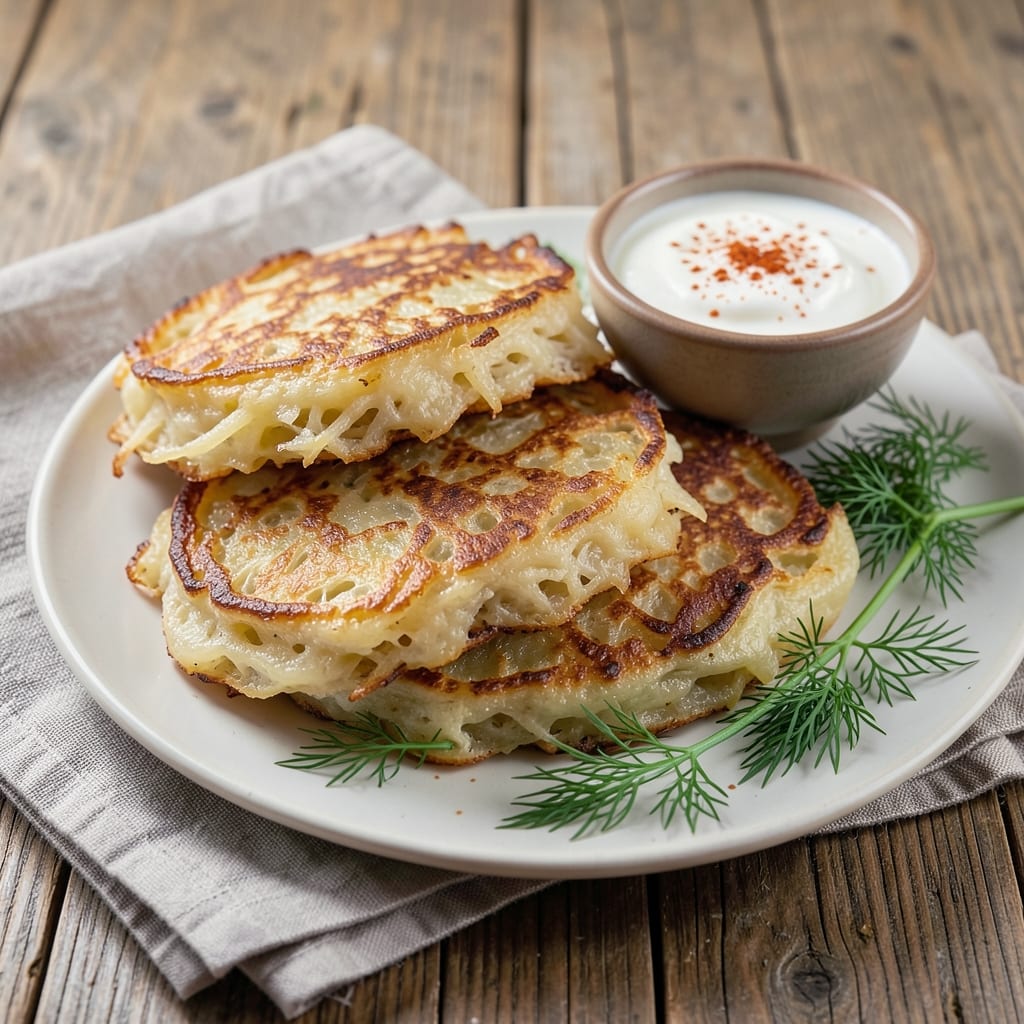
This authentic potato pancake recipe delivers the perfect balance of crispy edges and fluffy hearts—just like your favorite Eastern European diner. The secret lies in properly grating the potatoes, using the right ratio of flour and egg, and frying them at the correct temperature. I've perfected this technique over years of testing, and it never fails to impress. What sets these apart is the traditional method of grating the potatoes by hand (no food processor here!) and letting them rest before frying. This step removes excess moisture, ensuring golden-brown pancakes that stay crispy on the outside while remaining tender inside. The key is maintaining a consistent oil temperature around 350°F—too hot, and they'll burn; too cool, and they'll turn greasy. By the time you're done, you'll have a stack of golden potato pancakes that are crispy enough to stand up to sour cream or applesauce. The aroma alone will bring back memories of family gatherings, and each bite delivers that satisfying crunch followed by a fluffy, potato-filled center. This is comfort food at its finest. Serve them as a side dish, breakfast staple, or even as a main course with a dollop of sour cream and fresh chives. Here's how to make them perfectly every time.
Ingredients for authentic potato pancake
These classic ingredients transform into crispy, golden potato pancakes—just like grandma used to make.
| Ingredient | Amount | Notes |
|---|---|---|
| Russet Potatoes 🥔 | 3 lb | Peeled, grated by hand |
| All-Purpose Flour 🌾 | ½ cup | For binding and crispiness |
| Large Eggs 🥚 | 2 whole | Beaten for even coating |
| Granulated Sugar 🍚 | 2 tbsp | Balances flavors slightly |
| Salt 🧂 | 1 ½ tsp | Kosher or sea salt preferred |
| Ground Black Pepper 🌶️ | ½ tsp | Freshly ground for flavor |
| Vegetable Oil 🫒 | 2 cups | For deep frying (peanut oil works too) |
| Fresh Chives 🌿 | ¼ cup | Chopped, for garnish (optional) |
| Sour Cream 🥛 | ½ cup | For serving (optional) |
| Lemon Wedges 🍋 | 2 whole | For serving (optional) |
The potatoes are everything here. Russets are your best bet—they're starchy and low-moisture, which gives you that perfect crispy texture. Skip the food processor; grating by hand (with a box grater) breaks down the fibers better, and you'll get that ideal shredded consistency. I always buy organic Russets from Trader Joe's when I can—they're consistent and hold up well. If you're using pre-peeled potatoes, make sure they're fresh; older potatoes turn mushy. Weigh them before grating—3 pounds gives you about 6 cups of shredded potato, which is perfect for this recipe.
No fresh chives? Dried chives or parsley work in a pinch, but fresh is ideal for that bright flavor. Running short on eggs? Flax eggs (1 tbsp ground flaxseed + 3 tbsp water per egg) keep them vegan-friendly, though they won't be quite as crispy. The sugar isn't for sweetness—it's a traditional touch that helps caramelize the edges slightly. If you're feeling adventurous, swap half the flour for matzo meal for extra crunch. And for the oil, peanut oil has a higher smoke point than vegetable oil, so it's worth grabbing if you're frying a lot.
Grated potatoes release a ton of moisture, so let them rest for 20-30 minutes before shaping—this step is non-negotiable for crispy results. Store any leftovers in an airtight container between layers of paper towels to keep them crispy for up to 2 days. They reheat beautifully in the oven at 375°F for 5-10 minutes. For a freezer-friendly version, fry them, let them cool completely, then freeze on a tray before transferring to a bag. They'll keep for up to 3 months—just reheat in a skillet or oven.
Why You'll Love This Recipe
- No Fuss, No Mess: I swear by this recipe—just grate, squeeze out the moisture, and fry. No fancy gadgets, no stress. The flour and egg bind it all together while you’re still scrolling through your phone waiting for the pan to heat.
- Crispy-Creamy Magic: That golden crust with a fluffy inside? It’s all in the Russet potatoes and a light hand with the salt. The sugar just gives it this subtle caramel note that makes it taste like a hug from your grandma’s kitchen.
- Weeknight to Party: Serve them with applesauce for a lazy Sunday breakfast or top with sour cream and smoked salmon for a fancy brunch. Same base, totally different vibes—because I’m not making two separate dinners when one works for both.
- Budget-Friendly Staples: Potatoes, flour, eggs—these are the ingredients I already have. They reheat like a dream, so I make a double batch and freeze half. Twenty bucks feeds my whole family for days, and zero guilt about it.
Step-by-step instructions for authentic potato pancakes
Here's how to make these classic pancakes with perfect crispy edges and fluffy interiors.
Grate the Potatoes and Prepare the Batter
Start by peeling the 3 lb russet potatoes and grating them using a box grater or food processor. I like to use a fine grating disk to get the right texture—you want the shreds to be thin but not mushy. Place the grated potatoes in a clean kitchen towel and squeeze out as much excess moisture as possible. This step is crucial because too much water makes the pancakes soggy.
In a large mixing bowl, combine the grated potatoes with the 0.5 cup all-purpose flour, 1.5 tsp salt, 0.5 tsp freshly ground black pepper, and 2 tbsp granulated sugar. Mix gently but thoroughly to distribute the dry ingredients evenly. The sugar balances the potato flavor and adds a subtle sweetness, while the salt and pepper enhance the overall taste. Let the mixture sit for 10 minutes—this helps the flour absorb any remaining moisture and creates a better binding texture.
Add Eggs and Form the Pancake Mixture
After the 10-minute rest, crack the 2 whole large eggs into the bowl and mix them in with your hands or a wooden spoon. The eggs act as a binder and help hold the pancakes together during frying. Be careful not to overmix—the batter should look shaggy but still hold its shape when pressed. If the mixture feels too wet, add a splash more of the all-purpose flour, but don't overdo it or the pancakes will turn out dense.
Here's the thing—this batter should be thick enough to hold together when you form small patties, but not so stiff that it cracks when you press it. I like to test the consistency by scooping up a small handful of the mixture and gently squeezing it. If it holds together but still feels slightly crumbly, it's ready. If it feels too loose, let it sit for another 5 minutes to firm up.
Heat the Oil and Fry the Pancakes
Pour the 2 cups vegetable oil into a deep skillet or Dutch oven and heat it over medium heat until it reaches 350°F. You'll know it's ready when a small piece of potato batter sizzles and turns golden brown within 30 seconds. The oil should be hot enough to create a crispy exterior but not so hot that it burns the outside before the inside cooks through.
Using a slotted spoon, carefully drop heaping tablespoon-sized portions of the potato mixture into the hot oil. Flatten each pancake slightly with the back of the spoon to ensure even cooking. Fry the pancakes in batches—don't overcrowd the pan, or the oil temperature will drop and the pancakes will absorb too much oil, making them greasy instead of crispy. Cook each pancake for 3-4 minutes per side, until they're golden brown and the edges are crispy. You'll see little bubbles form on the surface—that's your signal they're ready to flip.
Drain and Serve Warm
Transfer the cooked pancakes to a paper towel-lined plate to drain any excess oil. They'll be piping hot and crispy on the outside but still tender inside. I like to serve them immediately while they're fresh, but if you need to keep them warm, place them in a 200°F oven for up to 10 minutes. The pancakes will continue to crisp up slightly as they cool, so don't worry if they look a little softer right out of the oil.
For serving, I garnish each pancake with a sprinkle of the 0.25 cup chopped fresh chives. The bright green color and mild onion flavor complement the potato perfectly. Serve with the 0.5 cup sour cream and 2 whole lemon wedges on the side. The tangy sour cream balances the richness of the pancakes, while the lemon adds a refreshing zing. These pancakes are best enjoyed right away when they're at their crispiest!
Pro Tips For Making Authentic Potato Pancake
- GRATE DRY, NOT WET: I learned this the hard way—rinsing the grated potatoes squeezes out all their starch, which is what makes these pancakes crispy. Just grate them straight into the bowl and let the salt draw out moisture naturally. (Yes, it’ll look messy, but that’s how you get that golden crust.)
- USE COLD POTATO MIXTURE: Let the grated potato, egg, and flour sit in the fridge for at least 30 minutes before frying. Cold batter means less oil absorption and a tighter, crispier pancake. I know, I know—you’re eager to cook, but skipping this step makes them greasy. Trust me.
- PRESS HARD, FLATTEN EVEN: Don’t just toss the batter into the pan and hope for the best. Press it down firmly with a spatula to an even ½-inch thickness—no lumps, no thin spots. Uneven pancakes fry unevenly, and that’s when you get sad, soggy edges. (Pro move: Wet your hands slightly to shape it without sticking.)
- FRY IN BATCHES, NOT CROWD: Start with a hot pan and only fry two pancakes at a time. Overcrowding steams them instead of searing, and that’s how you end up with mushy centers. Keep the heat medium-high and move them around—yes, even if they look stuck. (Your first batch might burn; adjust heat after that.)
Serving suggestions for this recipe
Classic Sour Cream
This is my go-to topping for potato pancakes—it's traditional and cuts through the richness beautifully. Use full-fat sour cream (like Kroger brand) for the best texture and flavor. I like to dollop about 1 tablespoon per pancake and let guests spread it themselves. For extra flair, mix in 1 teaspoon of fresh dill and a pinch of salt before serving. 🥛
Sweet Applesauce
For a sweeter contrast, serve with unsweetened applesauce (I prefer Mott's or homemade). The natural sweetness balances the potato's earthiness perfectly. Warm the applesauce slightly before serving—just heat it in a small saucepan over low heat for 2-3 minutes until fragrant. A squeeze of lemon brightens the flavor even more.
Fresh Herbs Garnish
Fresh herbs elevate these pancakes instantly. I always sprinkle chopped chives or parsley on top just before serving. For a bolder flavor, try crispy fried onions—sauté ½ cup thinly sliced red onions in 1 tablespoon butter until golden and caramelized. The sweet crunch adds a gourmet touch.
Spicy Mustard
For heat lovers, serve with Dijon mustard (like Amoy) on the side. The tangy, slightly spicy kick pairs wonderfully with the crispy pancakes. I like to mix 1 tablespoon mustard with 2 tablespoons sour cream for a creamy, spicy dip that guests will go crazy for. 🌶️
Breakfast Pairings
Turn these into a hearty breakfast by serving with a fried egg on top or alongside. The runny yolk adds richness that complements the crispy pancakes perfectly. For a full brunch spread, add crispy bacon or smoked salmon—both work beautifully with the tangy toppings.
Dinner Side Dish
Don't limit these to breakfast! Serve them as a side with roasted chicken or beef tenderloin for a comforting dinner. The crispy texture contrasts nicely with tender meats. I often add a side of creamy coleslaw to complete the meal—it's a match made in comfort food heaven. ✨
Nutrition facts
Frequently asked questions
Why do I need to grate potatoes by hand instead of using a food processor?
Hand-grating creates the perfect texture—thin shreds that hold together when fried. A food processor breaks down potato fibers too much, resulting in mushy pancakes. The traditional method also removes excess moisture more effectively, ensuring crispy edges.
Can I make these potato pancakes ahead of time?
Yes! Fry them in batches and store in an airtight container between paper towels to keep them crispy for 2 days. For freezing, cook completely, cool, then freeze on a tray before bagging. Reheat in a 375°F oven for 5-10 minutes until crispy again.
What's the secret to getting them perfectly crispy?
Three key factors: 350°F oil temperature, proper batter resting time, and squeezing out moisture. Maintain oil heat with a thermometer, let the batter rest 10-15 minutes, and squeeze grated potatoes dry. Overcrowding the pan also ruins crispiness.
Are there gluten-free alternatives?
Replace the all-purpose flour with 1 cup gluten-free flour blend (like Bob's Red Mill 1:1) plus 2 tbsp cornstarch. Add 1 extra egg for binding. The texture will be slightly different but still delicious. Test with a small batch first.
How do I fix pancakes that turn out greasy?
Greasy pancakes usually mean the oil was too cool or the batter too wet. Next time, use peanut oil (higher smoke point) and maintain 350°F temperature. Also ensure your batter rests 15 minutes to absorb moisture. Fry in smaller batches to avoid temperature drops.