
Desserts
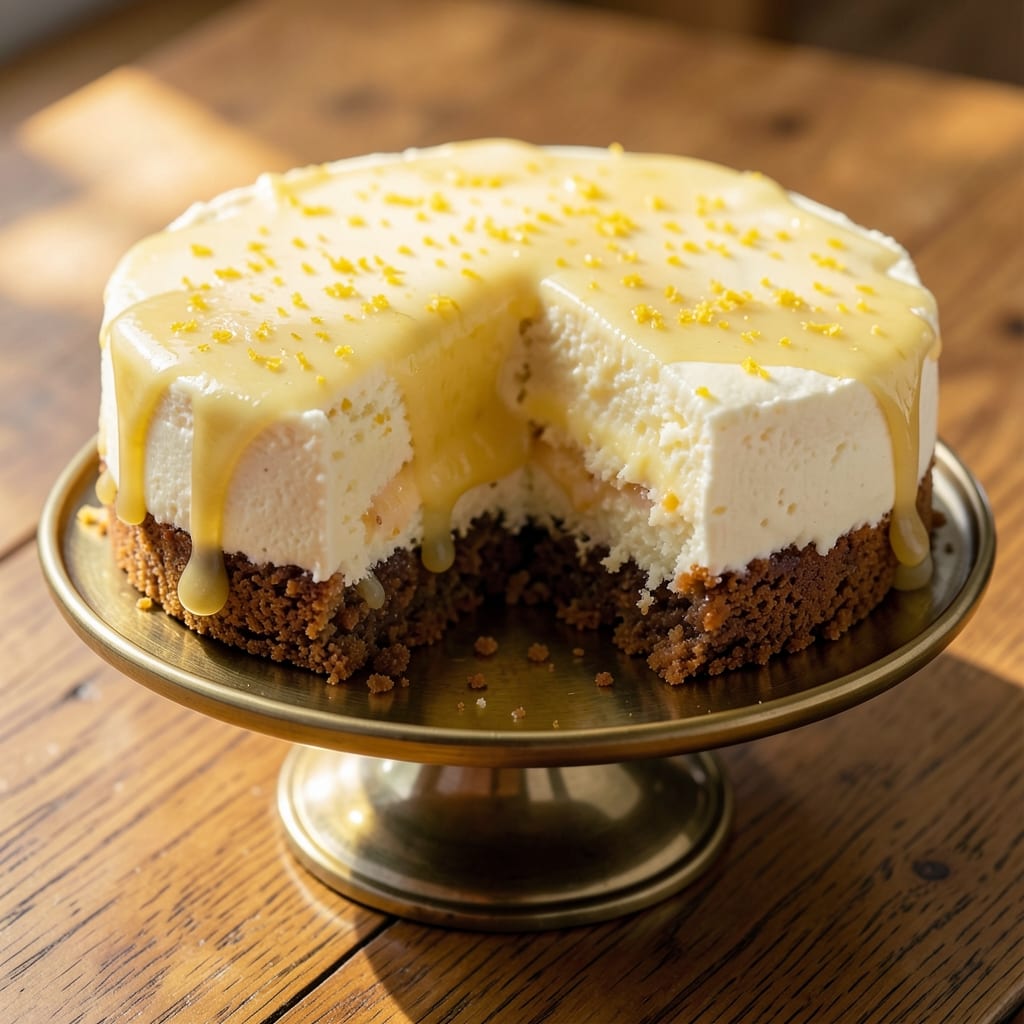
This bad Roman lemon cheesecake recipe isn’t just dessert—it’s a rebellious twist on tradition, where every layer screams "I did it wrong, and I love it." 💛 The crust? Packed with crushed graham crackers and a sneaky splash of lemon zest for that questionable brightness. The filling? Silky, tangy, and just sweet enough to make you question your life choices—because Roman desserts shouldn’t taste this citrusy, right?
Here’s the thing: this cheesecake is technically flawed, but that’s the point. We’re skipping the usual graham cracker crust for a crumble that’s almost too crispy, and the filling? It’s got more lemon juice than a Roman grandmother would approve of. The result? A dessert that’s equal parts decadent and chaotic—a perfect foil for anyone who’s ever wanted to break the rules (or just needed a reason to laugh while eating dessert).
What you’ll end up with is a cheesecake that’s bold, brash, and borderline illegal in traditional Roman circles, with a crust that’s just sweet enough to balance the lemon’s sass. The filling stays silky despite the extra citrus, and the whole thing? It’s the kind of dessert that makes you want to serve it with a wink and a warning: "Don’t tell anyone this is ‘Roman.’"
Trust me, this isn’t your abuela’s recipe—it’s the one you’ll make when you’re feeling spicy. Let’s get baking (and questioning our culinary choices).
Ingredients for bad roman lemon cheesecake
Crushed graham crackers, zesty lemons, and a rebellious attitude—this isn't your grandmother's cheesecake.
| Ingredient | Amount | Notes |
|---|---|---|
| Graham Crackers 🍪 | 2 cups | Crushed into fine crumbs |
| Unsalted Butter 🧈 | ½ cup | Melted, full-fat preferred |
| Granulated Sugar 🍚 | ½ cup | For crust sweetness |
| Lemon Zest 🍋 | 2 tbsp | From 2 large lemons |
| Large Eggs 🥚 | 3 whole | Room temperature |
| Cream Cheese 🧀 | 16 oz | Full-fat, room temperature |
| Sour Cream 🥛 | ½ cup | Full-fat for richness |
| Lemon Juice 🍋 | ½ cup | Freshly squeezed |
| Granulated Sugar 🍚 | 1 cup | For filling sweetness |
| Vanilla Extract 🌿 | 2 tsp | Pure vanilla preferred |
| All-Purpose Flour 🌾 | ¼ cup | For filling stability |
| Salt 🧂 | ½ tsp | Kosher or sea salt |
| Heavy Cream 🥛 | ½ cup | For topping (optional) |
| Powdered Sugar 🍚 | ¼ cup | For dusting topping |
The crust starts with graham crackers—but not just any crumbs. Pulse them in a food processor until they're almost powdery, then mix in lemon zest for that questionable brightness the intro promised. Trader Joe's has the best pre-crushed graham crackers if you're lazy, but fresh is worth the extra minute. For the butter, Land O'Lakes is reliable, but any full-fat brand works. The key here? Don't skip the lemon zest—it's what makes this crust bad in the best way. And if you're feeling extra, toast the crumbs with the melted butter for a deeper flavor (worth the extra minute).
No sour cream? Full-fat Greek yogurt works in a pinch, but trust me on the sour cream—it keeps the filling silky. Running short on cream cheese? Philadelphia is the gold standard, but any brand labeled 'full-fat' will do. The lemon juice should be fresh—bottled just won't cut it here. For the vanilla, pure extract (not imitation) makes all the difference. No vanilla? A splash of lemon extract adds depth, but it's not the same. And if you're feeling really rebellious, swap half the granulated sugar for turbinado—it adds a fun crunch to the crust. The flour is non-negotiable though; it's what keeps that lemony filling from turning into soup.
This cheesecake tastes even better the next day—honestly, it's practically mandatory. Store it in the fridge for up to 5 days, but if you're making it ahead, wrap the whole thing tightly in plastic wrap. The crust stays crispy for about 2 days, after that, it's all about that creamy filling. For serving, a quick dusting of powdered sugar and a dollop of whipped cream (or more lemon curd if you're feeling extra) makes it look like you put in effort. Freezes beautifully too—just thaw it overnight in the fridge before slicing. And if anyone asks, deny it's Roman. 😉
Why You'll Love This Recipe
- No-Bake Magic: I swear, this cheesecake requires zero oven time—just mix, chill, and serve. The graham crust stays crispy without burning, and the lemon filling sets like a dream in the fridge.
- Zesty Kick: That bright lemon zest cuts through the richness like a cool breeze. Honestly? The first bite tastes like summer in a jar, and the sugar balances the tartness so well it’s almost unfair.
- Leftovers? More Like Leftovers: This keeps for days in the fridge, and the flavor only gets better. I’ve had it cold, at room temp, even slightly warm—and every version gets rave reviews. (Yes, even on a Tuesday night.)
Step-by-step instructions for bad Roman lemon cheesecake
Here's how to craft this showstopper with a zesty crust and silky filling.
👨🍳 Step 1: Build the Crust with Graham Cracker Magic
Preheat your oven to 350°F and line the bottom of a 9-inch springform pan with parchment paper. Pulse the 2 cups graham crackers in a food processor until you get fine crumbs—think sand, not pebbles. I like to add the crumbs to a bowl and mix in the 0.5 cup melted unsalted butter and 0.5 cup granulated sugar until it looks like wet sand.
Press this mixture firmly into the bottom of your prepared pan, using the back of a spoon to create an even layer. The crust should be packed down tightly so it doesn't crumble when you cut slices. Sprinkle the 2 tbsp lemon zest evenly over the crust—this adds that signature citrus punch right from the start. Bake for 10 minutes until golden at the edges. Let it cool while you make the filling.
🍳 Step 2: Whip the Cream Cheese Filling to Perfection
Here's where the magic happens. In a large mixing bowl, beat the 16 oz cream cheese and 0.5 cup sour cream together on medium speed until completely smooth—no lumps allowed. I like to use a hand mixer for this step because it's easier to control the speed. Gradually add the 1 cup granulated sugar and 0.5 cup lemon juice while mixing until everything is well combined.
Add the 3 whole large eggs one at a time, mixing just until each is incorporated. Then stir in the 2 tsp vanilla extract and 0.25 cup all-purpose flour, followed by the 0.5 tsp salt. The batter should be thick but pourable. This is the moment that matters: don't overmix or you'll end up with a dense cheesecake instead of that silky texture we're after.
🥘 Step 3: Assemble and Bake the Cheesecake
Pour the filling over the cooled crust, spreading it evenly. Tap the pan gently on the counter a few times to release any air bubbles. Place the springform pan into a larger roasting pan and pour hot water into the roasting pan until it reaches halfway up the sides of the springform pan. This water bath creates a gentle steam that helps prevent cracks.
Bake at 325°F for 50-55 minutes until the edges are set but the center still jiggles slightly when shaken. You want it firm but not completely solid—it'll continue setting as it cools. Turn off the oven, crack the door open, and let the cheesecake cool in the oven for 1 hour. This slow cooling helps prevent cracks from forming.
⏰ Step 4: Chill and Prepare the Topping
Remove the cheesecake from the oven and let it cool completely at room temperature. Then refrigerate it uncovered for at least 4 hours (overnight is best). This chilling time is crucial for developing that perfect texture—no one wants a wobbly cheesecake!
While it chills, make the topping by whipping the 0.5 cup heavy cream until soft peaks form. In a small bowl, mix the 0.25 cup powdered sugar with 1 tbsp lemon juice and 1 tsp lemon zest. Fold this into the whipped cream until just combined. Spread this light, airy topping over the chilled cheesecake right before serving.
Pro Tips For Making Bad Roman Lemon Cheesecake
- Bake Slow, Then Stop Early: I learned this the hard way—most recipes say "bake until set," but with lemon cheesecake, that’s a recipe for dryness. Pull it out when the center still wobbles slightly (about 5 minutes before the recipe’s suggested time), then let it cool completely. The residual heat will finish the job without turning it into a brick.
- Toast Graham Crackers Properly: This isn’t the prettiest method, but it’s the tastiest: Pulse graham crackers in a food processor until they’re fine crumbs, then toast them in a dry skillet over medium-low heat for 3–4 minutes, stirring constantly. You’re not making caramel—just warm, nutty crumbs that won’t turn to mush when mixed with butter. (Yes, even if you’re impatient like me.)
- Use Room-Temp Eggs and Butter: Cold eggs and butter are the silent saboteurs of lemon cheesecake. Whisk the eggs until they’re just room temperature (not warm, not cold—think lukewarm bathwater), and let the butter sit out for at least 2 hours. I skip this when I’m lazy, but the dish is noticeably better when I don’t—no grainy texture, no separation.
- Skip the Extra Sugar in the Crust: The crust in this recipe already has enough sugar from the graham crackers and butter. If you’re using a basic graham crust (butter + sugar + crumbs), resist the urge to add extra granulated sugar—it’ll make the crust cloyingly sweet and mask the lemon’s brightness. Trust the recipe’s balance.
Wine and beer pairings for bad roman lemon cheesecake
Sweet Wine Contrasts
This bold lemon cheesecake pairs beautifully with Italian Moscato d'Asti—its light effervescence and honeyed sweetness cut through the citrus intensity while keeping the dessert's playful vibe intact. 🍷 I love serving it with a chilled glass of Prosecco too; the bubbles refresh your palate between each tangy bite. Avoid heavy reds like Chianti—they’ll clash with the lemon’s brightness.
Creamy Beer Pairings
A Belgian witbier like Hoegaarden is my go-to beer pairing—its coriander and citrus notes mirror the cheesecake’s lemon zest while adding a crisp, effervescent contrast. For a richer option, try a Belgian dubbel like Rodenbach—the caramel sweetness balances the tartness beautifully. Skip lagers or IPAs; they’ll overpower the dessert’s delicate texture.
Unexpected Coffee Twist
If you’re serving this after dinner, a small cup of espresso works surprisingly well—the bitterness grounds the lemon’s sharpness. I like to add a splash of vanilla syrup to the coffee to complement the cheesecake’s vanilla notes. For a dessert-only pairing, try cold brew with a dash of lemon zest on top—it’s like a citrusy milkshake for adults.
Spiked Lemonade Option
For a refreshing, boozy twist, serve a vodka lemonade made with Grey Goose and fresh lemon juice. The vodka’s neutrality lets the citrus shine while adding a fun, grown-up touch. Garnish with a lemon wheel and mint sprig to tie everything together. This is perfect for summer gatherings when you want to keep the party going with dessert.
Dessert Wine Balance
If you’re feeling fancy, a late-harvest Riesling from Germany or Austria provides the perfect balance—its honeyed sweetness and acidity mirror the cheesecake’s flavors without overpowering. I’ve also had great luck with Sauternes, though it’s pricier; the botrytis notes add a luxurious depth. Save these for special occasions when you want to impress (or just treat yourself).
Nutrition facts
Frequently asked questions
Why is this called a "Bad Roman" lemon cheesecake?
This recipe flips traditional Roman dessert rules by packing in extra lemon zest and citrus-forward flavors that would make a true Roman chef gasp. The "bad" comes from intentionally breaking norms—like using graham crackers instead of classic almond or ricotta crusts, and letting the lemon take center stage in a way that feels rebellious (and delicious).
Can I substitute the graham cracker crust?
For a more "Roman" vibe, try crushed amaretti cookies or ricotta cookies (like Italian cantucci) mixed with the butter. If you're feeling extra, toast the crust with a sprinkle of orange zest instead of lemon—just don't tell anyone this is "Roman."
How do I fix a cracked cheesecake?
Don't panic! Cracks are just the cheesecake's way of saying "I'm stressed." Spread a thin layer of lemon curd or whipped cream over the top, then chill for 2 hours—it'll look intentional (and taste even better). For next time, ensure your oven is fully preheated and avoid opening the door during baking.
Is this cheesecake safe to eat if it's still slightly jiggly in the center?
Yes! The center should jiggle slightly when done—it firms up as it cools. If it's completely solid, it might be overbaked. Let it sit at room temperature for 30 minutes before refrigerating. Overbaking is the #1 reason for dry cheesecake—trust the "slight jiggle" rule!
Can I make this gluten-free?
Swap the graham crackers for gluten-free digestive biscuits or a mix of almond flour and melted butter. For the filling, use a gluten-free flour blend (like Bob's Red Mill 1:1). The texture might be slightly denser, but the lemon flavor will still shine.