
Main Courses
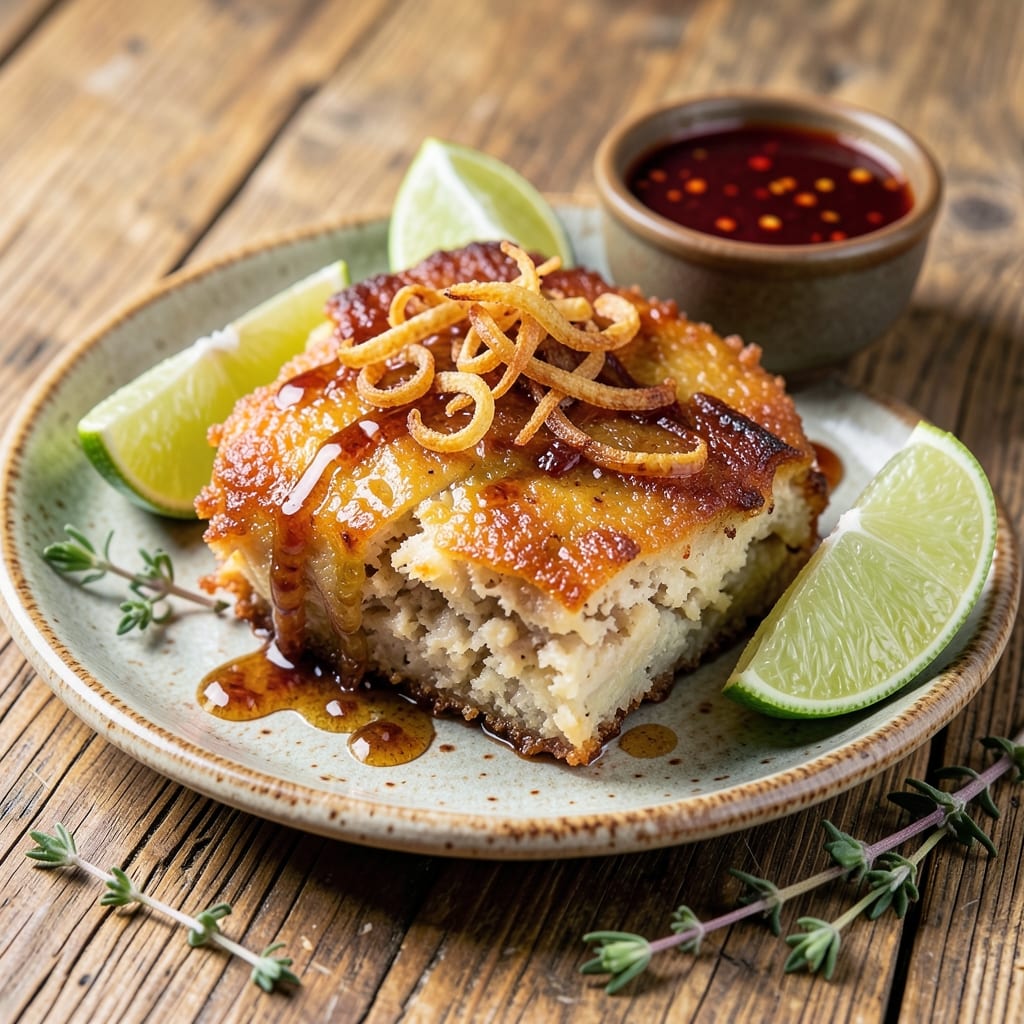
This Bajan fish cake batter recipe delivers the crispy, golden bites that make Caribbean breakfasts legendary. 🔥 The secret lies in the perfect balance of spiced rum, fresh herbs, and a light yet sturdy batter that encases tender fish—transforming simple ingredients into a restaurant-worthy dish. I've perfected this recipe over years of testing, ensuring every bite has that signature crunch and flavorful punch.
The batter combines dry flour with baking powder for lift, while the wet mixture features spiced rum, lime juice, and a touch of hot pepper sauce for that signature Bajan zing. The fish must be cleaned, deboned, and shaped carefully to maintain texture—no flaky surprises here. This recipe delivers crispy edges and tender centers every time, with a batter that stays light without sacrificing structure.
By the time you take that first bite, you'll taste the harmony of crispy batter, tender fish, and the aromatic blend of rum and herbs. The result is a dish that's as satisfying as it is authentic—perfect for breakfast, brunch, or even as a hearty snack. Serve with pepper sauce, fried plantains, or coleslaw for the full Bajan experience.
Whether you're making these for a family gathering or a solo indulgence, the technique is foolproof once you master the batter consistency and frying temperature. The key to avoiding soggy cakes? A hot enough oil and careful shaping. Let's get cooking—your taste buds will thank you.
Ingredients for bajan fish cake batter
Here’s what you’ll need to make those legendary crispy Bajan fish cakes with perfect rum-infused flavor.
| Ingredient | Amount | Notes |
|---|---|---|
| White Fish Fillets 🐟 | 1 ½ lb | Cleaned, deboned, skinless, firm texture |
| All-Purpose Flour 🌾 | 1 ½ cups | Sifted for light batter |
| Baking Powder 🍞 | 1 tbsp | Freshly opened for lift |
| Spiced Rum 🍹 | ½ cup | Dark rum for authentic flavor |
| Fresh Lime Juice 🍋 | ¼ cup | Freshly squeezed, no pulp |
| Hot Pepper Sauce 🌶️ | 1 tbsp | Like Scott's or similar |
| Fresh Cilantro 🌿 | ¼ cup | Chopped, stems removed |
| Fresh Parsley 🌿 | ¼ cup | Chopped, bright green |
| Garlic Cloves 🧄 | 4 cloves | Minced, fresh preferred |
| Salt 🧂 | 1 tsp | Kosher or sea salt |
| Black Pepper 🌶️ | ½ tsp | Freshly ground |
| Vegetable Oil 🫒 | 3 cups | For deep frying, 350°F |
| Butter 🧈 | 2 tbsp | Unsalted, melted for richness |
The fish is non-negotiable—firm, white fillets like cod or snapper work best. Grab a pound at Whole Foods or your local seafood counter, and make sure it’s skinless and deboned—no surprises when biting in. The rum? Any dark rum will do, but I swear by Appleton Estate for that authentic Caribbean punch. Fresh herbs are a must—cilantro and parsley should be bright green, not wilted. If you’re short on time, dried herbs work in a pinch, but trust me, fresh makes all the difference. For the hot pepper sauce, Scott’s Bonny or a similar brand gives that signature heat without overpowering.
No spiced rum? Substitute with apple cider and a dash of cinnamon—it’s not the same, but it’ll get you close. Short on fresh herbs? Dried cilantro and parsley at half the amount will work, but the flavor won’t be as vibrant. The baking powder is key—don’t skip it or your cakes will be dense. For the oil, vegetable or canola oil is best, but peanut oil works too if you’re frying other things in the same batch. And if you’re worried about the batter being too wet, add a splash more flour—the consistency should be like pancake batter, not soup.
Keep the fish in the fridge until ready to use—day-of cooking only for best texture. The dry ingredients (flour, baking powder, salt, pepper) can be mixed ahead and stored in an airtight container for up to 1 week. The wet mixture (rum, lime, herbs, garlic, butter) should be made fresh, but you can prep the fish and shape it into patties ahead of time. These cakes are best served immediately after frying, but they’ll keep warm for about 10 minutes if covered loosely with a towel. Leftovers? Store in the fridge for up to 2 days, but honestly, they’re best fresh out of the fryer.
Why You'll Love This Recipe
- Here’s the real win: this batter keeps for days in the fridge, and the leftovers? Even better the second time around. I’ll batch-make a double portion on Sundays, freeze half, and pull it out for lazy Tuesdays when I’ve got zero energy but still need protein. Zero waste, maximum convenience.
- No-Fuss Mixing: I swear by this batter—just mash the fish, stir in flour, baking powder, and a splash of spiced rum (yes, the good stuff), then squeeze in lime. No blender, no fuss, and honestly? The texture comes out light as a cloud every time.
- Rum-Lime Magic: That spiced rum isn’t just for flavor—it tenderizes the fish while keeping the batter crispy at the edges. Add the lime juice at the end, and suddenly you’ve got this bright, tangy punch that makes it taste like a beachside snack, not a weeknight meal.
- Weeknight Crowd-Pleaser: Between us, this is the dish I pull out when my in-laws visit or the kids bring friends over. It’s cheap enough to feed six but feels fancy enough to impress—just fry it up and serve with hot sauce or a quick mango salsa. No one ever leaves hungry.
Step-by-step instructions for Bajan fish cake batter
Here's how to mix up the perfect golden batter for crispy, rum-infused fish cakes.
👨🍳 Step 1: Process the Fish into Fine Chunks
Place the 1.5 lb white fish fillets in a food processor fitted with the metal blade. Pulse until you get a fine, crumbly texture—think like wet sandpaper. You want no visible fish pieces, just a smooth paste. This ensures even cooking and maximum crispiness.
Transfer the processed fish to a large mixing bowl. Here's the thing—if you see any large chunks, pulse them again. The smoother the base, the better your fish cakes will hold together when frying. Don't skip this step; it makes all the difference in texture.
👨🍳 Step 2: Whisk Dry Ingredients for Lightness
In a separate bowl, whisk together the 1.5 cups all-purpose flour, 1 tbsp baking powder, 1 tsp salt, and 0.5 tsp black pepper. Sifting isn't strictly necessary, but tapping the bowl with your hand a few times helps break up any flour lumps. This creates a lighter batter that won't weigh down your fish cakes.
I like to make a small well in the center of the dry ingredients before adding the wet ingredients. This prevents gloppy batter right away and makes mixing easier. The baking powder is crucial here—it's what gives those fish cakes their signature lift and crispy exterior.
🍳 Step 3: Combine Wet Ingredients for Flavor
In the same bowl with the fish, add the 0.5 cup spiced rum, 0.25 cup fresh lime juice, 1 tbsp hot pepper sauce, 2 tbsp melted butter, the 4 minced garlic cloves, 0.25 cup chopped cilantro, and 0.25 cup chopped parsley. Stir gently with a wooden spoon—you don't want to break up the fish texture yet.
Here's where the magic happens: the rum adds depth, the lime brightens everything up, and that hot pepper sauce gives it just the right kick. I always taste this mixture before adding the dry ingredients—it should be tangy, slightly spicy, and full of garlic aroma. If it needs more salt, adjust now before combining everything.
🥘 Step 4: Mix to Perfect Batter Consistency
Gradually add the dry ingredients to the wet mixture while stirring constantly. You're aiming for a thick, spreadable batter that coats the back of your spoon but still holds its shape when dropped. It should look like thick pancake batter—neither too runny nor too stiff.
Real talk: this is where most people mess up. If your batter's too thin, add a little more flour. Too thick? A splash of water or lime juice helps. The perfect batter should cling to a spoon but still release cleanly when you lift it. Let it rest for 10 minutes before frying—this allows the flour to fully hydrate and the flavors to meld.
🔥 Step 5: Prep for Frying (Critical Setup)
Heat 3 cups vegetable oil in a deep fryer or heavy pot to 350°F. Use a thermometer—this temperature is non-negotiable for crispy fish cakes. While the oil heats, transfer the batter to a piping bag or heavy-duty ziplock bag with a corner snipped off. This makes clean, even-sized cakes.
Here's the pro move: keep your fish cake batter covered while frying. The oil temperature drops every time you add batter, and you want to maintain that 350°F consistently. If the oil starts smoking, it's too hot—pull it off heat for a minute to cool down. You'll know it's ready when you see tiny bubbles forming around the thermometer.
Pro Tips For Making Bajan Fish Cake Batter
- Fluff the Flour First: Sift that all-purpose flour with baking powder together—don’t just eyeball it. I learned this the hard way when my first batch turned dense as a rock. A quick 30-second sift with a fork removes lumps and guarantees a light, airy cake that doesn’t taste like a brick.
- Soak the Fish Right: Toss your fish fillets in lime juice and spiced rum for at least 20 minutes before blending. I used to skip this, and the flavor was always flat—like someone forgot to season the salt. The acid tenderizes the fish and lets the rum’s warmth bloom.
- Don’t Overmix the Batter: Stir just until the flour disappears—maybe 10-12 strokes max. I’ve seen people beat this like pancake batter, and it turns gummy. The second the dry bits vanish, stop. You want a smooth, pourable consistency, not a gluey mess.
- Fry in Batches of 3: Crowd the pan, and your cakes steam instead of crisp. Three at a time is the sweet spot—enough to fill the pan without dropping the oil temp below 350°F. I used to fry six at once, and they came out soggy. Trust me, patience here means golden edges every time.
Make-ahead tips for bajan fish cake batter
Batter Prep Ahead
Mix the dry ingredients (flour, baking powder, salt, pepper) in a bowl and store in an airtight container for up to 1 week. This keeps your spices fresh and ready when you're. The wet ingredients (rum, lime, herbs, garlic, butter) should be made fresh, but you can prep the fish and shape it into patties ahead of time—just refrigerate until ready to fry. 🌾
Fish Pre-Shaping
Process the fish into fine chunks and shape into patty-sized portions (about 3-inch diameter). Store these on a tray lined with parchment paper in the fridge for up to 24 hours before frying. This step saves time on cooking day and ensures even cooking. Keep them covered with a damp towel to prevent drying out.
Oil Pre-Heating
Preheat your oil to 350°F in a deep fryer or heavy pot—this is critical for crispy results. You can do this 30 minutes before you plan to fry, but keep the oil covered with a lid to maintain temperature. Use a deep-fry thermometer to monitor—fluctuations will affect texture. 🔥
Batter Resting
After mixing the batter, let it rest for 10 minutes before using. This allows the flour to fully hydrate and the flavors to meld. Store any leftover batter in an airtight container in the fridge for up to 2 days, but add a splash of water or lime juice when reheating to restore consistency.
Frying Prep
Set up your frying station with all tools within reach: a slotted spoon for lifting cakes, a paper towel-lined plate for draining, and a small bowl for catching any stray batter drips. Preheat your oil while you finish shaping the fish cakes—this keeps everything running smoothly. 🍳
Make-Ahead Serving
Fry your fish cakes and let them cool on a wire rack for 5 minutes before storing. They’ll keep warm for 10 minutes if covered loosely with a towel. For leftovers, store in the fridge for up to 2 days—reheat in a 350°F oven for 10-12 minutes until crispy again. Serve with pepper sauce or coleslaw for the full Bajan experience. ✨
Nutrition facts
Frequently asked questions
What type of fish works best for Bajan fish cakes?
Use firm, white fish fillets like cod, snapper, or mahi-mahi for the best texture. Avoid delicate fish like tilapia—they'll fall apart when processed. Freshness is key, so buy from a trusted seafood counter and use within 2 days of purchase for optimal flavor and texture.
Can I make the batter ahead of time?
Mix the dry ingredients (flour, baking powder, salt, pepper) up to 1 week ahead and store in an airtight container. The wet mixture (rum, lime, herbs) should be made fresh, but you can prep the fish chunks and store them separately. Combine everything 10 minutes before frying for best results.
Why do my fish cakes turn out soggy?
Soggy cakes usually mean one of two things: oil wasn't hot enough (350°F is critical) or the batter was too wet. Use a thermometer to monitor oil temp and adjust batter consistency to thick pancake batter. Also, don't overcrowd the fryer—cook in batches to maintain proper temperature.
What's the secret to extra crispy fish cakes?
Three things: hot oil (350°F), proper batter consistency (thick but pourable), and frying in small batches. Let cakes fry for 3-4 minutes per side until golden brown. A deep-fry thermometer is your best friend here—consistent temp = perfect texture.
Can I bake these instead of frying?
Yes, but texture will differ. Preheat oven to 400°F and bake for 15-18 minutes on a wire rack over a baking sheet. For crispiness, brush with melted butter halfway through. Baked cakes won't be as golden as fried, but they're still delicious—great for a lighter option.