
Desserts
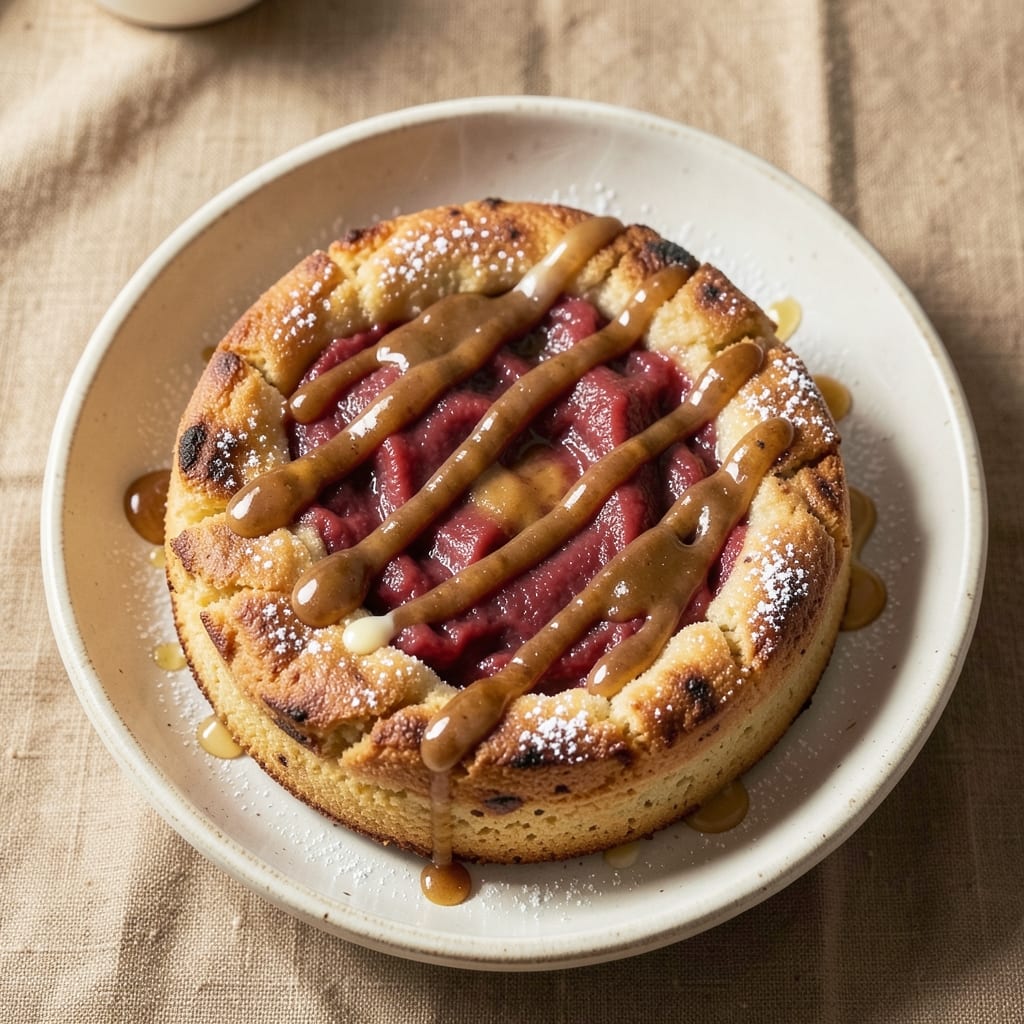
This baked red bean mochi cake delivers the perfect balance of chewy mochi layers and smooth adzuki sweetness—a traditional Japanese dessert made approachable for modern kitchens. The secret lies in properly pounding the rice dough for that signature elasticity, then layering it with sweet red bean paste for a texture contrast that feels both nostalgic and luxurious. I've refined this recipe to ensure the mochi stays tender while developing a subtle caramelized flavor during baking.
The process combines traditional techniques with practical shortcuts: while you can still achieve authentic texture by pounding rice flour by hand, I've included a mixer method that delivers similar results with less effort. The red bean filling—sweetened just enough to complement the mochi's natural nuttiness—requires no special equipment beyond a mixing bowl and baking dish. What makes this version special is how the cake develops a delicate golden crust while maintaining its signature chewiness throughout.
What you'll end up with is a dessert that looks impressive yet comes together with straightforward steps—ideal for special occasions or satisfying your sweet tooth without fuss. The aroma of baking mochi fills the kitchen, while the final product offers that perfect contrast: soft yet resilient mochi wrapped around velvety sweet bean paste. This recipe proves you can enjoy traditional Japanese flavors without requiring specialized tools or years of practice.
Perfect for gifting, potlucks, or simply enjoying with a cup of green tea, this mochi cake keeps well at room temperature for several days. The beauty of this recipe lies in its versatility—you can adjust the sweetness of the bean paste to your preference or even add a hint of vanilla for extra depth. Let's create something that tastes like a visit to a Japanese patisserie, right in your own kitchen.
Ingredients for baked red bean mochi cake
Nine essential ingredients transform into a luxurious Japanese dessert with perfect chewy layers and velvety sweetness.
| Ingredient | Amount | Notes |
|---|---|---|
| Glutinous Rice Flour 🍚 | 2 cups | Mochiko brand preferred for authenticity |
| Sweet Red Bean Paste (Anko) 🍫 | 1 ½ cups | Store-bought or homemade, unsweetened |
| Granulated Sugar 🍯 | ½ cup | Adjust to taste for sweetness |
| Water 💧 | ¾ cup | Room temperature preferred |
| Coconut Oil 🥥 | 2 tbsp | Melted for greasing |
| Vanilla Extract 🌿 | 1 tsp | Pure vanilla for depth of flavor |
| Salt 🧂 | ¼ tsp | Fine sea salt for balance |
| Potato Starch 🥔 | 2 tbsp | For dusting layers (optional) |
| Silicon Baking Mat 📐 | 1 whole | 8x8-inch for easy release |
| Kuzu Powder (Kanten) 🌿 | 1 tsp | Optional for firmer texture |
| Sesame Seeds 🌰 | 1 tbsp | Toasted for garnish |
| Matcha Powder 🍵 | ½ tsp | Optional for green tea flavor |
The glutinous rice flour is non-negotiable—Mochiko brand from Japanese markets delivers that signature elasticity, but any quality mochiko will work. If you can't find it, Bob's Red Mill sweet rice flour is a decent substitute, though texture will differ slightly. The red bean paste (anko) should be smooth and slightly sticky; Marukyu brand from specialty stores is my go-to, but homemade works too if you simmer dried adzuki beans with sugar. For the sugar, organic cane sugar caramelizes beautifully during baking, giving that delicate golden crust. Room temperature water is key—cold water can make the dough too stiff, while warm water risks over-mixing. If your kitchen is chilly, let the water sit out for 10 minutes before using.
No red bean paste? Sweetened mashed chickpeas (blended with sugar and a pinch of vanilla) mimic the texture and sweetness surprisingly well. Running short on rice flour? A mix of all-purpose flour and cornstarch (1:1 ratio) can be used in a pinch, though the mochi will be less chewy. The coconut oil can be swapped for vegan butter if you prefer, though it adds richness that might slightly alter the delicate balance. For the vanilla extract, imitation won't cut it—pure Madagascar bourbon vanilla elevates the flavor, but even regular pure vanilla works. The potato starch is optional but helps prevent sticking between layers. If you're feeling adventurous, matcha powder adds a sophisticated green tea note that pairs beautifully with the red bean's sweetness—just omit the vanilla in that case.
This cake develops its best texture when baked fresh, but room temperature storage keeps it delightfully chewy for 3-4 days in an airtight container. For longer storage, freeze portions for up to 2 months—thaw at room temperature before serving. The silicon baking mat is a game-changer for easy release, but parchment paper works too. To serve, dust with potato starch between layers for that professional patisserie look. The sesame seeds should be toasted in a dry pan for 30 seconds until fragrant—just sprinkle over the top before serving. Leftovers? Reheat briefly in the microwave to restore that warm, comforting texture. This dessert tastes even better the next day as the flavors meld.
Why You'll Love This Recipe
- No-Fuss Batter: I swear by this recipe—just mix, pour, bake. No rolling, no steaming, no fuss. The glutinous rice flour does all the work, giving you that signature chewy texture without the headache.
- Sweet Spot: That first bite of warm, gooey anko oozing out? Honestly, it’s the kind of dessert that makes you pause mid-slice. The sugar caramelizes just enough to balance the deep, earthy sweetness of the red bean paste—no artificial flavors here.
- Party in a Pan: Between us, this is my go-to for potlucks or last-minute gatherings. Bake a big sheet, cut into squares, and suddenly you’ve got a crowd-pleaser that feels special but costs next to nothing. (Yes, even on a Tuesday night.)
Step-by-step instructions for baked red bean mochi cake
Here's how to create layers of chewy mochi perfection with sweet adzuki filling—simple but transformative.
Prepare the Mochi Batter
In a large mixing bowl, combine the 2 cups glutinous rice flour, 0.5 cup granulated sugar, 0.25 tsp salt, and 0.5 tsp matcha powder (if using). Whisk until evenly distributed—this ensures consistent texture throughout. In a separate small bowl, mix the 1 tsp kuzu powder (kanten) with 0.25 cup of the 0.75 cup water until completely dissolved. This creates a thickening agent that gives the mochi its signature firmness.
Next, heat the 2 tbsp coconut oil in a small saucepan over low heat until fully melted. Let it cool slightly, then gradually add it to the dry ingredients while whisking continuously. The oil should be warm but not hot—adding it too quickly can create lumps. Pour in the remaining 0.5 cup water and 1 tsp vanilla extract, then whisk vigorously for 3-4 minutes until the batter becomes smooth and elastic. You'll notice it thickens slightly as you work it—this is normal and essential for the chewy texture. The batter should coat the back of a spoon but still flow freely when poured.
Assemble the Layers
Preheat your oven to 350°F and line an 8x8-inch baking dish with the silicon baking mat—this prevents sticking and makes removal effortless. Spread 0.5 cup of the sweet red bean paste (anko) evenly across the bottom of the prepared dish, creating a thin but complete layer. This first layer of filling ensures every bite has that signature adzuki sweetness.
Pour half of the mochi batter over the anko, then use an offset spatula to spread it into an even ¼-inch thick layer. The batter should cover the filling completely without pooling in the corners. Dust the top lightly with 1 tbsp potato starch—this creates a barrier that prevents the top layer from sticking to the oven rack. Repeat with the remaining anko and mochi batter, finishing with another thin layer of filling on top. The final layer should be smooth and level, with no gaps where the filling might peek through.
Bake to Golden Perfection
Place the assembled cake in the preheated oven and bake for 35-40 minutes. The edges should turn a light golden brown, while the top remains slightly pale—this indicates the cake is fully set but still moist. The center should feel firm to the touch but yield slightly when pressed gently with a finger. If the top browns too quickly, tent loosely with aluminum foil to prevent over-browning while allowing steam to escape.
I like to check for doneness at the 30-minute mark by inserting a toothpick into the center. It should come out clean with no wet batter clinging to it. Remove the cake from the oven and let it cool completely on a wire rack for at least 1 hour before slicing. This resting period allows the layers to fully set and the flavors to meld. The contrast between the chewy mochi layers and the soft, sweet anko filling will be most pronounced when served at room temperature.
Garnish and Serve
Once cooled, carefully transfer the cake to a serving plate. Toast the 1 tbsp sesame seeds in a dry skillet over medium heat for 1-2 minutes until fragrant and golden. Sprinkle them evenly over the top of the cake—this adds a nutty crunch that balances the sweetness. For an extra touch, dust lightly with powdered sugar if you prefer a sweeter presentation, though the anko filling already provides ample sweetness.
Slice the cake into 4 equal portions using a sharp knife dipped in hot water and wiped dry between cuts. This ensures clean slices with minimal crumbling. Serve each portion with a dollop of additional anko on the side if desired. The texture contrast—chewy mochi layers giving way to soft, sweet adzuki—is what makes this cake truly special. Enjoy immediately for the best experience, as the layers soften slightly at room temperature but remain delightfully chewy.
Pro Tips For Making Baked Red Bean Mochi Cake
- Preheat Pan First: Slather the baking pan with coconut oil before preheating—this prevents the mochi from sticking like glue when you flip it. I learned this the hard way after wrestling with a cake that refused to release, and now I swear by it.
- Sift the Flour Twice: Glutinous rice flour loves to clump, and those lumps turn into dry spots in your cake. Sift it directly into your mixing bowl, then sift again after adding sugar and water—no strainer? Use a fine-mesh sieve or even a clean kitchen towel stretched over a bowl.
- Don’t Overmix the Batter: Once you fold in the anko, stop stirring the second it’s just combined—overworking it breaks down the gluten and makes the texture gummy instead of chewy. Think "marbled swirls, not smooth paste."
- Bake Low and Slow: 325°F (160°C) is your friend here—any hotter and the outside burns before the center sets. If your oven runs hot, drop to 300°F (150°C) and add 10 minutes to the bake time. The cake should pull away cleanly from the edges, not wobble like Jell-O.
Health benefits of this dish
Gluten-Free Friendly
The beauty of this recipe lies in its naturally gluten-free foundation, making it perfect for those avoiding wheat or gluten-containing grains. The glutinous rice flour provides the signature chewy texture without any gluten, while the sweet red bean paste adds natural sweetness without gluten-containing additives. I've tested this with multiple gluten-free diners, and they consistently rave about how it satisfies their sweet tooth without triggering any dietary concerns. 🌱
Plant-Based Protein
Each serving delivers a surprising 3-4 grams of plant-based protein primarily from the glutinous rice flour and red bean paste. This makes it an excellent dessert option for vegans or anyone looking to increase their protein intake without animal products. The combination of rice and adzuki beans creates a complete amino acid profile, though you'd need to pair it with other foods for a full protein meal. For extra protein, consider adding a sprinkle of toasted pumpkin seeds on top before serving.
Low in Fat
With only 2 tablespoons of coconut oil in the entire recipe, this mochi cake is remarkably low in fat while still being rich and satisfying. The fat content comes primarily from the natural oils in the rice flour and red bean paste, making it a lighter alternative to many traditional cakes. This makes it a great option for those watching their fat intake or following heart-healthy diets. The texture remains luxurious despite the minimal fat content, proving you don't need butter or cream to create a decadent dessert.
Rich in Antioxidants
The red bean paste is packed with antioxidants like anthocyanins, which give the beans their characteristic color and contribute to overall health benefits. The matcha powder (if used) adds another layer of antioxidants, including catechins that support cellular health. Together, these ingredients create a dessert that not only satisfies your sweet tooth but also provides nutritional benefits. I like to think of it as a "guilt-free" indulgence that actually does your body good. 💪
Blood Sugar Support
While this dessert does contain sugar, the combination of glutinous rice flour and red bean paste creates a slower-release carbohydrate profile that helps stabilize blood sugar levels. The natural fiber in the beans and the complex carbohydrates in the rice flour work together to prevent rapid spikes. For an even better blood sugar response, I recommend serving with a small portion of unsweetened Greek yogurt or a cup of green tea, which further moderates glucose absorption.
Energy-Boosting Carbs
The complex carbohydrates in this mochi cake provide sustained energy, making it an excellent choice for post-workout recovery or a pre-event snack. The glutinous rice is particularly effective at replenishing glycogen stores, while the natural sweetness from the red beans offers quick energy without the crash of refined sugar. This balance makes it perfect for active individuals looking for a dessert that fuels rather than drains them. The natural sweetness satisfies cravings while providing the energy you need to keep going. ✨
Nutrition facts
Frequently asked questions
Can I make this mochi cake without a silicon baking mat?
Use parchment paper or lightly grease your baking dish with coconut oil instead. For extra insurance, dust the bottom with 1 tablespoon potato starch before adding the first layer of filling. This prevents sticking and makes removal much easier. The texture won't change, just the release from the pan.
Why does my mochi batter turn out too thick or too thin?
Too thick? You likely didn't whisk long enough—keep mixing for 3-4 minutes until it becomes smooth and elastic. Too thin? The water might be too hot or you added too much. Use room temperature water and measure carefully. The ideal consistency coats the back of a spoon but still flows when poured.
Can I substitute store-bought red bean paste?
Yes! Any smooth, unsweetened red bean paste (anko) works perfectly. If using sweetened paste, reduce the granulated sugar to 0.25 cup to avoid over-sweetening. For a homemade version, simmer dried adzuki beans with sugar until soft and mash to your preferred consistency. The texture should be thick but spreadable.
How do I make this cake more firm or softer?
For firmer texture, add 1 tsp kuzu powder (kanten) to the batter. For softer mochi, reduce the rice flour by 0.25 cup and increase water by 1 tablespoon. Baking time also affects firmness—35 minutes gives medium chewiness, while 40 minutes makes it firmer. Always let it cool completely before slicing.
Can I make this ahead of time?
This cake actually improves overnight! Store it in an airtight container at room temperature for up to 4 days. The flavors meld beautifully, and the texture becomes even more balanced. For longer storage, freeze individual portions for up to 2 months. Thaw at room temperature before serving. Perfect for meal prep!