
Desserts
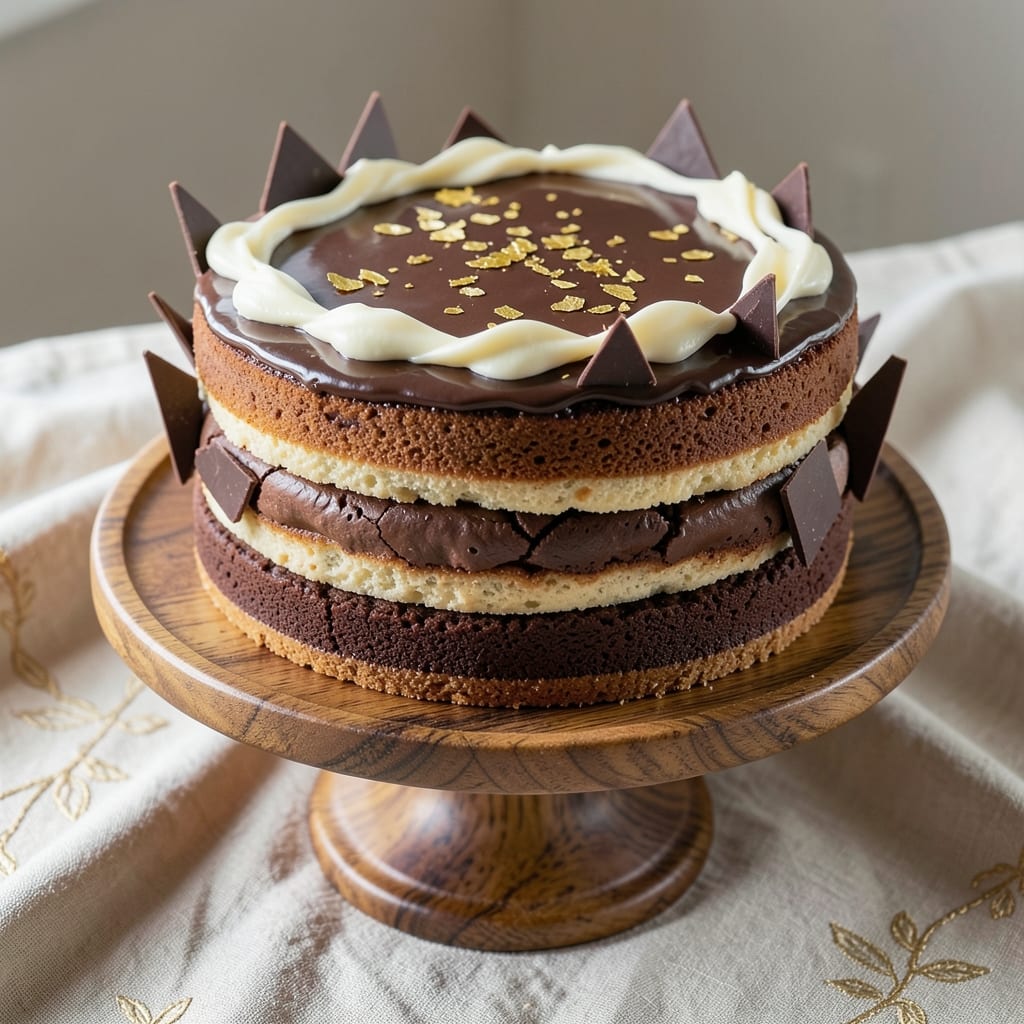
This Baker's German sweet chocolate cake recipe delivers the legendary moist, rich layers that made German bakeries famous—with a secret moisture trick that keeps it tender for days. 💛 The original technique combines dark chocolate with a touch of sour cream and coffee, creating that signature deep flavor and velvety texture that separates this cake from ordinary chocolate desserts. What sets this version apart is the precise balance of ingredients that prevents dryness while maintaining that classic German density.
The foundation of this recipe lies in its foolproof moisture technique: sour cream and melted butter work together to create a crumb that stays soft without being cakey. German bakers have perfected this method for generations, and it's what gives this cake its legendary reputation. You'll work with a simple batter that requires minimal mixing—just enough to combine the ingredients without overworking the gluten, which could make the cake tough.
By the time you're done, you'll have three rich chocolate layers separated by a velvety chocolate buttercream that holds together beautifully. The secret to the buttercream's stability is proper tempering of the chocolate and careful incorporation of powdered sugar, ensuring it's light yet sturdy enough to hold the cake together. This isn't just any chocolate cake—it's a showstopper that tastes like a slice of German bakery tradition.
Perfect for celebrations, family gatherings, or when you simply crave a slice of decadent chocolate perfection. The recipe includes tips for achieving the ideal texture and troubleshooting common baking challenges, so you can confidently create this classic dessert at home. Let's get started on baking this timeless treat.
Ingredients for baker's german's sweet chocolate cake recipe original
High-quality ingredients transform into a velvety German chocolate masterpiece with signature moisture.
| Ingredient | Amount | Notes |
|---|---|---|
| Unsalted Butter 🧈 | 1 ½ cups | Melted, cooled to room temperature |
| Granulated Sugar 🍚 | 2 ½ cups | Superfine preferred for smoothness |
| Unsweetened Cocoa Powder 🍫 | 1 cup | Dutch-processed for rich flavor |
| All-Purpose Flour 🌾 | 2 ½ cups | Sifted, spooned and leveled |
| Baking Powder 🧂 | 2 tsp | Diamond Crystal preferred |
| Salt 🧂 | ½ tsp | Fine sea salt preferred |
| Vanilla Extract 🌿 | 2 tsp | Pure Madagascar bourbon |
| Sour Cream 🥛 | 1 cup | Full-fat for moisture |
| Eggs 🥚 | 4 large | Room temperature |
| Hot Water 💧 | 1 cup | For cocoa bloom |
| Ground Cinnamon 🌿 | 1 tsp | Freshly ground preferred |
| Chocolate Buttercream Frosting 🍰 | 2 cups | For assembly (recipe included) |
The butter and sour cream create that signature German moisture—use full-fat sour cream for maximum tenderness. For the cocoa powder, Valrhona or Guittard brands deliver that deep, velvety flavor. The sugar should be superfine if possible, but regular granulated works if you pulse it in a food processor. Freshly ground cinnamon makes a difference, so buy whole cinnamon sticks and grind them yourself. The baking powder is crucial—Diamond Crystal measures differently than other brands, so don't substitute without adjusting.
No Dutch-processed cocoa? Natural cocoa powder works but the flavor will be slightly more acidic. Short on sour cream? Greek yogurt at half the amount adds moisture too. The eggs should be room temperature—cold eggs cause dense cake. For the hot water trick, boil water first then cool to 180°F before mixing with cocoa. This creates a smoother batter and better flavor bloom. The buttercream can be store-bought, but homemade with European-style butter and high-quality chocolate elevates everything.
This cake keeps beautifully—3-4 days at room temperature wrapped tightly, or 1 week refrigerated. For longer storage, freeze layers separately for up to 3 months. The frosting can be made 2 days ahead and stored in the fridge. When ready to serve, bring cake layers to room temperature before assembling. The secret to perfect layers is cooling completely between baking and frosting—don't rush this step for that signature German texture.
Why You'll Love This Recipe
- Here’s what sold me: it uses pantry staples and delivers restaurant-quality results. That unsalted butter? It makes all the difference. And because it keeps well, I often bake a double batch—half for now, half for when cravings hit later. No wasted ingredients, just pure satisfaction.
- No Mixer Needed: I swear by this recipe because it’s one of those rare cakes that doesn’t demand a stand mixer. Cream the butter and sugar by hand—it’s just 5 minutes of elbow grease—and the result is that signature velvety texture. Honestly, my arm thanks me every time.
- Rich Without Overpowering: The cocoa powder here isn’t just an afterthought—it’s the star, but it’s balanced by the buttery richness of the batter. No bitterness, no cloying sweetness; just that perfect, melt-in-your-mouth chocolate depth that makes it my go-to dessert.
- Birthday Party Ready: Between us, this cake is the crowd-pleaser. It slices neatly, holds its shape, and tastes even better the next day (yes, I’ve tested this). Decorate it simply with whipped cream or a dusting of powdered sugar, and suddenly you’re the hero of any gathering—no fancy decorating skills required.
Step-by-step instructions for German sweet chocolate cake
Master the secret to ultra-moist layers with this foolproof method for cake perfection.
👨🍳 Step 1: Mix Wet Ingredients for Maximum Moisture
In a large mixing bowl, combine the 1.5 cups melted unsalted butter (cooled to room temperature) with the 2.5 cups granulated sugar. Whisk until fully incorporated and the mixture is smooth and pale. This step ensures even distribution of fat and sugar for tender crumb.
Add the 1 cup unsweetened cocoa powder, 1 cup sour cream, and 4 large eggs (room temperature). Mix on medium speed for 2-3 minutes until the batter is thick and ribbon-like when the whisk is lifted. The sour cream adds moisture while the eggs provide structure—don't skip this waiting time for room temperature eggs.
👨🍳 Step 2: Incorporate Dry Ingredients and Hot Water
In a separate bowl, sift together the 2.5 cups all-purpose flour, 2 tsp baking powder, 0.5 tsp salt, and 1 tsp ground cinnamon. Gradually add this dry mixture to the wet ingredients while mixing on low speed. This prevents gluten development and ensures even distribution of leavening agents.
Pour in the 1 cup hot water (just off the boil) and mix for another 30 seconds until combined. The hot water activates the cocoa powder for that signature bloom and helps create a velvety texture. Here's the thing—adding hot water at this stage prevents dryness that often plagues chocolate cakes.
🍳 Step 3: Bake in Two Layers for Even Cooking
Divide the batter evenly between two 9-inch round cake pans lined with parchment paper. Smooth the tops with a spatula. Bake in a preheated 350°F oven for 30-35 minutes until a toothpick inserted in the center comes out clean and the edges pull away slightly from the pan.
I press down gently on the cake centers during the first 5 minutes of baking—this prevents doming and ensures even rise. Rotate the pans halfway through for consistent browning. The secret to perfect layers lies in this precise baking time—overbaking dries out the cake, so watch closely after 25 minutes.
⏰ Step 4: Cool and Assemble with Buttercream
Remove the cakes from the oven and let them cool in the pans for 10 minutes. Then transfer to a wire rack to cool completely. This gradual cooling prevents cracking. Once fully cooled, level the tops if needed using a serrated knife.
Spread 1 cup chocolate buttercream frosting on the first layer, then place the second layer on top. Frost the entire cake with the remaining 1 cup frosting, creating smooth sides. Chill in the refrigerator for 30 minutes before slicing to allow the frosting to set properly. The buttercream should be firm enough to hold slices cleanly.
Pro Tips For Making Baker'S German'S Sweet Chocolate Cake Recipe Original
- Melt Butter Slowly: I used to dump cold butter straight into the hot sugar mix, and the batter would seize up like a stubborn mule. Instead, melt the butter first—just until it’s liquid but not browned—then let it cool slightly before mixing. That way, the sugar dissolves smoothly, and you avoid lumps that turn into dry pockets in the cake.
- Sift the Cocoa: This isn’t just about aeration—it’s about flavor. Unsweetened cocoa powder clumps like a grumpy cat, and those lumps sink to the bottom, leaving uneven chocolate distribution. Sift it twice if you’re feeling fancy, or at least press it through a fine-mesh strainer before measuring. Your cake’s richness depends on it.
- Check Doneness with a Toothpick: The recipe might say “bake until a toothpick comes out clean,” but with this dense chocolate cake, that’s not always the case. Pull it out when the toothpick has moist crumbs but no wet batter—usually around 2-3 minutes before the recipe’s suggested time. Overbaking turns this cake dry, and no one wants that.
- Use a Digital Scale: Measuring cocoa powder by volume is a gamble. A “cup” of cocoa can vary wildly depending on how you scoop and pack it. Weigh it instead—this cake relies on the right cocoa-to-flour ratio for that signature moist, fudgy texture. A cheap kitchen scale ($10) makes all the difference.
Troubleshooting great baker's german's sweet chocolate cake recipe original
Dry Cake Fix
If your cake turns out dry, the issue is usually overbaking or insufficient moisture. First, check your baking time—this cake is done when a toothpick comes out with moist crumbs, not completely clean. For extra moisture, brush warm cake layers with simple syrup (equal parts sugar and water, heated until dissolved) before frosting. I've also found that adding 1-2 tbsp sour cream to the buttercream helps restore moisture balance. 💧
Cracked Layers
Cracks typically form when cakes cool too quickly. Always let cakes cool in pans for 10 minutes before transferring to a rack, and avoid placing them in the fridge until fully cooled. If cracks appear, use the leveling trick: trim the cracked edges with a serrated knife and frost with a thin crumb coat first. This creates a smooth base for your final frosting layer.
Domed Cake Shape
Uneven doming happens when batter isn't distributed evenly or pans aren't leveled. Before baking, gently press down on the batter with a spatula to remove air pockets. Place your cake pans on a baking sheet for stability, and rotate them halfway through baking. For extreme doming, level the tops after cooling using a serrated knife—this creates flat surfaces for clean frosting.
Buttercream Too Soft
If your frosting is too soft to hold the cake together, it's likely too warm. Chill the cake in the fridge for 20-30 minutes before adding final decorations. For extra stability, add 1 tsp cornstarch to your buttercream recipe next time—it helps firm up the texture without altering flavor. I keep my buttercream in the fridge until ready to use for perfect consistency.
Uneven Layers
Uneven layers often result from uneven baking or improper cooling. For consistent results, use a thermometer to check internal temperature—205-210°F is ideal. If one layer bakes faster, reduce that pan's oven rack position. When assembling, place the slightly thicker layer on the bottom for structural support. A cake turntable makes this process much easier!
Frosting Separation
Buttercream that separates usually means the chocolate wasn't properly tempered. Next time, melt chocolate over a double boiler until it reaches 110°F, then cool to 80°F before incorporating into butter. For immediate fixes, gently reheat separated frosting in 10-second bursts in the microwave, then whisk vigorously. The key is patience—rushing this step causes separation every time. ✨
Nutrition facts
Frequently asked questions about baker's German sweet chocolate cake
Why does this cake use hot water in the batter?
The hot water activates the cocoa powder for a smoother texture and prevents dryness that often happens in chocolate cakes. It also enhances the chocolate flavor by creating a bloom effect during baking. Think of it as a secret ingredient that transforms ordinary chocolate cake into something truly special.
Can I make this cake in a single layer instead of two?
Yes! You can bake it as a single 10-inch round layer by using the same batter quantity. Just increase the baking time to 40-45 minutes and check for doneness with a toothpick. For a taller cake, use a 6-inch pan and bake for 50-55 minutes. The key is to avoid overbaking for that signature moist texture.
What makes this German-style chocolate cake different from American versions?
German chocolate cakes typically use Dutch-processed cocoa, a touch of coffee or espresso powder (optional), and rely on sour cream and melted butter for moisture. The texture is denser yet tender, with a deeper chocolate flavor. This recipe maintains those authentic elements while adapting to modern baking techniques. The buttercream is also richer than traditional American frostings.
How do I store leftovers to keep them moist?
Wrap each slice tightly in plastic wrap and store at room temperature for 2 days. For longer storage, refrigerate for up to 1 week or freeze for 3 months. To revive stale slices, warm them in a 300°F oven for 5-10 minutes with a splash of water on a plate underneath. The secret is airtight storage to preserve moisture.
Can I substitute the sour cream in this recipe?
Yes, but with adjustments. Use 1 cup Greek yogurt or ½ cup mayonnaise for moisture, though the texture will differ slightly. For a dairy-free option, try ½ cup coconut milk yogurt plus 1 tbsp melted coconut oil. The sour cream's tanginess and fat content are key to that signature German texture, so substitutions may affect the final result.