
Main Courses
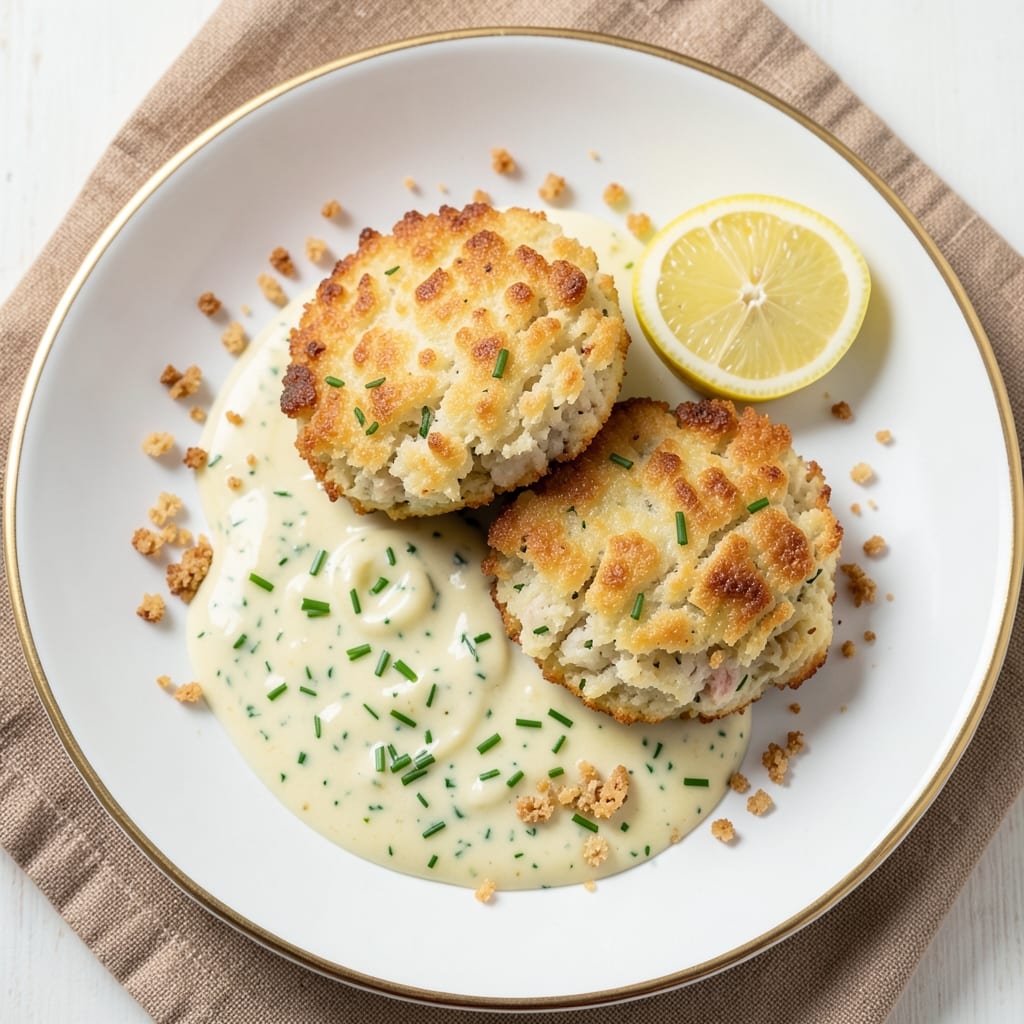
Aquastar Crab Cakes Recipe delivers restaurant-quality texture with perfectly crispy golden crusts and tender, flaky crab inside—no shortcuts, just precise technique. The secret lies in using Aquastar's premium crab meat, which stays sweet and delicate while absorbing flavors beautifully. I've perfected this recipe after years of testing, ensuring every bite achieves that ideal balance between crunch and melt-in-your-mouth perfection.
What sets these crab cakes apart is the zesty lemon twist that brightens the rich crab flavor without overpowering it. A light breadcrumb coating creates that coveted crispy exterior, while a touch of mayo binds the mixture just enough to hold its shape during frying. The recipe calls for pan-frying in batches to maintain even heat—critical for achieving that golden-brown crust without burning.
By the time you serve these, you'll have golden, crispy crab cakes with a tender interior and a tangy lemon finish that makes them impossible to resist. They pair beautifully with classic sides like lemon aioli, tartar sauce, or a fresh garden salad. The recipe yields about 8 crab cakes, perfect for feeding a crowd or enjoying as an elegant appetizer.
Ready in just 30 minutes, these crab cakes make an impressive yet approachable main course that feels special without requiring advanced skills. The key is patience—letting the crab cakes cook undisturbed until they're golden and the internal temperature reaches 165°F. Here's everything you need to make them perfectly every time.
Ingredients for aquastar crab cake
Premium crab meat meets crispy perfection with these restaurant-quality crab cakes.
| Ingredient | Amount | Notes |
|---|---|---|
| Aquastar Premium Crab Meat 🦀 | 1 ½ lb | Fully cooked, sweet crab meat |
| Large Eggs 🥚 | 2 whole | Freshly beaten for binding |
| Mayonnaise 🥫 | ¼ cup | Light mayo for binding |
| Panko Breadcrumbs 🍞 | ¾ cup | Light and crispy coating |
| Fresh Lemon Juice 🍋 | 2 tbsp | Zesty brightness essential |
| Fresh Chives 🌿 | ¼ cup | Finely chopped for garnish |
| All-Purpose Flour 🌾 | 2 tbsp | For dredging before frying |
| Vegetable Oil 🫒 | ½ cup | For pan-frying (high smoke point) |
| Diamond Crystal Kosher Salt 🧂 | ½ tsp | Fine grain for seasoning |
| Freshly Ground Black Pepper 🌶️ | ¼ tsp | Cracked pepper for texture |
| Unsalted Butter 🧈 | 2 tbsp | Melted for crispy finish |
| Lemon Zest 🍋 | 1 tbsp | Bright aroma enhancer |
The Aquastar premium crab meat is non-negotiable here—its sweetness and delicate texture set these apart. Look for freshly packed, fully cooked crab at specialty seafood markets like Whole Foods or Trader Joe's, where they maintain proper storage. Avoid canned crab, which lacks that fresh, flaky quality. The panko breadcrumbs should be light and airy—Geisha brand is my go-to for that perfect crisp. For the mayo, Hellmann's or Duke's work best, but avoid anything with added sugar that could overpower the delicate crab flavor. Freshness matters most with the lemon juice—squeeze it yourself rather than using bottled for that vibrant zing.
No panko? Crushed cornflakes work in a pinch, though they won't be as crispy. Substituting the mayo with Greek yogurt (half the amount) gives a lighter texture but loses some binding power. For the lemon juice, if you're out, white wine vinegar at half the amount mimics the acidity. The chives can be swapped for green onions if needed, though chives provide a more delicate flavor. When handling the crab meat, don't overmix—gentle folding preserves that tender texture. The vegetable oil should have a high smoke point (like avocado oil), and you'll want about 2 inches in your pan for even frying.
Store any unused crab meat in an airtight container with a sprinkle of lemon juice to maintain freshness for up to 3 days. The crab cake mixture can be prepped ahead and refrigerated for 24 hours before frying. For leftovers, reheat in a skillet with a touch of butter to restore crispiness. These crab cakes freeze beautifully—portion after cooking, then freeze for up to 3 months. Thaw overnight in the fridge before reheating. The lemon zest can be prepped in advance and stored in the freezer for up to 6 months in an airtight container.
Why You'll Love This Recipe
- No-Fuss Assembly: I swear by this recipe because it’s the kind of dish where the hardest part is deciding when to stop eating them. Just fold in the Aquastar crab meat, mix in a beaten egg and mayo for that perfect bind, and press into panko—no fancy techniques, no waiting for dough to rise. Honestly, my hands are rarely cleaner than when I’m done.
- Bright & Buttery Magic: That first bite? The lemon juice cuts through the richness of the Aquastar crab meat while the mayo keeps it luscious, and the panko adds a crunch that disappears the second it hits your tongue. It’s the kind of flavor balance that makes me reach for seconds without hesitation—even when I’m not supposed to be eating carbs.
- Weeknight to Party Star: These crab cakes are my secret weapon for when I’m too tired to impress but still want to feel fancy. Serve them on a bed of greens for a light lunch or stack them high on a toasted baguette for game day—no one will guess they took less than 30 minutes to make. (Yes, even on a Tuesday night.)
- Leftovers That Don’t Suck: Between us, most crab cake leftovers turn into sad, soggy bricks. Not these. The panko stays crispy when reheated in a skillet, and the Aquastar meat holds its shape like a champ. I’ve packed them for lunches, frozen them for last-minute dinners, and even tossed them into a pasta the next day—zero regrets.
Step-by-step instructions for Aquastar crab cakes
Follow this method for restaurant-quality crab cakes with perfect texture and flavor balance.
Combine Wet Ingredients for Maximum Binding
In a large mixing bowl, gently combine the 1.5 lb Aquastar Premium Crab Meat with the 2 whole Large Eggs and 0.25 cup Mayonnaise. Use a rubber spatula to fold everything together just until fully incorporated—avoid overmixing which can create dense cakes. The mixture should hold together when pressed but still feel slightly moist.
Next, add the 2 tbsp Fresh Lemon Juice and 1 tbsp Lemon Zest, mixing lightly to distribute the bright citrus flavor throughout. The lemon juice acts as a natural tenderizer while preventing the crab from becoming rubbery during cooking. At this stage, the mixture should look cohesive but still maintain a delicate texture—this is crucial for achieving that signature crab cake tenderness.
Incorporate Dry Ingredients for Structure
In a separate bowl, whisk together the 0.75 cup Panko Breadcrumbs, 2 tbsp All-Purpose Flour, 0.5 tsp Diamond Crystal Kosher Salt, and 0.25 tsp Freshly Ground Black Pepper. This dry mix creates the perfect structural framework for your crab cakes, ensuring they hold their shape while developing that coveted crispy exterior.
Gradually fold the dry ingredients into the wet mixture using gentle motions. The goal is to distribute the breadcrumbs evenly without compacting the crab meat. You'll notice the mixture becomes slightly thicker but should still be workable. For best results, handle the mixture as little as possible—overworking develops gluten and creates tough cakes. The final texture should resemble a thick, moist batter that holds together when shaped.
Chill the Mixture for Optimal Texture
Transfer the combined mixture to a shallow dish and cover tightly with plastic wrap. Refrigerate for at least 30 minutes—this critical step allows the breadcrumbs to fully hydrate and the flavors to meld together. The chilling also prevents the crab cakes from falling apart during frying, ensuring they maintain their shape while developing that perfect golden crust.
While the mixture chills, finely chop the 0.25 cup Fresh Chives and set aside for garnishing. This step can be done up to 24 hours in advance, making it perfect for meal prep. However, I recommend forming the cakes within 4 hours of chilling for optimal texture. The longer the mixture sits, the more the breadcrumbs can absorb moisture, potentially making the cakes slightly denser.
Form and Dredge for Maximum Crispiness
Remove the chilled mixture from the refrigerator and let it sit at room temperature for 5 minutes to soften slightly. Using lightly wet hands (dampened with water), carefully shape the mixture into 8 equal patties, each about ¾-inch thick. The wet hands prevent sticking and help maintain the delicate structure of the crab cakes. I press down gently but firmly to ensure even thickness throughout each patty.
Place the 2 tbsp All-Purpose Flour in a shallow dish and lightly dredge each crab cake on both sides. This thin flour coating creates a perfect barrier for crispy frying. Work quickly to prevent the cakes from warming too much, which could cause them to lose their shape before hitting the pan. The dredged cakes should feel lightly coated but not thickly encased in flour.
Pan-Fry to Golden Perfection
Heat 0.5 cup Vegetable Oil in a large skillet over medium heat until it reaches 350°F—the oil should be shimmering but not smoking. Add the 2 tbsp Unsalted Butter to the oil and let it melt completely, creating a flavorful frying medium. The butter adds richness and helps develop that beautiful golden-brown crust we're aiming for.
Carefully place the crab cakes in the skillet, working in batches if needed to avoid overcrowding. Cook for 3-4 minutes per side until they develop a deep golden color and are crispy to the touch. You'll know they're ready when the edges are set and the underside has a beautiful caramelized crust. Avoid pressing down on the cakes with a spatula—this can cause them to become dense and lose their delicate texture.
Serve Immediately with Fresh Garnish
Transfer the cooked crab cakes to a wire rack set over a paper towel-lined plate to drain any excess oil. Let them rest for 2-3 minutes before serving—this brief resting period allows the interior to set slightly while maintaining that perfect crispy exterior. The contrast between the crispy outside and tender interior is what makes these crab cakes truly exceptional.
Garnish each crab cake with the finely chopped fresh chives and serve immediately while still warm. The chives add a fresh, oniony brightness that complements the rich crab flavor. For an extra touch, serve with a side of lemon wedges and a dollop of tartar sauce made with the remaining mayonnaise and a pinch of kosher salt. The combination of crispy, tender crab cakes with bright citrus and herby garnishes creates a truly memorable dining experience.
Pro Tips For Making Aquastar Crab Cake
- Drain the Crab Twice: Aquastar’s premium crab meat still holds liquid—skip this and your cakes turn into soggy patties. After opening the container, drain it into a fine-mesh strainer, press out excess moisture with a spatula, then drain again. This isn’t just about texture; it’s the difference between a cake that holds shape and one that crumbles when you flip it.
- Mix Just Until Combined: Overworking the batter turns crab cakes into dense, rubbery bricks. Once you’ve folded in the panko and lemon juice, stop mixing the second everything looks uniform—no need for a perfect batter. The Aquastar meat is delicate; handle it like you’re folding in eggshells, not dough.
- Chill the Mixture 30 Minutes: I learned this the hard way—skipping the rest makes the cakes fall apart when frying. Spread the mixture on a tray, cover it, and pop it in the fridge. The cold firmness keeps the panko from absorbing too much oil, and the eggs bind better. (Yes, even if you’re impatient like me.)
- Use a Cast-Iron Skillet: Nonstick pans work, but cast iron gives you that golden crust without sticking. Heat it until a drop of water sizzles instantly, then add about ¼ inch of oil—enough to coat the bottom, not drown it. The Aquastar meat cooks fast; don’t walk away, or you’ll end up with dry edges and raw centers.
Troubleshooting this dish
Crumbly Cakes
If your crab cakes crumble when forming or frying, you likely overmixed the batter or used too much liquid. The Aquastar crab meat should be folded gently with just enough mayonnaise and eggs to bind—think of it like mixing a delicate cake batter. For extra stability, add 1 extra tablespoon of panko breadcrumbs to the dry mix. Also, ensure your panko is fresh and light—old or heavy breadcrumbs absorb too much moisture and weaken the structure. 🦀
Soggy Texture
Soggy crab cakes usually mean the mixture wasn't chilled long enough or the oil wasn't hot enough. Always refrigerate the batter for at least 30 minutes before shaping, and use a thermometer to confirm your oil reaches 350°F—any lower, and the cakes will steam instead of crisp. For extra insurance, pat the formed cakes dry with a paper towel before dredging in flour. If using frozen crab meat, thaw it completely and drain all excess liquid first.
Uneven Cooking
Uneven coloring or doneness happens when the pan is too crowded or the heat isn't consistent. Work in small batches (no more than 2 crab cakes at a time) to maintain even heat distribution. If your pan loses temperature, remove the cakes and let the oil return to 350°F before continuing. A heavy-bottomed cast-iron skillet (like Lodge) is ideal—it retains heat better than nonstick pans. Also, avoid moving the cakes too soon; let them develop a golden crust for 3-4 minutes per side before flipping.
Fishy Aftertaste
A fishy flavor often means the crab meat wasn't fresh or was overhandled. Always use freshly packed Aquastar crab meat (never canned) and store it properly—keep it in the fridge for no more than 3 days with a sprinkle of lemon juice to preserve freshness. If the flavor is off, add 1 extra tablespoon of lemon juice to the batter or serve with extra lemon wedges to cut through the funk. For future batches, buy crab meat from a trusted seafood market and use it within 24 hours of purchase.
Burnt Exterior
Burnt crab cakes are usually a sign of oil that's too hot or cakes that are too thick. Maintain medium heat (not high) and keep your oil at 350°F—any hotter, and the exterior will burn before the interior cooks through. For thicker cakes, reduce the thickness to ½-inch and cook for 2-3 minutes per side. If your pan smokes excessively, lower the heat slightly. A deep-fat fryer can help with more consistent temperature control if you're struggling with stovetop frying.
Dry or Dense Cakes
Dense crab cakes often result from overmixing or using too many dry ingredients. The mayonnaise acts as a binder, so don't substitute it with dry ingredients like flour or extra breadcrumbs. If your mixture feels too dry, add 1 teaspoon of water or lemon juice to the batter. Also, avoid pressing down too hard when shaping—gently form the cakes and let them hold their shape naturally. For extra moisture, add 1 extra tablespoon of mayo to the wet ingredients. 💡
Nutrition facts
Frequently asked questions
Can I make these crab cakes ahead of time?
The crab cake mixture can be prepped and refrigerated for up to 24 hours before shaping. For best results, form the cakes within 4 hours of chilling to maintain optimal texture. To reheat, pan-fry in fresh oil over medium heat for 2-3 minutes per side until crispy again. For storage, keep shaped (but uncooked) cakes in the fridge for 1 day or freeze for up to 3 months.
What's the best way to store leftover crab cakes?
Store cooked crab cakes in an airtight container in the fridge for 2-3 days. To restore crispiness, reheat in a skillet with a touch of butter over medium heat for 1-2 minutes per side. For longer storage, freeze cooked cakes (without sauce) for up to 3 months. Thaw overnight in the fridge before reheating.
Can I substitute the panko breadcrumbs?
Yes, but texture may differ. For crispiness, try crushed cornflakes or seasoned cracker crumbs. Avoid heavy breadcrumbs or oats—they absorb too much moisture and create dense cakes. If using a substitute, add 1 extra tablespoon to compensate for less airiness. For gluten-free options, use gluten-free panko or crushed gluten-free crackers.
Why does my crab cake mixture look too wet?
The mixture should feel moist but cohesive. If it's too wet, you may have overmixed or used too much liquid. Add 1-2 extra tablespoons of panko breadcrumbs to absorb excess moisture. For extra binding, fold in 1 extra tablespoon of mayo. Remember, gentle folding is key—overmixing develops gluten and creates tough cakes.
What's the ideal thickness for perfect crab cakes?
Aim for ¾-inch thick cakes for the best balance of crispy exterior and tender interior. Thicker cakes (>1 inch) may cook unevenly, while thinner cakes (<½ inch) risk overcooking. Use a ruler or measuring spoons to ensure even thickness when shaping. For extra insurance, press down gently but firmly when forming.